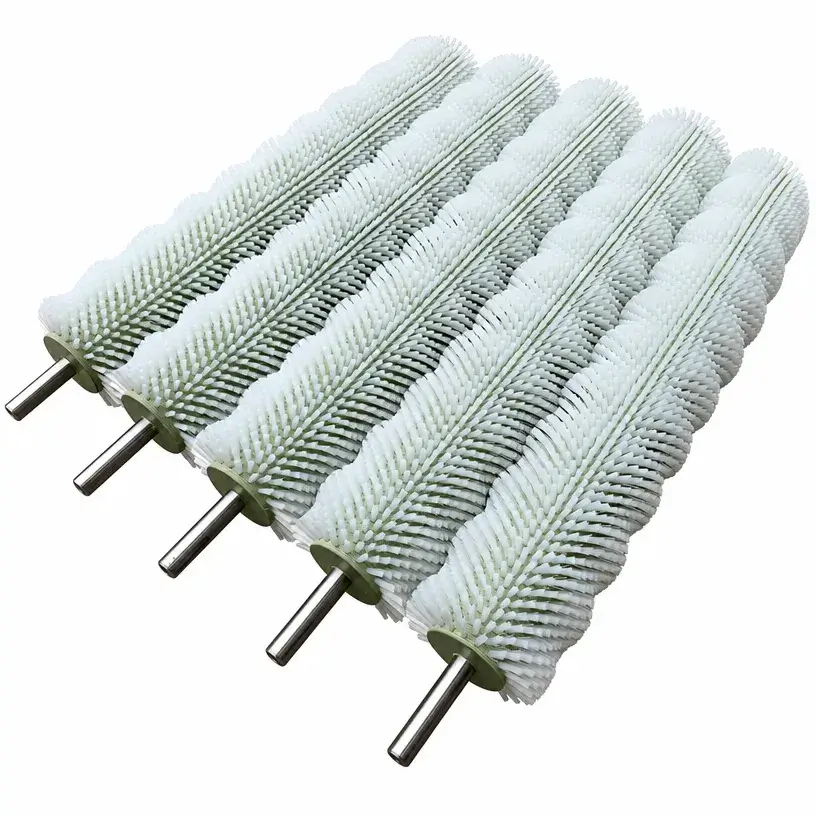
Nylon Roller Brush Bristle Softness Standards for Egg Washers
Optimize nylon roller brush softness, filament diameter, tuft density, and material to prevent shell cracks and ensure food-safe egg washing.

Optimize nylon roller brush softness, filament diameter, tuft density, and material to prevent shell cracks and ensure food-safe egg washing.
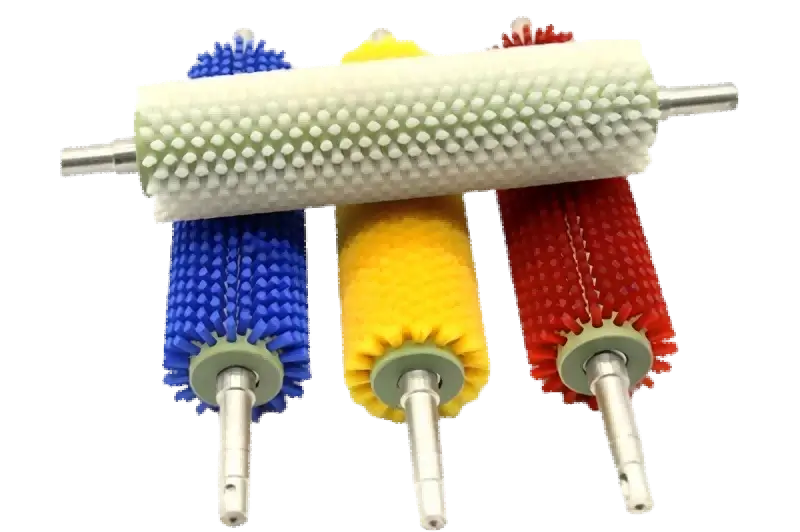
Nylon roller brush bristle selection prevents shell micro-cracks in egg washing. Proper filament diameter, tuft density, and maintenance keep breakage below 0.3%.
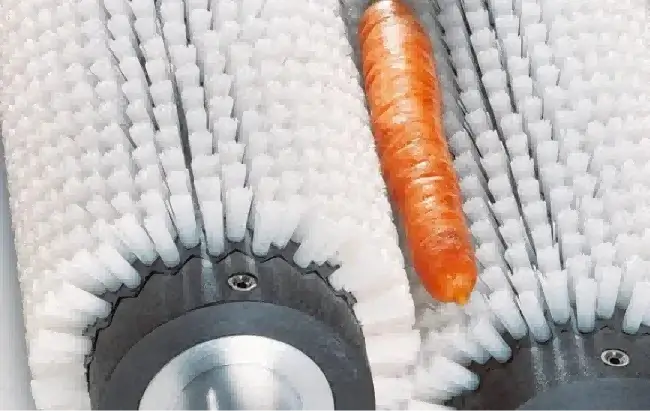
Soft nylon roller brushes (55HA–70HA) prevent carrot skin damage. Right hardness, speed, pressure, upkeep ensure quality, fewer downgrades, more profit.
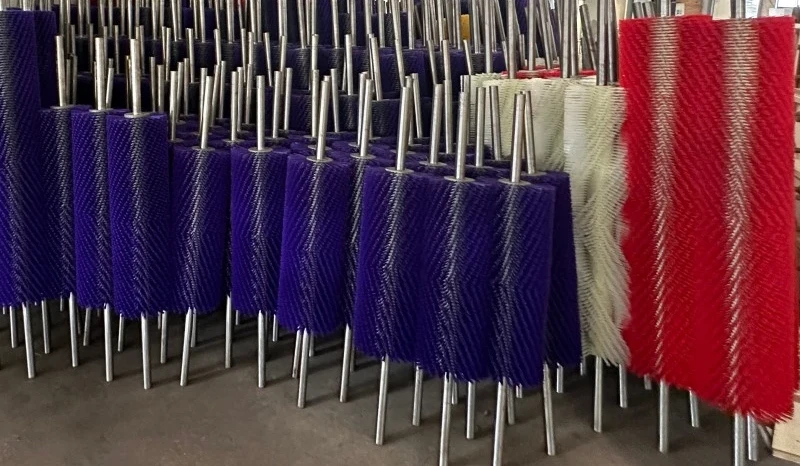
Wave-shaped nylon roller brushes outperform straight bristles by delivering 360-degree cleaning, reducing product damage, and extending service life. The result is higher throughput, better yield, and lower maintenance costs.
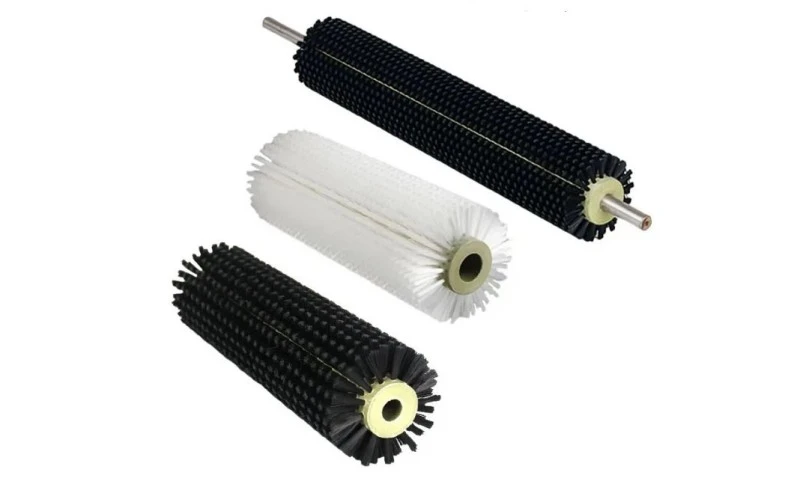
Nylon roller brushes outlast PP 2-3x in carrot washing, lowering total cost. Higher upfront cost offset by fewer replacements, less downtime, and consistent cleaning.
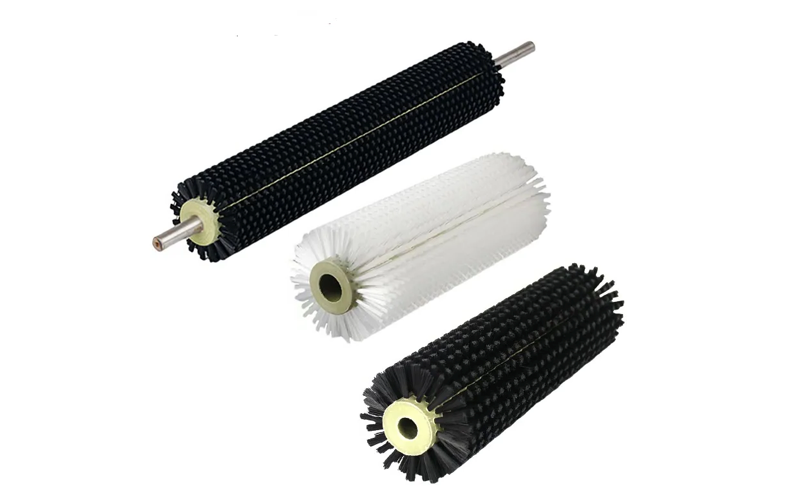
Wave-shaped nylon roller brushes outperform straight bristles – better crevice penetration, automatic tumbling, less peel loss, longer life.
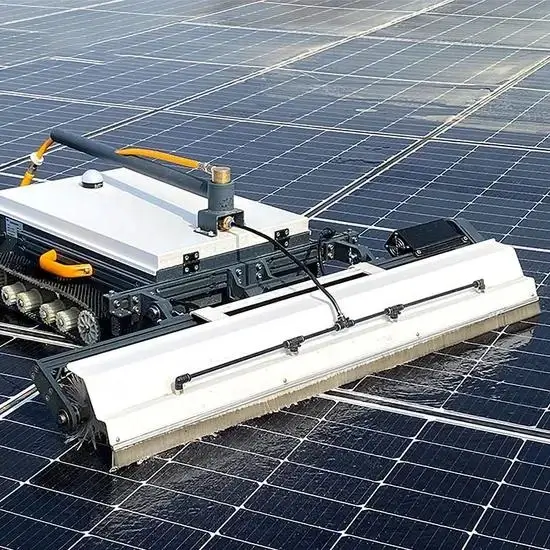
Explains why nylon PA6/PA66 is best for solar panel cleaning robots brush, comparing alternatives and matching material to climate and soiling type.
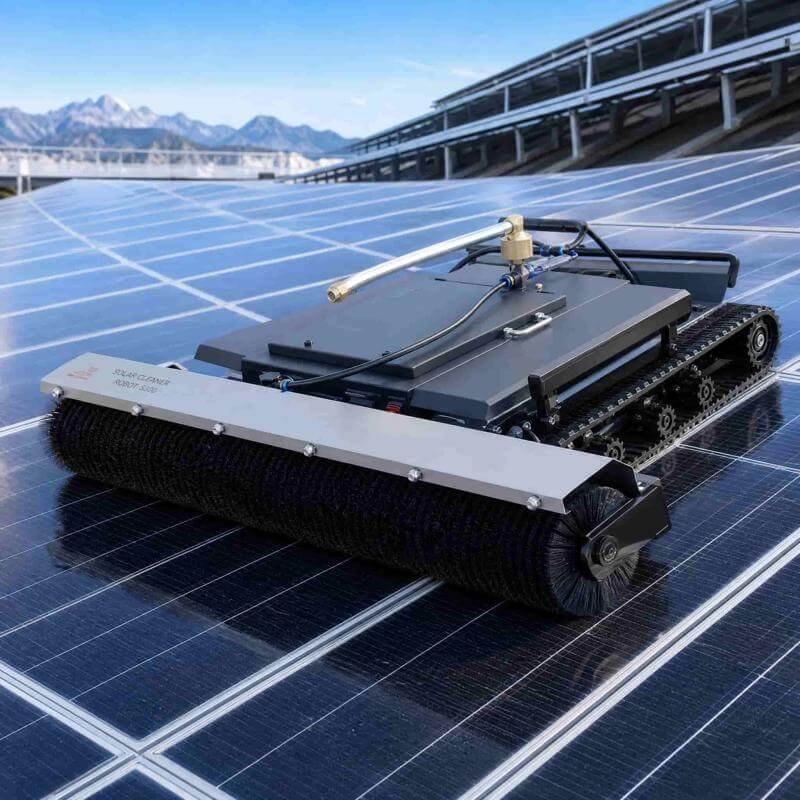
Solar panel cleaning robots rely on brush design—nylon material, bristle and brush diameter—for efficacy; this guide compares standard vs. custom brushes in cost, durability, and fit.
Soiling causes 5–35% energy loss by climate. A solar panel cleaning brush with purified water removes dust, pollen, and salt. Seasonal maintenance maximizes ROI over system lifespan.
Wire brushes scratch solar panels, reduce efficiency, and void warranties. Use soft-bristle brushes to protect coatings and maximize ROI.