Wound Cylinder Brush
Customizable Size & Density
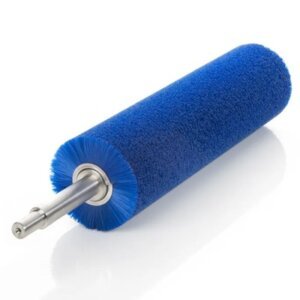
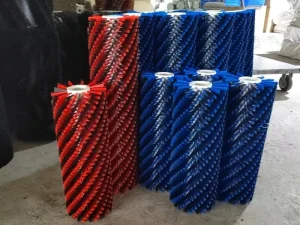
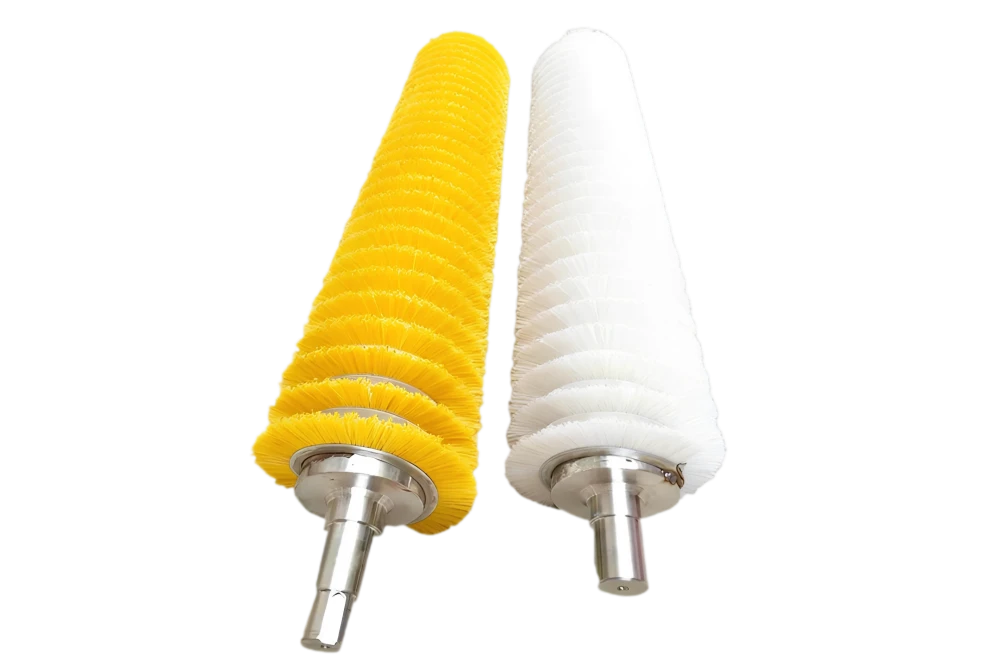
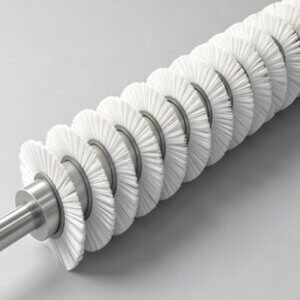
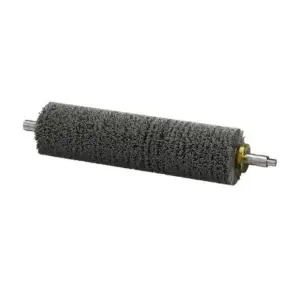
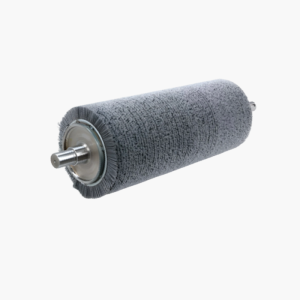
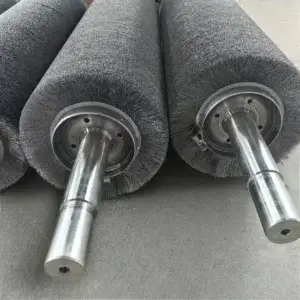
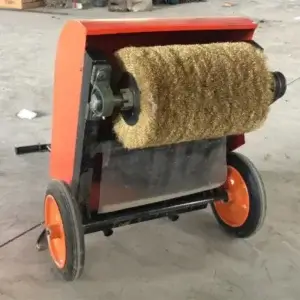
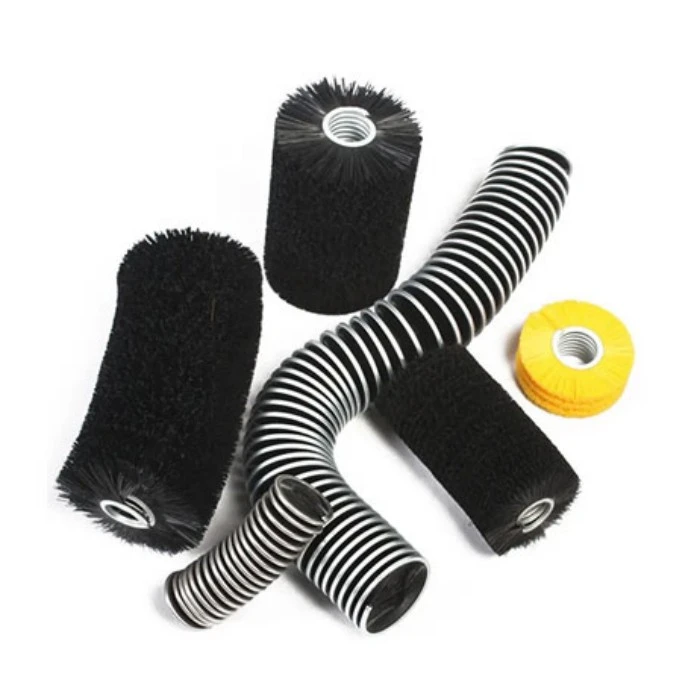
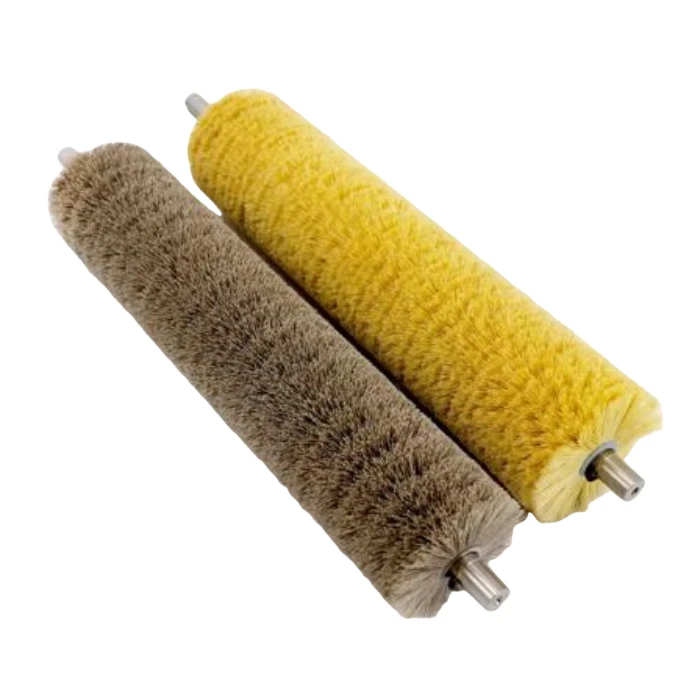
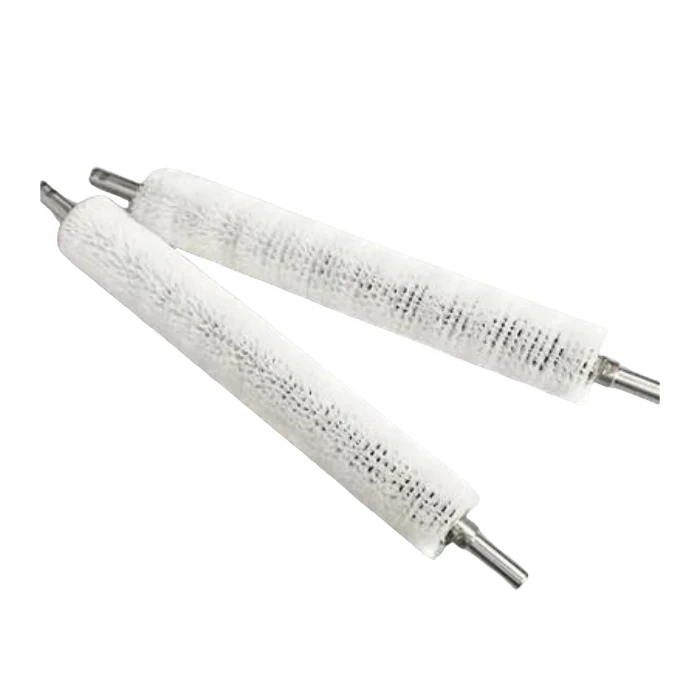
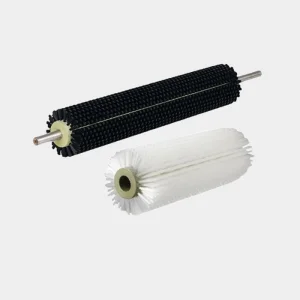
The wound cylinder brush features spiral-wound filaments around a core, creating a dense, uniform contact surface with excellent balance and durability.
Engineered for industrial cleaning and polishing, it delivers stable performance and efficient material removal in dynamic production environments.
- Home /
- Cylinder Brush /
- Wound Cylinder Brush
Key Features of Wound Cylinder Brush
Helical Strip-Wound Construction
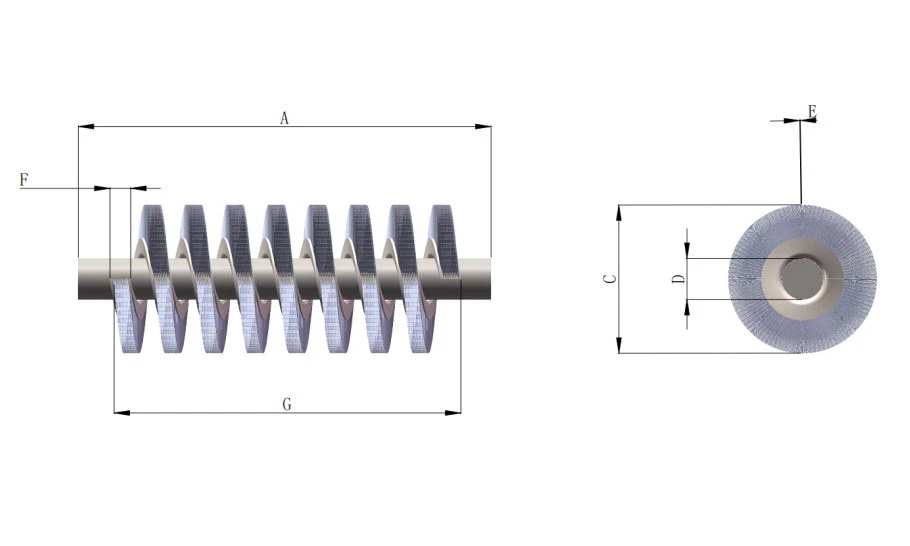
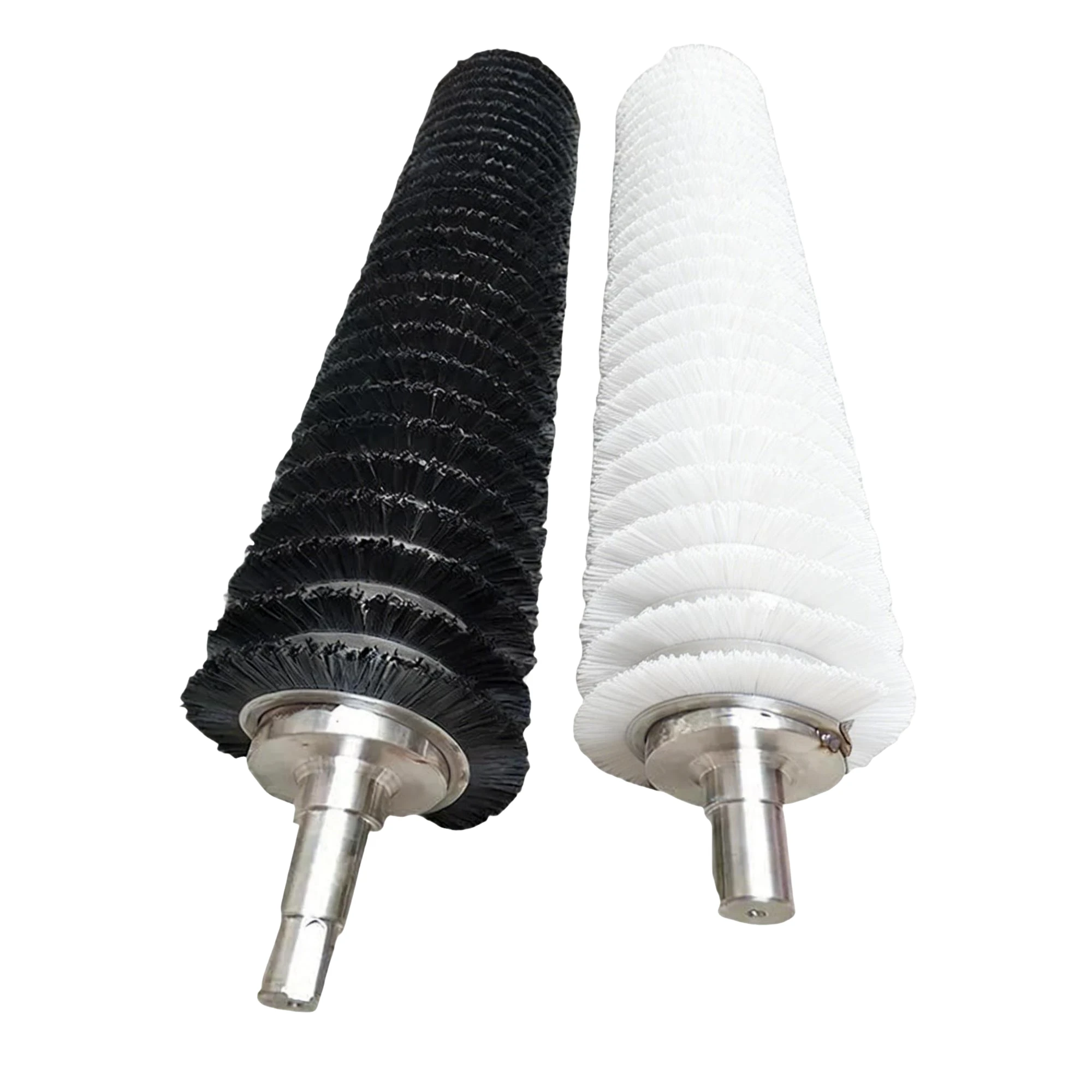
Filaments are anchored in metal backing strips, then helically wound around the rotating core, creating a seamless, uniform surface for precision cleaning.
Ultra-Dense Uniform Brush
Layer The strip-winding method ensures consistent filament density across the entire roller, delivering smoother contact and superior cleaning efficiency.
Strong Structural Stability
Metal backing strips securely anchor filaments while helical winding provides reinforced tension, minimizing breakage during reliable high-speed rotation.
Flexible Multi-Material Compatibility
This construction supports nylon, abrasive nylon, steel wire, brass wire, and horsehair, meeting diverse industrial cleaning and polishing needs.
Featured Wound Cylinder Brush

PP Wound Cylinder brush

Metal Polishing Brush

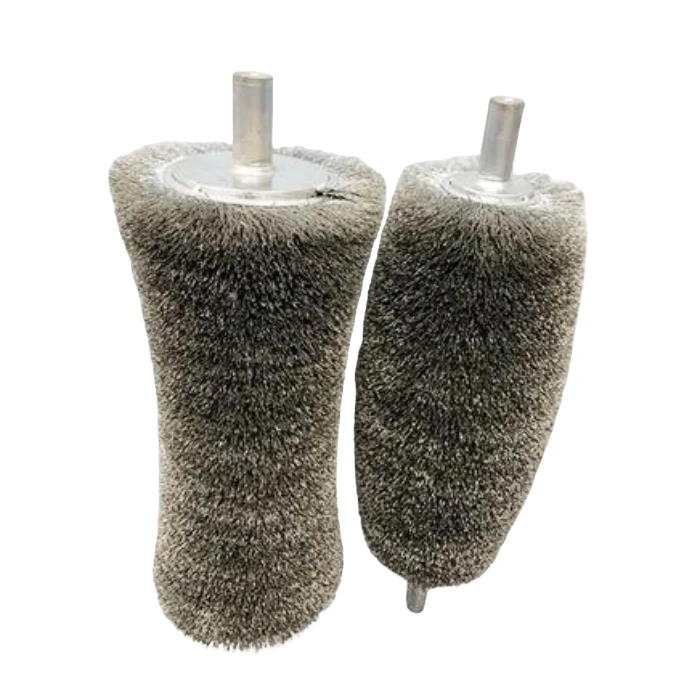
Stainless Steel Wire Cylinder Brush

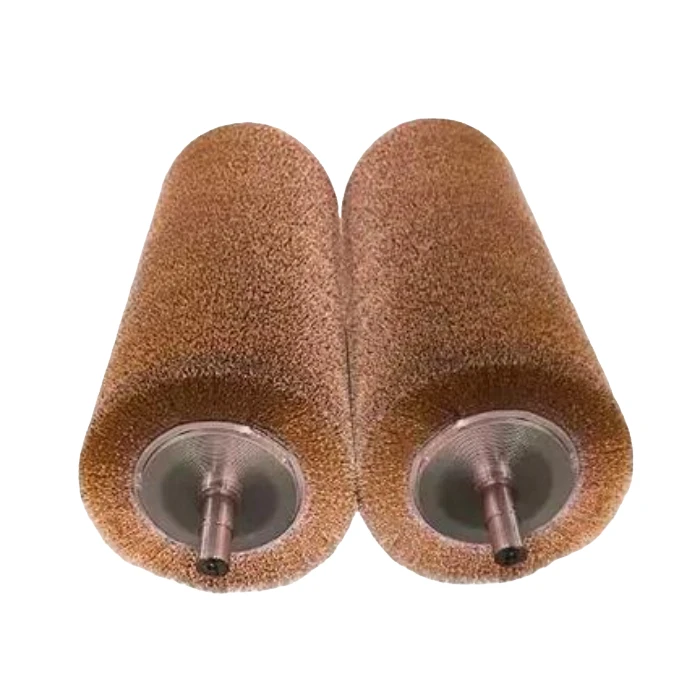
Brass Wire Wound Cylinder Brush

Spring Brush

Copper-coated Steel Wire Brush
Why Choose the Wound Cylinder Brush?
Enhanced Cleaning Efficiency
The continuous wound structure provides large contact area with the working surface, enabling thorough cleaning or deburring in one pass. It reduces time loss and improves production throughput.
Greater Stability Under Heavy Load
The spiral wound design evenly distributes pressure across the entire cylinder, preventing deformation and vibration. This results in quieter operation and better equipment protection.
Extended Brush Longevity
Because bristles are tightly bound by the winding process, wear occurs gradually and uniformly. This longevity allows longer service intervals and fewer replacements.
High Customization Flexibility
Each wound cylinder brush can be manufactured with distinct winding angles, bristle stiffness, and core diameters to match the user’s machinery. This custom adaptability maximizes both performance and compatibility.
Common Applications
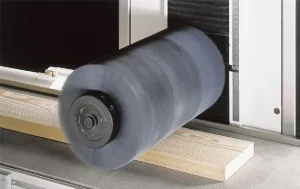
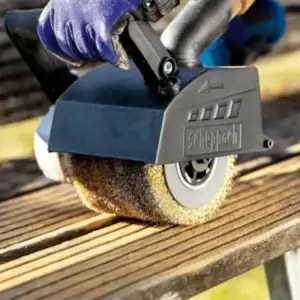
Wood Polishing Brush
Conveyor Belt Cleaning Brush
Rust Removal Brush
Rust Removal Brush
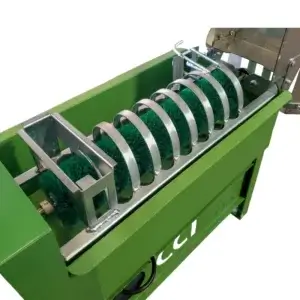
Glass Washing Brush
Glass Washing Brush
Textile Processing Brush
Fruit Cleaning Brush
Customize Your Wound Cylinder Brush

We'd like to work with you
At Fortex Brushes, we believe trust is built through action, not words — through every product we deliver and every partnership we honor.
We don’t just manufacture brushes; we create smart, efficient, and sustainable brushing solutions that help our partners operate cleaner, safer, and more effectively.
- +86 18112932640
- +86 18112932640
- audrey@fortexbrush.com
Contact Us
Learn More About Wound Cylinder Brushes

Top 5 Industrial Applications for a Wound Cylinder Brush
Wound cylinder brushes serve critical roles across diverse industries, from textile processing and glass washing to food cleaning and conveyor maintenance, offering specialized solutions for demanding industrial environments.

How to Choose a Wound Cylinder Brush
Selecting the appropriate wound cylinder brush requires understanding bristle materials, core construction, density specifications, and application demands to ensure optimal cleaning performance and equipment longevity.
What’s Wound Cylinder Brush?
The wound cylinder brush offers a specialized spiral configuration, ensuring maximum surface contact for heavy-duty industrial washing and deburring needs.
FAQ
What distinguishes a wound cylinder brush from a standard wire cylinder brush?
The bristles on a wound cylinder brush are spirally layered instead of tufted, giving superior density, pressure uniformity, and reduced vibration.
Can a spiral wound cylinder brush handle abrasive materials?
Yes. When manufactured with abrasive nylon or metal wire, it becomes an advanced abrasive wire cylinder brush suitable for rust removal or surface conditioning.
How does winding density affect cleaning or polishing performance?
High density gives strong contact pressure and better removal of sticky residues or rust. Low density gives a very gentle action; this should be used for wood polishing or other delicate surfaces.
What industries use wound cylinder brushes most frequently?
Conveyor, automotive chain, wire rope cleaning, and woodworking sectors rely on their continuous contact and balanced performance.