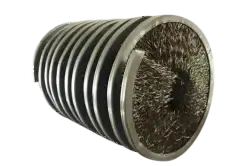
Coil Cleaning Brush Diameter Selection for Pipes and Tubes
Selecting the right coil cleaning brush diameter starts with measuring the bore. Covers oversize margins, inside vs outside brushes, and common mistakes.

Selecting the right coil cleaning brush diameter starts with measuring the bore. Covers oversize margins, inside vs outside brushes, and common mistakes.
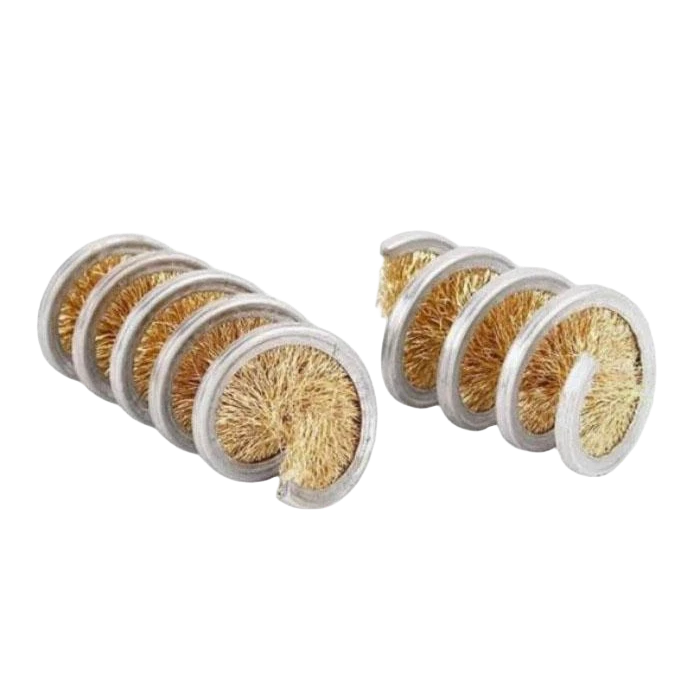
Winding density controls how a brass spiral brush cuts and wears. Covers dense vs open coils, CPI selection, and common mistakes.
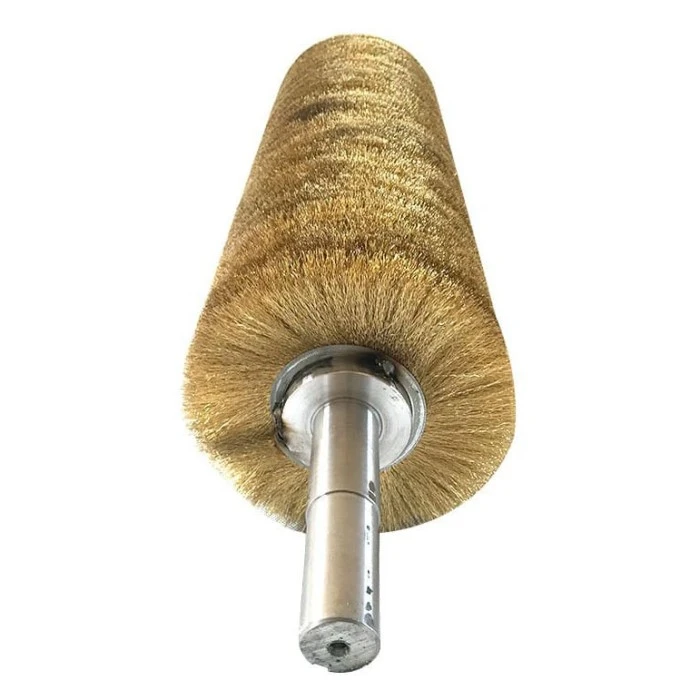
Remove rust and oxidation from soft metals without changing dimensions. This guide covers selection, safe use, and why brass beats steel.
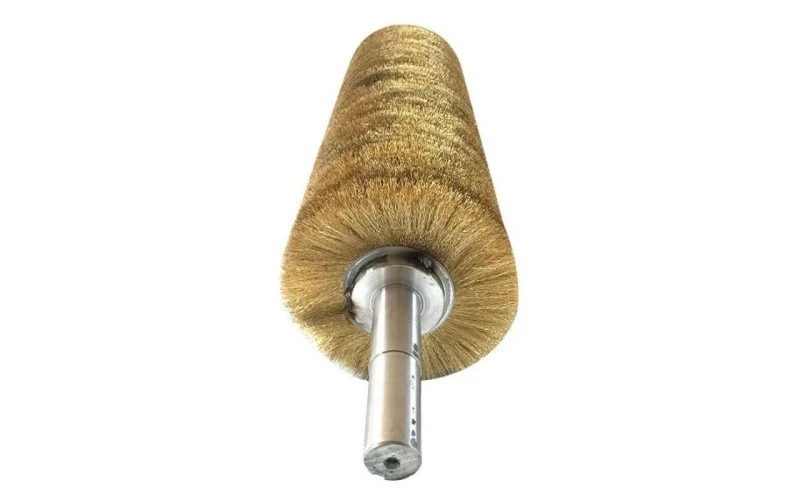
A guide to brass rotary brushes for scratch-free polishing of aluminum, copper, brass, and zinc.
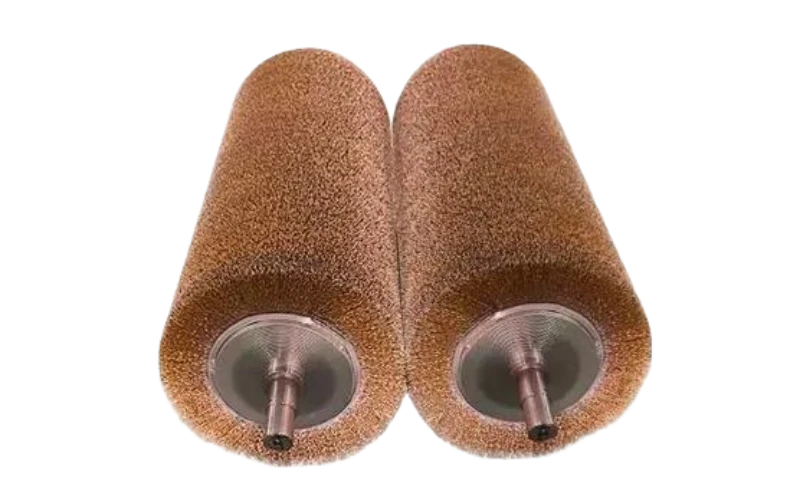
Match rust removal brush stiffness to your workpiece. Steel for heavy rust on carbon steel; brass for soft metals to avoid scratches and rework.
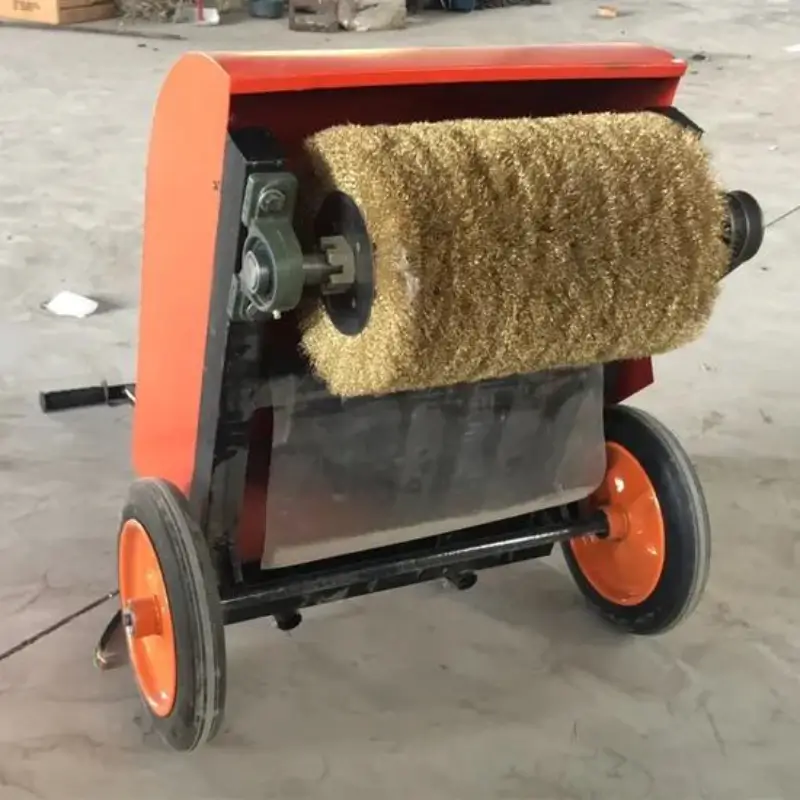
Wire brush for car rust — brass and abrasive nylon are paint-safe; steel scratches. Use light pressure and moderate speed.
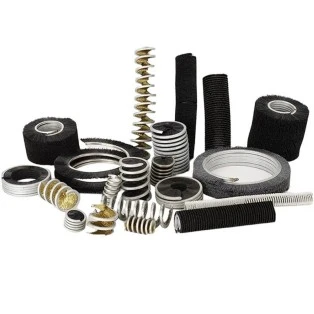
Brush spring for round/confined surfaces with 360° contact. Wire wheel for flat/open areas. Choose by geometry, residue, and filament.
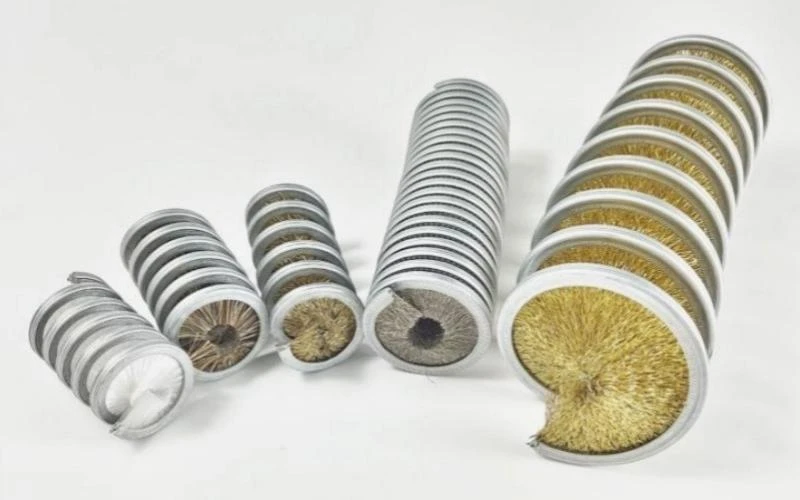
Spring brush temp limits: carbon 200–300°C, stainless 400–700°C, alloy 800°C+. Choose by heat with margin.
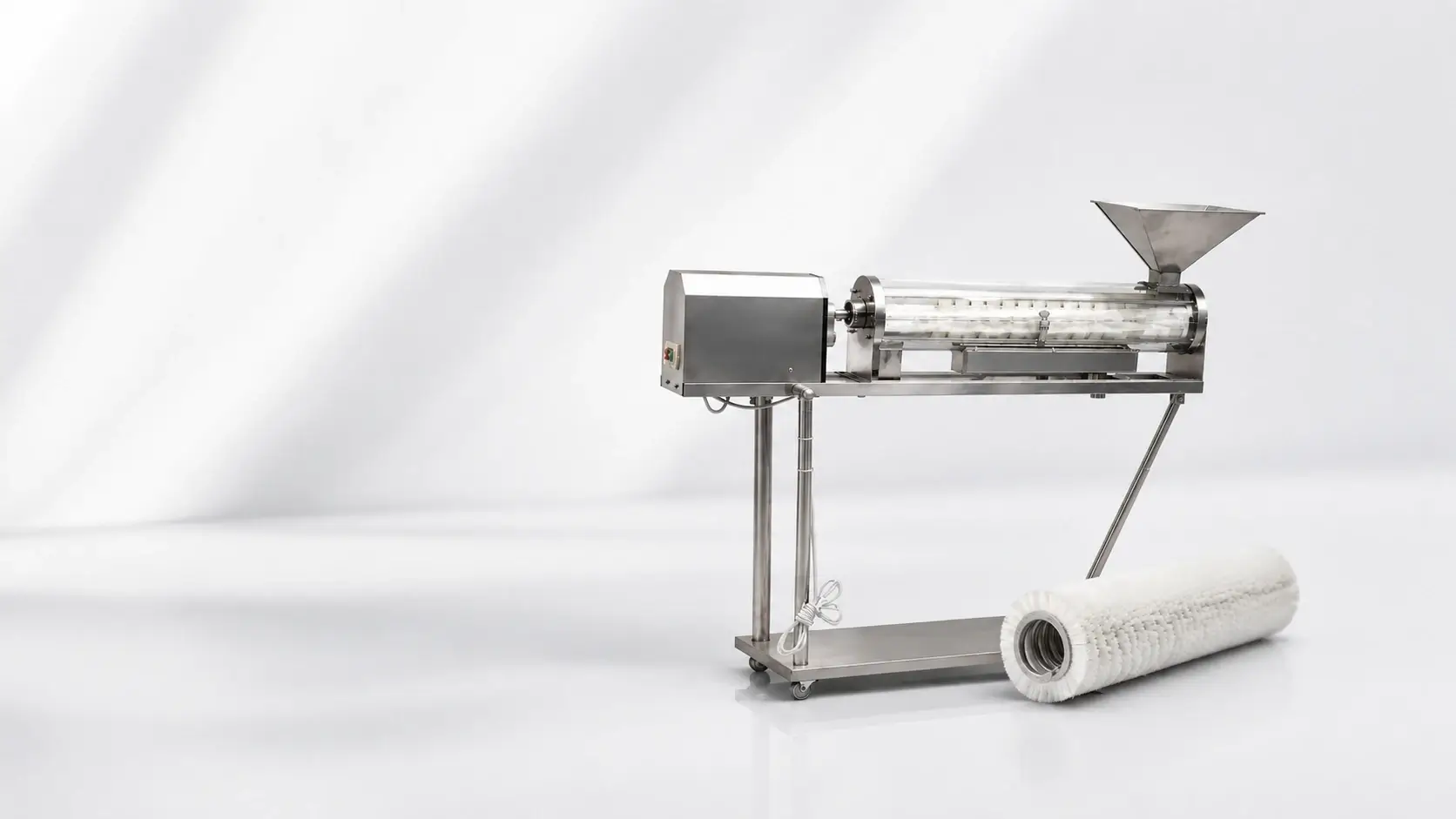
Capsule polishing brush stiffness affects cleaning and surface safety. Covers stiffness control, material matching, and nylon grade selection.
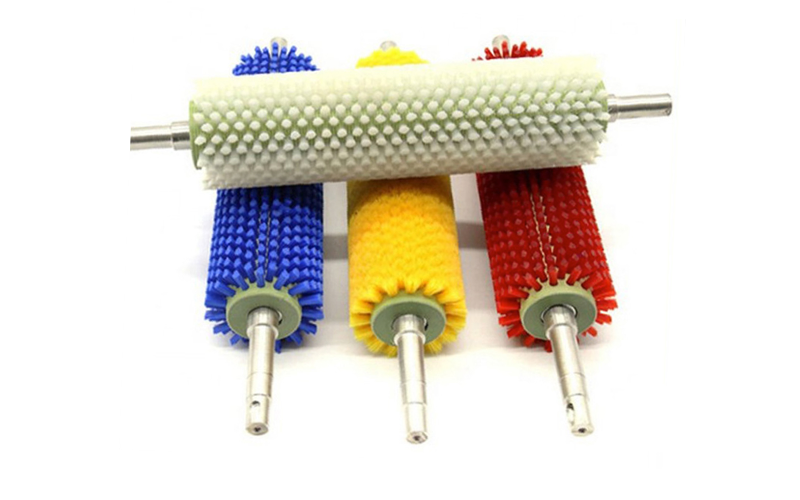
Bristle density impacts cleaning and capsule safety. This guide covers selection, surface quality, and maintenance.