The Solar Panel Cleaning Challenge
Part 1: The Solar Panel Cleaning Challenge
Solar energy systems represent significant investments for both residential and commercial property owners, with modern photovoltaic installations capable of generating clean electricity for decades. However, the efficiency of these systems depends heavily on one often-overlooked factor: surface cleanliness. As solar panels operate in outdoor environments, they accumulate dust, pollen, bird droppings, industrial pollution, and organic debris, which gradually reduce their light-absorbing capacity. Research indicates that dirty solar panels can experience efficiency losses of up to 25% in extreme cases, with even moderate soiling causing 5-15% reductions in energy output. This performance degradation directly impacts return on investment and system payback periods, making proper maintenance a critical component of solar asset management.
The challenge intensifies when property owners attempt to address cleaning needs without proper guidance. Many approach solar panel maintenance with the same mindset they apply to household windows or outdoor surfaces, reaching for familiar tools that may seem appropriate but actually pose significant risks to delicate photovoltaic components. This disconnect between perceived and actual cleaning requirements has led to widespread misconceptions about solar panel maintenance, with potentially costly consequences for system owners and operators.
Part 2: Direct Answer
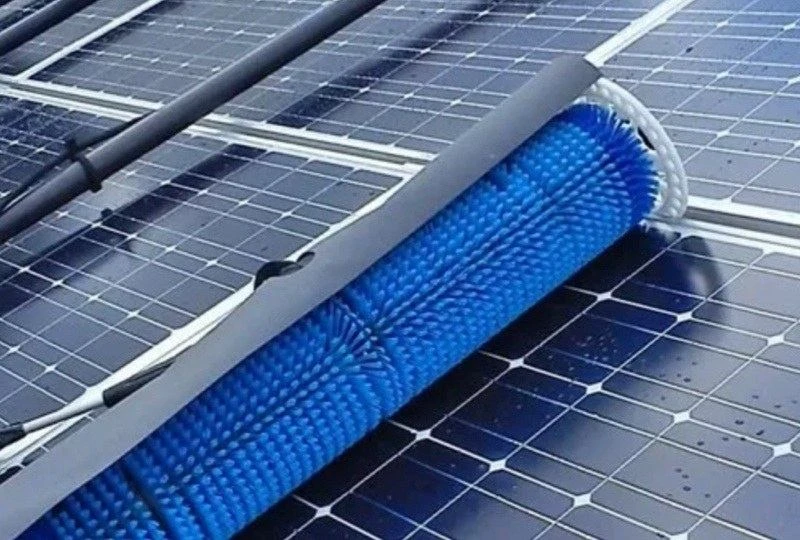
No, you should never use a wire brush for solar panel cleaning. Wire brushes create microscopic scratches on the anti-reflective coating and glass surface, permanently reducing light transmission and accelerating future soiling accumulation. These scratches compromise the protective layers that maximize solar energy absorption, leading to irreversible efficiency losses that can void manufacturer warranties and significantly shorten the system’s productive lifespan.
Part 3: The Importance of Proper Cleaning Methodology
Understanding why wire brushes are inappropriate requires a deeper appreciation of solar panel construction and the sophisticated engineering behind modern photovoltaic technology. Solar panels are not simple glass surfaces; they incorporate multiple specialized layers designed to optimize light capture, minimize reflection, and protect sensitive electrical components from environmental exposure. The outermost glass layer features an anti-reflective coating approximately 100 nanometers thick—thinner than a human hair—that increases light transmission by reducing reflection losses. Beneath this lies the tempered glass itself, followed by encapsulant materials that protect the photovoltaic cells, electrical connections, and backsheet materials.
When improper cleaning tools like wire brushes are used, they compromise this carefully engineered system at multiple levels. The resulting damage isn’t always immediately visible to the naked eye, but manifests as gradual performance decline, increased maintenance requirements, and reduced system longevity. This article explores the specific risks associated with wire brush usage, presents safer alternatives, and provides a comprehensive framework for developing effective solar panel maintenance strategies that protect your investment while maximizing energy production.
How Wire Brushes Damage Solar Panels
Surface Scratching and Anti-Reflective Coating Degradation
The most immediate and visible damage from wire-brush use manifests as surface scratches on the panel’s glass covering. These scratches aren’t merely cosmetic imperfections; they actively reduce the panel’s ability to transmit light to the photovoltaic cells beneath. Each scratch creates a tiny area where light scatters rather than passing through cleanly, effectively creating permanent shadows on the solar cells. Over time, these micro-scratches accumulate, creating a hazy appearance that significantly reduces overall light transmission. Research from photovoltaic testing laboratories indicates that moderate scratching can reduce panel efficiency by 2-5%, with severe scratching causing up to 15% efficiency losses.
Micro-Crack Formation and Structural Compromise
Beyond surface scratching, wire brushes can create micro-cracks in the tempered glass that may not be immediately visible. Tempered solar glass is designed to withstand significant environmental stress, but the concentrated pressure points created by wire brush bristles can exceed the material’s localized strength limits. These micro-cracks compromise the glass’s structural integrity and create pathways for moisture infiltration. Once water penetrates the panel’s protective layers, it can cause corrosion of electrical connections, delamination of encapsulant materials, and eventual electrical failure. The risk of micro-crack formation is particularly high when panels are cleaned during temperature extremes, as thermal stress compounds the mechanical stress from improper cleaning tools.
Edge Seal Damage and Moisture Infiltration
The third damage mechanism involves edge and seal damage. Solar panels feature precisely engineered edge seals that protect internal components from environmental exposure. Wire brushes can abrade these seals, compromise adhesive bonds, and create gaps that allow moisture, dust, and contaminants to enter the panel’s interior. This type of damage often goes unnoticed until electrical problems or performance degradation become severe, at which point repair costs can exceed the value of the panel itself. Additionally, wire brushes can damage the aluminum frames that provide structural support and facilitate proper mounting, potentially compromising the entire installation’s stability and safety.
Understanding Solar Panel Surface Technology: Why Delicate Tools Matter
Anti-Reflective Coatings: Thin, Delicate, and Critical
The outermost layer of most contemporary solar panels features an anti-reflective coating (ARC) typically composed of silicon dioxide, titanium dioxide, or specialized polymer materials. This coating reduces reflection losses from approximately 4% on uncoated glass to less than 1% on optimally coated surfaces, representing a significant efficiency gain. The coating achieves this through precise optical engineering—its thickness is carefully calibrated to create destructive interference for reflected light waves while allowing transmitted light to pass through with minimal loss. These coatings are exceptionally thin (typically 100-200 nanometers) and delicate, making them vulnerable to abrasion from hard materials like wire brush bristles.
Hydrophobic Treatments: Molecular-Scale Protection
Beneath the anti-reflective coating, many premium solar panels use hydrophobic, or “easy-clean,” surface treatments. These treatments modify the surface energy of the glass, causing water to bead up and roll off rather than sheeting across the surface. This behavior helps panels self-clean during rainfall, carrying away dust and contaminants more effectively. Hydrophobic treatments also reduce the adhesion of organic materials like bird droppings and pollen, making routine maintenance easier. However, these surface treatments are molecular-scale modifications that can be physically removed or chemically degraded by abrasive cleaning methods, eliminating their self-cleaning benefits and increasing future maintenance requirements.
Tempered Glass: Strong but Scratch-Sensitive
The glass itself represents another critical consideration. Solar panel glass undergoes specialized tempering processes that create compressive stress on the surface and tensile stress in the interior, making it approximately four times stronger than ordinary glass of the same thickness. This tempering process also creates a specific fracture pattern—if broken, tempered glass shatters into small, relatively harmless fragments rather than large, sharp shards. However, the tempering process makes the glass surface more susceptible to scratching from hard materials, as the compressive layer is relatively thin compared to the overall glass thickness.
Why Soft Tools Are Non-Negotiable
Understanding these material properties explains why solar panel manufacturers universally recommend soft cleaning tools and specifically prohibit abrasive materials like wire brushes. The combination of delicate anti-reflective coatings, molecular-scale hydrophobic treatments, and scratch-sensitive tempered glass means that improper cleaning tools can cause irreversible damage that compromises both performance and longevity.
The Financial Impact of Improper Cleaning: Efficiency Losses and Warranty Implications
Efficiency Losses: The Direct Cost of Reduced Output
The financial consequences of improper solar panel cleaning extend far beyond the immediate cost of replacement panels. Efficiency losses represent the most direct financial impact, with scratched or damaged panels producing less electricity throughout their operational lifespan. For a typical 10kW residential solar system, a 10% efficiency reduction translates to approximately 1,500-2,000 kWh of lost annual production, depending on geographic location and system orientation. At average electricity rates of $0.15-0.30 per kWh, this represents $225-600 in lost annual value. Over a 25-year system lifespan, these annual losses compound to $5,625-15,000 in foregone energy savings, potentially exceeding the original system installation cost.
Warranty Implications: The Risk of Coverage Invalidation
Warranty implications present another significant financial risk. Most solar panel manufacturers offer 25-year performance warranties and 10-12-year product warranties that guarantee specific efficiency levels and protect against manufacturing defects. These warranty agreements universally include clauses that void coverage if panels are damaged through improper maintenance, including cleaning with prohibited tools like wire brushes. When warranty coverage is voided, system owners become responsible for 100% of repair or replacement costs. Given that individual solar panels typically cost $200-400 each, and complete system replacements can exceed $20,000-30,000 for commercial installations, the financial risk of warranty invalidation is substantial.
Increased Long-Term Maintenance Costs
Long-term maintenance costs also increase significantly when improper cleaning methods are used. Scratched panels accumulate dirt more rapidly as micro-abrasions create textured surfaces that trap particulate matter. This accelerated soiling requires more frequent cleaning, increasing labor costs and water usage. Additionally, damaged panels may require specialized repairs or premature replacement, further escalating maintenance expenses. Professional cleaning services typically charge $150-300 for residential system cleaning and $0.10-0.25 per watt for commercial installations. When damage necessitates panel replacement, costs can reach $300-500 per panel, including labor, significantly exceeding the cost of proper preventive maintenance.
| Financial Impact Category | Typical Cost Range | Timeframe | Notes |
| Efficiency Losses | $225-600 annually | Per 10kW system | Based on 10% reduction at $0.15-0.30/kWh |
| Warranty Invalidation | $200-400 per panel | One-time replacement | Panel cost only, excludes labor |
| Increased Cleaning Frequency | 50-100% higher costs | Ongoing | More frequent cleaning required |
| Professional Repair | $300-500 per panel | As needed | Includes labor and materials |
| System Devaluation | 15-25% reduction | At resale | Damaged systems have lower market value |
Professional Cleaning Standards: Tools and Techniques That Protect Your Investment
Deionized Water Systems: The Foundation of Professional Cleaning
The cornerstone of professional solar cleaning is deionized or purified water systems. Unlike tap water, which contains dissolved minerals (calcium, magnesium, silica), deionized water has had its mineral ions removed through filtration processes. This purity serves two critical functions: first, it prevents mineral deposits from forming on panel surfaces as water evaporates, eliminating water spots that can reduce light transmission; second, deionized water exhibits superior cleaning properties as its lack of ions makes it more “aggressive” at dissolving and removing contaminants. Professional systems typically achieve 0-5 ppm (parts per million) total dissolved solids, compared to 50-500 ppm in municipal tap water. This water quality difference explains why professional cleaning often achieves better results than DIY approaches, even when using similar mechanical techniques.
Soft-Bristle Brush Technology: Engineered for Delicate Surfaces
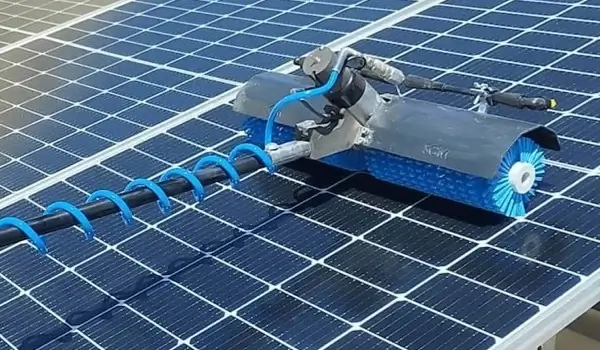
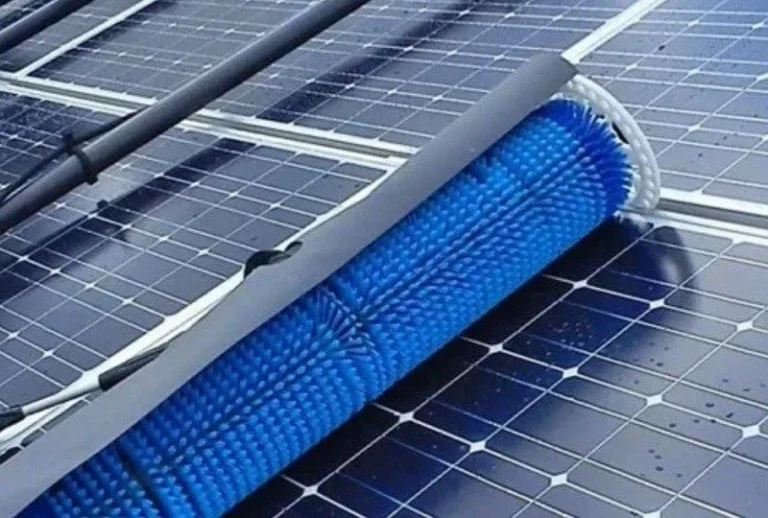
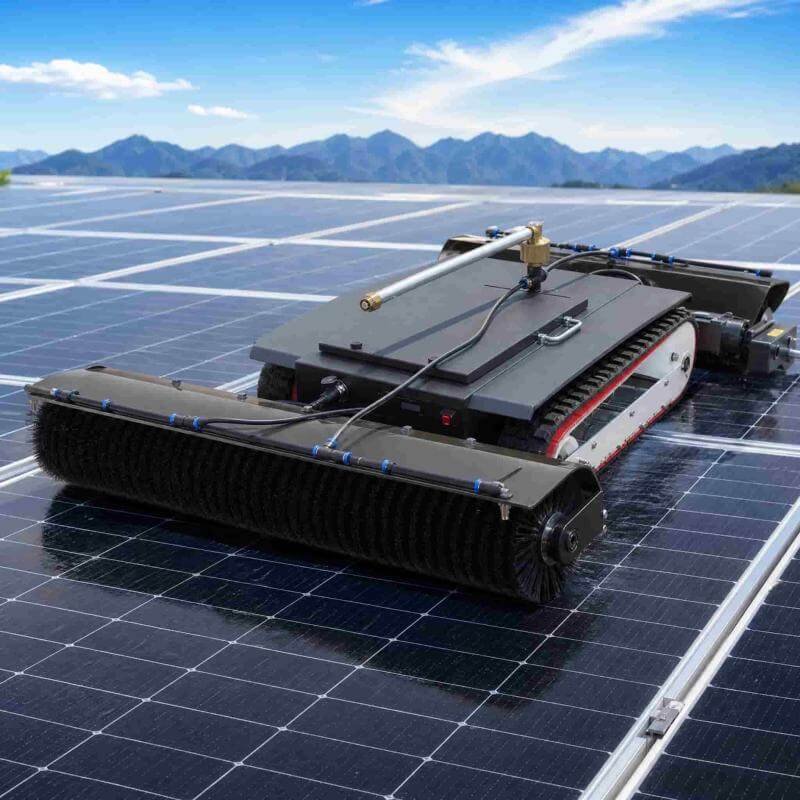
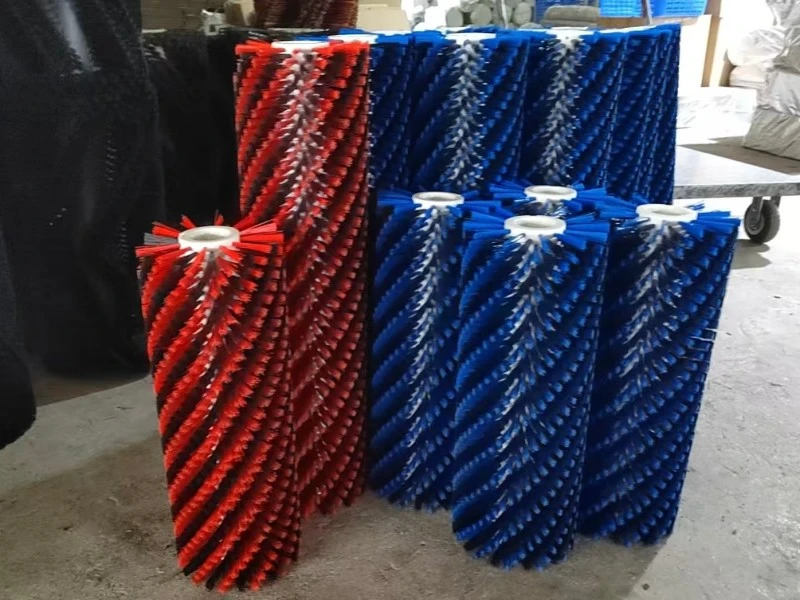
Brush technology represents another area where professional standards diverge from common DIY practices. Professional solar cleaning brushes feature ultra-soft bristles typically made from polypropylene, nylon, or specialized synthetic materials with tip diameters of 0.1-0.3 mm. These bristles are specifically engineered to provide effective cleaning action without scratching delicate surfaces. The brushes mount on lightweight carbon fiber or aluminum extension poles that allow technicians to clean ground-mounted arrays or second-story installations without climbing on roofs. Many professional systems incorporate water-fed brush designs that deliver cleaning solution directly through the brush head, ensuring consistent application and reducing the need for multiple passes across panel surfaces.
Automated Cleaning Systems: The Future of Large-Scale Maintenance
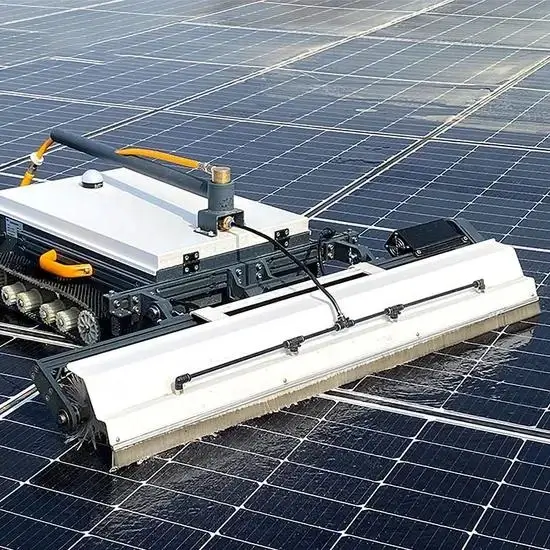
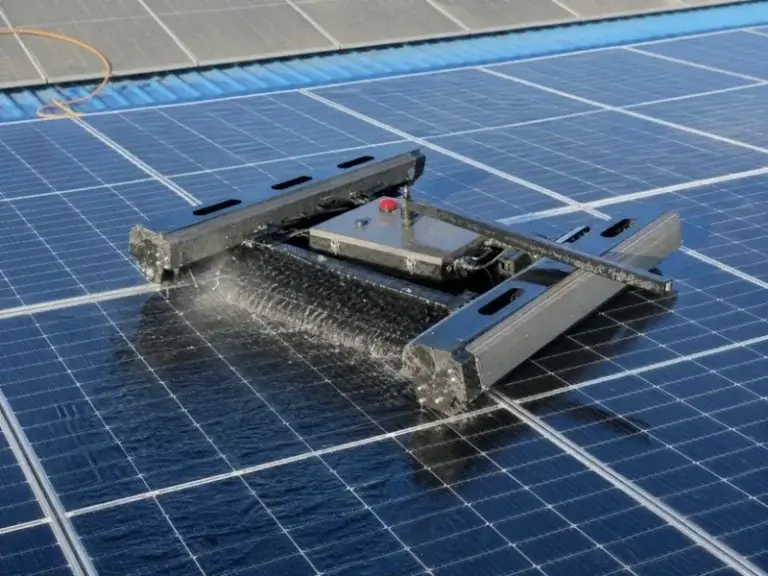
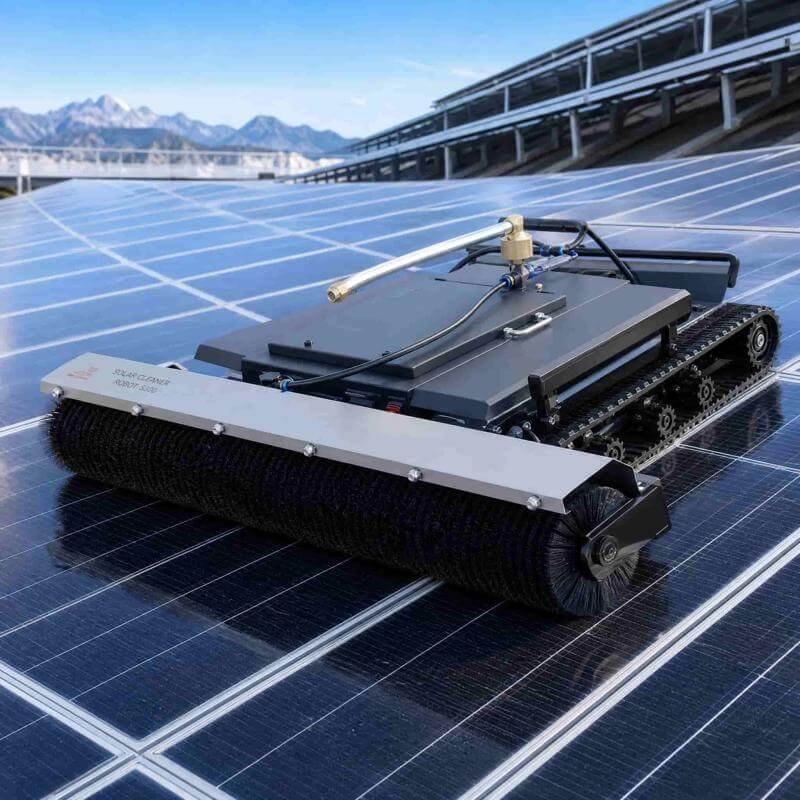
Automated cleaning systems represent the most advanced professional approach, particularly for large commercial or utility-scale installations. These systems range from simple robotic cleaners that traverse panel arrays on tracks to fully autonomous vehicles equipped with computer vision systems that identify and target soiled areas. Automated systems offer several advantages: they eliminate human safety risks associated with rooftop work, provide consistent cleaning pressure and coverage, and can operate during optimal cleaning times (early morning or evening) without scheduling constraints. While automated systems require significant upfront investment ($5,000-50,000 depending on system size), they often prove cost-effective for installations exceeding 100kW due to reduced labor requirements and improved cleaning consistency.
DIY Cleaning Best Practices: Safe Methods for Property Owners
Essential Tools for Safe DIY Cleaning
Property owners can safely clean solar panels using soft microfiber cloths, gentle spray nozzles, extension poles with appropriate attachments, and properly diluted cleaning solutions, following specific timing, technique, and safety protocols to avoid damage.
For residential system owners who choose to perform cleaning themselves, tool selection is the most critical factor in preventing damage. The following equipment represents the minimum safe toolkit for DIY solar panel cleaning:
Soft-bristled brush or microfiber wash mitt with bristle tips no larger than 0.3mm in diameter
Garden hose with a gentle spray nozzle that produces a fan pattern rather than a concentrated jet
Extension pole rated for the required reach with secure locking mechanisms
Bucket for mixing cleaning solution if detergent is necessary for stubborn contaminants
Rubber squeegee with soft blade for streak-free drying (optional but recommended)
Safety equipment, including non-slip shoes, fall protection for rooftop work, and electrical safety gear
Preparing Cleaning Solutions: What to Use and What to Avoid
Preparing cleaning solutions requires careful attention to concentration and composition. For routine cleaning, plain water is often sufficient, particularly if the water supply has low mineral content. When detergents are necessary for stubborn contaminants like bird droppings or tree sap, use only mild, non-abrasive dish soap at a concentration of approximately one teaspoon per gallon of water. Avoid all cleaning products containing ammonia, bleach, alcohol, solvents, or abrasive particles, as these can degrade anti-reflective coatings and leave residues that attract additional dirt. Some manufacturers recommend specific solar panel cleaning solutions that are pH-neutral and formulated to be compatible with panel materials—these products represent the safest option when something stronger than plain water is required.
Timing and Technique: When and How to Clean
Timing and technique significantly influence cleaning effectiveness and safety. Solar panels should only be cleaned during early morning, late evening, or overcast conditions when panel temperatures are cool (below 100°F/38°C). Cleaning hot panels with cold water creates thermal stress that can lead to micro-cracking over time. The cleaning process should follow a specific sequence: first, rinse panels with plain water to remove loose debris; second, apply cleaning solution with a soft brush using gentle, circular motions; third, immediately rinse thoroughly with clean water before the solution dries; fourth, use a squeegee or allow to air dry completely before restoring system power. This sequence prevents abrasive particles from being ground into the surface during cleaning and ensures no cleaning residue remains to attract additional contamination.
Regional Considerations: Adapting Cleaning Strategies to Environmental Conditions
Desert and Arid Regions: Managing Dust and Sand
Desert and arid regions present unique cleaning challenges characterized by fine dust and sand particles that can abrade panel surfaces if improperly removed. In these environments, cleaning frequency typically ranges from every 3-6 months, with more frequent attention needed after dust storms or seasonal wind events. The abrasive nature of desert dust necessitates particular care in cleaning technique—dry brushing should be avoided entirely, as it grinds particles into the glass surface. Instead, panels should be thoroughly rinsed before any physical contact to float dust particles away from the surface. Water quality is especially important in desert regions, as hard water can leave mineral deposits that combine with dust to form cement-like coatings that are difficult to remove without damaging the panel.
Coastal Environments: Addressing Salt Spray and Corrosion
Coastal installations face different challenges from salt spray, high humidity, and occasional storm debris. Salt deposits create a whitish haze on panel surfaces that reduces light transmission and can corrode aluminum frames and mounting hardware if not properly addressed. Cleaning frequency in coastal areas typically ranges from 3-6 months, with increased attention after storm events. The corrosive nature of salt necessitates thorough rinsing with fresh water, as salt crystals can act as abrasives if rubbed across panel surfaces. Some coastal installations benefit from more frequent light rinsing (monthly) to prevent salt accumulation, reducing the need for intensive cleaning sessions. Special attention should be paid to electrical connections and junction boxes in coastal environments, as salt-induced corrosion can cause electrical failures beyond simple efficiency reductions.
Agricultural and Rural Areas: Managing Organic Contaminants
Agricultural and rural regions contend with organic contaminants, including pollen, bird droppings, and crop residues. These materials often create sticky films that require detergent solutions for complete removal. Cleaning frequency in agricultural areas typically follows seasonal patterns, with increased attention during spring pollination periods and harvest seasons when airborne particulates are highest. Bird droppings present a particular concern as they contain uric acid that can etch glass surfaces if left for extended periods. In these environments, prompt spot cleaning of droppings (within 1-2 weeks) prevents permanent damage and reduces the need for full-system cleaning.
| Region Type | Primary Contaminants | Recommended Frequency | Special Considerations |
| Desert/Arid | Fine dust, sand | Every 3-6 months | Avoid dry brushing, prioritize pre-rinsing |
| Coastal | Salt spray, humidity | Every 3-6 months | Prevent salt corrosion, frequent light rinsing |
| Agricultural | Pollen, bird droppings | Every 6-12 months | Seasonal patterns prompt droppings removal |
| Urban/Industrial | Soot, pollution film | Every 6-12 months | Chemical contaminants may require specific cleaners |
| Forested | Leaves, sap, organic debris | Seasonal (spring/fall) | To prevent organic staining, consider protective coatings |
Optimizing Cleaning Frequency for Maximum ROI
The Economic Principle: Clean When Benefits Exceed Costs
Effective solar panel maintenance scheduling balances cleaning costs against energy recovery benefits, with optimal frequency determined by local environmental conditions, system monitoring data, and performance degradation thresholds rather than fixed time intervals.
The fundamental principle of solar panel maintenance scheduling is that cleaning should occur when the economic benefit (recovered energy production) exceeds the cleaning cost. This break-even point varies based on system size, electricity rates, cleaning costs, and local soiling rates. For most residential systems, cleaning becomes economically justified when energy production drops by approximately 5-10% due to soiling. Commercial and utility-scale systems with lower per-watt cleaning costs may justify intervention at 3-5% production losses. Modern monitoring systems that track daily energy production make it increasingly practical to identify these thresholds through data analysis rather than visual inspection alone.
Environmental Monitoring: Predicting Soiling Patterns
Environmental monitoring provides valuable inputs for predictive maintenance scheduling. Many regions experience seasonal patterns in soiling rates—spring pollen, summer dust, fall leaves, winter precipitation—that create predictable cleaning needs. By analyzing historical production data alongside weather patterns, system owners can develop seasonally adjusted cleaning schedules that address contamination before it causes significant efficiency losses. Some advanced monitoring systems incorporate soiling sensors that directly measure light transmission through small reference cells, providing real-time data on contamination levels and enabling truly optimized cleaning timing. While these sensors represent additional investment ($200-500 per system), they often pay for themselves through reduced unnecessary cleanings and maximized energy recovery.
Performance Degradation Thresholds: Identifying When Cleaning Is Needed
Performance degradation thresholds offer another scheduling approach. Most solar panels experience a gradual efficiency reduction of approximately 0.5-0.8% annually due to normal aging processes. When monitored production drops significantly below this expected degradation curve, soiling is often the culprit. By establishing baseline production expectations and monitoring deviations, system owners can identify when cleaning is needed to restore panels to their age-appropriate performance level. This approach is particularly valuable for systems with performance warranties, as it helps distinguish between normal degradation (covered by warranty) and soiling-related losses (addressed through maintenance).
Decision Framework for Scheduling Cleaning
The following decision framework illustrates how to integrate these considerations:
- Monitor daily energy production and compare it to expected values based on weather conditions
- Calculate efficiency losses attributable to soiling (total loss minus expected aging)
- Estimate the economic value of recovered production at current electricity rates
- Compare recovery value to cleaning costs (DIY or professional)
- Schedule cleaning when the recovery value exceeds the cleaning cost by a comfortable margin
- Document results to refine future scheduling decisions
Future Innovations in Solar Panel Maintenance
Advanced solar panel maintenance technologies, including hydrophobic nanocoatings, automated cleaning robots, integrated cleaning systems, and self-cleaning panel designs, are transforming maintenance approaches and reducing reliance on manual cleaning methods.
Hydrophobic and superhydrophobic nanocoatings represent one of the most promising developments in solar panel maintenance technology. These coatings modify surface energy at the nanoscale, causing water to form nearly spherical beads with contact angles exceeding 150 degrees. When these beads roll off inclined panel surfaces, they carry away dust and contaminants through mechanical action. Advanced formulations incorporate photocatalytic materials that break down organic contaminants when exposed to sunlight, and some include hydrophilic patterns that create controlled water flow paths for more effective cleaning. While early hydrophobic coatings suffered from durability issues, modern formulations maintain effectiveness for 3-5 years before requiring reapplication, significantly reducing cleaning frequency and costs.
Automated cleaning systems continue to evolve beyond simple robotic cleaners. The latest generation incorporates artificial intelligence and computer vision systems that identify soiled areas, classify contaminant types, and adjust cleaning parameters accordingly. Some systems utilize drones equipped with soft brushes and purified water reservoirs to clean large arrays without physical contact with panel surfaces. Other innovations include trackless robots that use vacuum adhesion or magnetic systems to traverse vertical or overhead panel installations. These systems are particularly valuable for large commercial and utility-scale installations where manual cleaning represents significant labor costs and safety risks. As automation technology advances and costs decrease, these systems are becoming increasingly accessible to medium-scale commercial installations.
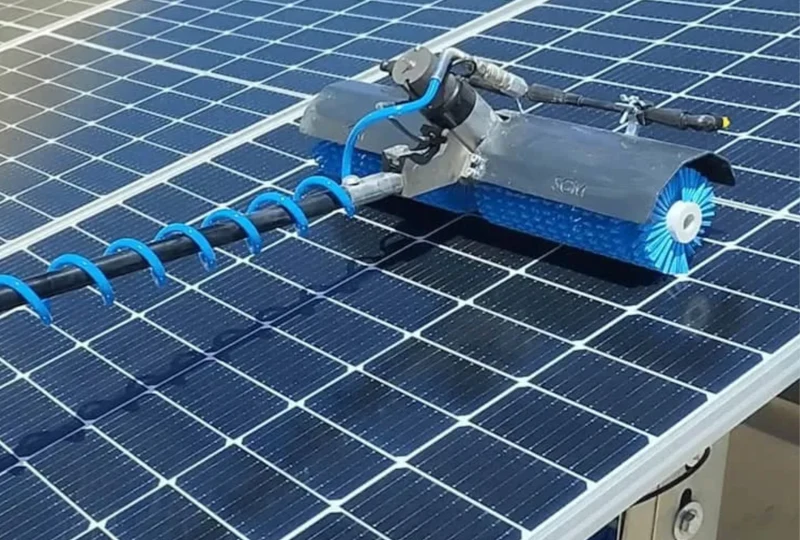
Integrated cleaning systems built into panel-mounting structures represent another innovative approach. These systems incorporate water distribution networks, brush mechanisms, and sometimes even compressed air systems that clean panels on programmed schedules or in response to performance monitoring signals. The most advanced versions are fully integrated with building management systems and respond to weather forecasts—for example, scheduling cleaning before predicted rainfall to maximize natural rinsing benefits. While these integrated systems require higher initial investment, they eliminate ongoing labor costs and can be designed to use recycled water or rainwater, addressing water usage concerns in arid regions. As solar installation costs continue to decrease, the relative cost of integrated cleaning systems becomes more competitive, particularly for new construction projects where they can be incorporated during initial design phases.
Self-cleaning panel designs represent the ultimate evolution in maintenance reduction. These panels incorporate micro-textured surfaces that minimize dust adhesion, electrostatic systems that repel charged particles, or even vibrating mechanisms that dislodge accumulated debris. Some experimental designs use electrodynamic screens—transparent electrodes that create traveling electric waves to move dust particles off panel surfaces. While most self-cleaning technologies remain in development or early commercialization stages, they point toward a future where solar panel maintenance becomes increasingly automated and less resource-intensive. As these technologies mature, they will further reduce the operational costs of solar energy systems and improve the economic case for solar adoption across diverse applications and environments.
Conclusion
The Definitive Answer: Wire Brushes Are Never Acceptable
Solar panel cleaning represents a critical maintenance activity that directly impacts system performance, longevity, and financial returns. The question of whether to use wire brushes has a definitive answer: these tools pose unacceptable risks to delicate panel surfaces and should never be employed in solar maintenance. The microscopic scratches, micro-cracks, and edge damage caused by wire brushes reduce light transmission, accelerate future soiling, compromise structural integrity, and often void manufacturer warranties—consequences that far outweigh any perceived cleaning benefits.
Effective Maintenance Requires Knowledge and the Right Tools
Effective solar panel maintenance requires understanding panel construction, selecting appropriate tools, following proper techniques, and scheduling interventions based on economic optimization rather than arbitrary timelines. Professional cleaning services offer expertise and equipment that minimize risks while maximizing results, particularly for complex installations or safety-sensitive situations. For DIY approaches, strict adherence to manufacturer recommendations regarding tools, cleaning solutions, and timing protocols is essential to prevent damage while maintaining system performance.
Emerging Technologies Promise Easier Maintenance Ahead
As solar technology continues to advance, emerging innovations in coatings, automation, and integrated systems promise to reduce maintenance requirements while improving cleaning effectiveness. These developments will further strengthen the economic case for solar energy by reducing operational costs and improving long-term reliability. Until these technologies become ubiquitous, however, responsible solar system owners must prioritize gentle, informed cleaning practices that protect their investments while maximizing clean energy production throughout the system’s operational lifespan.
A Commitment to Protecting Your Solar Investment
The transition from wire brushes to appropriate cleaning tools represents more than a simple equipment change—it reflects a deeper understanding of solar technology and a commitment to preserving the environmental and financial benefits that solar energy systems provide. By adopting proper maintenance practices today, system owners ensure their solar investments continue delivering clean, affordable electricity for decades to come.
FAQ
Q1. Can I use a pressure washer to clean solar panels?
No. Pressure washers create water jets with enough force to damage seals, crack glass, and force moisture into junction boxes. The high pressure can also loosen electrical connections and void manufacturer warranties. Use a garden hose with a gentle spray nozzle instead.
Q2. Is it safe to clean solar panels during the middle of a sunny day?
It is not recommended. Cleaning hot panels with cold water creates thermal shock that can cause micro-cracks. Additionally, water evaporates quickly on hot surfaces, leaving mineral deposits behind. Clean early morning, late evening, or on overcast days.
Q3. Will rain effectively clean my solar panels?
Only partially. Rain rinses loose dust and pollen but cannot remove stubborn bird droppings, sticky sap, or oily pollution films. Moreover, rain often leaves mineral spots on panels, especially in areas with hard water. Regular manual cleaning is still necessary.
Q4. What type of brush should I use for solar panel cleaning?
Use a brush with ultra-soft bristles (polypropylene or nylon) with tip diameters of 0.1- 0.3 mm. The brush should be designed specifically for solar panels with water-fed capability. Never use household brushes, scrub pads, or wire brushes, as they will scratch the surface.