In modern food processing facilities, root vegetable handling efficiency directly determines throughput, product quality, and bottom-line profitability. Potato peeling lines are among the most mechanically demanding stages in the production chain, where industrial cleaning brushes must remove tough soil deposits, reach deep crevices, and preserve delicate skin integrity—all while operating at high speeds for thousands of continuous hours. Among the components that make this possible, the nylon roller brush serves as the critical interface between raw produce and finished product—a role it shares across applications for vegetable cleaning brushes, fruit cleaning brushes, and conveyor belt cleaning brushes throughout the food processing sector.
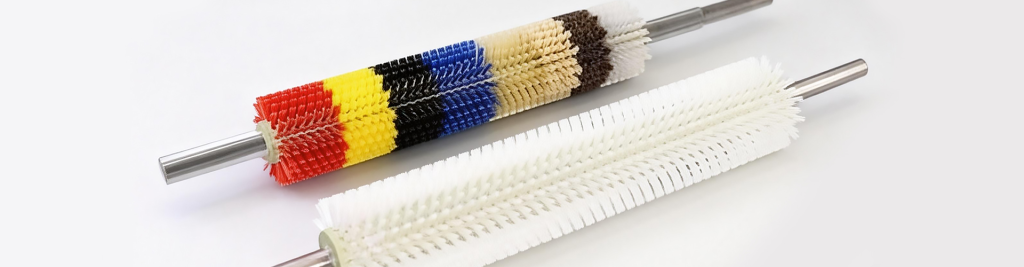
For decades, straight-line bristle configurations dominated industrial cleaning applications. However, processing engineers began observing consistent performance gaps: straight bristles left residue in potato eyes and irregular surface contours, caused excessive peel loss on protruding areas, and required frequent manual repositioning of tubers. These limitations drove the industry toward a fundamentally different geometry—the wave-shaped bristle pattern—which has since redefined what food processing operators can expect from their cleaning equipment.
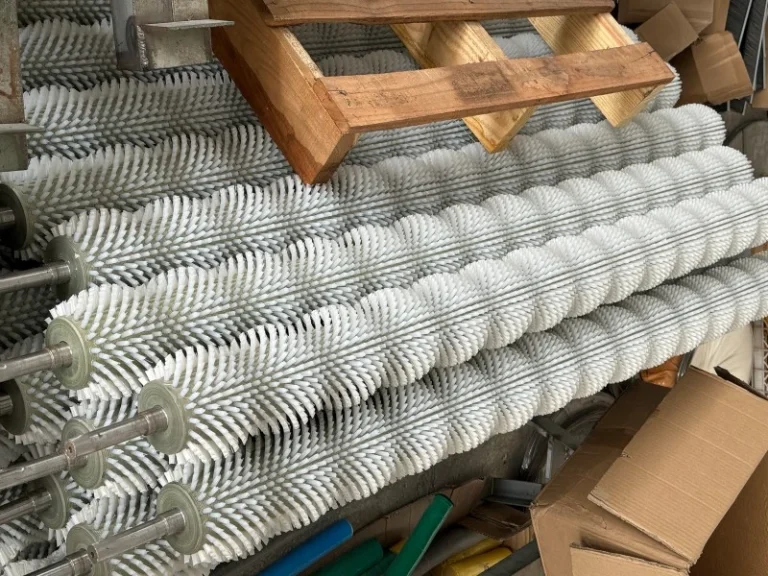
Wave-shaped bristles clean potato peeling machines better because their undulating contact profile creates dynamic, multi-angle scrubbing zones that adapt to each tuber’s unique surface geometry. Unlike straight bristles that contact produce in a uniform planar sweep, wave-pattern bristles alternately compress and release against the potato surface, generating a mechanical spring action that penetrates eyes and crevices while simultaneously rotating the product for complete 360-degree coverage—all without increasing skin damage or requiring additional labor.
Understanding why wave geometry delivers this advantage requires examining the physics of bristle-to-produce interaction, the material science behind nylon filament performance, and the operational economics that make wave-shaped brushes the preferred choice in high-volume vegetable and fruit processing environments. Whether the application is a dedicated vegetable cleaning brush for root crop lines, a fruit cleaning brush for citrus or pome fruit washing, or a conveyor belt cleaning brush maintaining hygiene across transport surfaces, wave-pattern technology delivers measurable improvements across all cleaning contact scenarios. This article examines each factor in detail, providing a technical reference for operations managers, maintenance engineers, and procurement professionals evaluating their next nylon roller brush investment.
What Makes Wave-Shaped Bristles Fundamentally Different from Straight Bristles
Straight bristles deliver uniform contact pressure across a flat plane, while wave-shaped bristles vary in height along the roller circumference, creating alternating high-pressure and low-pressure zones that mimic the scrubbing action of manual hand washing across complex produce geometries.
A conventional straight-bristle roller brush presents a smooth, cylindrical contact surface to the product. Every filament is trimmed to an identical length, and when the roller rotates against a potato, the contact interface is essentially a line of uniform pressure. This geometry works adequately for smooth, regularly shaped produce such as apples or oranges, where the surface presents few dramatic contour changes. However, potatoes—with their characteristic eyes, lenticels, growth cracks, and irregular oblong shapes—demand a more adaptive cleaning approach.
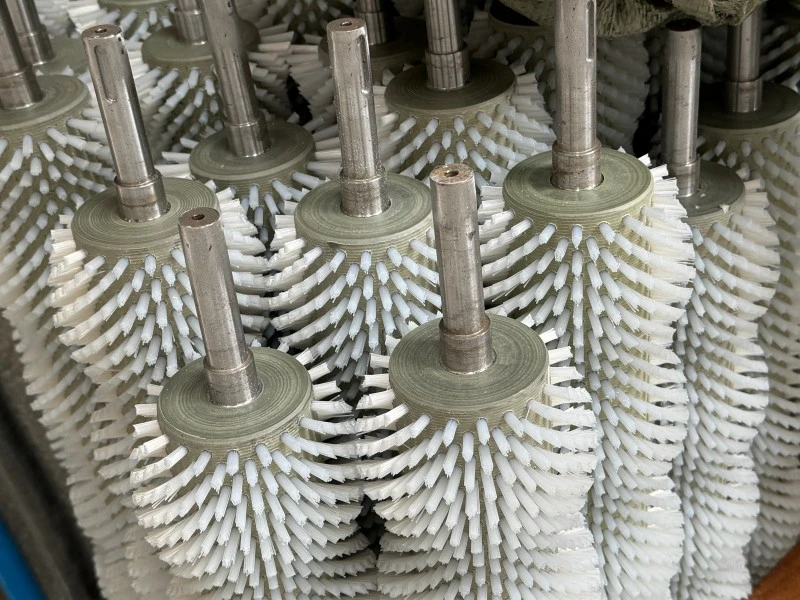
Wave-shaped bristles address this limitation by intentionally varying their height. In a typical wave configuration, bristle trim lengths alternate between longer peaks and shorter troughs along the roller’s circumference, often arranged in a sinusoidal pattern when viewed in cross-section. This geometry produces three distinct mechanical behaviors that straight bristles cannot replicate. First, the longer bristles reach deeper into surface depressions, dislodging soil trapped in potato eyes that straight-line filaments simply glide over. Second, as the roller rotates, the alternating long-short-long contact pattern creates a pulsating scrubbing force—compressing bristles store mechanical energy on contact, then release it as they spring back to their original position, producing a propulsion effect that naturally tumbles and reorients the potato. Third, the varying bristle heights prevent the formation of a continuous “wall” of filament contact that can trap debris against the produce surface; instead, the troughs between wave peaks allow water, loosened soil, and peel fragments to flush away, keeping the cleaning interface continuously refreshed.
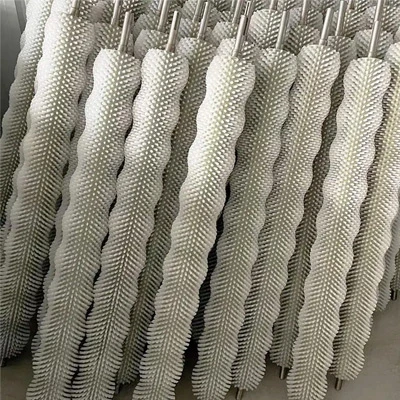
Table 1 below summarizes the key mechanical differences between the two bristle geometries.
| Feature | Straight Bristles | Wave-Shaped Bristles |
| Contact pattern | Uniform planar sweep | Dynamic multi-angle zones |
| Crevice penetration | Limited; skims over depressions | Deep; bristles reach into eyes and cracks |
| Product rotation | Requires manual repositioning | Automatic tumbling via bristle spring-back |
| Debris evacuation | Can trap soil against produce | Continuous flushing through wave troughs |
| Surface adaptability | Best for smooth, regular shapes | Excels on irregular, dimpled surfaces |
How Wave-Pattern Architecture Improves Cleaning Coverage on Irregular Potato Surfaces
Eliminating “Shadow Zones” on Irregular Surfaces
The wave-pattern architecture achieves near-complete surface coverage because bristles of varying heights create overlapping cleaning trajectories—when a shorter bristle misses a depression, the adjacent longer bristle reaches it on the next rotation, eliminating the “shadow zones” that straight bristles leave behind on irregular produce.
Potatoes present some of the most challenging cleaning geometries in food processing. Unlike mechanically uniform products such as carrots or cucumbers, each potato entering a processing line carries a unique combination of eyes (typically 8-12 per tuber), surface ridges, growth cracks, and adhesion zones where soil particles bond tightly to the skin. Straight-bristle rollers, which maintain constant bristle height, contact only the highest-elevation points on the potato surface. The recessed areas—precisely where soil and debris accumulate most stubbornly—fall into what engineers call “shadow zones”: regions that the bristle tips never physically reach because the surrounding elevated terrain blocks access.
Staggered-Depth Engagement: How Wave Bristles Reach Every Contour
Wave-shaped bristles solve this coverage problem through what can be described as staggered-depth engagement. Consider a single potato passing through a roller system. As the roller rotates, the potato encounters alternating long and short bristle segments. The longer bristles, extending further from the core, flex into eyes and crevices that the shorter bristles cannot contact. Simultaneously, the shorter bristles provide concentrated scrubbing pressure on the raised surface areas, removing surface-level debris and polishing the skin. Because the potato tumbles and reorients continuously—driven by the spring-back propulsion of the wave pattern—every surface point eventually passes through both the long-bristle and short-bristle contact zones. This staggered mechanism ensures that no surface feature goes uncleaned, regardless of the tuber’s shape or orientation.
Practical Benefits for Mixed-Size and Mixed-Product Lines
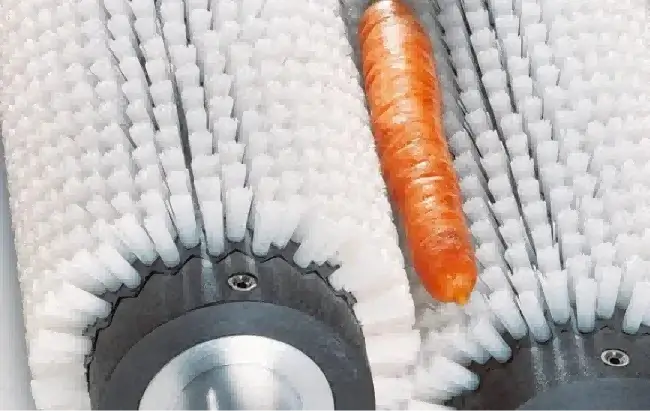
The practical implications for processing line operators are significant. In operations where a nylon roller brush must handle mixed-size batches—common in facilities processing multiple potato varieties or switching between potato and carrot lines—the wave pattern’s adaptive coverage maintains consistent results without requiring bristle density or trim length adjustments between runs. The same wave-geometry roller that effectively cleans large Russet potatoes will also handle smaller red potatoes or irregularly shaped sweet potatoes, because the variable-height bristles naturally conform to whatever surface profile they encounter. This versatility makes the wave-shaped design equally effective whether deployed as a vegetable cleaning brush on root crop lines, a fruit cleaning brush on citrus washers, or a conveyor belt cleaning brush maintaining belt hygiene in continuous processing systems.
Nylon: The Preferred Material for Food-Grade Roller Brushes
Why Nylon Dominates Food-Grade Brush Manufacturing
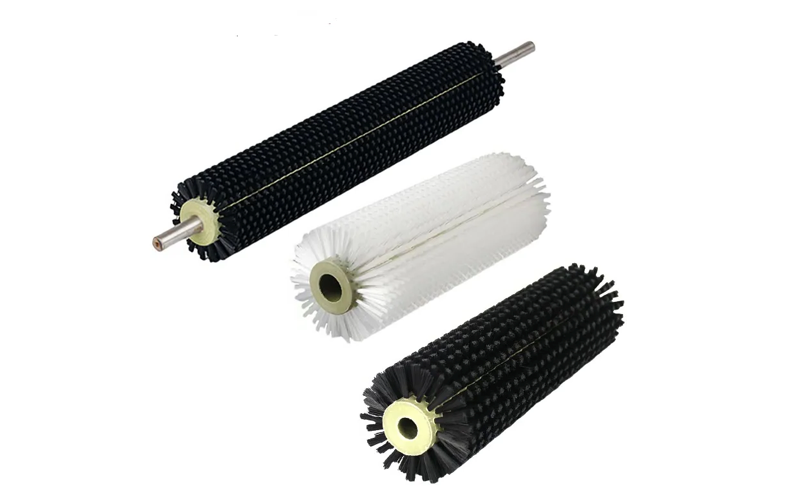
Nylon (polyamide) dominates food-grade roller brush manufacturing because it uniquely combines FDA-compliant food safety certification, high abrasion resistance for extended service life, excellent elastic recovery for wave-pattern spring action, and resistance to water, chemicals, and temperature fluctuations common in washdown environments.
While the bristle geometry determines how a brush contact is produced, the material determines how long that contact remains effective and whether it meets regulatory standards. Among available filament materials—including polypropylene, polyester, natural fibers like Tampico, and abrasive-impregnated variants—nylon consistently emerges as the optimal choice for potato and vegetable processing applications. The reasons span mechanical performance, regulatory compliance, and operational economics.
Nylon Grades: Nylon 6 vs. Nylon 6/12
Nylon 6 and Nylon 6/12 are the two most common grades used in food processing and nylon roller brush manufacturing. Nylon 6 offers a balanced profile of medium stiffness and good abrasion resistance at an economical price point, making it suitable for general washing and light peeling operations. Nylon 6/12 provides enhanced stiffness and superior abrasion resistance—critical attributes for abrasive peeling applications where bristles endure continuous friction against both produce surfaces and abrasive peeling rollers. Both grades carry FDA compliance for direct food contact, a non-negotiable requirement in commercial food processing facilities subject to HACCP and FSMA regulations. These same material standards apply whether the brush is deployed as a vegetable cleaning brush, a fruit cleaning brush, or a conveyor belt cleaning brush, ensuring consistent food safety across all processing touchpoints.
Elastic Recovery: The “Shape Memory” Advantage
The elastic recovery property of nylon deserves particular attention in the context of wave-shaped bristle design. When a nylon filament bends under load and then returns to its original shape, it does so with an efficiency that polypropylene and natural fibers cannot match. This “shape memory” characteristic is what makes the wave-pattern spring action possible: nylon bristles reliably compress when pressing into a potato eye, store that mechanical energy, and release it as they exit the contact zone. Over millions of compression cycles—equivalent to a single roller’s shift in a high-volume processing line—nylon maintains this elastic behavior with minimal permanent deformation, whereas lower-grade materials gradually lose their spring and take on a permanently bent “set” that degrades cleaning performance.
The table below compares common bristle materials against key selection criteria for potato peeling applications.
| Material | Stiffness | Abrasion Resistance | Elastic Recovery | FDA Food Contact | Best Application |
| Nylon 6 | Medium | Good | Excellent | Yes | General washing, light peeling |
| Nylon 6/12 | Medium-High | Excellent | Excellent | Yes | Abrasive peeling, heavy soil loads |
| Polypropylene | Low-Medium | Moderate | Fair | Yes | Delicate produce, light cleaning |
| Natural Tampico | Low | Moderate | Poor | Food Safe | Polishing, finishing only |
| Abrasive Nylon | High | Superior | Good | Yes | Heavy peeling, thick-skinned produce |
Reducing Product Damage and Waste Through Optimized Bristle Design
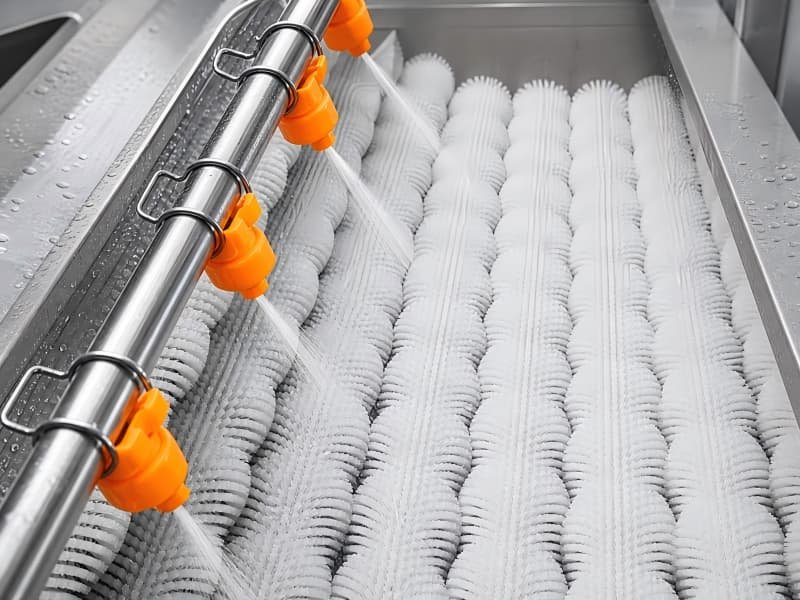
The Economic Cost of Product Damage in Potato Processing
Product damage in potato processing carries direct economic consequences. Excessive peel loss reduces saleable yield—every millimeter of unnecessary tissue removal translates to measurable weight loss across thousands of kilograms of daily throughput. Surface gouging, bruising, and abrasion marks degrade visual quality, pushing product into lower-value processed grades. In severe cases, damaged tubers become entry points for bacterial spoilage, shortening shelf life and increasing downstream rejection rates.
How Straight Bristles Cause Uneven Abrasion
The damage mechanism differs between bristle geometries. Straight bristles, with their uniform-height contact plane, apply consistent pressure across the entire potato surface throughout each roller rotation. Raised surface features—the natural ridges and protrusions on every potato—absorb disproportionately high force because they extend further into the bristle field, effectively bearing the full compressive load that the surrounding, recessed areas escape. Over successive roller passes, these high points experience cumulative abrasion well beyond what is needed for cleaning, resulting in unnecessary tissue removal.
How Wave-Shaped Bristles Reduce Peel Loss
Wave-shaped bristles mitigate this by varying the contact intensity across the roller surface. As the potato passes through alternating long and short bristle zones, no single surface point endures sustained high-pressure contact. Long bristles, which carry the cleaning load for deep depressions, flex more on contact with raised areas—absorbing impact energy rather than transmitting it to the tuber. Short bristles, which scrub the raised surfaces, apply that scrubbing force only intermittently as the potato tumbles through the wave pattern, rather than continuously throughout the entire dwell time. The net result is effective soil removal with measurably lower peel loss.
Versatility Across Produce Types and Processing Lines
This damage-reduction characteristic also extends the applicability of wave-shaped brushes beyond potatoes. When processing lines switch to softer produce such as carrots, zucchini, or delicate fruits, the same roller design principles minimize bruising while maintaining cleaning efficacy. Whether installed as a vegetable cleaning brush on carrot and parsnip lines, a fruit cleaning brush on apple and pear washers, or a conveyor belt cleaning brush removing debris from transfer belts, wave-geometry rollers consistently outperform their straight-bristle counterparts in produce protection metrics. This versatility is one reason that the industrial cleaning sector increasingly favors wave-geometry configurations across product types, from root vegetables to citrus fruits.
Operational ROI: Extended Equipment Lifespan and Reduced Maintenance Costs
Reduced Bristle Fatigue and Extended Service Life
Wave-shaped nylon roller brushes deliver superior return on investment through three simultaneous mechanisms: reduced bristle fatigue that extends service intervals, lower motor load from optimized contact dynamics, and decreased labor costs from eliminating manual product repositioning on the processing line.
Processing facility managers evaluate equipment purchases through the lens of total cost of ownership, not just the upfront price. In this framework, wave-shaped brushes demonstrate compelling economics across multiple cost categories.
Bristle fatigue represents the primary failure mode for roller brushes in abrasive applications. Under constant cyclic loading—bending, compressing, and releasing millions of times per shift—individual filaments eventually lose elastic recovery, develop permanent set, or fracture at the base. Straight bristles, which all bear identical loads at identical angles, fatigue uniformly. This means the entire brush surface degrades simultaneously, forcing complete roller replacement when a critical percentage of bristles fail. Wave-shaped bristles distribute fatigue unevenly. Longer bristles experience greater bending displacement but lower stress concentration because they flex over a larger radius; shorter bristles experience less displacement overall. This staggered fatigue profile means that even as some bristle segments begin to show wear, others continue performing at near-peak efficiency, extending the functional service life of the entire roller assembly.
Lower Motor Load and Energy Savings
From an energy efficiency standpoint, wave-shaped brushes reduce the torque required to rotate against produce. Straight bristles create a continuous frictional drag—every bristle contacts the potato at every moment of roller rotation, building up a steady-state resistance that the drive motor must overcome. Wave-shaped bristles alternate contact, creating momentary gaps where friction drops to near zero between wave peaks. This intermittent loading reduces average motor current draw, contributing to measurable energy savings over thousands of operating hours.
Decreased Labor Costs Through Self-Tumbling Action
A third cost advantage comes from reduced labor. Straight-bristle systems often require operators to manually reposition potatoes that become lodged or oriented sub-optimally—an ongoing labor drain that also introduces ergonomic risks from repetitive motion. The self-tumbling action of wave-shaped brushes largely eliminates this requirement. Products rotate naturally through the wave pattern’s propulsion effect, presenting all surfaces to the cleaning interface without human intervention. For a conveyor belt cleaning brush application where rollers operate in sequence along a processing line, this self-orienting behavior compounds across multiple stages, delivering multiplicative labor savings. The same labor-efficiency principle applies whether the system is configured as a standalone vegetable cleaning brush station or integrated as part of a multi-stage fruit cleaning brush line.
Specifying the Right Wave-Shaped Nylon Roller Brush for Your Processing Line
Four Interdependent Parameters for Optimal Selection
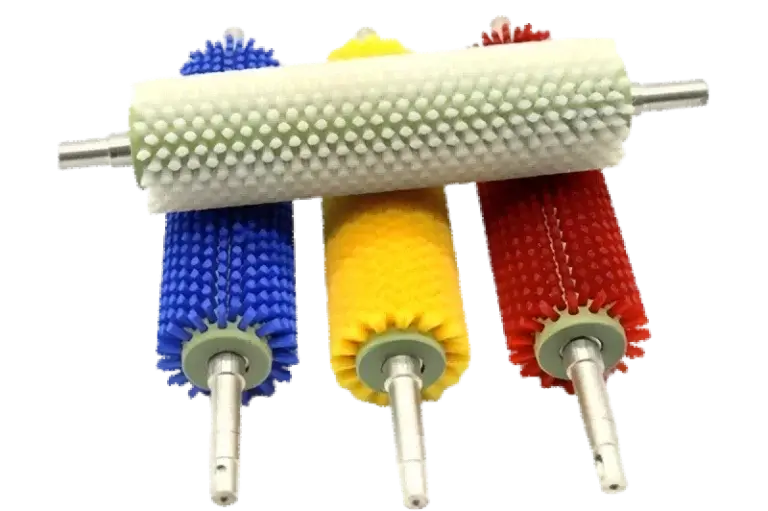
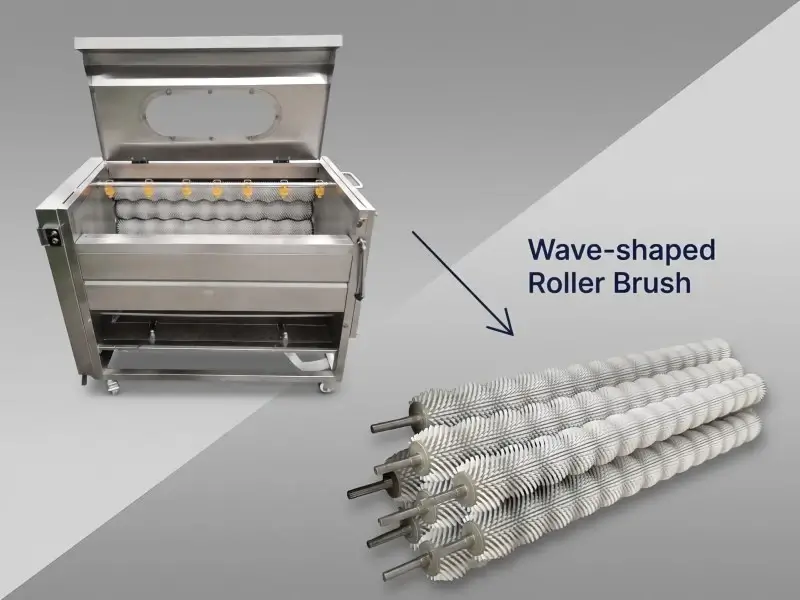
Selecting an optimal wave-shaped nylon roller brush requires specifying four interdependent parameters: bristle material grade, wave amplitude and frequency, core diameter and construction, and overall dimensional compatibility with existing equipment—each chosen based on the specific product type, throughput requirements, and operational environment of the target processing line.
The process of specifying a nylon roller brush for potato peeling operations begins with a thorough assessment of the production environment. Engineers should document the product types being processed (including size range and typical soil load), the line speed and throughput targets, the available mounting dimensions and drive interfaces, and the sanitation protocols that the brush must withstand—including washdown frequency, chemical exposure, and temperature ranges. For operations running both a vegetable cleaning brush line and a fruit cleaning brush line on shared infrastructure, the specification must accommodate the full range of product characteristics to avoid costly dedicated tooling for each product category.
Bristle Material Selection by Application Severity
Bristle material selection follows directly from the application severity. Nylon 6/12 is recommended for abrasive peeling lines operating at high speeds with heavy soil loads, where bristle abrasion resistance directly determines replacement intervals. Nylon 6 offers a cost-effective alternative for washing-only applications or lines processing pre-washed produce. For facilities running multiple product types on shared equipment, the more durable Nylon 612 grade provides insurance against premature failure when the line switches from light-duty vegetables to heavy-duty root crops.
Wave Amplitude: Balancing Crevice Penetration and Throughput
Wave amplitude—the height difference between bristle peaks and troughs—determines the cleaning aggressiveness spectrum. Larger amplitudes (greater peak-to-trough variation) increase crevice penetration depth and tumbling action but may reduce throughput speed because of the more dramatic product reorientation between each wave cycle. Smaller amplitudes provide gentler handling suitable for softer produce or lines where minimal peel loss is the overriding priority. Standard amplitude ranges for potato applications typically fall between 5mm and 15mm, with the specific value tuned to the target tuber size and soil conditions.
Wave Frequency: Cleaning Thoroughness vs. Throughput Speed
The wave frequency—how many peak-to-trough cycles occur per roller revolution—affects cleaning thoroughness versus throughput speed. Higher frequencies create more cleaning cycles per rotation, improving coverage for fast-moving lines but potentially reducing dwell time per cycle. Lower frequencies allow longer contact duration per wave segment, beneficial for stubborn soil types but at the cost of fewer cleaning events per unit time.
Core and Shaft Compatibility with Existing Equipment
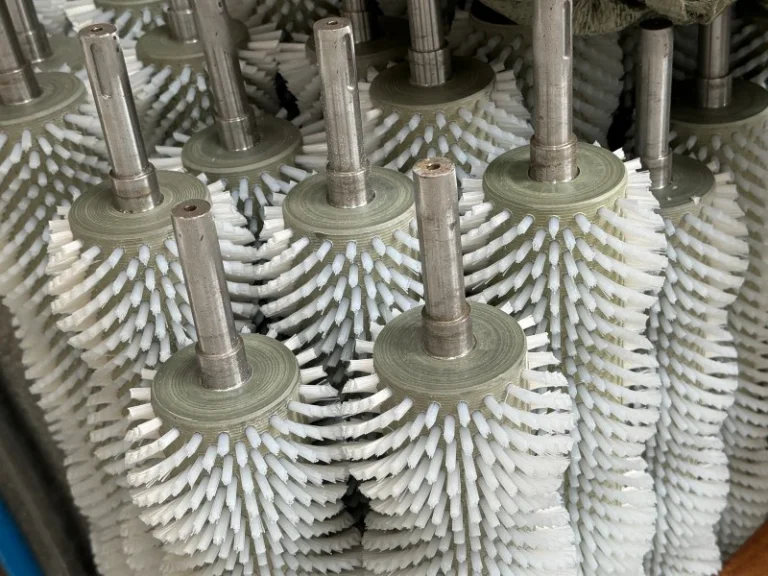
Core and shaft specifications must match the existing equipment infrastructure. Stainless steel cores (304 or 316 grade) provide the corrosion resistance required for wet processing environments, while solid polymer cores offer weight advantages for large-diameter rollers. The shaft diameter, keyway dimensions, and bearing interfaces must be verified against the drive system specifications to ensure drop-in compatibility without modification.
Conclusion
The transition from straight to wave-shaped bristle geometry in potato peeling machines represents a genuine engineering advancement rather than an incremental design variation. The mechanical principles underlying wave-pattern performance—staggered-depth engagement, spring-propulsion tumbling, and pulsating contact pressure—directly address the fundamental challenges that straight bristles could never fully resolve: crevice penetration, 360-degree coverage, and product-safe abrasion control.
For processing facilities evaluating a nylon roller brush upgrade, the decision framework should weigh technical specifications against operational priorities. Where throughput speed is paramount, lower-frequency wave configurations with moderate amplitudes maintain fast product flow while delivering superior coverage to straight-bristle equivalents. Where product quality and minimal peel loss drive the economics, tighter wave frequencies with conservative amplitudes protect yield without sacrificing cleanliness. And where maintenance cost reduction is the primary goal, the extended service life of wave-pattern brushes—achieved through staggered fatigue distribution and nylon’s superior elastic recovery—delivers measurable savings in replacement parts and labor.
The broader applicability of wave-shaped brush technology across the food processing sector continues to expand. What originated as a potato-specific solution now serves as the preferred geometry for vegetable cleaning brush applications spanning root crops, leafy greens, and tuber vegetables; for fruit cleaning brush deployments across citrus, stone fruits, pome fruits, and berries; and for conveyor belt cleaning brush installations maintaining hygiene on transport surfaces throughout processing facilities. As food safety regulations tighten and operational margins face persistent pressure, the engineering advantage of wave-shaped bristles positions the nylon roller brush not merely as an alternative to straight bristles, but as the baseline expectation for modern industrial cleaning performance across the entire produce handling spectrum.
age of wave-shaped bristles positions the nylon roller brush not merely as an alternative to straight bristles, but as the baseline expectation for modern industrial cleaning performance across the entire produce handling spectrum.
FAQ
Q1: Can wave-shaped brushes be used on other root vegetables besides potatoes?
Yes. Wave-shaped nylon roller brushes work effectively on carrots, parsnips, turnips, and beets. The undulating bristle pattern adapts to different surface geometries, making them suitable for mixed vegetable processing lines.
Q2: What is the typical lifespan of a wave-shaped nylon roller brush in commercial potato processing?
Lifespan depends on throughput and soil load. In typical operations running 8-10 hours daily, wave-shaped brushes last 1,500 to 2,500 operating hours — often 2-3 times longer than straight-bristle alternatives under identical conditions.
Q3: Can wave-shaped brushes handle both peeling and washing functions?
Yes. When specified with proper filament material and density, wave-shaped brushes can perform dual functions — removing tough soil while providing gentle peeling action. Nylon 6/12 with medium abrasion resistance works best for combined applications.
Q4: Are wave-shaped brushes compatible with existing potato washing equipment?
Yes. Wave-shaped rollers are designed as drop-in replacements for straight-bristle rollers — standard core diameters and mounting configurations ensure compatibility. Verify shaft diameter and bearing specifications with the manufacturer before ordering.