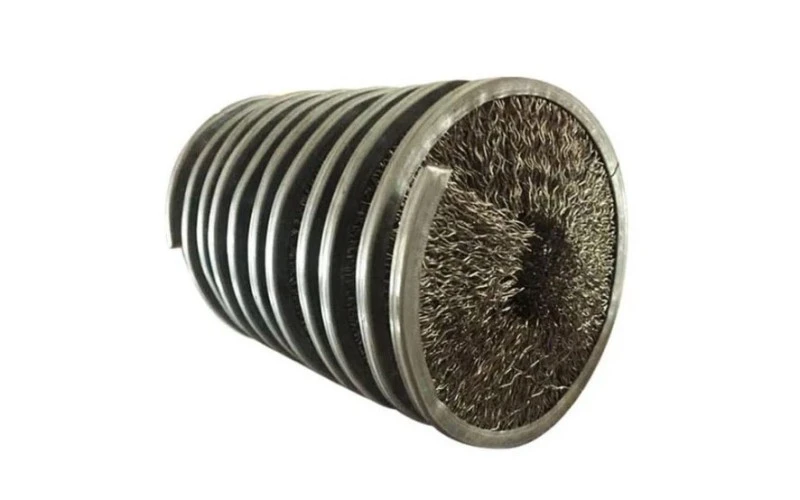
Metal Coil Brush Balance and Vibration: Why It Shortens Bearing Life
Metal coil brush imbalance damages bearings via vibration, fatigue, and brinelling. Learn to detect, correct, and prevent failure.

Metal coil brush imbalance damages bearings via vibration, fatigue, and brinelling. Learn to detect, correct, and prevent failure.
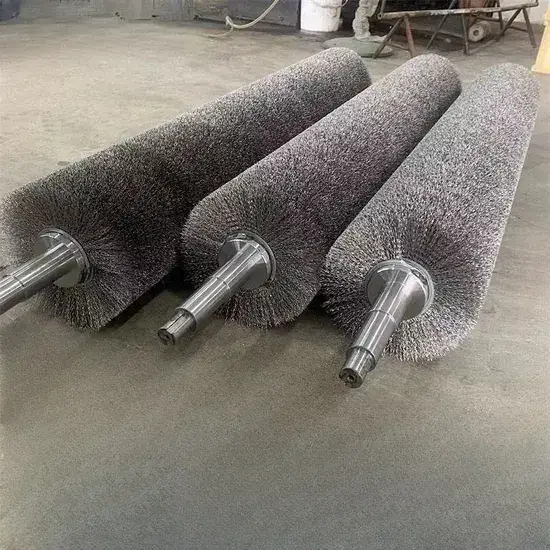
Steel roller brush replacement signs: wire loss >10%, half-length filaments, uneven finish, vibration, cracks. Replace early to protect parts.
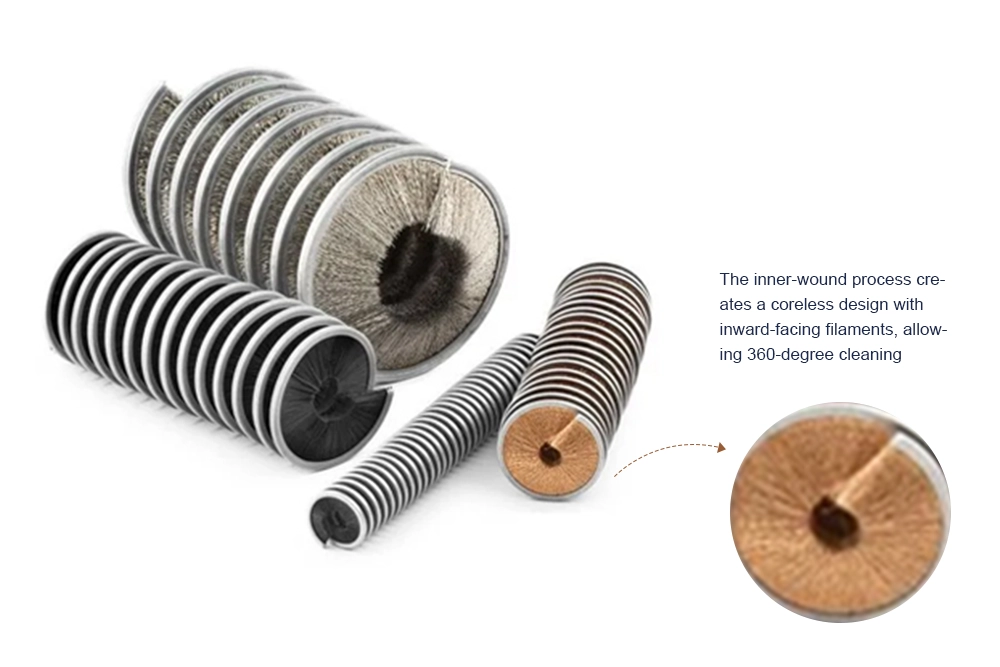
Galvanized for dry indoor use; stainless for wet/salty/chemical. Match coating to environment for best value.
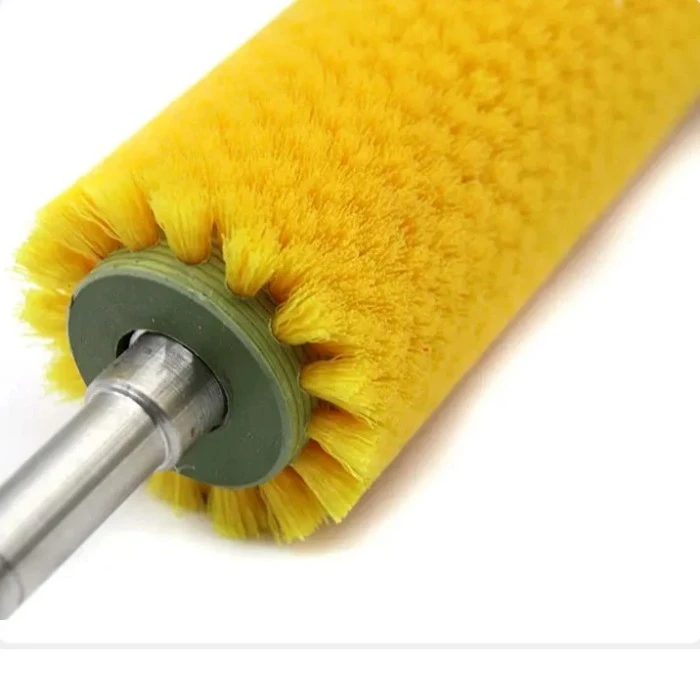
A cylinder cleaning brush removes oil and Steady surface contact, targeted abrasion, and even channel cleaning leave automotive parts cleaner and ready for processing.
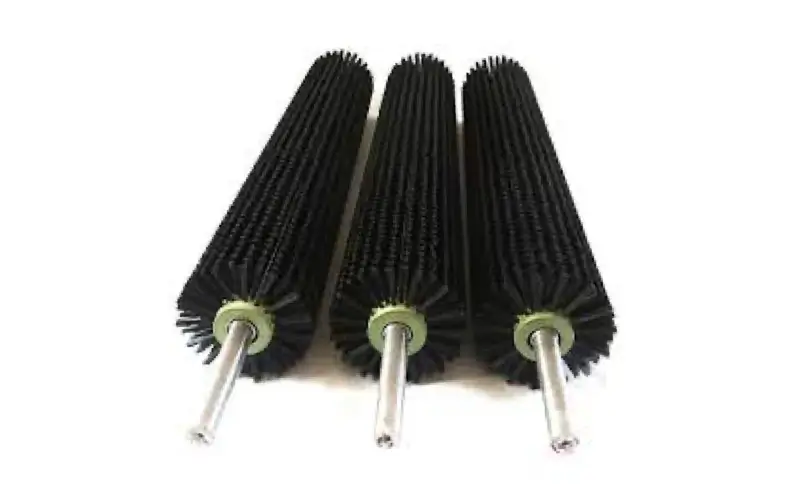
Nylon roller brushes remove glass dust mechanically. PA612 resists water. Diameter, RPM, filament size, and contact depth control cleaning results and brush life.
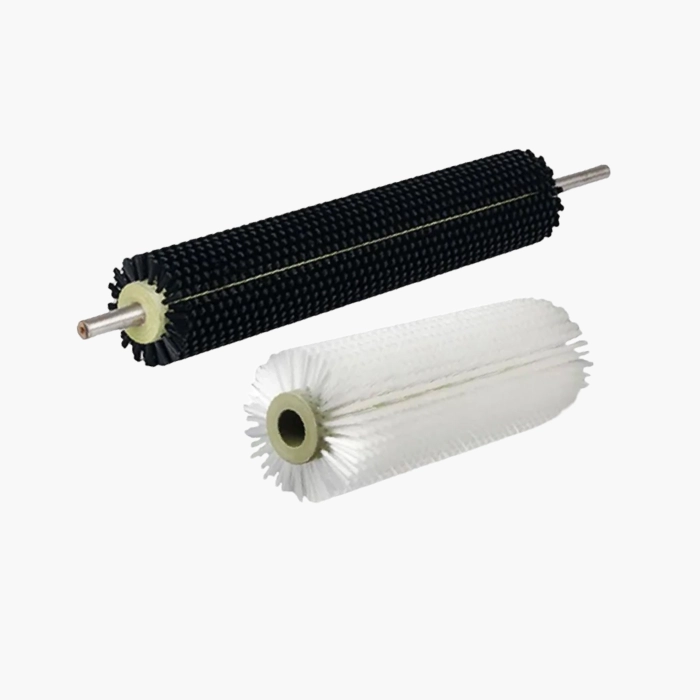
Cylindrical brushes clean fruit and apply wax evenly. Filament, density, and speed determine performance, quality, and shelf life.
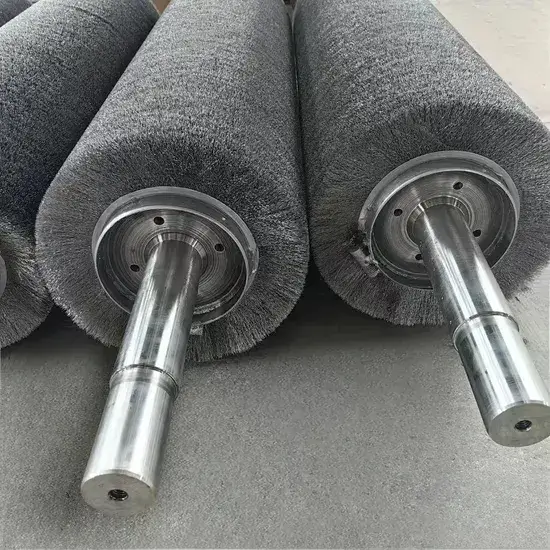
Stop scrapping parts from bad deburring. Match wire material, configuration, and speed for clean, damage-free edges.
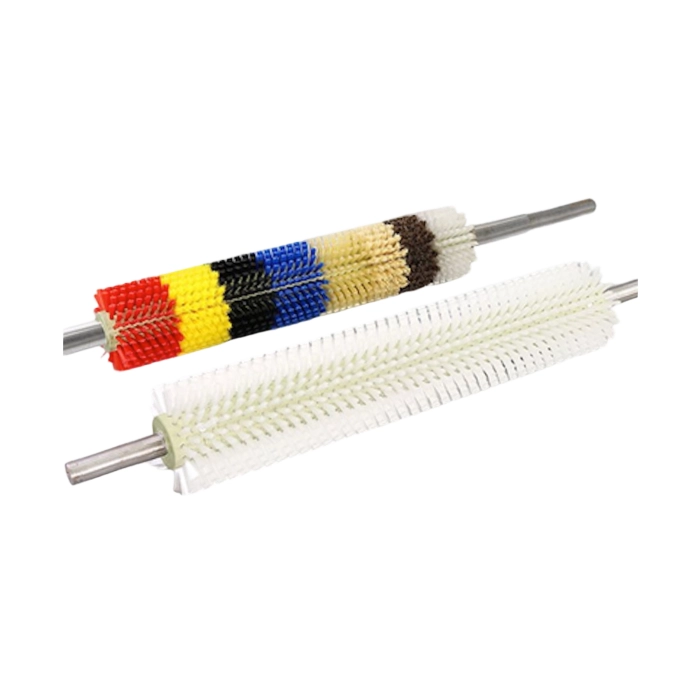
PA612 nylon cylindrical brushes remove tablet dust effectively, resist chemicals, and maintain consistent performance in GMP pharmaceutical production.
Fix uneven bristle contact on cylindrical conveyor brushes. Filament, RPM, alignment, pattern guide.
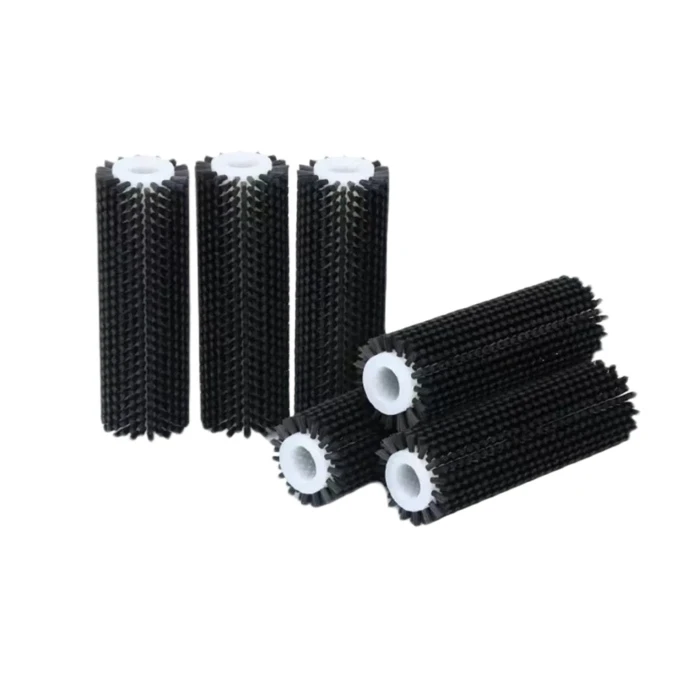
A nylon tufted cylindrical conveyor brush removes carryback scrapers miss. Proper sizing and filament choice reduce spillage and extend belt life across industries.