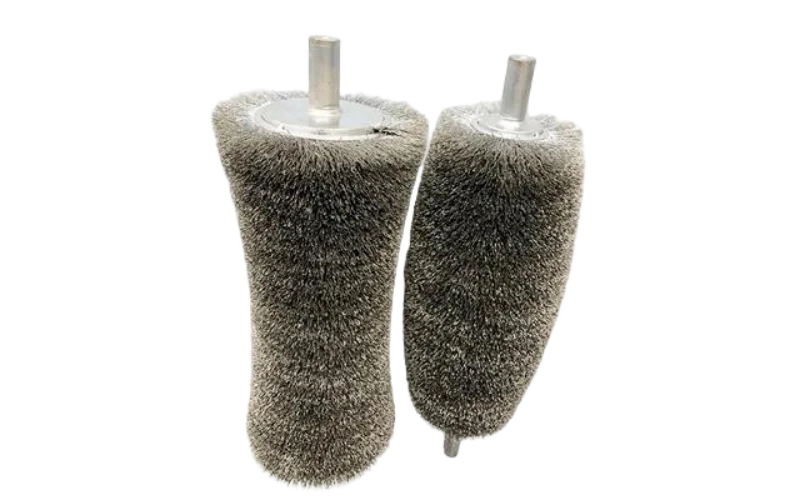
Abrasive Nylon Cylinder Roller

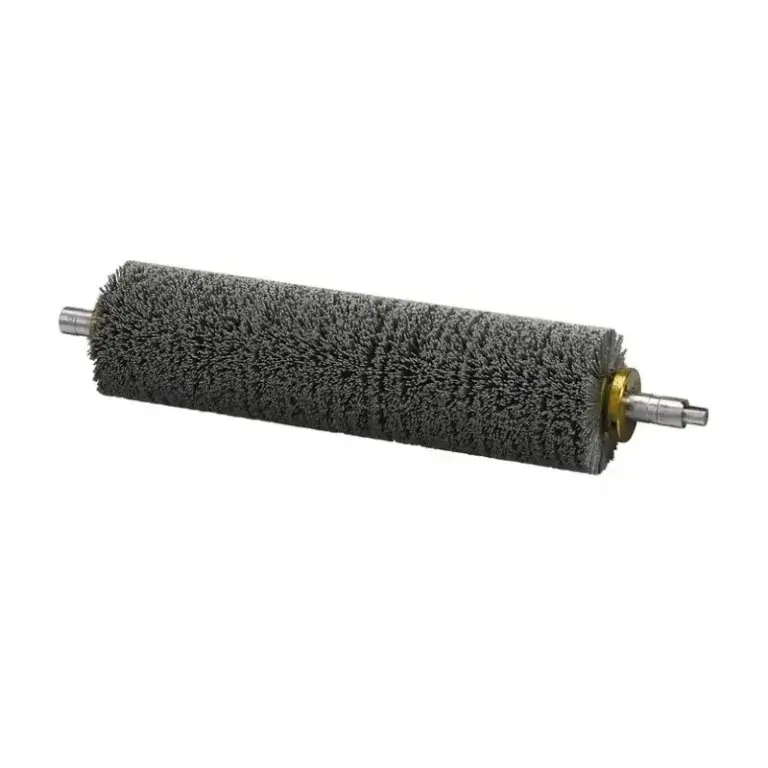
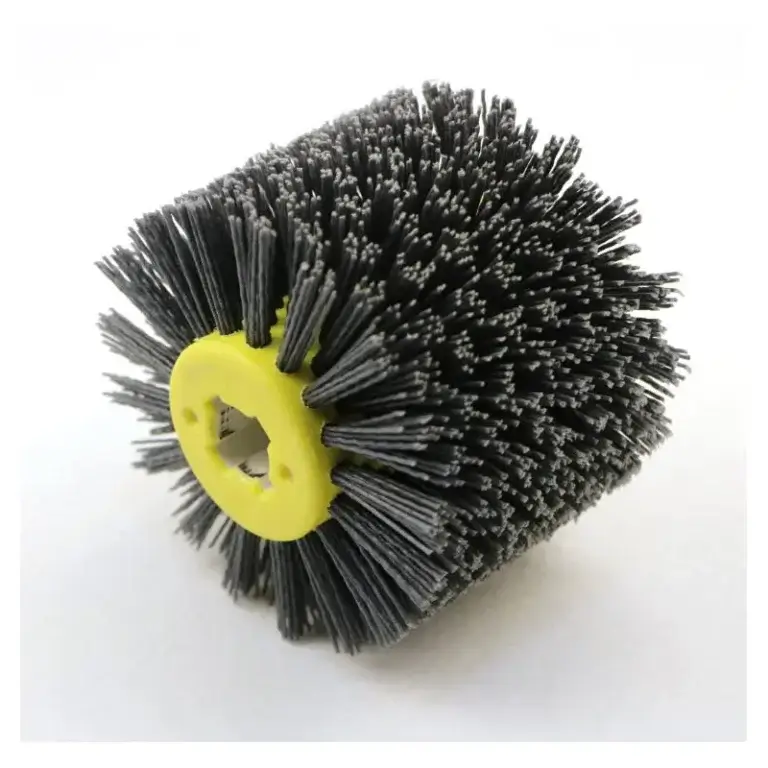
Wire Brush for Sanding Metal — 120 Grit Silicon Carbide Abrasive Nylon Cylinder Roller

Customizable Size & Density

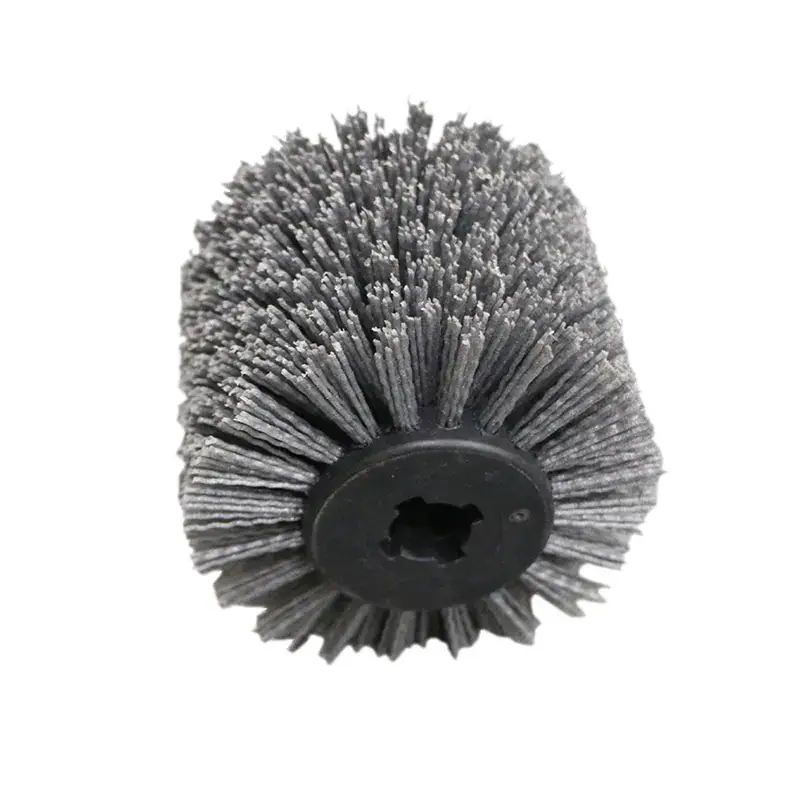
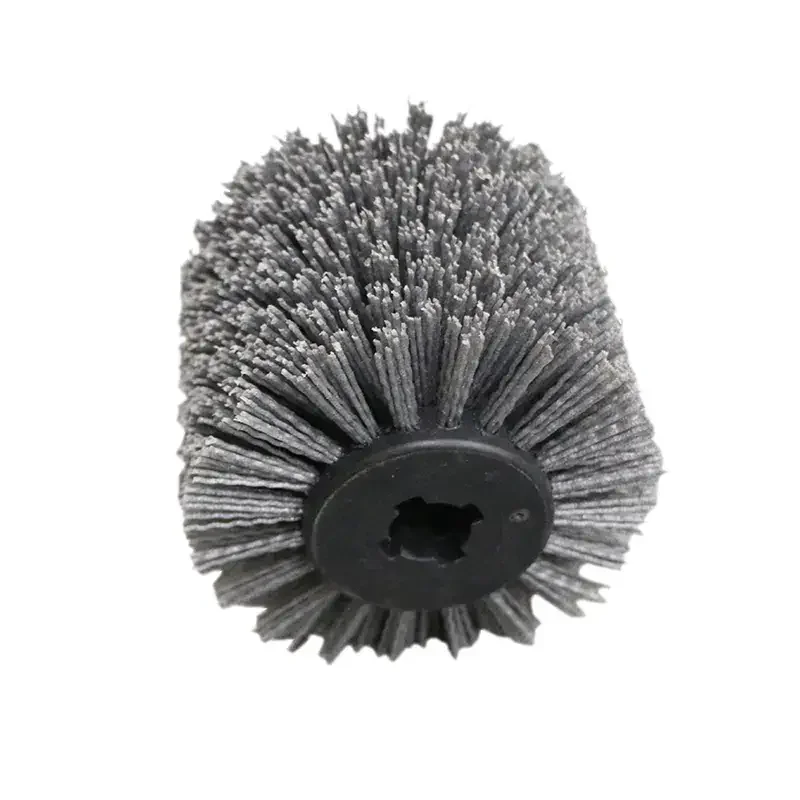
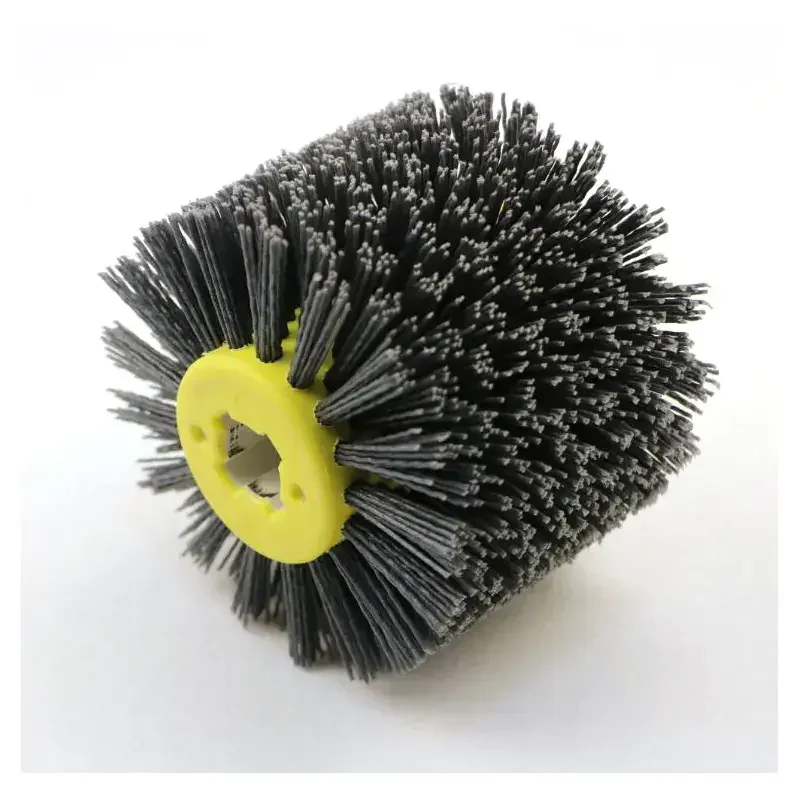
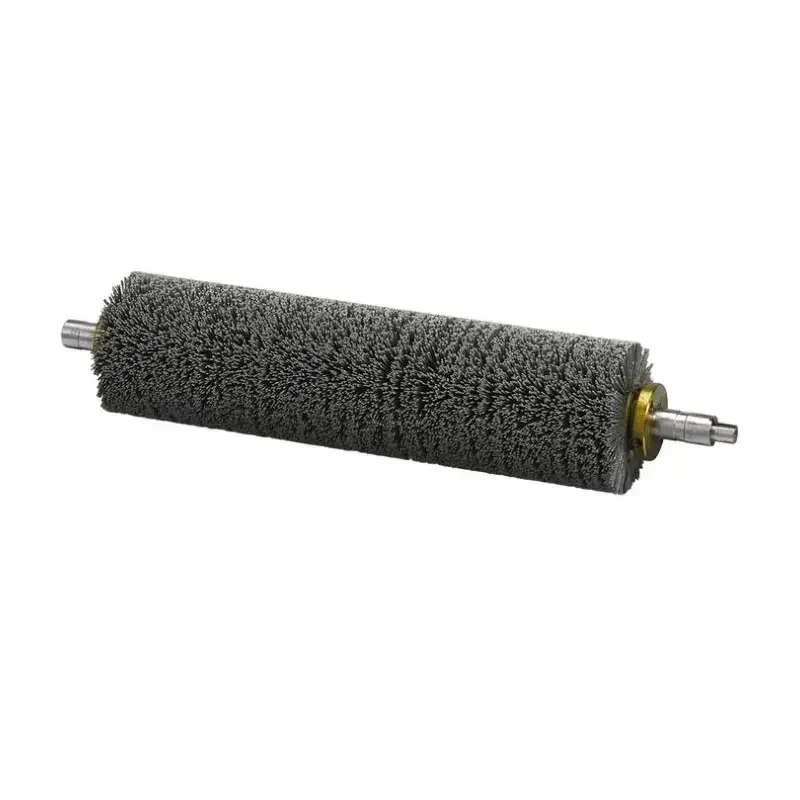
The Wire Brush For Sanding Metal is an Abrasive Nylon Cylinder Roller using 120-grit silicon carbide filaments to deburr, radius edges, clean and texture steel, stainless steel and aluminum with repeatable, conformable contact.

  • 120-Grit Silicon Carbide for Controlled Sanding and Deburring
  • Flexible Nylon Filaments Conform to Irregular Metal Surfaces
  • Uniform Roller Coverage Supports Repeatable Automated Surface Finishing
  • Home /
  • Wire Brush for Sanding Metal — 120 Grit Silicon Carbide Abrasive Nylon Cylinder Roller

Key Features of Wire Brush For Sanding Metal

icon3

120-Grit Silicon Carbide Cutting

Silicon carbide grains are embedded throughout the nylon filaments, providing coarse 120-grit cutting action for burr removal, edge blending, light oxide removal and controlled texturing. As the filaments wear, fresh abrasive is continually exposed.

icon5

Conformable Non-Metallic Filaments

Flexible abrasive nylon conforms to flat, curved and irregular metal surfaces while limiting gouging and excessive stock removal. Unlike carbon-steel wire, the non-metallic filaments reduce ferrous transfer risks on stainless steel and aluminum components.

app-icon4

Uniform Cylindrical Coverage

Dense, evenly trimmed filaments distribute contact across the full roller face for stable sanding pressure, uniform scratch patterns and repeatable batch quality. The cylindrical format supports continuous processing of sheets, profiles and production parts.

icon6

Wet or Dry Process Compatibility

Designed for dry use or coolant-assisted finishing where the machine permits, this roller supports deburring, edge radiusing, cleaning and surface preparation. Its resilient nylon matrix offers controlled cutting and dependable service across automated cycles.

Material & Technical Specifications

PropertyHigh-Carbon SteelStainless Steel 304Stainless Steel 316Brass-Coated Steel
Cutting AggressionVery HighHighHighModerate
Corrosion ResistanceLowHighVery HighModerate
Heat ResistanceUp to 350°CUp to 400°CUp to 400°CUp to 200°C
Spark RiskHighModerateModerateLow (non-sparking)
Fatigue/Wear ResistanceHighVery HighVery HighModerate
Recommended UseHeavy rust & scale strippingWet or hygienic environmentsMarine & chemical exposureDelicate or sensitive surfaces

Customizable Specifications

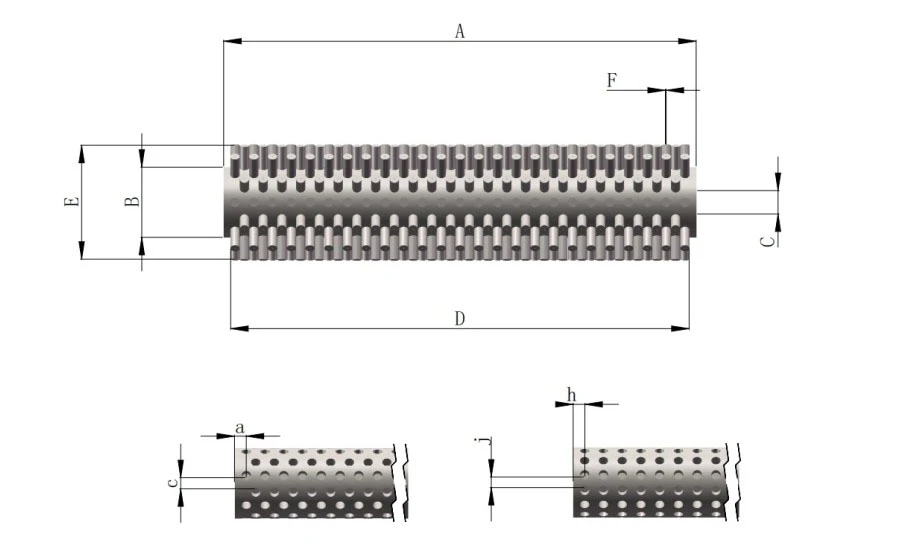
A=overall brush length

B=core diameter

C=core inner diameter

D=brush face length

C=core inner diameter

C=core inner diameter

custom tufted cylinder brush Specifications
custom cylinder brushes

Customized Bristle Profile & Pattern

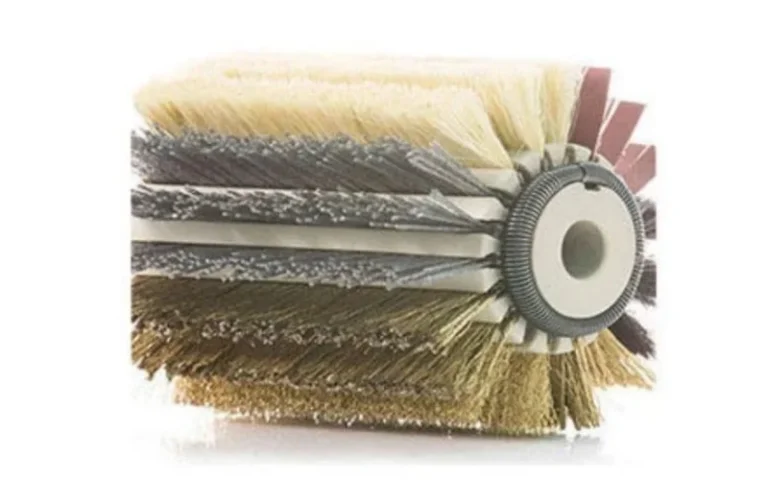
Choose straight, crimped, helical or segmented bristle layouts to follow flat sheets, curved parts and recessed zones while tuning sanding aggression and contact.
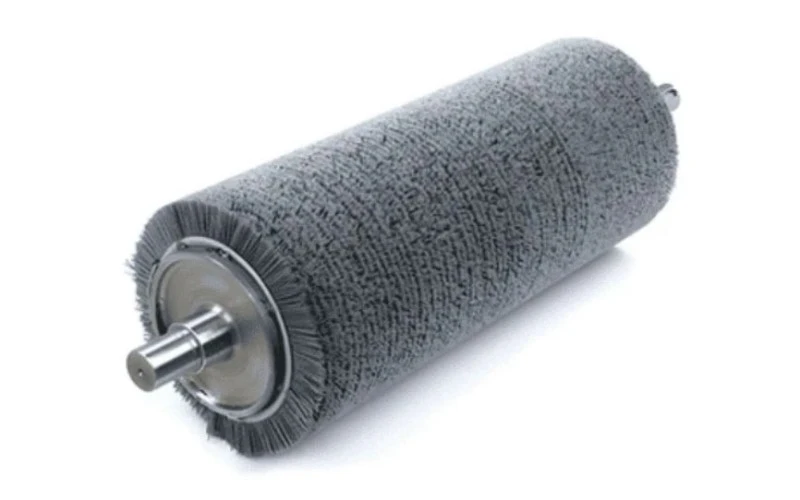
abrasive brushes for metal

Filament Material & Diameter

Keep 120-grit silicon carbide or specify another abrasive grade, nylon type and filament diameter to balance cut rate, flexibility, heat tolerance and brush life.
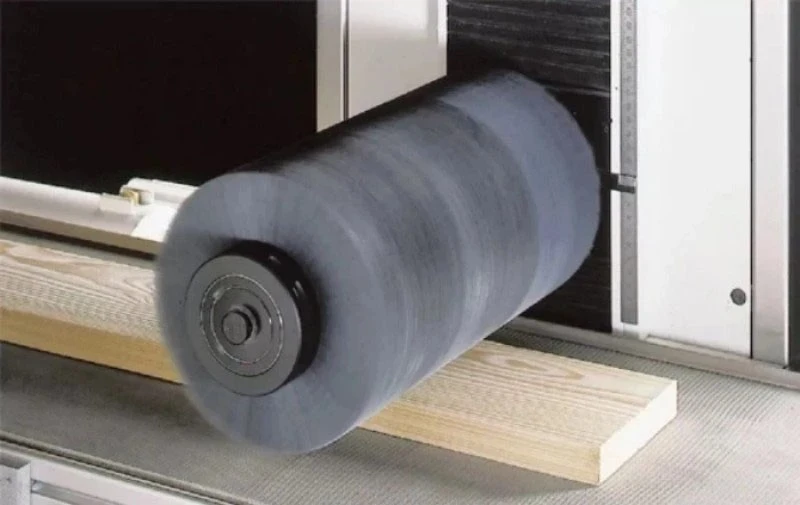
steel wire cylinder brush

Bristle Density & Trim Pattern

Adjust fill density, trim length, working width and filament distribution to control stiffness, surface contact, finish consistency, chip clearance and cycle time.
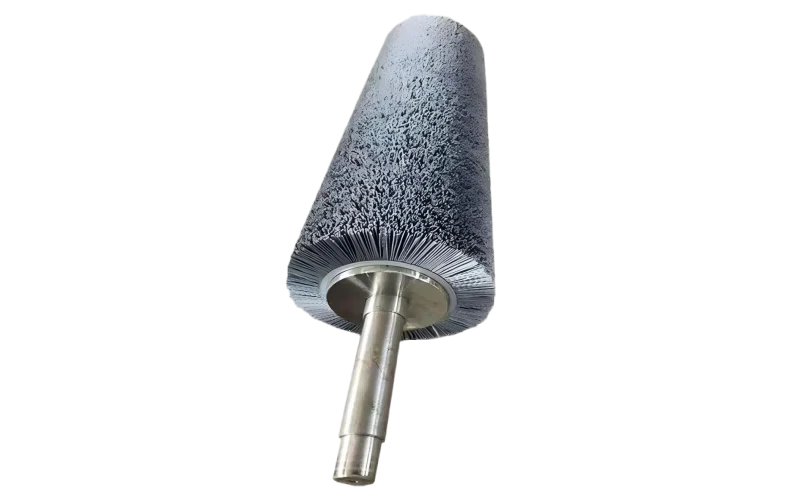
abrasive roller brush

Mounting & Shaft Configuration

Specify roller diameter, face width, bore, keyway, shaft ends, hubs or replaceable cores for direct installation on existing sanding and deburring equipment.
The Right Brush for Every Metal Surface

One Wire Brush For Sanding Metal for post-cut deburring, machined-part finishing and light oxide removal.

Laser-Cut Sheet Metal

Removes secondary burrs and softens sharp contours after laser or plasma cutting, preparing sheet-metal parts for coating, welding or assembly.
Learn More

CNC-Machined Components

Blends machining marks, rounds accessible edges and cleans precision components while helping preserve critical dimensions, part geometry and repeatable batch quality.
Learn More

Oxidized Steel Plates

Scrubs light rust, surface scale and old finish from steel plates, leaving a uniformly keyed surface for repainting or further processing.
Learn More

Manufacturing & Quality Control

Production Lines
0 +
Countries Served
0 +
Skilled Employees
0 +
Workshop Area
0
Year Founded
0

Why Partner With Us

When you partner with us, you gain more than a supplier — you gain a complete team behind your brush.

Trusted Sourcing Advisor

Constant support from material selection to final delivery, backed by professional technical guidance and strict quality oversight.

Professional Brush Designer

Comprehensive assistance from initial sketching to prototype validation, driven by customized engineering and advanced structural design.

Full-Scale Brush Manufacturer

Seamless execution from high-capacity manufacturing to secure shipment, guaranteed by rigorous testing and robust production management.

As Your Custom Brush Manufacturer

We'd Like to Work With You

At Fortex Brushes, trust is defined by execution — proven by the quality of our products and the integrity of our partnerships.


More than a manufacturer, we provide advanced, sustainable solutions designed to optimize your facility for superior safety, cleanliness, and operational productivity.”

Contact Us

FAQ

Q1:Can you match our existing roller dimensions and shaft design?

Yes. Send a drawing, sample or machine interface data; we can customize diameter, face width, bore, keyway, shaft ends and balance requirements.

Q2:Which metals can this 120-grit roller process?

It is suitable for steel, stainless steel, aluminum, copper and other non-ferrous metals; sample testing confirms the best pressure, speed and feed.

Q3:Will the brush contaminate stainless steel or aluminum?

The working filaments are abrasive nylon, not carbon-steel wire, reducing ferrous transfer risk; verify cleanliness requirements through application testing before full production.

Q4:Can you recommend operating parameters for our line?

Yes. Provide material, burr height, target finish, machine power, roller speed and feed rate; we will recommend a starting setup for trials.

How to Choose Cylinder Polishing Brush

Choosing the right cylinder polishing brush depends on the workpiece material, desired finish quality, and production conditions. This guide covers the key factors every buyer should evaluate.

Read More
Scroll to Top

GET A QUOTE

Fill out the form below,  and we will be in touch shortly.

GET A QUOTE

Fill out the form below,  and we will be in touch shortly.

Custom Solution

Drag & Drop Files, Choose Files to Upload