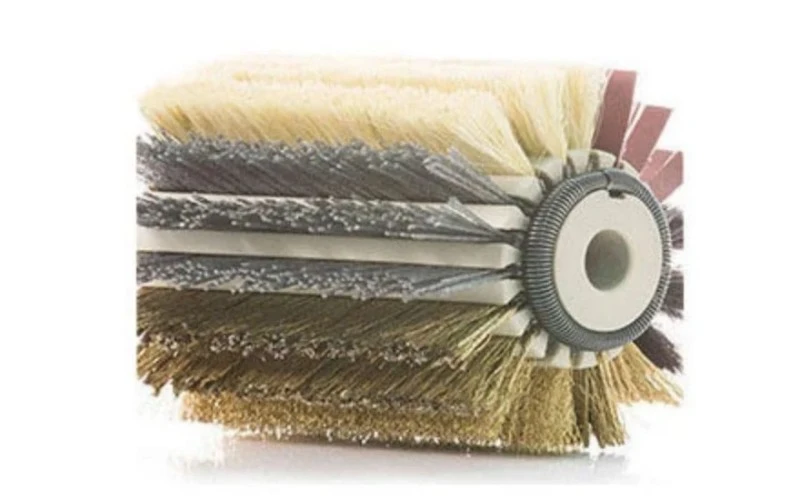
Key Features of Wood Polishing Brush
Sisal-Supported Abrasive Cutting
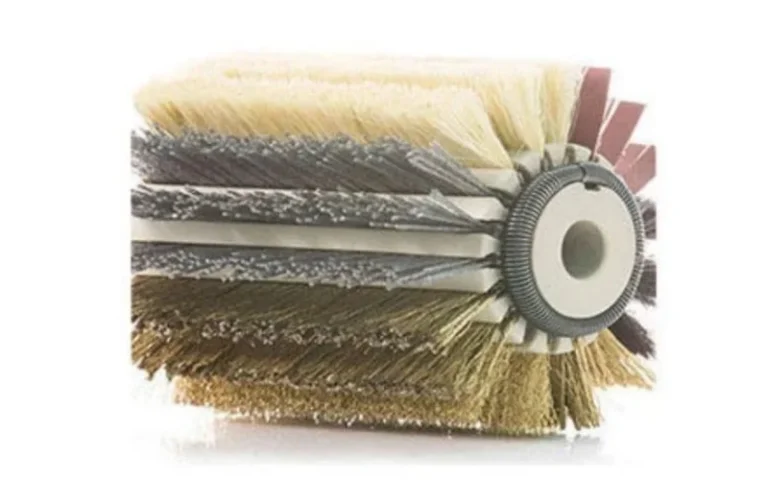
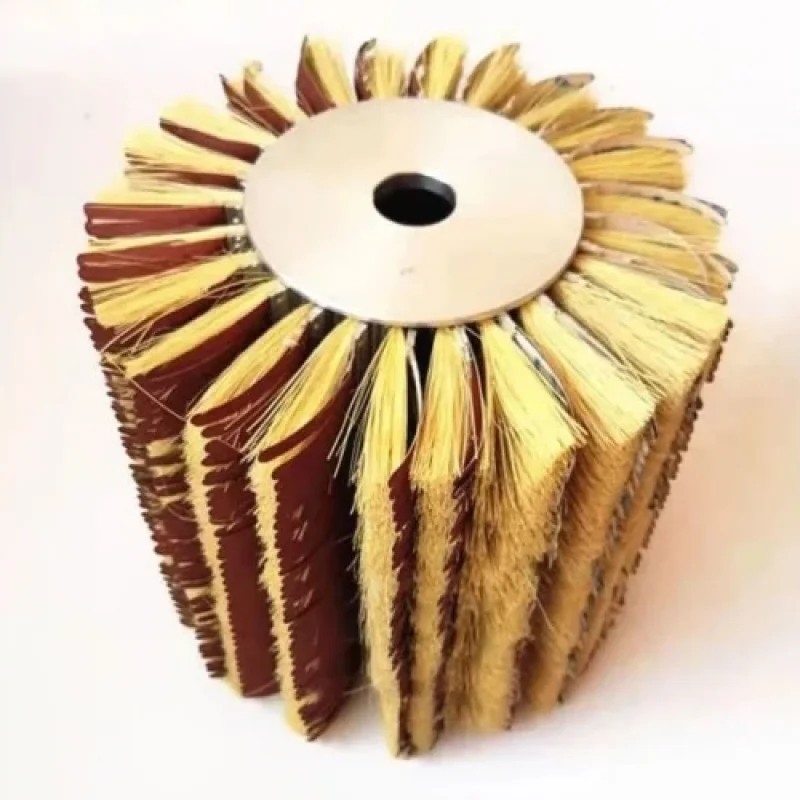
Alternating sisal and abrasive-cloth strips keep the media supported during rotation. The Wood Polishing Brush maintains steady contact, limits strip collapse, and delivers controlled cutting on raw timber with less gouging risk than rigid sanding drums.
Flexible Profile Sanding
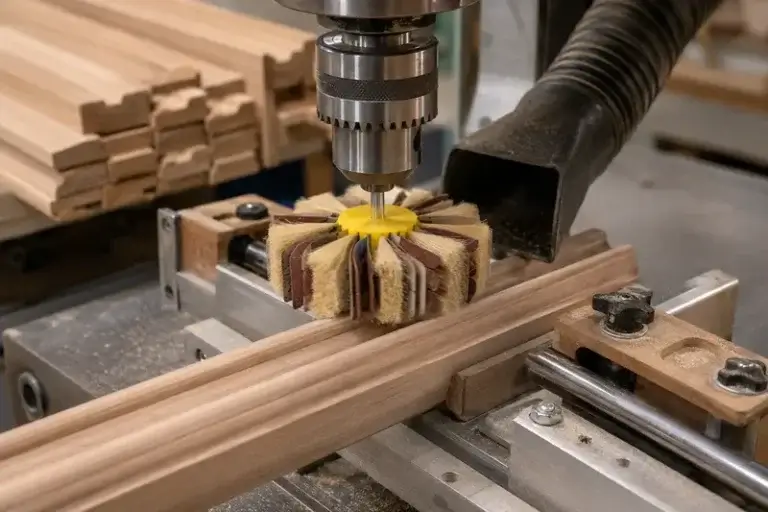
Flexible working segments conform to flat faces, routed grooves, raised panels, and contoured edges. They follow changing profiles while preserving shape definition, helping manufacturers reduce hand sanding on doors, mouldings, frames, and furniture parts.
Controlled Raw-Wood Refining
Selectable grit sequences support grain leveling, scratch blending, denibbing, and pre-coating refinement. Open spacing clears wood dust and releases heat, helping limit loading and burn marks while creating a cleaner, more uniform raw-wood surface.
Balanced Roller Construction
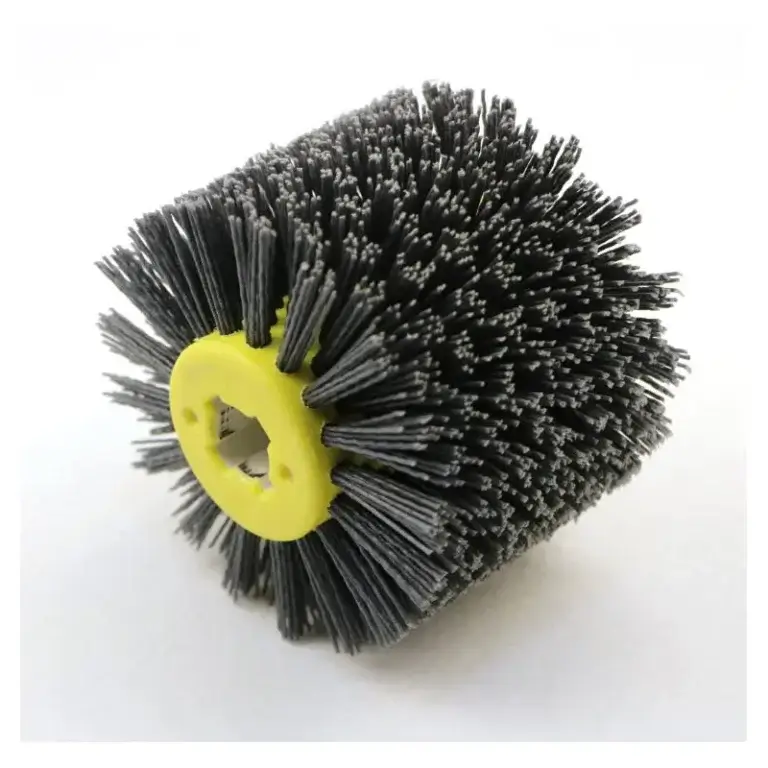
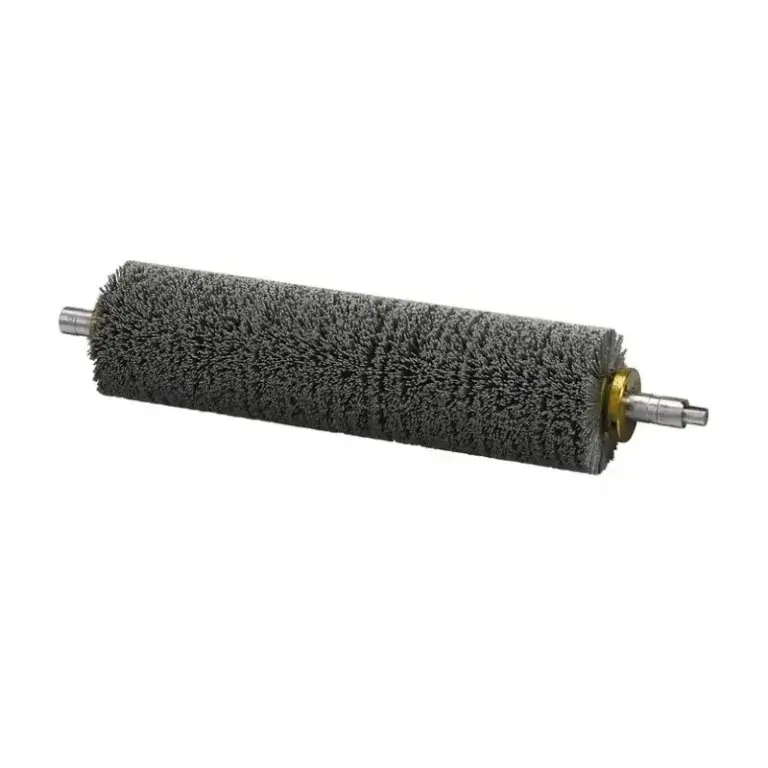
Built as a balanced Sisal Cylinder Roller Brush, the tool supports production at the confirmed machine speed. Custom core dimensions, working length, outer diameter, and shaft interface provide stable rotation, repeatable finishing, and fast replacement.
Material & Technical Specifications
| PROPERTY | SISAL | ABRASIVE FILAMENT | SANDPAPER |
|---|---|---|---|
| Wear Resistance | Moderate | High | Moderate to High |
| Sanding Aggressiveness | Gentle | Controlled | Strong, Grit-Dependent |
| Flexibility | Excellent | Very High | Good in Strip Form |
| Contour Adaptability | Excellent | Excellent | Good with Narrow Strips |
| Recommended Use | Abrasive Support & Fine Polishing | Denibbing & Profile Finishing | Stock Removal & Surface Leveling |
Customizable Specifications
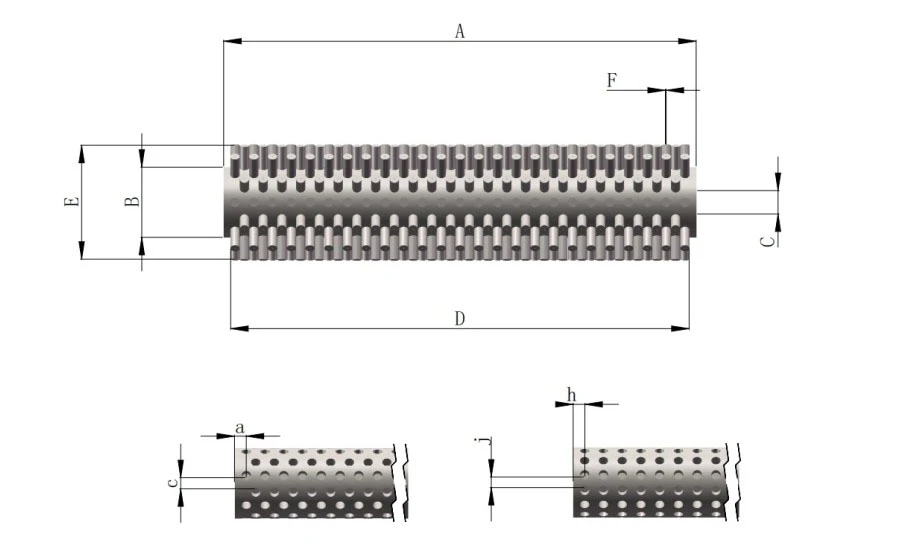
A=overall brush length
B=core diameter
C=core inner diameter
D=brush face length
C=core inner diameter


Customized Bristle Profile & Pattern
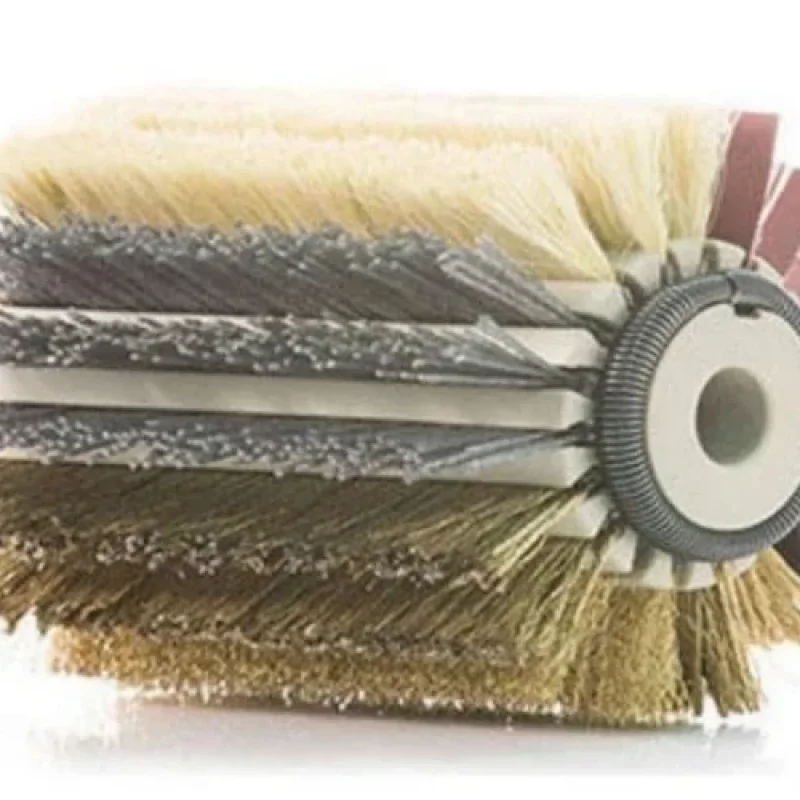
Straight, spiral, staggered, or segmented sisal-and-abrasive layouts can be engineered for flat boards, raised panels, grooves, edges, and contoured parts.
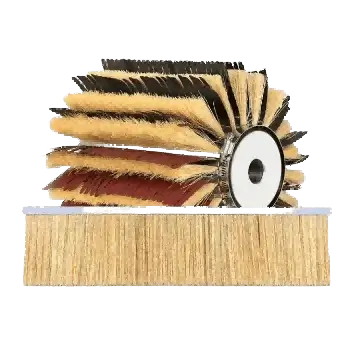
Filament Material & Diameter
Specify the sisal support-fiber grade and diameter together with abrasive backing, grit, and strip width to balance cutting action, flexibility, and finish.
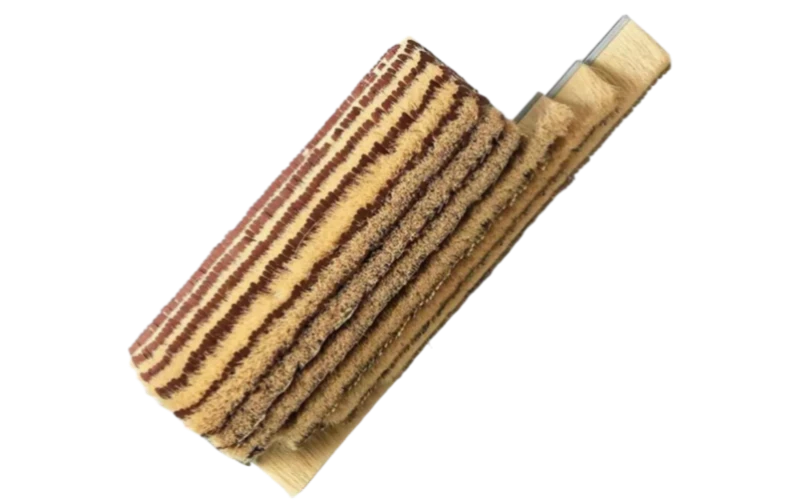
Bristle Density & Trim Pattern
Sisal density, abrasive spacing, trim height, and working-face width can be adjusted to control sanding pressure, dust clearance, and edge access.
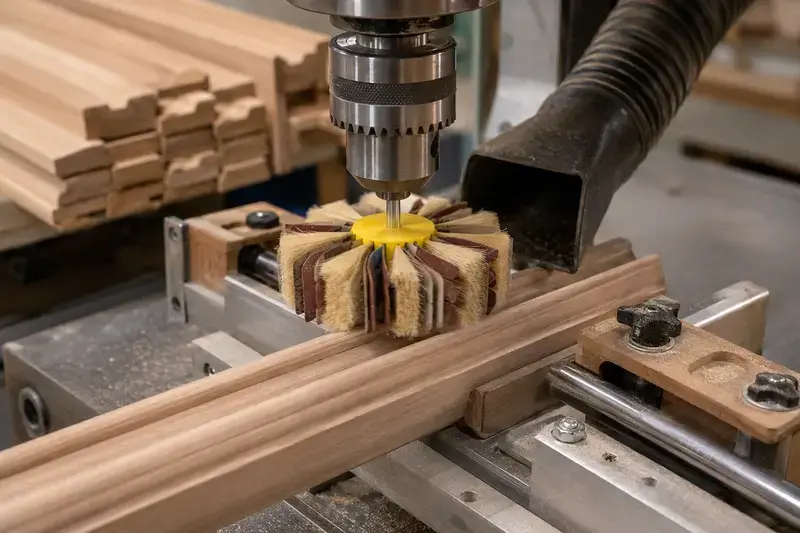
Mounting & Shaft Configuration
Specify core material, bore, keyway, hub, shaft ends, overall length, and rotation direction for secure installation on OEM or retrofit sanding equipment.
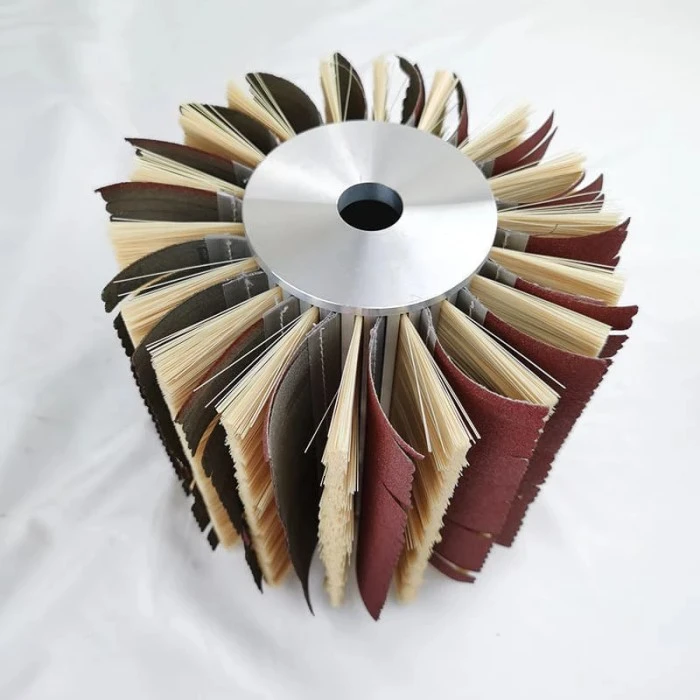
The Right Brush for Your Machine
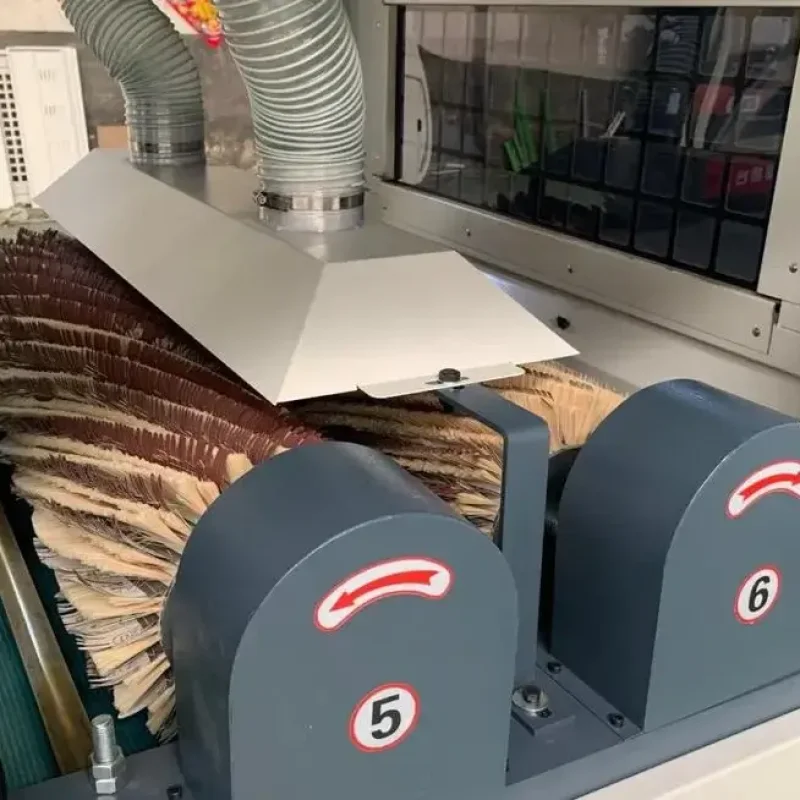
One Wood Polishing Brush, engineered for panel, profile, and cabinet-door brush sanding machines.