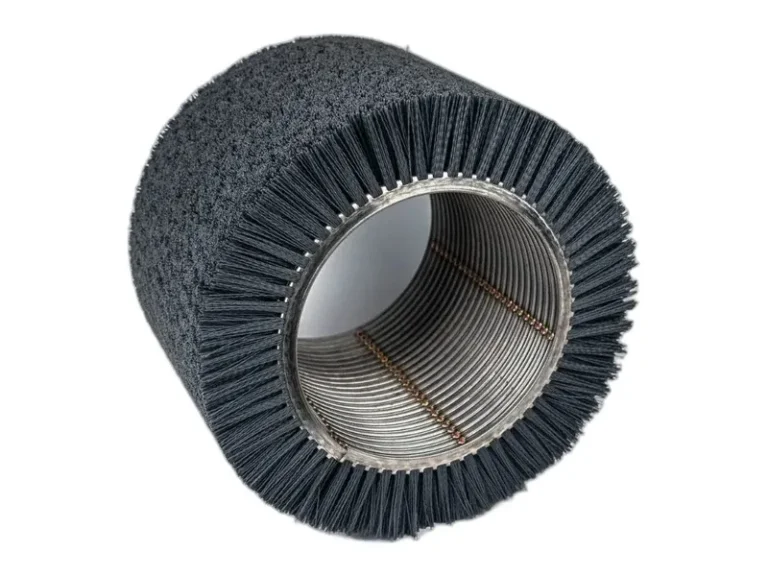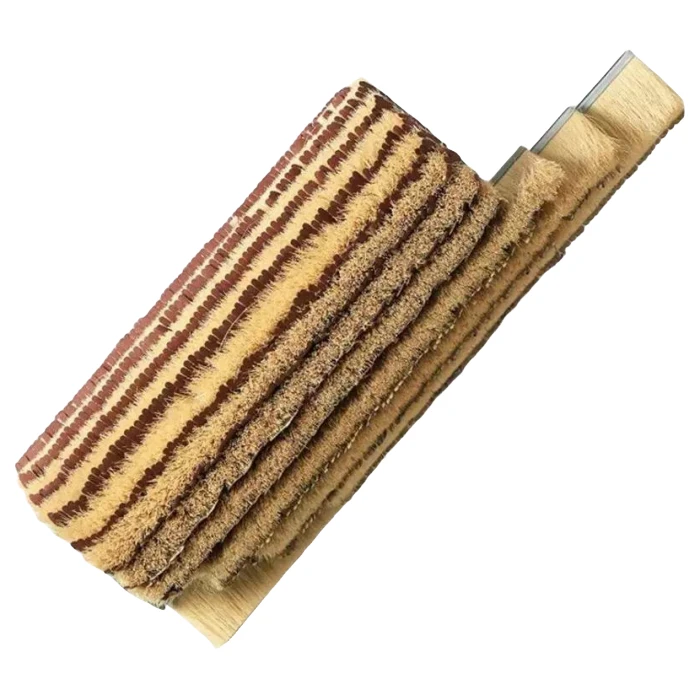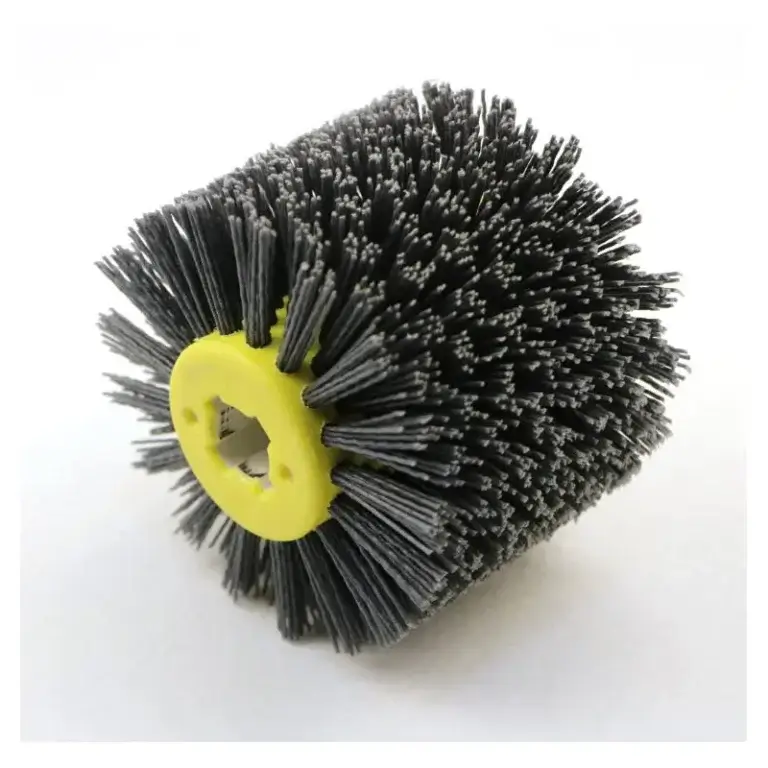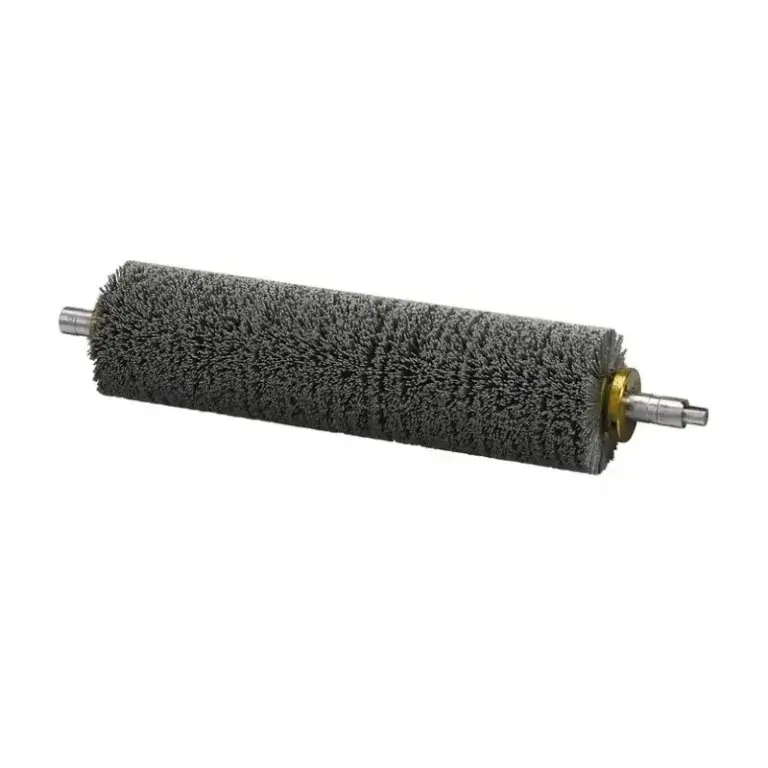
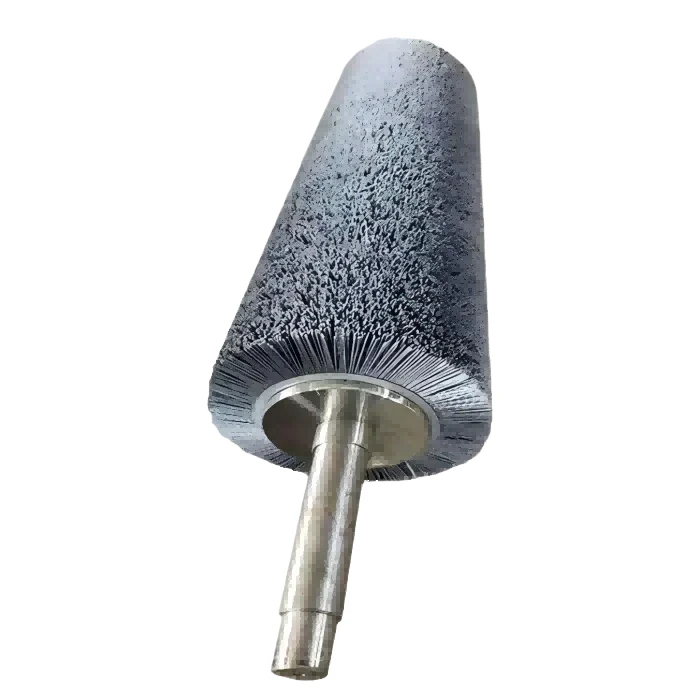
Tools needed for industrial surface preparation require both aggressive cleaning capabilities and precise control. The abrasive wire cylinder brush is one of those tools and has become an important tool in all areas of manufacturing, ranging from large-scale heavy metals through to small-scale hand-crafted furniture. Unlike a traditional wire brush, the design of the rotating cylindrical wire brushes provides a more consistent pressure and an even coverage across the surface of the items being processed, making these tools suitable for high-volume production lines where quality and efficiency play a major role.
In order for manufacturers to optimize their surface preparation processes and create better finished products, it’s important to identify which applications will benefit from using these types of specialized tools.
Why Are Abrasive Wire Cylinder Brushes Important
Before going into specifics about the applications of abrasive wire cylinder brushes, let’s take a look at what provides these brushes with their unique characteristics. Abrasive wire cylinder brushes include both the mechanical action of the wire filaments as well as the abrasive particles that are held in nylon or some other type of synthetic material.
This dual-action characteristic provides:
- Aggressive material removal with less surface damage than standard wire options.
- Consistent finishing across large-area bores.
- Brush life longer than standard wire products.
- Compatible with automated systems.
- Even pressure on bristles as the brush rotates forms a cylinder to ensure consistent results without streaking or unevenness experienced when used with hand tools. This will help with excellent repeatability.
Top 3 Industrial Applications
1. Metal Surface Preparation and Rust Removal
Metal finishing shops use rust removal brush systems to clean steel, aluminum, and other alloys in preparation for welding, coating, or assembly. Oxidation, mill scale, and other contaminants on steel, aluminum, and other alloys must be removed to ensure proper adhesion and integrity.
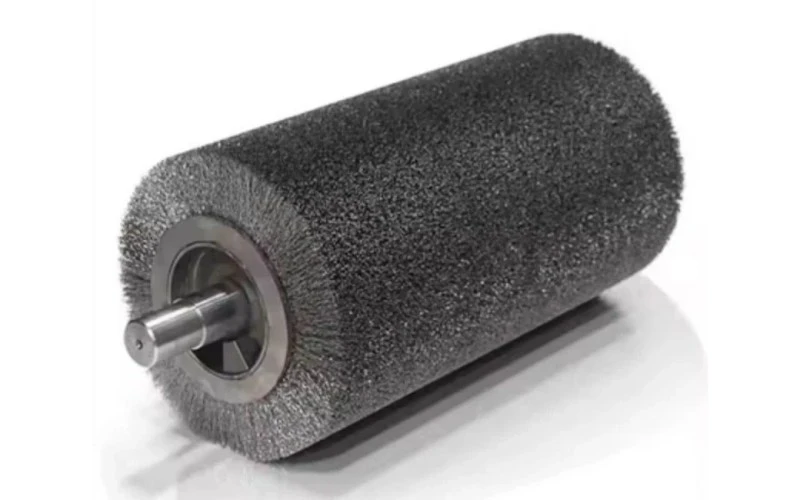
Three key benefits of these systems to the metal fabrication industry are
- Removal of rust/corrosion without damaging base metal.
- Preparation of weld seams by cleaning the heat-affected area.
- Removal of burrs from sharp edges created when cutting or machining steel, aluminum, or other alloys. It creates ideal surface profiles for powder coating and painting.
Conveyor systems in the industry frequently apply cylinder brushes at specific points to automatically clean the part while it travels through the manufacturing process. Steel service centers utilize these brushes to recondition inventory that has developed surface rust while stored, thereby returning the material to a sellable condition without the high costs associated with chemical treatments. The abrasive particles embedded in the filaments will provide the cutting action that pure wire bristles will not be able to offer, especially for stubborn scale and heavy oxidation. People who make stainless steel appreciate that the proper specification of brushes will enable them to clean without embedding ferrous materials, which could lead to future corrosion.
2. Wood Surface Finishing and Polishing
Based on recent discoveries made by woodworking operators, a wood polishing brush offers better performance than conventional sanding on particular types of materials. These items produce an extremely unique appearance through their spinning cylinder motion, and they can help eliminate raised grain and small surface flaws.
Some of the typical uses of this equipment for wooden processing include:
- Textural Distressing: Making new wood look aged & worn out.
- Grain Enhancement: Opening up the wood pores in order to allow for stain application with greater success.
- Defuzzing: Removing any remaining fibers after applying water-based finishes.
- Edge Softening: Rounding sharp corners on milled components.
Brushes are utilized by flooring manufacturers in the production of hardwood planks featuring a wire-brushing technique, an increasingly popular decorative architectural finish that provides a distinctive look and helps to disguise light wear and tear. During the manufacturing process, the brush removes the softer, early-grown wood between the growth rings, causing the wood to have a fine texture, resulting in a more pronounced natural grain pattern. This method is very effective for the door panel and drawer front processes and produces a much more consistent result than what could be achieved by hand.
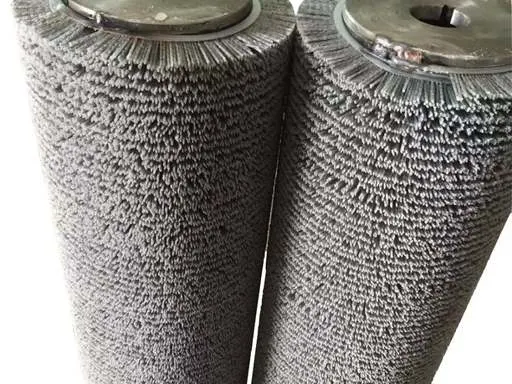
Abrading with cylinder brushes is a controlled process, meaning that the amount of pressure applied during the brushing process is defined and won’t create the dust cloud you would experience when using an orbital sander, resulting in an improvement in the quality of the air in the workshop.
3. Furniture Manufacturing and Restoration
The furniture manufacturing industry is dependent upon the use of furniture polishing brush technology to both manufacture new furniture products and restore existing ones. These types of specialized brushes allow the user to clean and finish delicate surfaces effectively.
Examples of Furniture Industry Applications:
- Antique Restoration: Carefully stripping aged finishes while preserving the integrity of the wood underneath.
- Metal Furniture Preparation: Cleaning tubular steel and aluminum frames prior to applying the powder coating process.
- Upholstery Frame Finishing: Smoothing out any wood surfaces on furniture frames before installing upholstery.
- Hardware Cleaning: Removing tarnish from brass and bronze hardware.
Cylinder Brushes provide high-end furniture manufacturers with an industrial-sized way to replicate the hand-applied finish on a production scale by applying finishing compounds in a manner that creates a subtle shine as opposed to mass-produced products and makes their finished goods look different. Antique restoration experts consider how much control they have over their final product. By using abrasive cylinder brushes that have been properly designed, they can effectively remove compromised layers of finish from antique furniture and still keep the patina as well as any other characteristics that were present before restoration occurred.
Selecting The Correct Brush For Your Application
The right brush specification will improve performance and extend brush life. When selecting an abrasive wire brush for your project, consider the following characteristics.
Abrasive Wire Brush Standards for Metal, Wood, and Furniture Applications
The following are some standards for several metal processing, wood finishing, and furniture work brushes:
| Brush Parameters | Metal Processing (Rust) | Wood Finishing | Furniture Work |
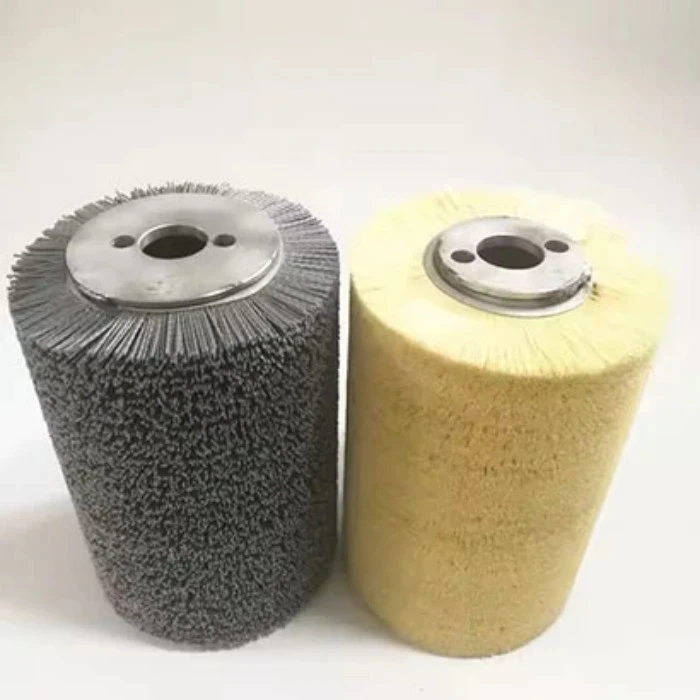
| Filament Type | Steel wire with silicon carbide | Nylon with aluminum oxide | Soft Nylon / Horsehair |
| Grit Size | 80-120 | 180-320 | 240-400 |
| Brush Diameter | 4-8″ (conveyor-related) | 3-6″ (planer-related) | 2-4″ (detailed work) |
| Rotation Speed | 1200-1800 RPM | 800-1200 RPM | 600-900 RPM |
| Trim Length | 1.5-2″ (aggressive action) | 0.75-1″ (delicate) | 0.75-1″ (delicate) |
Material Compatibility Considerations
Different base materials require specific brush configurations. For example:
- Ferrous metal wire brushes should use stainless steel wire to prevent contamination or corrosion.
- Soft metals, such as aluminum or brass, should utilize nylon filaments to minimize scratches on the metal surface.
- Brushless hardwood cleaning uses coarser abrasive compounds with larger particle sizes that will open up the wood grain to facilitate the best results.
- Brushless softwood cleaning uses finer grit abrasives to limit excessive removal of material.
Understanding these relationships is critical to helping operations to avoid common mistakes. Examples include using a brush that is too aggressive (i.e., too many abrasive particles) for the intended purpose, resulting in damaging the workpiece, and using a brush configuration that does not provide sufficient abrasiveness, resulting in not meeting project expectations.
Increase Your Brush’s Performance and Lifespan
By following proper procedures, you can achieve longer brush life and continual performance:
- Use the Correct Contact Pressure: Applying too much pressure will shorten a brush’s life expectancy and not improve performance at all.
- Check the Brush’s RPM: Brushes that are used below or above the recommended RPM will not operate efficiently.
- Keep Brushes Clean: Debris buildup can inhibit cutting action.
- Replace Brushes Quickly When Worn: Damaged filaments will provide uneven finishes.
Many facilities establish preventive maintenance schedules, tracking brush hours and inspecting for wear patterns that indicate misalignment or improper operating parameters.
Conclusion
The abrasive wire cylinder brush proves its value across diverse industries. It handles aggressive rust removal, wood finishing, and furniture restoration with consistent results. Proper brush selection and maintenance improve product quality and production throughput. For manufacturers evaluating surface preparation options, understanding what’s abrasive wire cylinder brush technology is helps identify opportunities to upgrade processes and achieve superior outcomes.
Frequently Asked Questions
Q1: Are custom shapes available for industrial cylinder brushes?
Yes! Manufacturers will make custom shapes based on your exact specifications such as filament type, grit size, and core dimensions to meet application limits.
Q2: How many units are typically required when buying industrial cylinder brushes in bulk?
Typically, manufacturers require buying at least 10-50 of the same brush configuration to be eligible for wholesale pricing, depending on tooling requirements.
Q3: In what ways do abrasive cylinder brushes differ from sanding belts as a means of finishing wood?
Abrasive cylinders produce unique surface textures, generate much less material waste, and perform significantly better on curved areas compared to flat sanding belts.