
In many fabrication and finishing operations, brush selection tends to be an afterthought. A brush gets ordered based on size alone, mounted onto the machine, and expected to perform. When results fall short — uneven finishes, premature wear, or surface damage — the brush often gets blamed rather than the selection process.
From a practical standpoint, the difference between a well-matched abrasive wire cylinder brush and a poorly chosen one shows up quickly in production output. Operators who take time to evaluate wire type, grit, and rotational speed before ordering consistently report longer brush life and more uniform surface results.
Key Factors in Selecting an Abrasive Wire Cylinder Brush
Wire Material
The wire material determines how the brush interacts with the workpiece. Steel wire offers aggressive cutting for heavy rust and scale. Nylon abrasive filament works well for lighter finishing tasks where surface preservation matters. Stainless steel wire avoids ferrous contamination on sensitive metals.
For teams unfamiliar with how abrasive wire types differ in practice, the guide on what’s an abrasive wire cylinder brush covers the core distinctions between filament types and their typical applications.
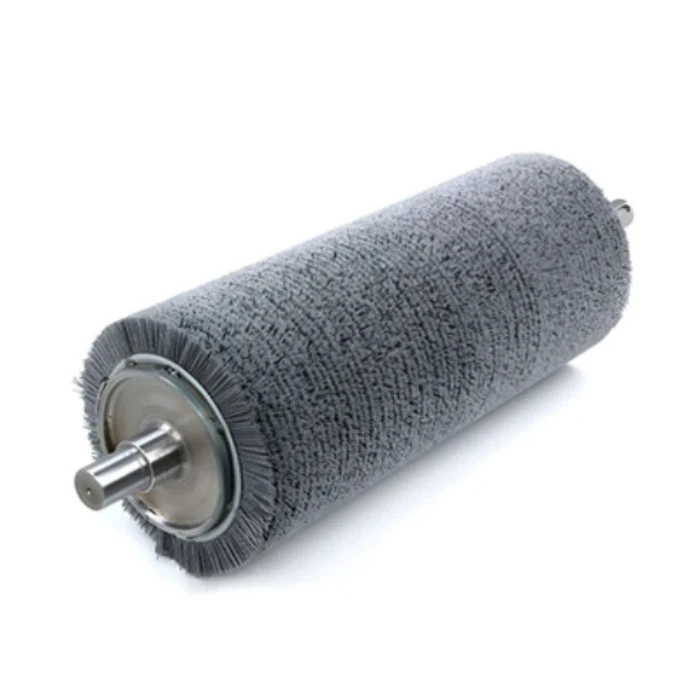
Grit Level
Grit affects the aggressiveness of the brush. Lower grit numbers (such as 46 or 80) remove material faster and suit heavy-duty tasks like weld cleaning or descaling. Higher grit numbers (120 to 240) produce smoother finishes and are better suited for polishing or surface preparation before coating.
Brush Dimensions
Brush diameter and face width need to match the machine setup and the size of the workpiece. An oversized brush on a narrow part wastes material and creates uneven contact. An undersized brush on a wide panel slows throughput and increases pass count.
Rotational Speed and Feed Rate
Even the correct brush will underperform if the RPM or feed rate is wrong. Running too fast causes wire fatigue; too slow reduces contact efficiency. Most manufacturers provide recommended speed ranges, and staying within those limits is one of the simplest ways to extend brush life.
Matching Brush Type to Application
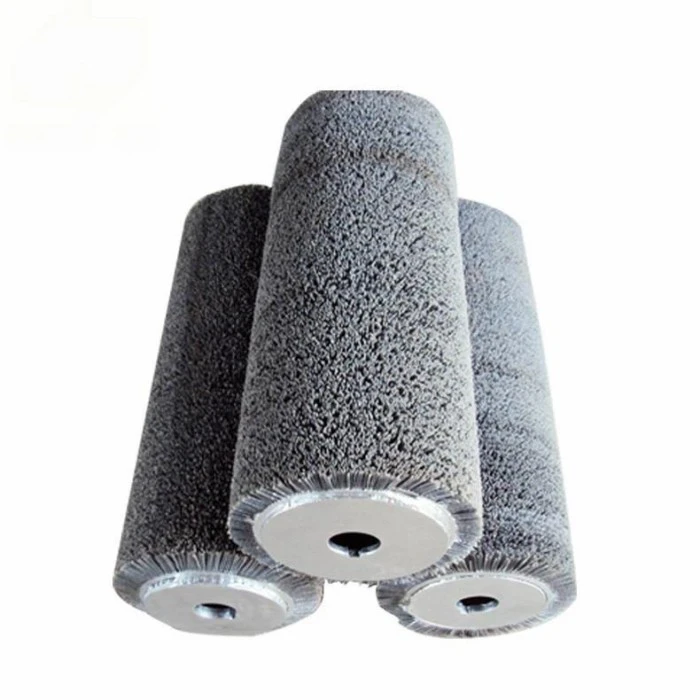
Not every finishing task calls for the same configuration. The table below outlines common applications and the brush characteristics that tend to work best for each.
| Application | Recommended Wire Type | Grit Range | Brush Action | Key Consideration |
| Heavy rust and scale removal | Steel or stainless steel wire | 46–80 | Aggressive cutting | Use proper RPM to avoid wire breakage |
| Wood surface sanding | Nylon abrasive filament | 80–120 | Medium abrasion | Grain direction matters for finish quality |
| Furniture surface finishing | Fine nylon abrasive | 120–240 | Light polishing | Preserve wood grain and avoid over-sanding |
| Metal deburring | Steel wire or composite | 60–100 | Moderate cutting | Match brush width to part geometry |
| Pre-coating surface prep | Nylon abrasive or blend | 100–180 | Uniform texturing | Consistent scratch pattern improves adhesion |
For operations focused on wood finishing, the detailed overview of what’s a wood polishing brush explains how filament type and grit selection affect grain clarity and surface smoothness.
Common Selection Mistakes
Choosing a brush based solely on price or availability leads to predictable problems. The most frequent mistakes observed across production environments include:
- Selecting wire that is too aggressive for the base material, causing surface gouging.
- Ignoring manufacturer RPM recommendations, which accelerates wire fatigue.
- Using the same brush across different materials without adjusting grit or speed.
- Overlooking brush face width relative to the workpiece, resulting in uneven coverage.
Teams working with delicate surfaces such as finished furniture panels should consider a dedicated furniture polishing brush setup rather than repurposing a general-use brush. The article on what’s a furniture polishing brush provides additional context on filament grades suited for that type of work.
A Practical Selection Process
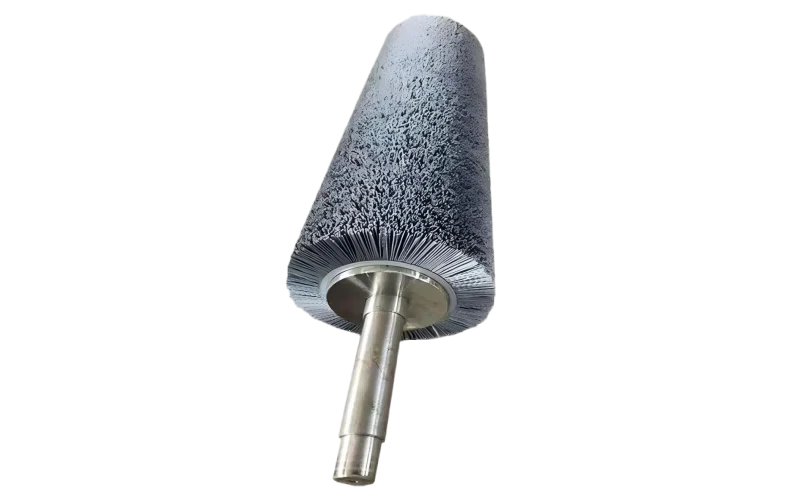
For teams looking to standardize their brush selection, the following steps offer a repeatable framework:
- Identify the material being processed (metal, wood, composite).
- Define the desired surface outcome (rust removal, polishing, deburring).
- Select the wire type and grit range based on the application table above.
- Confirm brush dimensions match the machine and workpiece geometry.
- Verify RPM and feed rate settings against manufacturer specifications.
- Run a short test pass and inspect the surface before committing to full production.
This approach reduces trial-and-error and helps avoid unnecessary brush waste. For high-volume operations, working with a supplier that offers custom abrasive wire cylinder brush configurations can further improve consistency and reduce per-unit cost.
Industrial users handling rust removal tasks at scale may also benefit from reviewing dedicated rust removal brush setups, where wire type and speed are optimized specifically for oxide and scale stripping.
Frequently Asked Questions
What grit level works best for general-purpose metal deburring?
A grit range of 60 to 100 handles most metal deburring tasks effectively, balancing material removal speed with reasonable surface finish quality.
Can one abrasive wire cylinder brush work across different materials?
It is possible but not recommended. Different materials respond better to specific wire types and grit levels, so dedicated brushes improve results.
How do bulk orders affect lead time for custom cylinder brushes?
Lead times vary by manufacturer, but most suppliers can deliver custom-sized brushes within two to four weeks for standard bulk quantities.