
A custom roller brush is necessary for industrial operations requiring precision surface treatment. The abrasive wire cylinder brush is a versatile tool that can be used for a wide range of applications, including fine finishes on wood and aggressive preparation of metal surfaces.
To achieve the best results when using an abrasive wire cylinder brush, three important specifications must be considered: diameter, type of wire, and grit selection. Manufacturers frequently find that the standard brushes available do not meet their unique needs. As a result, customization becomes necessary because each factor can affect the brush’s performance, life expectancy, and value.
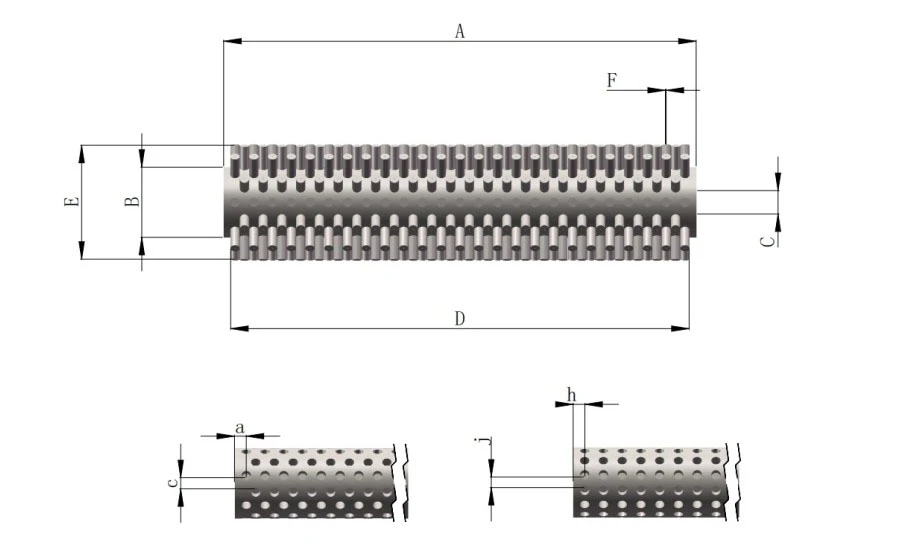
Critical Diameter Considerations for Cylinder Brushes
Diameter Should Match Equipment and Application
Diameter affects contact area, compatibility with rotational speed of the brush and surface area of the workpiece. Typically, small-diameter brushes (2-4 inches) are better suited for narrow spaces and detailed projects; large-diameter brushes (6-12 inches) provide wider coverage in high-volume production environments.
The diameter of the wheel and its rotational speed are very important. A wheel that has a larger diameter at the same RPM will have a much higher surface speed which can increase the rate of material removal; however, this increased speed could create a great deal of frictional heat that could cause excessive damage to sensitive materials.
| Diameters | Typical Applications | Most Appropriate RPM Ranges |
| 2-4 inches | Detailed work, tight/limited areas (ex: under the control panel of a car). | 1500-3000 RPM |
| 4-6 inches | General purpose, moderate volume production. | 1000-2000 RPM |
| 6-10 inches | Heavy industrial applications, large work surfaces. | 600-1500 RPM |
| 10+ inches | Conveyor systems, wide-format processing. | 400-1000 RPM |
Core Shaft Compatibility
When creating a custom specification, consideration of mountings is important. The standard arbor sizes are typically 1/2”, 5/8”, and 1”; requirements for non-standard arbors may arise from using a specialty tool which can result in different sizes, shapes, and designs. The type of core material (steel versus aluminum) also affects both the weight of the brush and its balance when operating at high speeds.
Wiring Types for Maximum Performance
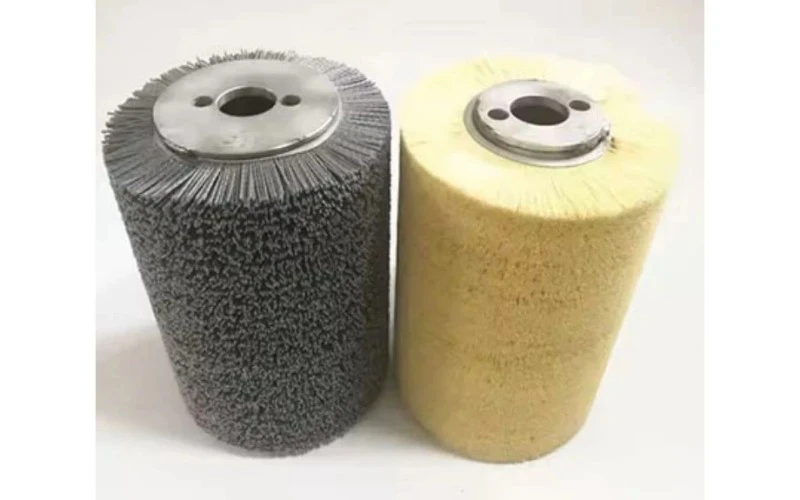
Abrasive Wire Material, Types and Uses
The type of wire used can impact not only how it will cut, but also how long the cutting action will last, and the quality of the surface finish produced. To understand what abrasive wire cylinder brushes can do, it is important to look at the different wire types available:
- Silicon Carbide Wire: Toughest abrasive choice offered. Exceptional for aggressive material moving. Excellent at removing rust from heavily corroded surfaces. Longer life span in very demanding situations.
- Aluminum Oxide Wire: Equal cutting and flexibility. Great for finishing wood when polishing with a brush. Provides uniform finish when working with materials that are relatively soft. Cost-efficient at moderate usage levels.
- Ceramic Wire: Best heat resistance and long-lasting. Best for continued manufacturing activities without interruption. Higher initial expenditure but much longer usable life.
- Diamond-impregnated Wire: Top-grade option for specific needs. Exceptional performance on hard materials. Minimal wire degradation over time. Justified cost for precision requirements.
Wire Diameter and Density
Flexibility and aggressiveness are determined by the gauge of the wire used. Use of thinner wire (from 0.008″ to 0.012″) provides a less abrasive action than use of thicker wire (from 0.020″ to 0.040″) that allows for the cutting away/reducing of materials in a more aggressive manner. Tuft density affects how much actual surface area there is in contact with the workpiece.
- Coarse Grits (24-60): Performs rapid removal of material. Removes large amounts of rust and scales. Used for initial preparatory work. Causes visible scratch patterns.
- Medium Grits (80-120): Balances removal with finishing work. General use applications. Moderate refinement of the surface.
- Fine Grits (150-240): Used primarily for finishing work. Only removes a small amount of material. Used to prepare smooth surfaces to receive coats of paint.
- Very Fine Grits (280-600): Final polishing stages. Delicate surface treatment. Pre-finishing preparation. Minimal surface alteration.
Matching Grit to Material Hardness
The properties of the materials determine the ideal grit to be used when sanding an object. For example, softer materials such as wood would require the use of finer grits to reduce the chance of producing deep scratches in them; however, harder types of wood can use coarser grits to enable faster processing.
Examples of Customized Applications
Wood Processing
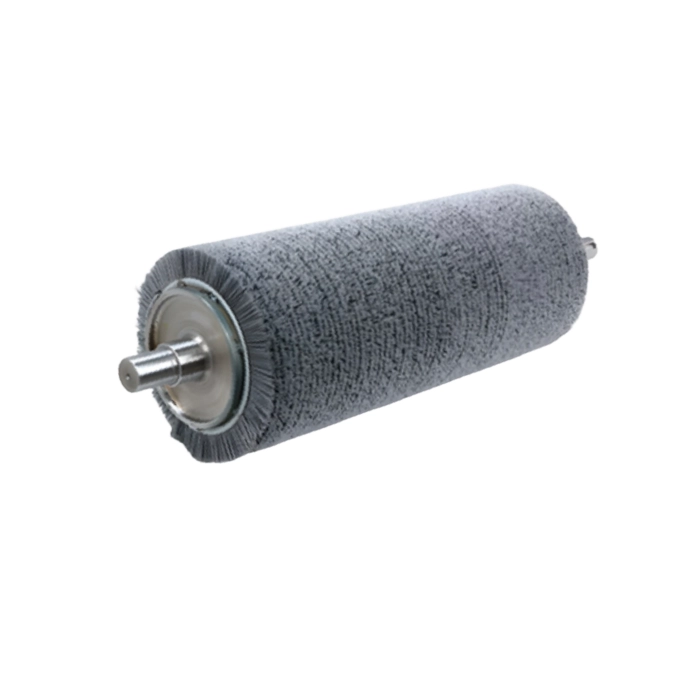
Most wood polishing brush tools are designed with the following characteristics:
- Medium size (4-6 inches) for versatility.
- Aluminum oxide wire for balanced action.
- Fine to very fine grit (150-320).
- Moderate fill density to avoid loading up with wood.
Removing Rust
A custom rust removal brush may have:
- Larger diameter for coverage.
- Silicon carbide or ceramic wire.
- Coarse to medium grit (40-100).
- Low density for removal of debris.
Furniture Manufacturing
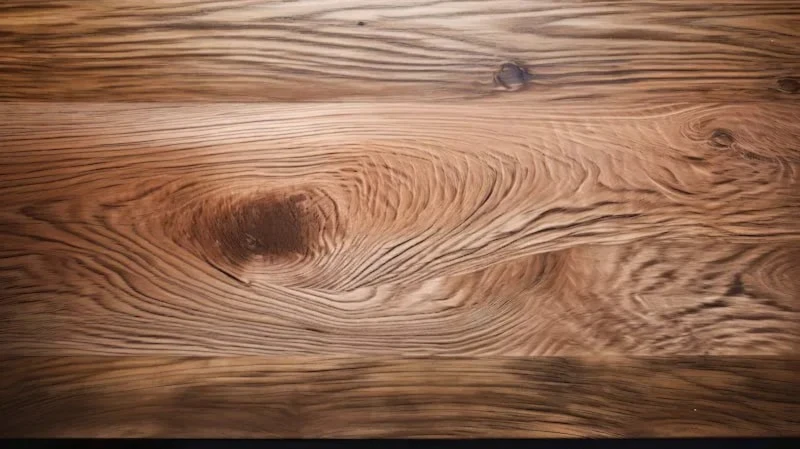
A specific furniture polishing brush application requires:
- Smaller diameter to access detail.
- Soft abrasive wire materials.
- Fine grit (240-400) with very high density resulting in a uniform finish.
The Development Process
In order to develop a customized solution, a manufacturer will follow these methodical steps:
- Analyzing the application and assessing material type, type of finish, and volume of production.
- Assessing the equipment to determine how the cylinder brushes will mount and operational parameters.
- Testing the performance of the brushes using test pieces.
- Fine-tuning the specifications based on the performance of the brushes.
- Producing the brushes with validated specifications.
The Quality Aspects of Custom Made Products
High-quality custom solutions have multiple quality factors such as:
- Good Wire Retention: A well-secured anchoring system prevents premature loss of wire.
- Balanced: Precision manufacturing will result in no vibration during operation.
- Consistency: Uniform wire distribution guarantees consistent application of surface treatments.
- Durability: Quality materials will improve the overall lifespan of the product.
Conclusion
Choosing the right brush configuration will make the difference between a standard tool and a high-precision instrument. Correct customization will ensure optimal results when using the brush for both industrial applications, such as heavy scale removal, and fine finishing operations. Through an understanding of the interactions between the three specifications of the brush, operators can maximize efficiency while minimizing total costs.
Frequently Asked Questions
What are the minimum orders for an abrasive wire cylinder?
Each supplier has different requirements based on complexity (typically 10-50 units). Many suppliers offer prototype services for testing before full production.
How long will it take to manufacture a custom cylinder brush?
Depending on supplier capacity, a standard customization takes 2–4 weeks after approval. Complex brushes or specialty materials could take 6–8 weeks.
Is it possible to replace the wire in previously used brushes?
Yes, manufacturers often offer a core recovery service to replace worn wire. This recovering cost is usually 30%-50% lower than buying new brushes.