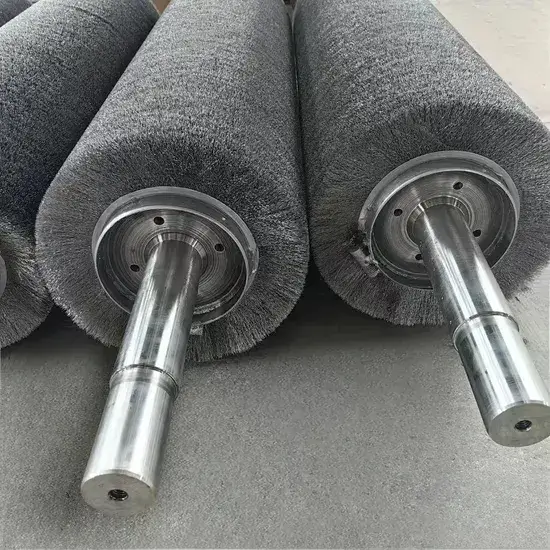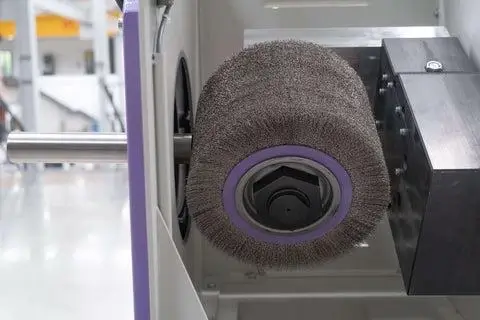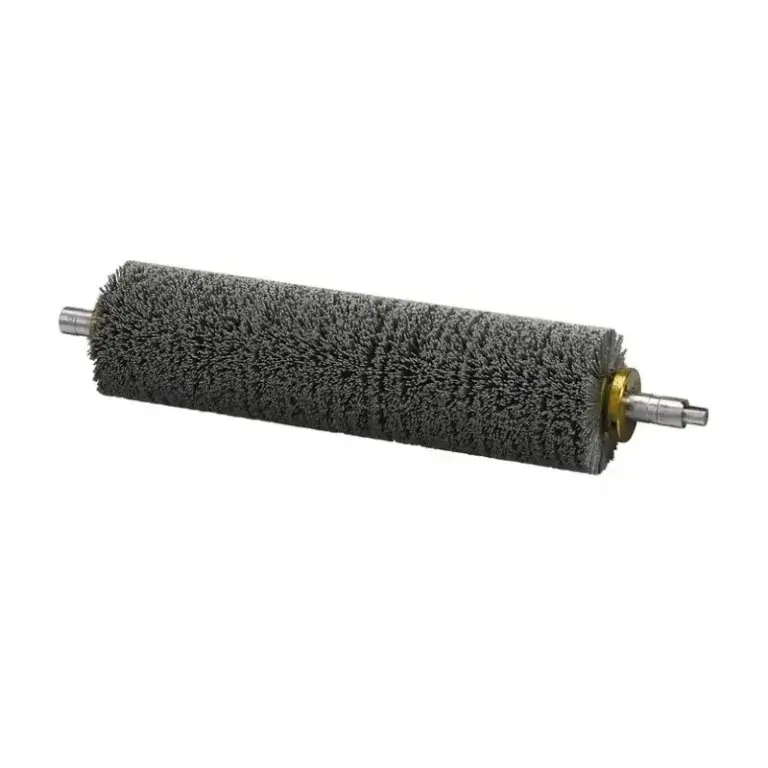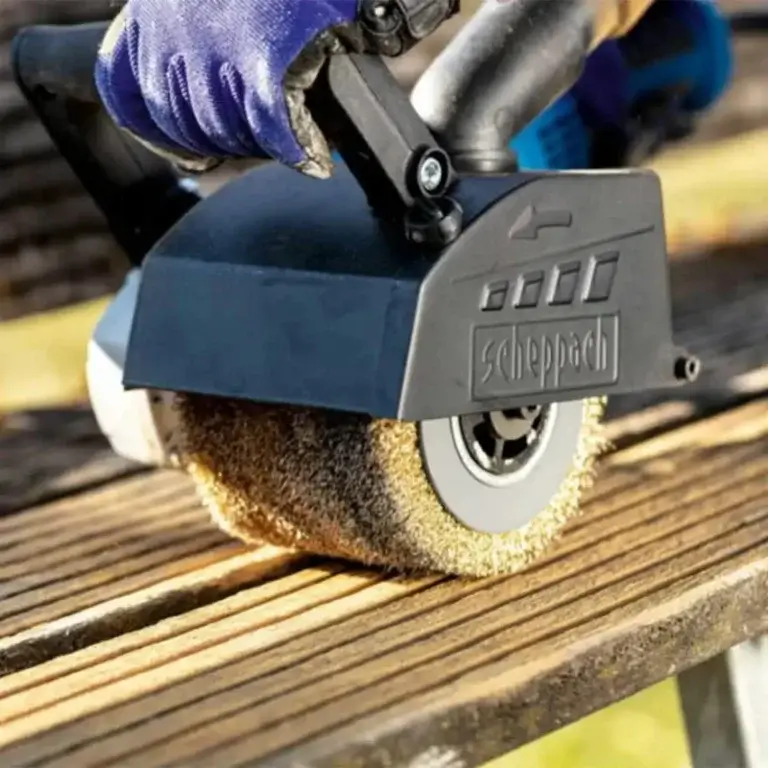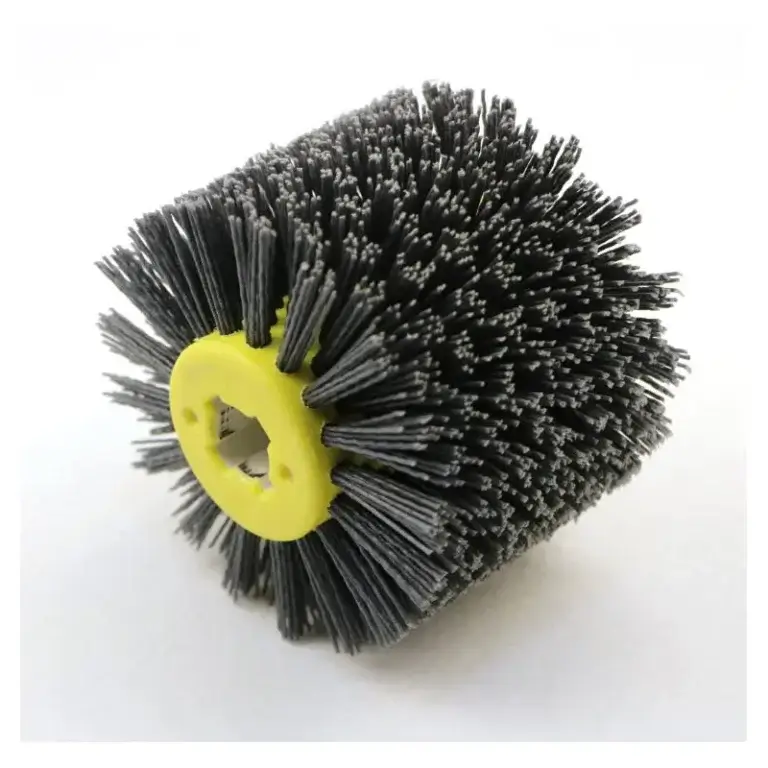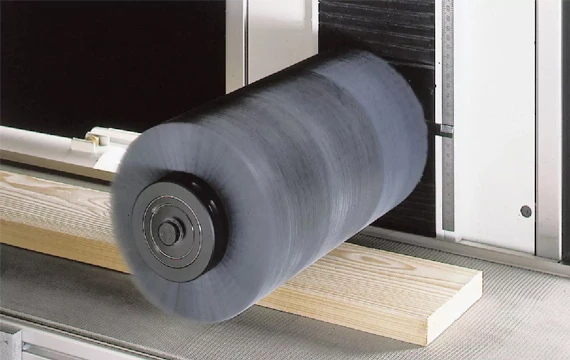
Steel roller brushes carry a heavy share of the work in metal finishing lines. They strip rust, remove coatings, clean weld seams, and prepare surfaces for painting or further processing in fabrication shops, foundries, and automotive plants. Because they sit inside machines and run for hours at a time, their wear often goes unnoticed until output quality starts slipping.
The trouble is that a worn brush fails gradually rather than suddenly. It does not stop working one day. It loses cutting efficiency a little at a time, and the real costs of running it too long show up as rejected parts, slower cycle times, and damage to the equipment that drives it. Operators who catch the warning signs early keep their lines consistent and their costs predictable.
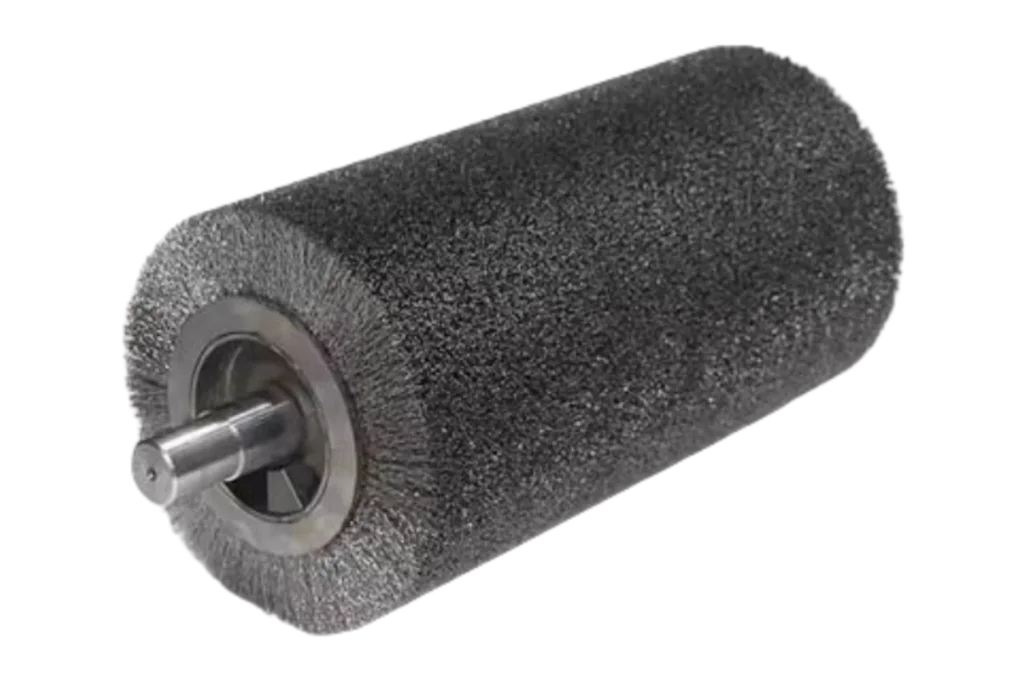
A steel roller brush needs replacing when wire loss exceeds roughly 10 percent, when the filaments have worn to about half their original length, when wires bend, flare, or pull out of the hub, when the brush body cracks or distorts, or when the brush vibrates noticeably at normal operating speed. Each of these signs means the brush no longer removes material evenly, and it has become a quality and safety risk.
Most failures follow a predictable pattern, and the indicators are visible if you know where to look. This article walks through each warning sign, explains what it does to your parts and your process, and shows how to plan replacements so they do not turn into unplanned downtime. The goal is simple: replace the brush at the right moment, not after the line has already paid for the delay.
What Counts as Normal Wear on a Steel Roller Brush
Normal wear is a gradual, even reduction in filament length across the full face of the brush. It becomes a problem when the wear is uneven, when more than 10 percent of the wires are missing, or when the remaining filaments are at half their original length.
Wire brushes wear at very different rates depending on the job. Light cleaning duty can give a brush 10 to 20 hours of usable life, while heavy rust and scale removal can wear one out in 2 to 5 hours. The material being brushed, the pressure applied, and the operating speed all change the wear rate. A brush that strips rust all day from carbon steel plate will not last as long as one doing a light pass over a painted surface.
The key distinction is even versus uneven wear:
- Even wear means the filaments shorten uniformly, contact stays consistent, and finish quality declines slowly.
- Uneven wear means one side of the brush wears faster, contact pressure shifts, and vibration starts to build.
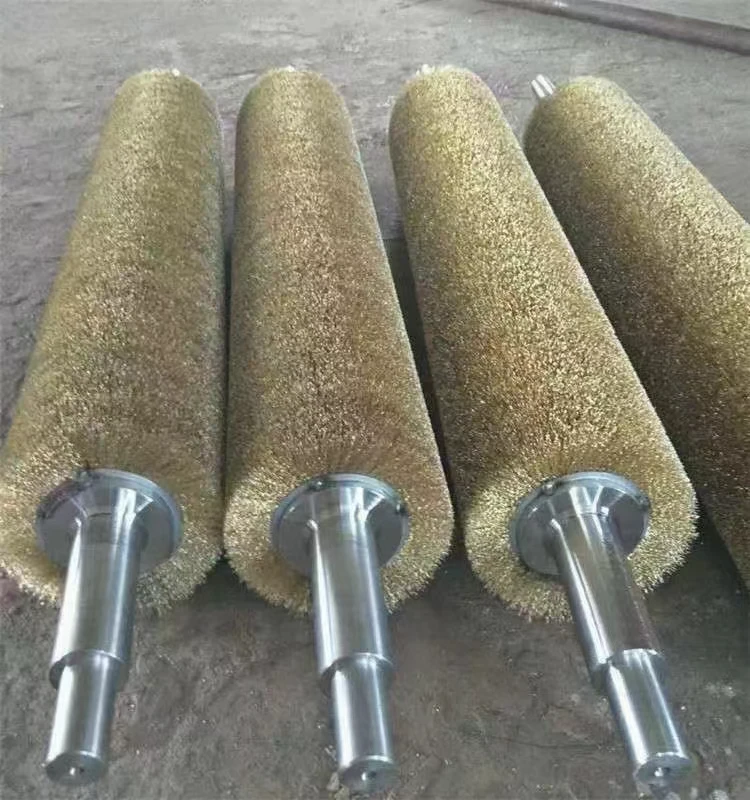
For heavy rust removal duty, a carbon steel wire cylinder brush built with the right wire gauge holds its shape longer and gives clearer replacement signals than a brush pushed beyond its design load.
Why Performance Drops Before You Notice the Damage
The Hidden Cause: Worn Filaments Bend Instead of Cut
Performance drops before visible damage because worn filaments bend instead of cutting. Shorter wires have less stiffness, so they skim over the surface instead of digging into rust, burrs, or coatings, and the brush needs more passes and more pressure to deliver the same result.
The Vicious Cycle of Wear
As filaments lose length, the brushing action changes character. Full-length wires strike the workpiece at the correct angle and energy. Worn wires flex on contact, which feels softer at the handle but removes less material per pass. Operators often compensate by pushing harder, which bends the filaments past their elastic limit and speeds up the entire wear cycle.
The measurable effects on a production line include:
- Cycle time climbs because each part needs extra passes.
- Pressure increases, which wears the remaining wires even faster.
- The brush body can contact the workpiece once the wires shorten enough, damaging both the part and the brush core.
A Practical Example: Deburring
Deburring is a useful example. A cylindrical wire brush that deburrs cleanly at 60 to 80 percent of its rated speed will start leaving burrs behind as the wires wear. Pushing the speed up to compensate creates heat that can damage thin edges. Operators who understand how cylindrical wire brushes deburr metal parts can judge far more accurately when a brush has passed its useful window.
What Surface Finish Changes Tell You About Brush Condition
A worn steel roller brush leaves an inconsistent finish: streaking, uneven scratch patterns, or mixed polished and dull bands across the part, all caused by filament loss that changes how the brush contacts the surface.
Surface finish is the earliest and most reliable feedback channel on a finishing line. A healthy brush produces a uniform pattern. When filaments break or wear unevenly, the brush applies uneven pressure across its face, and the workpiece shows it. Stripes appear where denser wire clusters remain, while thin areas leave the surface underworked.
Finish changes to watch for:
- Longitudinal stripes that were not there before.
- Rough bands alternating with smooth bands.
- A shiny patch on one side of the part and a matte patch on the other.
- Burrs or sharp edges that reappear on parts that were previously clean.
Polishing operations depend even more on consistent contact across the full brush face. A furniture polishing brush with steel wire filaments shows the same failure signature: once the face wears unevenly, the finish loses consistency and reject rates start climbing.
When Vibration Means the Brush Is Finished
The Root Cause: Imbalance from Uneven Wear
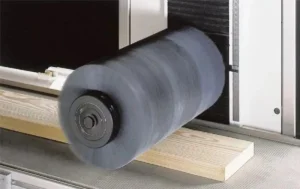
Vibration that persists after the brush is correctly mounted and the speed is within its rating usually means the brush has lost balance from uneven wire wear or broken filaments, and it should be replaced rather than run.
Some vibration is normal when a brush is new, and the mounting is imperfect. But once the mounting is checked and the vibration remains, the brush itself is the cause. Broken wires change the mass distribution around the hub. The imbalance grows as more filaments shed, and at operating speed the brush develops a wobble that can damage spindle bearings and the workpiece.
Rule Out Other Causes First
Other causes are worth ruling out first:
- Brush not fully seated against the spindle shoulder.
- Speed above the rated maximum.
- Debris or wire fragments packed into the hub.
- A bent arbor or damaged keyway.
When It’s Time to Replace
If the brush is seated correctly, running in its rated band, and still shakes, the wires themselves are the problem. Wire brush vibration is one of the clearest signs that a brush has reached the end of its service life, and continuing to run it puts the machine at risk, not just the part.
What It Costs to Keep Running a Worn Brush
Running a worn brush costs more than replacing it. Extra passes, rejected parts, higher energy use, and the risk of machine damage add up quickly, and in most cases a replacement brush pays for itself within a few shifts.
Brush price is a small line item compared with the production costs it controls. A steel wire cylinder brush price reflects core material, wire type, and machining tolerance, but the cost of running a brush past its useful life is far higher. A brush rated for 10 hours of heavy-duty use that is run for 15 hours produces its last third of service at reduced quality.
Cost factors worth tracking:
- Rejected parts: every bad finish carries material and labor costs.
- Cycle time: extra passes eat into line throughput.
- Energy: higher pressure and speed draw more power.
- Equipment wear: vibration and debris damage bearings, spindles, and drives.
The practical rule is to replace the brush at the first clear wear sign, not when the finish fails. A spare brush on the shelf costs a fraction of one unplanned stop on a production line.
Building a Replacement Routine That Works
Build the replacement routine around regular inspection: check filament length and condition before each heavy job, log the hours each brush runs, and replace the brush at the first clear wear sign instead of waiting for a finish failure.
A simple inspection schedule keeps the process predictable:
Consistency matters more than any single check. When the same operator records the same measurements every week, wear trends become visible before they become failures. That data also makes replacement budgets easier to plan, because the line knows in advance when each brush is likely to come due.
A steel roller brush tells you when it is done. Wire loss above 10 percent, filaments worn to half length, uneven surface finish, persistent vibration, and cracks in the body are all clear signals that replacement time has arrived. Catching them early keeps your parts consistent, your equipment safe, and your line running.
FAQ
How often should a steel roller brush be replaced?
Replacement frequency depends entirely on the duty cycle. Light cleaning work can stretch a brush to 10 to 20 hours of use, while heavy rust and scale removal may wear it out in 2 to 5 hours. Tracking run hours per brush is the most reliable way to set a replacement interval for your specific application.
Can a worn steel roller brush damage the workpiece or the machine?
Yes. Worn filaments remove material unevenly, leaving streaks and an inconsistent finish that can cause parts to be rejected. Continued use with a badly unbalanced brush also transmits vibration to spindles and bearings, which leads to premature machine wear and costly repairs.
What is the best way to store steel roller brushes between jobs?
Store brushes in a dry environment with the filaments protected from pressure and impact. Moisture causes corrosion that embrittles the wire, and any crushing or bending of the filaments during storage can mimic the damage caused by normal wear, making it harder to judge the real condition of the brush.