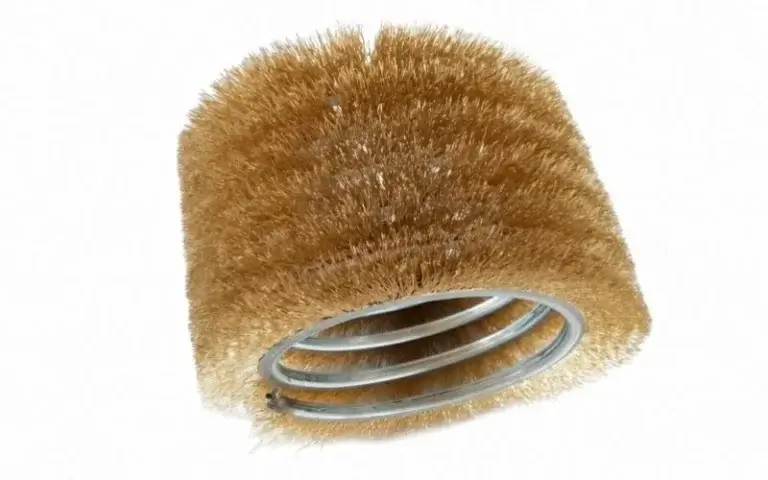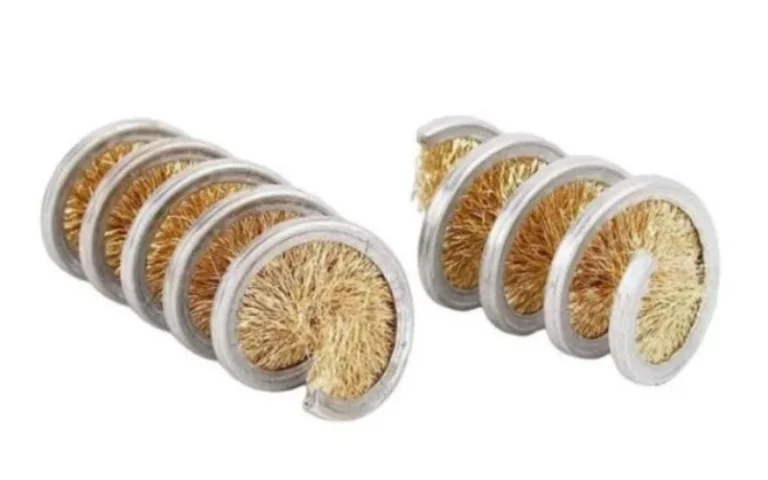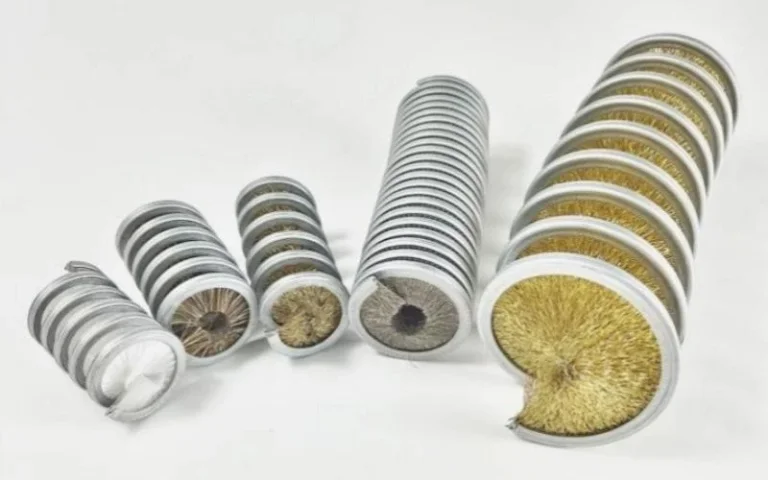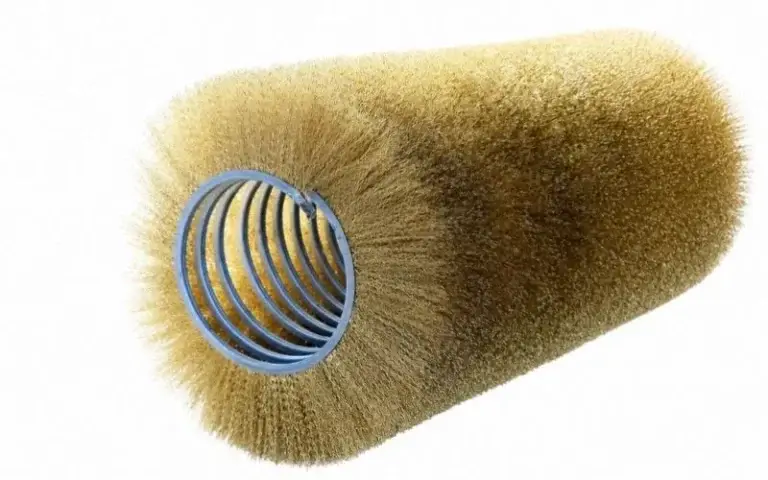
Wire coating is one of the first decisions buyers face when ordering a spiral wire brush for production-line cleaning, deburring, or surface preparation. The filaments take the punishment, so the material they are made from determines how often the brush has to be replaced and how much downtime that causes. Galvanized steel wire and stainless steel wire are the two most common options, and the difference between them is not always obvious on a spec sheet.
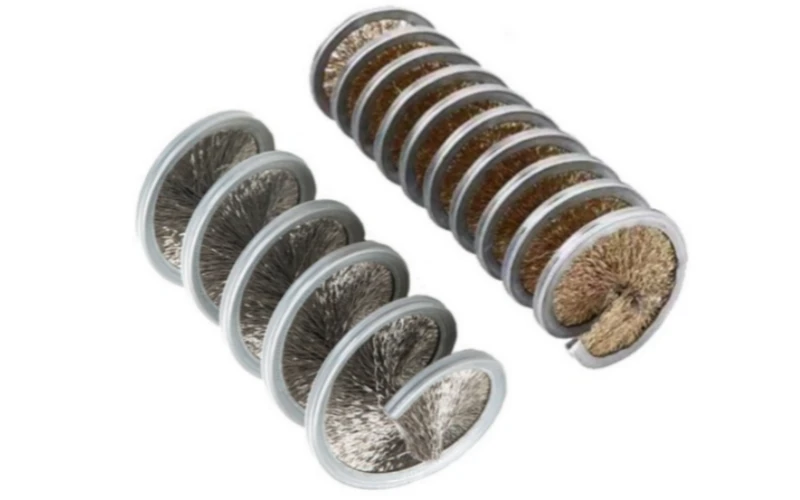
Industrial buyers regularly ask whether galvanized wire gives the longest service life for the lowest cost. It is a fair question, because galvanized brushes are cheaper and widely stocked, but the honest answer depends on the working environment more than on the brush itself. A galvanized brush that lasts two years in a dry assembly shop can fail within weeks on a coastal deck exposed to salt spray.
Galvanized wire does not inherently last longer than stainless steel wire, but it is often the better value in dry, low-corrosion environments where the zinc coating is never stressed; in humid, salty, or chemically aggressive conditions, stainless steel wire outlasts galvanized wire by a wide margin, and choosing galvanized wire there usually means more frequent brush replacements.
The rest of this guide breaks down how the zinc layer actually protects the wire, compares galvanized and stainless steel filament performance side by side, and gives a practical selection method that matches the coating to your operating conditions. We also cover simple maintenance steps that extend the working life of a galvanized spiral wire brush, so you can make the call with real numbers instead of guesswork.
How Zinc Coating Protects a Spiral Wire Brush
Galvanized wire gets its corrosion resistance from a zinc layer that corrodes in place of the steel underneath, so the brush keeps working until the coating is consumed.
Zinc sits higher than steel in the galvanic series, which means it is the more active metal. When moisture reaches the surface, the zinc reacts first and corrodes instead of the steel core. This is called sacrificial protection, and it is the same mechanism that protects galvanized fencing, fasteners, and cable trays. The zinc also forms a dense oxide film that slows further attack, which is why a fresh galvanized surface stays bright for a long time in mild air.
The amount of protection depends on how much zinc is applied. In the United States, galvanized wire coatings are classified under ASTM A641, with three main grades:
The cost gap is real, and that is why galvanized wire remains popular for a steel coil brush used in dry machining shops. A galvanized brush that costs roughly 30% less can be the right economic choice if it survives as long as the application demands. The mistake is assuming the same math applies outdoors or in wash-down areas, where the zinc layer erodes fast, and the cheaper brush ends up costing more per hour of use.
When Galvanized Wire Makes Sense for Metal Coil Brushes
Ideal Applications for Galvanized Wire
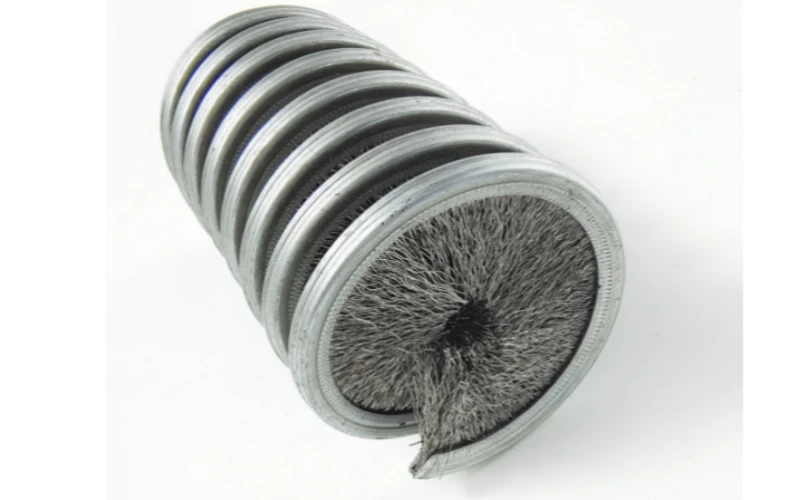
Galvanized wire is a sensible choice for metal coil brushes used in dry indoor operations, abrasive heavy-duty cleaning where brushes are treated as consumables, and any application where budget per replacement matters more than maximum uptime.
Practical experience in manufacturing plants points to several situations where galvanized filaments are the right call:
- Deburring and oxide removal on carbon steel parts in a dry workshop
- Cleaning conveyors, chains, and rollers where light rust is acceptable on the workpiece
- High-abrasion operations that wear any brush out quickly, so the cheapest wire wins
- Batch runs with scheduled brush changes, where predictable cost beats maximum life
- Prototype and short-run work where stainless wire would sit unused most of the time
Why Galvanized Works in These Cases
In these cases, the zinc layer is doing its job because nothing is attacking it. The brush wears out from mechanical abrasion long before corrosion becomes a factor. For a brush that wraps around a moving cable or rope, an inside coil brush built with galvanized wire can still deliver years of service in a covered, climate-controlled line.
When Galvanized Fails—The Moisture Threshold
The situation flips when moisture enters the picture. Outdoor maintenance, marine operations, food processing wash-downs, and chemical cleaning lines all destroy zinc coatings quickly. Salt accelerates the process dramatically, and once rust starts on the filaments, the brush contaminates the very surface it is supposed to clean. If any part of the operation touches water, stainless steel should be the default.
How to Choose the Right Spiral Wire Brush Wire Coating
The Four-Factor Selection Framework
Choose the coating by matching four factors: humidity, chemical exposure, required finish, and replacement budget; if any of the first three point to corrosion risk, move up to stainless steel.
A Step-by-Step Selection Process
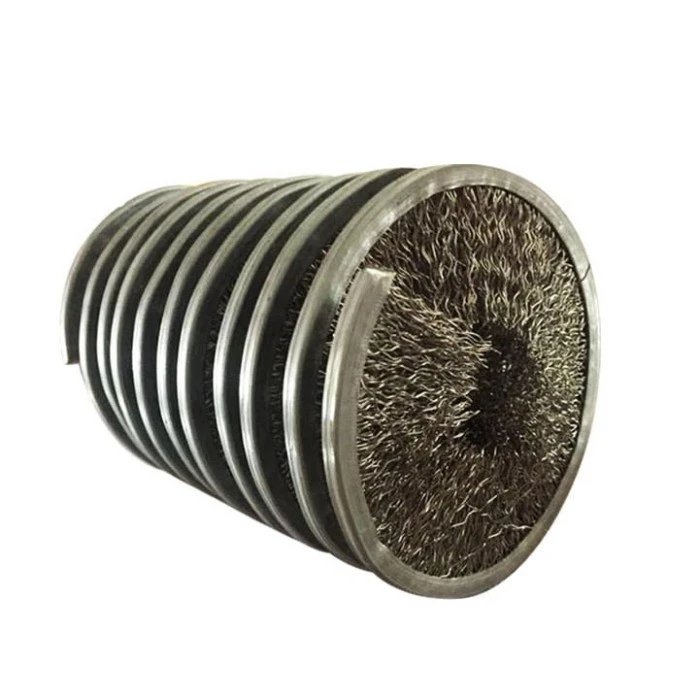
A structured selection process removes the guesswork from brush specification. Maintenance and procurement teams can work through the following steps in order:
- Check the operating environment for humidity, salt air, wash-down water, and chemical vapors
- Identify the contaminant type: rust, scale, grease, or a mix that drives filament aggressiveness
- Confirm the workpiece material and the surface finish you are allowed to leave behind
- Compare galvanized and stainless wire costs against expected replacement intervals
- Test sample lengths on the actual line before committing to a full order
Beyond Coating — Other Key Variables
Filament specification does not stop at the coating. Wire diameter, trim density, and coil pitch all affect how the brush contacts the surface. A denser trim gives more uniform cleaning, while a wider pitch allows deeper penetration into grooves. For wire rope maintenance, these variables are covered in detail in the guide to what a wire rope cleaning brush does and how its geometry is matched to cable profiles.
One practical shortcut: if you are already stocking stainless steel brushes for wet areas, standardize on stainless across the plant where possible. Fewer wire types mean simpler inventory, and the premium pays for itself through longer intervals between replacements and fewer rejected parts from rust contamination.
How to Extend the Service Life of a Galvanized Spiral Wire Brush
Store galvanized brushes dry, keep them away from condensation and cleaning chemicals, and inspect the filaments regularly so you can replace the brush before rusted wire contaminates the workpiece.
Galvanized wire is not fragile, but it rewards simple discipline. The following habits measurably stretch the working life of a spiral wire brush in dry operations:
- Blow out metal dust and debris after each shift so embedded particles do not grind the zinc away
- Store brushes in a dry cabinet instead of leaving them on the machine bench overnight
- Keep brushes clear of coolant mist, acid fumes, and alkaline wash solutions
- Run at the minimum speed and feed pressure that still gives a clean result
- Inspect filament tips monthly for thinning, rust spots, or loss of cutting bite
The clearest replacement signal is visible rust on the wire. Once rust appears, the corrosion spreads through the remaining cross-section quickly under load, and the brush starts leaving rust stains and scratches on the workpiece. Catching it early protects product quality and avoids rework. For teams that want a deeper framework on sizing and filament choice, the step-by-step guide to wire rope cleaning brush selection walks through diameter rules, contaminant matching, and ordering checkpoints.
The Bottom Line
Galvanized wire is not a universal answer, and neither is stainless steel. For dry industrial environments, a galvanized spiral wire brush delivers solid life at roughly 30% lower cost, which is why it remains a standard choice for deburring and scale removal lines. For wet, salty, or chemically exposed operations, stainless steel wire wins on durability every time, and the higher purchase price is usually the cheaper option over the full service life. Match the coating to the environment, inspect the filaments, and replace before rust takes over, and either material will perform as designed.
FAQ
Q1: Can galvanized wire spiral brushes be used on stainless steel surfaces?
They can, but only for light, dry cleaning. Galvanized wire is harder than stainless steel, and once the zinc coating wears, carbon steel filaments can embed particles into a stainless workpiece and cause corrosion later. For stainless steel surfaces, use stainless steel filaments to avoid cross-contamination and surface damage.
Q2: Does a heavier zinc coating always mean a longer-lasting brush?
Not always. A heavier coating, such as ASTM A641 Class 3, resists corrosion longer, but it also adds stiffness and cost to the filament. In high-abrasion operations, the brush fails from mechanical wear before the extra zinc is ever consumed, so the heavier coating adds cost without extending usable life.
Q3: How can I tell if a spiral wire brush has galvanized or stainless steel wire?
Galvanized wire has a dull gray, matte finish and is usually magnetic. Stainless steel wire is brighter, often slightly silver or white in tone, and non-magnetic grades stay that way. When in doubt, check the supplier’s spec sheet or ask for a material certificate before ordering.