
Metal finishing and cleaning lines run on a simple trade-off: aggressive abrasives remove contamination faster, but they also remove base material. On steel parts, a few scratches rarely matter. On aluminum housings, copper fittings, brass components, or machined parts with tight tolerances, the same aggressive contact can scrap an entire batch. Rust, oxidation, heat tint, and process residue still have to come off, and they have to come off without changing the part.
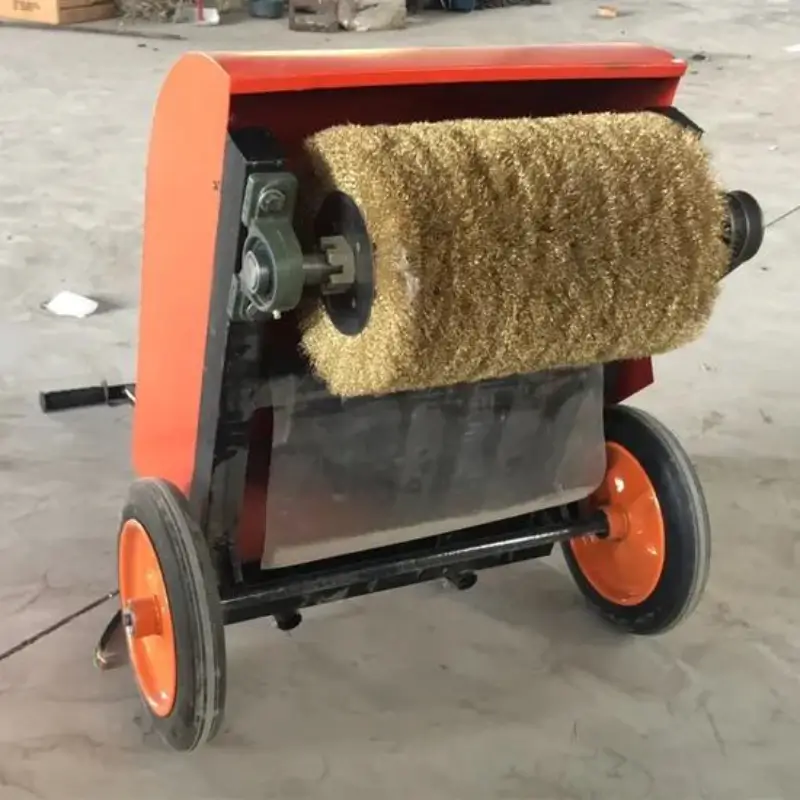
That is the gap brass wire brushing fills. Brass filaments are hard enough to break contamination loose, yet soft enough to leave the workpiece intact. Surface-finishing engineers have relied on brass rotary wire brushes for decades wherever soft metals, thin coatings, or precision surfaces are involved.
A brass rotary wire brush removes rust, oxidation, burrs, and process residue from soft metals and finished parts without scratching or gouging the base surface. The brass filaments flex under load, delivering enough abrasive energy to break contamination free while staying below the hardness threshold that causes surface damage. It is the preferred cleaning tool for aluminum, copper, brass, zinc, and other non-ferrous metals in both production and maintenance environments.
This guide explains what a brass rotary wire brush is, why brass outperforms steel on soft substrates, and where cylinder rotary brushes fit into real production processes. It also covers brush selection parameters, safe operating practices, and the mistakes that shorten brush life and ruin finishes. If you are specifying a cleaning step for the first time or replacing a tool that keeps scratching parts, the details below will help you choose correctly.
What Is a Brass Rotary Wire Brush
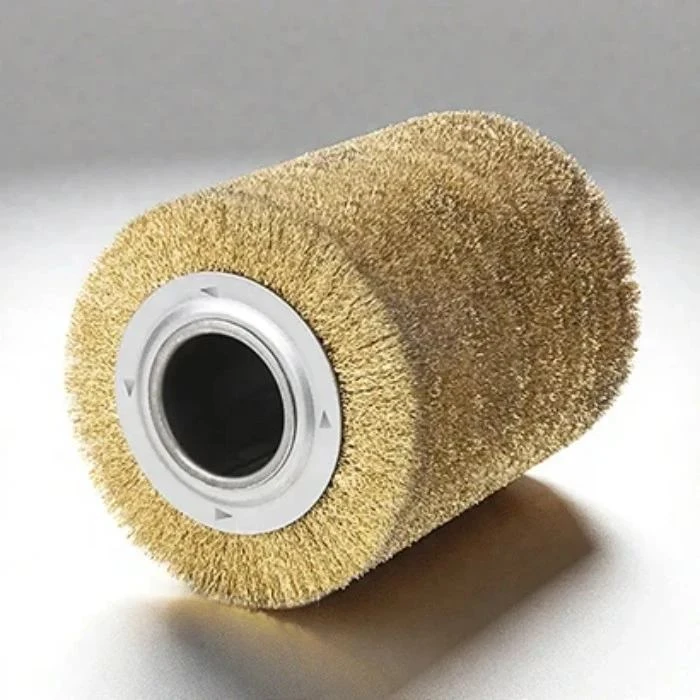
A brass rotary wire brush is a power-driven abrasive tool made from crimped or straight brass filaments mounted around a hub, designed to remove contamination from a surface through high-speed rotary contact.
Unlike coated abrasives such as flap discs or sanding belts, wire brushes clean mechanically through filament impact and scraping rather than through bonded grit. The brass wire is drawn to a controlled diameter, cut to a set trim length, and packed at a defined density around the hub. When the brush spins, each filament acts like a small spring: it strikes the surface, deflects, and wipes contamination away. Because brass is softer than hardened tool steel but harder than most oxides and scale, the filaments preferentially attack the contamination rather than the base material.
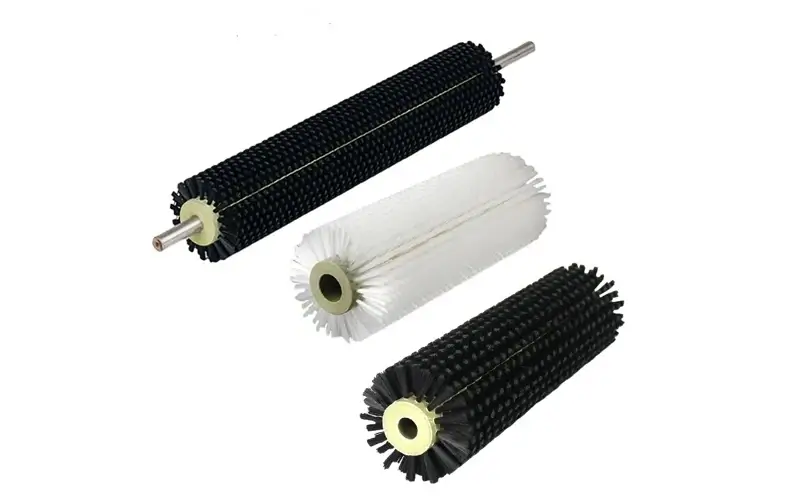
Rotary wire brushes come in several geometries, and the right one depends on the part shape and the access you have:
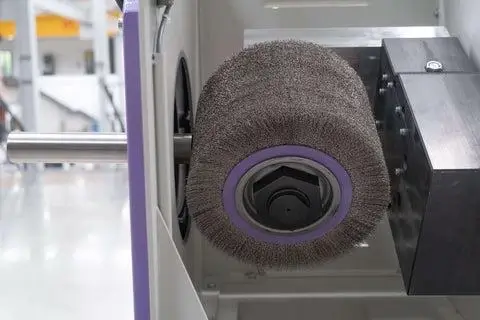
The cylinder configuration deserves special attention in production settings. A cylinder rotary brush presents a long, even working face, which makes it ideal for cleaning rollers, sheet edges, extrusions, and contoured profiles that a wheel or cup brush cannot reach consistently. On automated lines, cylinder brushes mount on fixed spindles and run against moving workpieces, delivering repeatable results without operator-dependent pressure.
Brass is available in different filament forms. Crimped brass wire provides more aggressive cutting action and better packing, while straight brass wire offers a softer, more uniform finish. Fine wire grades suit final finishing and light deburring; heavier wire grades handle heavier oxidation and scale. Choosing between them is a matter of matching filament aggressiveness to the condition of the workpiece, which is covered in more detail in the selection section below.
Why Brass Instead of Steel for Surface Cleaning
Brass wire is significantly softer than carbon steel or stainless steel wire, so it removes contamination from soft substrates without cutting into the base metal, while steel wire brushes are reserved for hard, heavily scaled surfaces.
Hardness is the core of the argument. Carbon steel wire typically measures around 45 to 55 HRC, and stainless steel wire falls in a similar range; brass wire sits far below. When a steel filament hits an aluminum part, the filament does not give way, so the impact energy transfers directly into the softer aluminum surface, leaving scratches and embedded debris. A brass filament, by contrast, deforms on impact and spreads the load, which is why brass brushes are the standard choice for non-ferrous metals.
There is a second reason brass is preferred in many plants: safety. Steel filaments striking a metal surface can generate sparks, which is a serious hazard in areas with flammable dust, solvents, or gases. Brass produces far fewer sparks, making brass rotary brushes a common choice for maintenance work around fuel systems, chemical plants, and marine environments.
Brass also wins on contamination control. Steel filaments can leave microscopic steel particles embedded in a soft surface, and on stainless steel those particles rust and create pitting later. Brass does not present this problem on non-ferrous work, and it will not contaminate stainless steel surfaces the way carbon steel can.
That is not to say steel brushes have no place. When the job is removing heavy rust or mill scale from carbon steel structures, a carbon steel wire brush is the practical tool, and the rust removal brush category exists precisely for that duty. The key is matching the brush material to the workpiece instead of using one brush for everything.
Key Applications of Brass Cylinder Rotary Brushes
Brass cylinder rotary brushes are used wherever soft metals, coated surfaces, or wood need consistent cleaning without material loss, including polishing preparation, oxidation removal, deburring, and pre-treatment before plating or painting.
Because the cylinder format produces a wide, even contact band, it suits both manual and automated operations. Below are the most common applications seen across manufacturing plants:
Metal Surface Preparation & Finishing
Non-ferrous metal cleaning. Aluminum, copper, and brass parts come off machining lines with oxidation, smut, and cutting-fluid residue. A brass cylinder brush removes these without changing dimensions.
Oxidation and tarnish removal. Copper and brass develop oxide films that must be stripped before soldering, brazing, or plating. Brass wire does this quickly and evenly.
Surface preparation before plating or painting. Plating lines require clean, oxide-free surfaces for adhesion. Brass brushes prepare the part without smearing or polishing the surface into a condition that rejects the coating.
Deburring & Edge Conditioning
Deburring of soft edges. Machined aluminum and zinc parts often carry fine burrs. Light brushing with brass filaments breaks them off without creating secondary damage.
Industrial Line Maintenance & Automated Cleaning
Conveyor and roller cleaning. Cylinder brushes mounted on automated lines keep rollers, belts, and guide rails free of buildup, which protects product quality over long production runs.
In woodworking, a brass wire cylinder brush can replace multiple manual sanding steps on shaped profiles. The filaments follow the contour of the workpiece, reaching into grooves and edges that flat abrasives miss. In metalworking, the same brush removes heat tint from welded aluminum and brightens copper bus bars before electrical connections are made.
For parts that need a bright, consistent appearance after cleaning, brass brushing is often paired with a light abrasive or chemical step. The brush does the mechanical work, and the finishing step removes any residual film. On automated lines, this combination runs with minimal operator input and produces repeatable results across thousands of parts.
How to Select the Right Brass Wire Brush
Selecting the right brass wire brush comes down to five specifications: wire diameter, trim length, fill density, brush dimensions, and rated speed, all matched to the material and contamination of the workpiece.
There is no universal brush that suits every job. Buying on price alone usually ends in poor finish or short tool life. Work through the parameters below in order, and the correct brush becomes clear.
Wire diameter
Wire diameter is the single most important selection factor. It controls both the aggressiveness of the brush and the finish it leaves:
On soft metals such as aluminum, start with a fine wire and increase diameter only if the cleaning rate is too slow. A heavier wire will clean faster but also risks visible scratches.
Trim length and fill density
Trim length is the distance the filaments extend from the hub. Longer trim gives a softer, more forgiving action and better reach into contours; shorter trim is stiffer and more aggressive. Fill density controls how many filaments contact the surface. Dense packing increases cutting power and produces a finer finish, but it also increases load on the motor. Match both to the machine you are mounting the brush on.
Brush dimensions and arbor
The brush diameter and face width must fit the workpiece and the machine. On automated lines, the brush width should cover the full surface being processed, or the line must index the part. Confirm the arbor hole size and mounting style match your spindle, and check the maximum RPM rating printed on the brush. Running a brush above its rated speed is a common cause of filament breakage and flying debris.
Filament form
Crimped brass wire holds its shape, packs tightly, and cuts more aggressively. Straight brass wire is softer, deflects more, and produces a smoother finish. For final cleaning on finished parts, straight wire is usually the safer choice. For pre-treatment and heavier contamination, crimped wire removes material faster.
When in doubt, test on scrap material first. Run the brush at the planned speed, apply normal pressure, and inspect the result. If the finish is acceptable and the contamination is gone, the specification works for production. For a deeper look at cleaning and polishing non-ferrous metals with this tool, see the complete brass rotary brush guide.
Best Practices for Safe and Effective Operation
Safe and effective brass wire brushing depends on controlling speed, pressure, and direction, plus protecting the operator with guards, eye protection, and proper mounting practices.
Wire brushes are simple tools, but they fail in predictable ways when mishandled. Follow these practices to get consistent results and keep operators safe:
Speed & Pressure Control
Stay within the rated speed. Exceeding the maximum RPM causes filaments to fatigue and shed. A thrown wire can penetrate skin, so never remove the guard.
Use light pressure. Let the filaments do the work. Heavy pressure overloads the motor, bends filaments, and leaves scratches. Light, repeated passes produce a better finish than one hard pass.
Setup, Direction & Maintenance
Dress the brush before use. New brushes have sharp filament ends. Run the brush against a scrap part or a dressing stone for a few seconds to condition the tips and smooth the action.
Move in the correct direction. For a wheel brush, work so the brush rotates away from the edge of the part to avoid grabbing. For cylinder brushes, feed the workpiece against the rotation direction for even contact.
Keep the brush clean. Brass filaments load up with residue over time. A dirty brush loses cutting efficiency, so clean it periodically and replace it when the filaments are worn or bent permanently.
Operator Safety & Wear Monitoring
Wear proper PPE. Safety glasses or a face shield are mandatory. Gloves and fitted clothing reduce the risk of the brush catching loose material and pulling it in.
On automated lines, check brush wear on a schedule. A cylinder brush that has lost 20 percent of its trim length behaves differently from a new brush, and the finish will drift. Logging brush hours and replacing them at consistent intervals keeps quality stable.
Common Mistakes to Avoid
Most brass brush failures trace back to a handful of repeatable mistakes: overspeeding, overpressure, wrong wire diameter, mixing brush materials, and running worn brushes past their useful life.
Avoiding these mistakes is cheaper than fixing their consequences:
- Pressing too hard. Operators push harder when a brush seems slow. The result is a bent filament pack, motor strain, and a scratched workpiece. Reduce pressure and increase passes instead.
- Choosing steel out of habit. A steel brush on an aluminum part leaves permanent marks. Confirm the workpiece material before mounting any brush, and keep brass and steel brushes clearly separated in storage.
- Ignoring speed ratings. Brushes labeled for 6,000 RPM get mounted on spindles running 12,000 RPM, and filaments fly off in the first minute. Check the rating every time.
- Using one brush for every job. A brush that handles heavy rust on steel will destroy a soft brass fitting. Match the brush to the specific material and contamination level.
- Forgetting the finish requirement. A brush selected for speed may clean fast but leave a rough surface that forces extra finishing work. Evaluate the complete process cost, not just cleaning time.
- Running brushes until they fail. Worn brushes cut unevenly and leave inconsistent finishes. Replace them on a schedule tied to hours of use, not when they stop working.
The pattern behind these mistakes is treating the brush as a consumable accessory rather than a process parameter. On a production line, brush specification is as important as spindle speed or feed rate. Documenting the brush type, speed, and pressure for each job makes results repeatable and troubleshooting straightforward.
FAQ
Can a brass rotary wire brush remove rust?
Yes, but with limits. Brass wire removes light to moderate rust and oxidation from steel and soft metals, and it does so without damaging the base material. For heavy rust, mill scale, or pitted surfaces, a carbon steel or stainless steel brush removes material faster, and a rust removal brush with carbon steel filaments is the better choice for that job.
What is the difference between brass and steel wire brushes?
The difference is hardness and application. Brass filaments are softer, so they clean gently and suit non-ferrous metals, soft coatings, and wood. Steel filaments are harder and more aggressive, making them effective on heavy rust and scale but risky on soft substrates where they scratch and embed particles. Brass also generates fewer sparks in hazardous environments.
How long does a brass wire cylinder brush last?
Service life depends on wire diameter, trim length, operating speed, pressure, and the abrasiveness of the workpiece. Under normal production conditions, a brass cylinder brush lasts anywhere from several weeks to several months of continuous use. Monitor trim length and finish quality, and replace the brush when the filaments have worn to roughly 70 to 80 percent of their original length or when cleaning performance drops.
Conclusion
A brass rotary wire brush solves a problem that aggressive abrasives cannot: it cleans soft metals, coated parts, and wood without damaging the surface underneath. Because brass filaments are softer than the base materials they are asked to clean, they remove rust, oxidation, burrs, and residue while preserving dimensions and finish. Cylinder formats extend that capability to automated lines and contoured parts.
Choosing the right brush means matching wire diameter, trim length, fill density, and speed to the workpiece, then operating within the rated limits with light pressure and proper safety equipment. Avoid the common mistakes of overspeeding, overpressuring, and using one brush for every job, and the same brush will deliver consistent results for months. For engineers and maintenance teams working with non-ferrous metals, a properly specified brass rotary wire brush is one of the most reliable tools in the cleaning line.