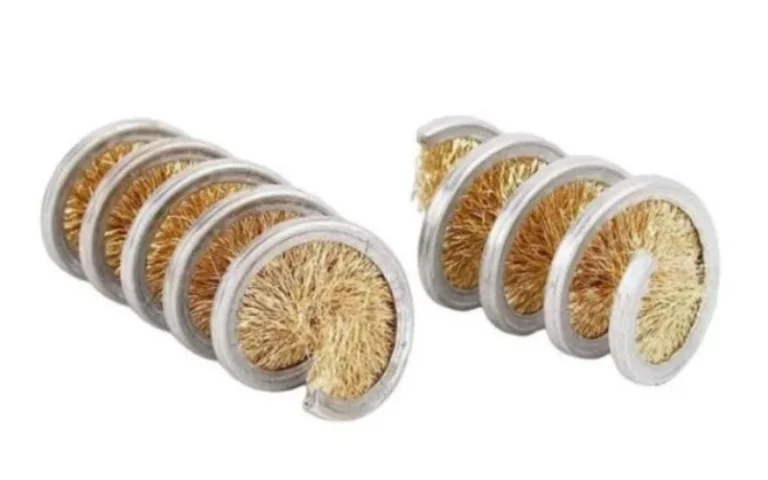
Industrial cleaning and surface preparation often happen right next to heat sources. Weld cells, heat-treatment furnaces, steel mills, and chain drives near hot process lines all push tools past what ordinary brushes can handle. Synthetic bristles soften and melt. Carbon steel wires scale and lose their spring. Buyers and maintenance teams need a brush that keeps its stiffness, bite, and geometry when the ambient temperature climbs to 300°C, 500°C, or higher.
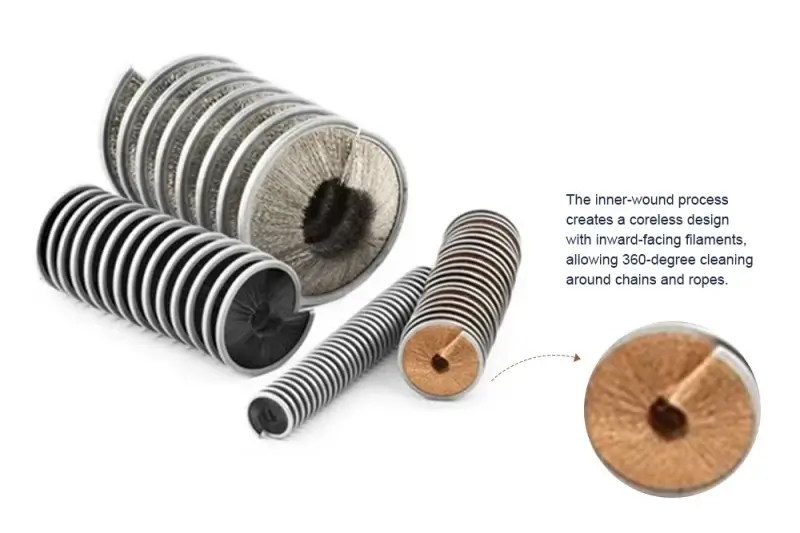
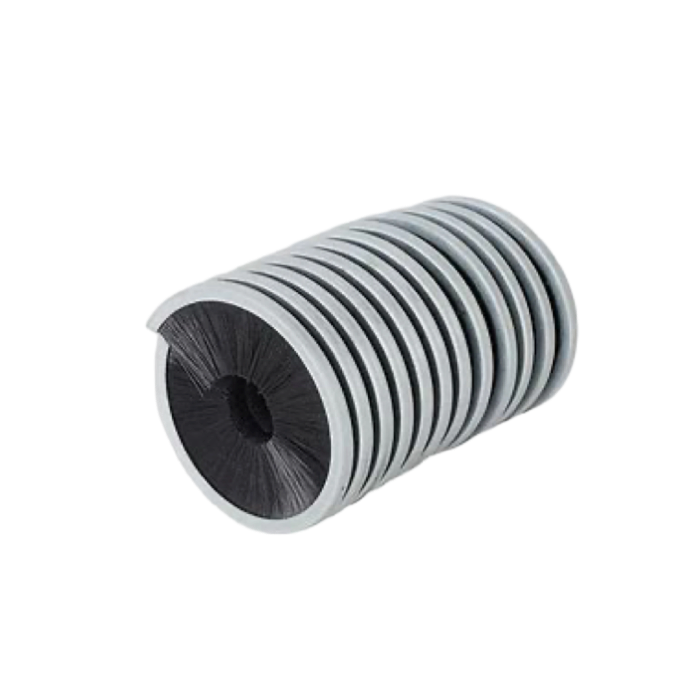
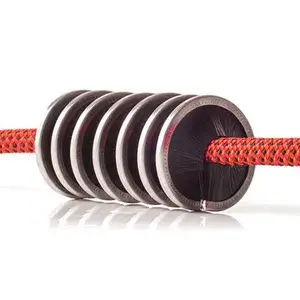
The spring brush, also called a coil brush or spiral brush, is the standard tool for these conditions. Its wire filaments are wound continuously around a helical core, which gives it a cylindrical shape that can wrap around chains, clean the inside of pipes, and scrub flat or curved surfaces. Because the whole tool is made of metal wire and a metal core, it has a natural head start over plastic-bristle brushes in hot environments. But the actual temperature limit depends on the wire grade, the coil pitch, and how the brush is used.
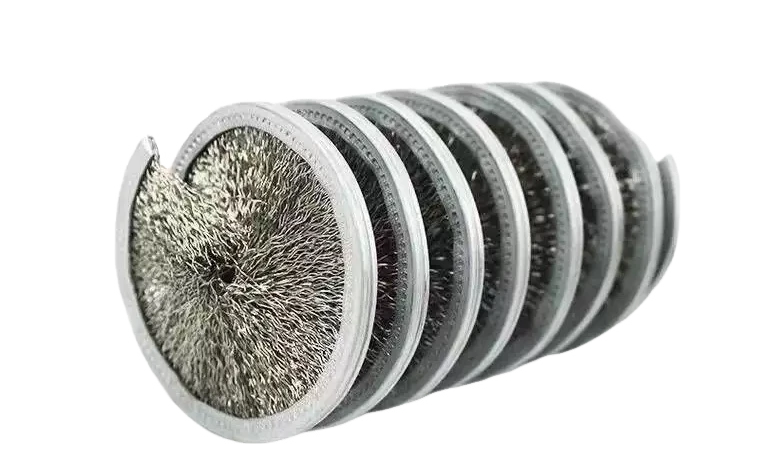
A spring brush can withstand operating temperatures from roughly 150°C to over 800°C, depending on the filament material. Carbon steel wire handles continuous service around 200–300°C, 304 stainless steel wire is reliable at 400–500°C, 310S stainless steel wire extends the range to 600–700°C, and special alloy or ceramic fiber constructions survive 800°C and above. For most heavy-duty applications, a stainless steel wire coil brush is the practical choice whenever process temperatures exceed 300°C.
The rest of this guide explains the temperature limits by material, describes why heat degrades brush filaments, and maps the heavy-duty applications where a high-temperature spring brush is not optional. It closes with selection criteria and maintenance habits that protect brush life in hot-process environments, so you can specify the right tool the first time.
What Is a Spring Brush
Definition and Basic Function
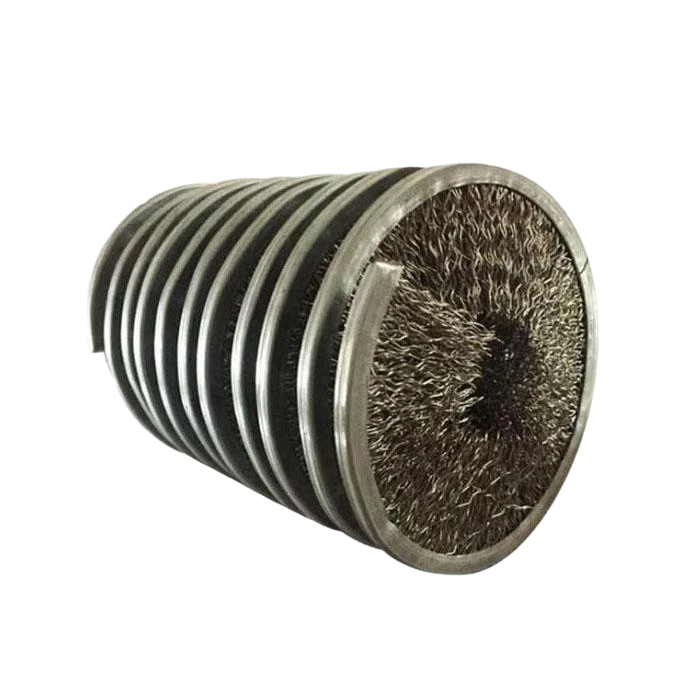
A spring brush is a cylindrical cleaning tool built from wire filaments wound continuously around a helical core. It is often called a coil brush or spiral brush, and it removes rust, scale, weld slag, and grease from chains, shafts, pipes, and irregular surfaces in industrial machinery.
Construction and Geometry
The construction is simple, but the geometry matters. A strip of wire is coiled around a central core so the filaments spiral outward along the length of the brush. The result is a tool that presents a continuous line of wire to the workpiece, which lets it clean 360 degrees around a chain, follow the curve of a pipe, or scrub a flat plate without needing a specific orientation. This is why the design shows up in conveyor maintenance, tube cleaning, and metal finishing.
Key Variables: Coil Pitch and Filament Diameter
Two variables control how the brush behaves:
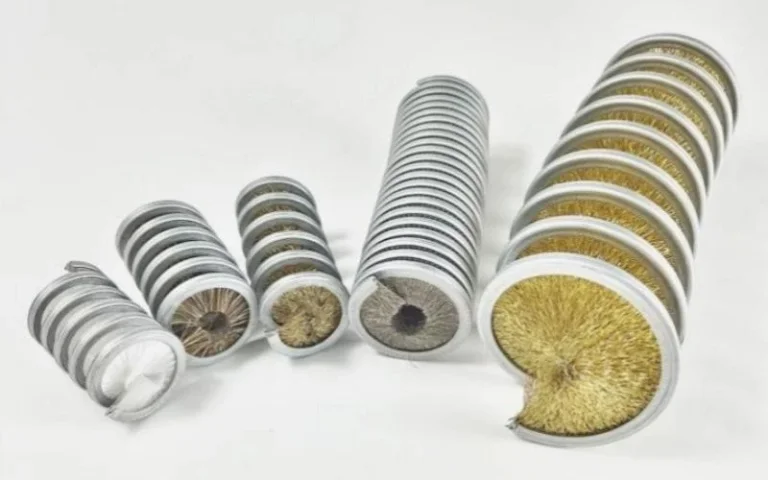
- Coil pitch. A closed coil has adjacent turns touching, which creates a dense wall of wire for aggressive scrubbing. An open coil leaves gaps between turns so coolant or debris can pass through, and sticky material is less likely to clog the brush.
- Filament diameter. Thick wire (0.3–0.5 mm) is for heavy material removal and scale stripping. Thin wire (0.1–0.2 mm) is for polishing and lighter finishing work.
The Role of Filament Material
The filament material decides the temperature ceiling. A steel wire coil brush can be built from carbon steel, stainless steel, brass, or specialty alloys, and each grade behaves differently when the heat is on.
What Temperatures Can a Spring Brush Withstand
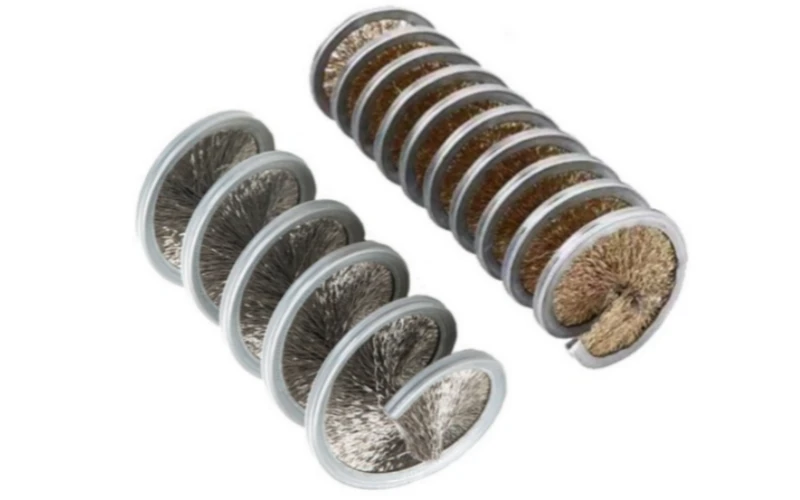
A standard carbon steel spring brush tolerates continuous service around 200–300°C. Upgrade to 304 stainless steel wire and the practical limit rises to 400–500°C. With 310S stainless steel, the brush keeps working at 600–700°C. Special alloy wires and ceramic fiber filaments push the ceiling beyond 800°C.
The temperature rating is not a single number. It depends on the wire grade, the length of exposure, and whether the brush is in direct contact with a hot workpiece or simply working in a hot environment. The table below summarizes the practical ranges for common filament materials used in high-temperature spring brushes.
Two things matter when reading this table. First, continuous service is different from peak exposure. A brush can survive a short spike above its rating, but repeated or sustained exposure above the continuous limit accelerates oxidation and temper loss. Second, the core and any mounting hardware must tolerate the same heat as the filaments. A stainless wire wound around a low-carbon steel core creates a weak point at the center of the brush.
For buyers comparing options, the practical question is usually between a steel coil brush and higher-alloy versions. If the process stays under 300°C, carbon steel is economical. Above that, stainless steel wire coil brushes carry most of the work.
Why Heat Damages Brush Filaments
The Three Failure Mechanisms
Heat destroys brush filaments through three mechanisms: oxidation, loss of temper, and thermal fatigue. Once the wire exceeds its rated range, the surface scales, the spring temper relaxes, and the bristles lose the stiffness they need to bite into contamination.
Oxidation — The First Failure Mode
Oxidation is the first failure mode. At elevated temperatures, oxygen reacts with the wire surface and forms scale. On carbon steel, this happens quickly above 300°C, and the scale flakes off, thinning the wire and leaving a rough surface that reduces cleaning efficiency. Stainless steel resists this much better because the chromium in the alloy forms a protective oxide layer, which is why 304 and 310S grades are the standard choice for hot service.
Loss of Temper and Thermal Fatigue
Loss of temper is the second issue. Spring brush wire is work-hardened during manufacture to give it stiffness and resilience. Heat relaxes that internal structure. When the temperature passes the wire’s tempering range, the filaments soften, bend instead of scrubbing, and stay bent after contact. The brush visually looks the same but no longer removes contamination effectively.
Thermal fatigue compounds both problems. Rapid heating and cooling cycles make the wire expand and contract unevenly, which eventually cracks the oxide layer and produces stress fractures in the wire. Brushes used in batch processes that swing between hot and cold suffer more damage than brushes in steady hot service.
Brass is a special case. A brass coil brush offers spark-resistant, non-marring cleaning and works well in the 150–200°C range, but brass softens and oxidizes noticeably at higher temperatures. If the process runs above 200°C, brass is the wrong material and a stainless or alloy wire brush is the correct specification.
Heavy-Duty Applications That Demand High-Temperature Brushes
Industries That Rely on High-Temperature Brushes
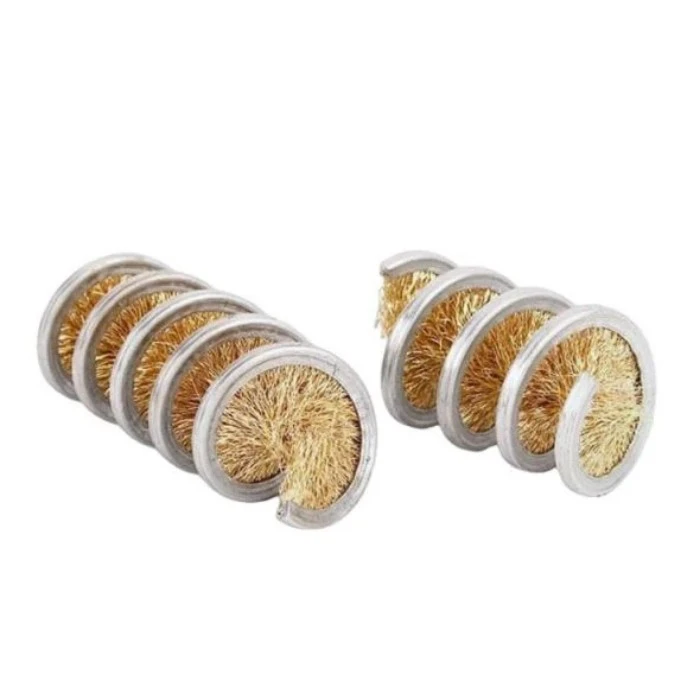
Steel mills, welding and fabrication shops, heat-treatment lines, foundries, and conveyor systems near furnaces all rely on high-temperature spring brushes for scale removal, chain cleaning, and surface prep that synthetic brushes cannot survive.
Key Application Groups
The applications fall into a few clear groups:
- Mill scale and rust removal. Hot-rolled steel forms a flaky oxide layer called mill scale. Brushes remove it before coating, painting, or further processing, and the work often happens on warm or hot material. Stainless steel wire brushes hold their stiffness long enough to strip the scale without smearing.
- Chain and conveyor maintenance. Drive chains near ovens, dryers, and furnaces collect grease, carbonized residue, and dust. A spring brush mounted in a cleaning station scrubs the chain continuously while the line runs, which protects sprockets and extends drive system life.
- Weld seam cleaning. After welding, slag and discoloration need to come off before inspection or coating. The brush works close to the weld zone, where residual heat keeps the part warm.
- Pipe and tube interior cleaning. Tubes that carry hot gases, exhaust, or process fluids build up deposits on the inside wall. An inside coil brush is sized to the bore and pushed or rotated through the tube to remove the buildup without damaging the base metal.
The Common Requirement
In each case, the common requirement is the same: the brush must keep its cutting action while the workpiece or the surrounding air is hot enough to destroy organic bristles and soften ordinary steel.
How to Choose a High-Temperature Spring Brush
The Golden Rule of Selection
Match the wire grade to the worst-case process temperature, add a safety margin of 50–100°C, and confirm that the core and mounting hardware use the same heat-tolerant material as the filaments.
A Five-Step Selection Process
A practical selection process covers five points:
- Define the worst-case temperature. Use the highest temperature the brush will see, not the average. Include radiant heat from nearby furnaces, not just direct contact temperature.
- Choose the wire grade with margin. If the process runs at 450°C, a 304 stainless brush rated to 500°C leaves too little headroom; 310S or an alloy grade is the safer call.
- Select the coil pitch. Closed coils for aggressive scale removal, open coils when coolant flow or sticky debris is a factor.
- Confirm core and mounting. The helical core, end caps, and any threaded fittings must survive the same heat. Ask the manufacturer how the core is made before specifying the brush.
- Decide on filament diameter. Heavy contamination and thick deposits call for 0.3–0.5 mm wire. Finishing and polishing on sensitive surfaces call for finer wire.
Beyond the Basics
The guidance on choosing an inside coil brush covers bore sizing, bristle trim, and density trade-offs in more detail. The same logic applies to high-temperature service: tighter tolerances and smaller bores need precise brush geometry, while larger diameters tolerate more variation.
Extending the Service Life of a Hot-Process Brush
Inspect brush filaments for scale, discoloration, and stiffness loss at regular intervals, keep contact pressure moderate, and let the brush cool slowly after shutdown to slow oxidation and thermal fatigue.
High-temperature brushes still wear out, but the failure is predictable. A few habits keep them working longer:
- Check the filaments weekly. Look for heavy scaling, bent wires that stay bent, and obvious thinning. Any of these means the brush has passed its useful life.
- Use the lightest contact pressure that still cleans. Excess pressure bends filaments past their elastic limit and accelerates fatigue, especially at temperature.
- Avoid thermal shock. When the line shuts down, let the brush cool with the machine instead of quenching it with water or coolant. Rapid cooling cracks scale and creates stress fractures.
- Keep spare brushes on hand for the hottest stations. A brush that runs continuously at the top of its rating will need replacement sooner, and swapping it before failure avoids unplanned downtime.
The Bottom Line
Spring brush temperature resistance is set by the filament material, not by the brush design. Carbon steel covers 200–300°C, stainless steel wire coil brushes handle 400–700°C depending on grade, and alloy or ceramic fiber constructions push past 800°C.
Most heavy-duty operations that need a hot-process brush are best served by a stainless steel wire coil brush, because it combines heat resistance, cutting ability, and cost in one package. Brass remains a good option only where temperatures stay under 200°C. Whatever the material, the safe specification practice is to measure the worst-case heat, add a margin, and verify that the core and mounting hardware can take the same temperature as the filaments. A spring brush specified that way will keep cleaning long after ordinary brushes have gone soft.
Frequently Asked Questions
Can a spring brush be reused after exposure to temperatures above its rating?
A brush that has been overheated can look intact and still be unusable. Loss of temper is invisible: the filaments have softened even though the wire has not broken. Test the brush on a sample workpiece. If it no longer removes scale or residue as it did when new, replace it. Do not rely on visual inspection alone after an over-temperature event.
How does duty cycle affect the temperature rating of a spring brush?
Duty cycle matters more than most spec sheets admit. A brush that runs continuously at 400°C behaves differently from one that spends 10 minutes in a hot zone and 20 minutes cooling. Intermittent service lets the wire shed heat and slows oxidation, so a brush rated for continuous 400°C service can often survive short peaks above that limit. The reverse is also true: continuous exposure at the top of the rating shortens service life faster than the table suggests.
Are stainless steel spring brushes suitable for food processing lines with hot washdowns?
Yes, provided the grade and the application match. Stainless steel wire coil brushes are used in food and beverage plants for conveyor cleaning and bottle handling, and 304 stainless resists both heat and the corrosive effects of washdown chemicals. Check that the brush is specified for the washdown temperature and that loose filaments cannot enter the product stream. Food plants normally require brushes with secure end caps and documented material certificates.