
In the realm of industrial surface treatment, achieving a flawless finish on delicate or contoured substrates requires more than just mechanical force; it requires the right interface. The Sisal Cylinder Brush has emerged as the gold standard for industries that demand a balance between aggressive scrubbing and surface integrity. From high-end furniture manufacturing to precision metal deburring, the choice of brush can dictate the final product’s quality and the operation’s overall efficiency.
The Science Behind Natural Fiber Abrasives
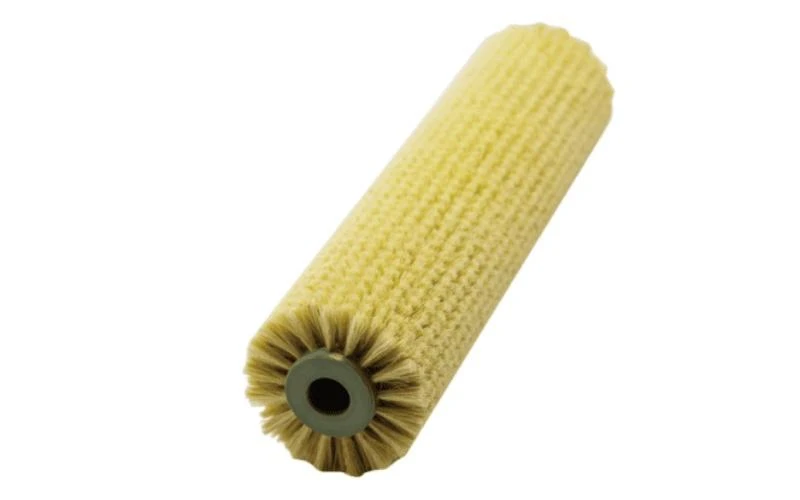
Sisal, derived from the Agave sisalana plant, is a remarkably tough and durable natural fiber. Unlike synthetic filaments, sisal possesses a unique cellular structure that allows it to retain polishing compounds and waxes more effectively. Before diving into procurement, it is essential to understand What a Sisal Cylinder Brush and why its physical properties are superior for specific finishing tasks.
The natural stiffness of the fiber provides a high “flick action,” which is crucial for removing dust from deep wood grains or smoothing out microscopic burrs on metal. Furthermore, sisal is inherently resistant to heat, meaning it will not melt or smear onto the workpiece during high-speed rotation—a common failure point for cheaper nylon alternatives.
Key Factors in Sisal Cylinder Brush Selection
Selecting a high-performance Sisal Cylinder Brush involves more than matching dimensions. Engineering a brush that provides consistent results requires an analysis of the following variables:
- Filament Density and Arrangement
Density determines the “aggression” of the brush. A high-density brush provides a stiffer surface, ideal for flat-panel sanding. Conversely, a lower-density spiral-wound brush allows the filaments to deflect, making it perfect for irregular shapes and profiles.
- Trim Length and Stiffness
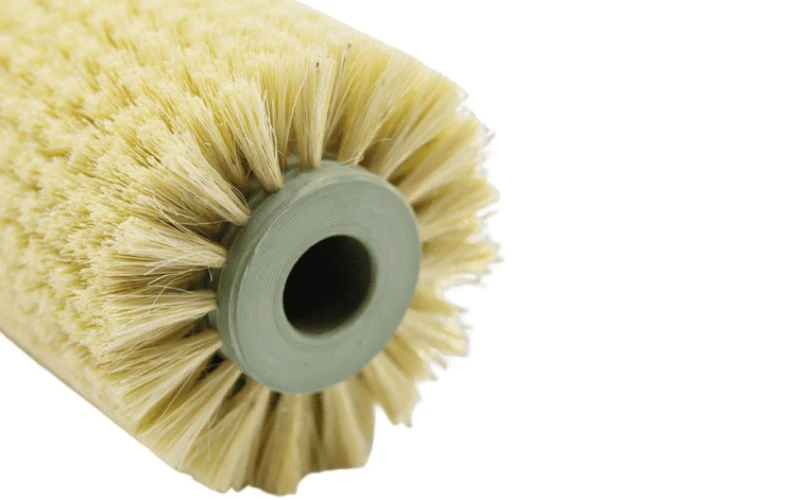
The trim length—the distance from the core to the tip of the sisal—significantly impacts flexibility. A shorter trim length results in a rigid brush that exerts more pressure on the substrate. A longer trim allows the brush to “wrap” around edges, ensuring that the finish is uniform even on complex geometries.
- Core Integrity and Mounting
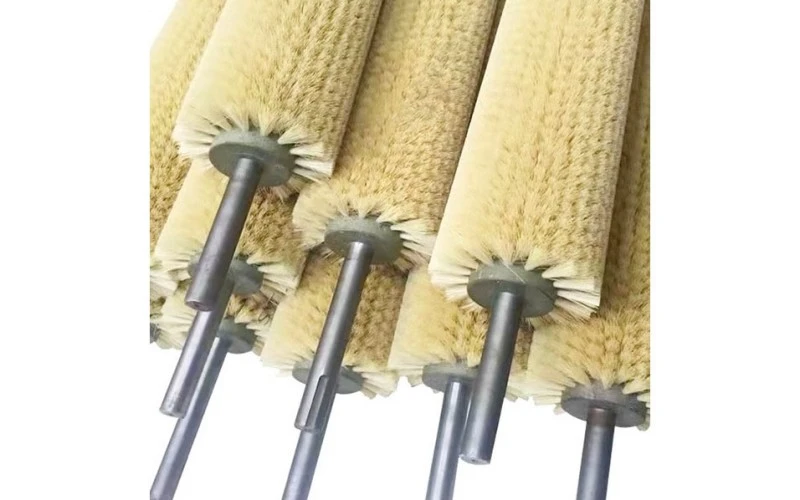
In B2B environments, downtime is the enemy. A heavy-duty steel or reinforced plastic core is necessary to withstand the high torque of automated machinery. Ensuring compatibility with existing arbors and drive systems is a prerequisite for a seamless integration.
Primary Applications in Modern Manufacturing
The versatility of sisal allows it to be configured for various specialized industrial roles. Understanding these applications helps in identifying the specific brush construction needed.
H3: The Essential Wood Polishing Brush
In the woodworking industry, the Wood Polishing Brush is used primarily for grain cleaning and sealer sanding. It removes loose fibers (whitewood sanding) to prevent “grain raise” when moisture is applied via stains or paints. This ensures a smooth, professional-grade base for the final finish.
Advanced Furniture Polishing Brush Techniques
For high-gloss or satin finishes, a Furniture Polishing Brush made of premium sisal is often used in conjunction with buffing compounds. This application is critical for cabinets and fine furniture where surface uniformity is the primary metric of quality.
Integrating a Sandpaper Brush for Aggressive Sanding
When a more aggressive cut is required, manufacturers often utilize a Sandpaper Brush. This hybrid component combines sisal filaments with abrasive cloth strips. In this configuration, the sisal sanding brush acts as a supportive cushion, pushing the sandpaper into the contours of the workpiece without over-sanding the high spots.
Comparative Analysis: Sisal vs. Synthetic Filaments
| Feature | Sisal Fiber | Synthetic (Nylon/PP) |
| Heat Resistance | Excellent (Does not melt) | Moderate (Risk of smearing) |
| Compound Retention | High (Natural absorption) | Low (Surface coating only) |
| Static Generation | Very Low | High |
| Best For | Wood, Metal, Buffing | Cleaning, Light Deburring |
| Sustainability | Biodegradable | Petroleum-based |
Optimizing the Brushing Process for Maximum ROI
To achieve the best results with a Sisal Cylinder Brush, operational parameters must be precisely controlled. Observing common failures in the field reveals that most issues stem from improper machine settings rather than the brush itself.
- Rotational Speed (RPM): For sisal, faster is not always better. Excessive speed can cause the fiber to become too rigid, leading to “burnished” spots. A moderate speed allows the fibers to work into the grooves.
- Direction of Rotation: Utilizing a counter-current rotation (opposite to the conveyor movement) maximizes the contact time and friction, leading to a deeper clean.
- Pressure Management: The brush should only engage the substrate by approximately 2mm to 4mm. Over-compression leads to premature wear of the core and reduces the “flick” efficiency of the sisal.
Maintenance and Safety Protocols
Even a high-quality Sisal Cylinder Brush requires regular inspection to maintain safety and performance. Because sisal is a natural fiber, it is sensitive to extreme moisture. Storing brushes in a dry, climate-controlled environment prevents the fibers from becoming brittle or molding.
- Daily Check: Inspect for uneven wear patterns, which usually indicate an alignment issue with the machine’s shaft.
- Cleaning: Remove accumulated dust or wax buildup using compressed air to ensure the filaments remain flexible.
- Replacement: Once the trim length has worn down by 50%, the leverage of the fiber is lost, and the brush should be replaced to avoid damaging the workpiece.
Frequently Asked Questions
Q1: Can your Sisal Cylinder Brush be customized for non-standard OEM machinery?
A: Yes, custom manufacturing is available for specific core diameters, lengths, and filament densities to ensure a perfect fit for any legacy or custom-built machinery.
Q2: What is the typical lead time for a bulk wholesale order?
A: Standard production for wholesale orders typically ranges from 10 to 15 business days, ensuring rigorous quality control before shipping from our facility.
Q3: Is the sisal sanding brush suitable for wet sanding applications?
A: While sisal is durable, it is best suited for dry or oil-based polishing. For water-based environments, we recommend specific synthetic filaments to prevent fiber swelling.