
In automated production lines, while all sisal brushes provide surface finishes, not all produce equivalent results. In fact, a polished surface that passes quality inspection versus one that requires rework will often vary based on a single specification—density of the fibers.
However, many of the purchase teams that order brushes tend to overlook the factor of fiber density when ordering products. Typically, manufacturers will use the design specifications; they do not consider how the density of the fiber interacts with the type of material, how quickly the machine can run, and the desired finish quality. For companies that need a custom cylinder brush to meet certain production needs, it is important to select a density that will enable the operator to achieve a consistent output.
This article discusses the influence of fiber density on mounting performance and provides guidance for selecting the appropriate sisal cylinder brush to meet specific performance criteria for each application.
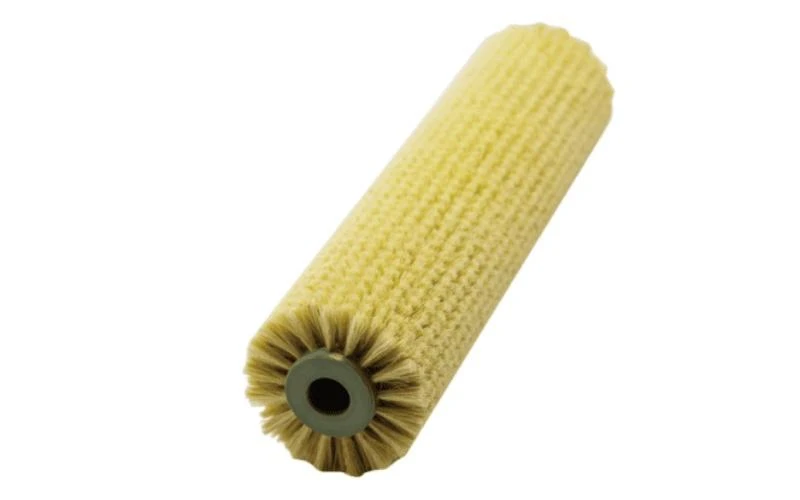
How Does Fiber Density Impact Sisal Brush Performance
The number of sisal fibers that are placed per unit area of the brush core is known as fiber density. More sisal fibers in a single brush core means that more fibers will contact the surface of the workpiece every time that the brush rotates. A lower fiber density, however, allows each individual fiber to have some room for flexing and moving around independently.
This difference also directly affects three major performance characteristics:
- Contact pressure distribution across the surface of the workpiece
- Heat generation during high speed rotation
- Material removal rate compared to surface protection
Practically, experienced production engineers notice that changing fiber density by 10% to 15% on the same material, at the same speed, will significantly alter the surface finishing quality of that material. Therefore, getting the specified density is much more critical than many procurement teams think.
How Density Affects Polishing Performance
Low Density: Light Cleaning and Dust Removal
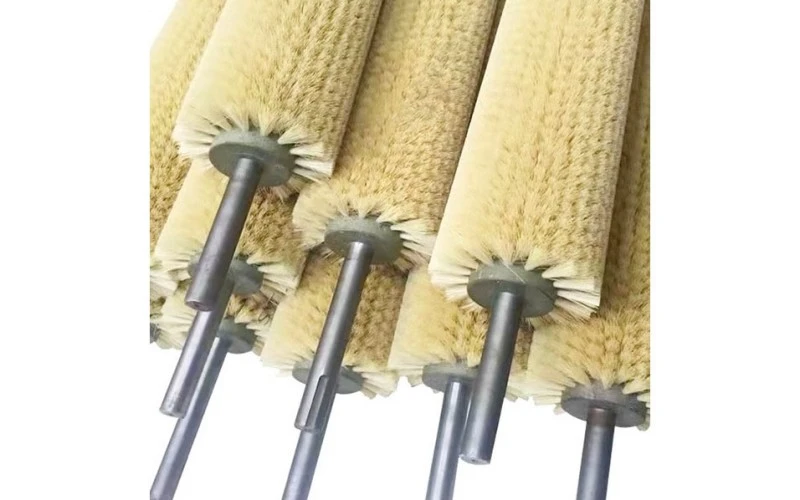
With low-density sisal brushes, the fibers are spaced further apart from one another. This spacing causes the individual fibers to be able to move more freely and thus work well for applications that require a light touch, where heavy removal of material is not involved.
Some common uses for low-density brushes include:
- Removing dust from surfaces prior to being worked on
- Beginning to open the surface grain of a piece of wood so that it can be prepared for sanding
- Creating a surface profile ready for placement of sandpaper on a sandpaper brush machine
Due to the lower weight of the brush filament, low-density brushes generate very low levels of friction, result in lower levels of heat generation, and apply lower amounts of contact pressure, making them suitable for use on softwoods, which will scratch easily. However, due to their lighter weight, low-density brushes do not possess the cutting ability needed for heavy-duty polishing.
Medium Density: Versatile Wood Finishing
On average, Medium Density configurations are the most requested type of finish used in general wood panel finishing activities. A wood polishing brush with full bristle density will most often provide an acceptable combination of smoothing the surface of the wood while preserving some of the original material.
This density range works well for:
- Removing light mill marks after planing
- Smoothing micro-scratches left by wide-belt sanders
- Preparing surfaces for lacquer or lamination coating
When production teams are working with different types of wood together; (i.e., softwoods and hardwoods) they usually determine that medium density is the best available option because it has a suitable abrasive effect on pine and/or spruce, while providing adequate rigidity to properly plan the face of oak and/or maple.
High Density: Aggressive Polishing and Defect Removal
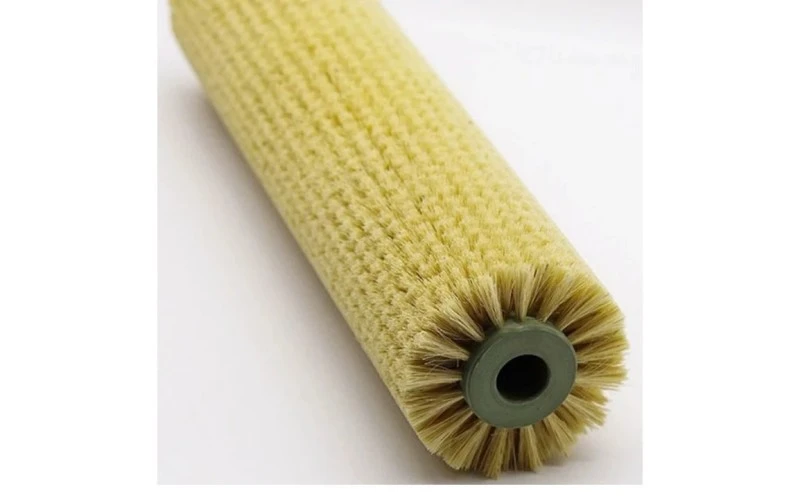
The brushes with higher density hold more hair than others. This means that they will give more pressure than a brush with less density; therefore, they create more friction and remove more material.
Higher density brushes typically are used for:
- To polish MDF and particle board panels
- To remove sanding marks before the final coat is applied
- To achieve a mirror smooth finish on engineered wood composite products
Although the use of high density brushes produces excellent polishing results on the harder materials, they are not always suitable for use on softer or thinner workpieces. The high contact pressure created when using high density brushes may produce indentation or fiber marks to the surface of these delicate substrates.
Density Guide by Application
| Application | Recommended Density | Typical Material Range | RPM Range | Selection Consideration |
| Dust Removal and Pre-Sanding | Low | Softwoods / Thin Panels | 800–1200 RPM | Minimize surface pressure |
| General Finishing of Wood Panels | Medium | Mixed species / Plywood | 1000–1500 RPM | Balance finish and protection |
| Heavy Furniture Polishing | High | MDF / Particleboard / Hardwood | 1200–1800 RPM | Maximize defect removal |
| Between-Stage Conditioning | Low to Medium | All wood types | 800–1400 RPM | Gentle cleaning without profile change |
The values in this table give a starting reference point for finding the right brush. However, the actual results of matching brushes to finishing goal(s) are dependent upon all of the different combinations of brush specifications. To match a brush with a specific finishing goal, it will be more prudent to choose the right sisal brush based on the total number of production variables and not just density.
Beyond Fiber Density: Other Considerations
Fiber density is an important factor to consider, but it isn’t the only one. There are several other specifications that can influence the performance of a sisal cylinder brush in actual production conditions:
- Trim Length – Longer trim provides more flexibility in terms of the flexibility of the fibers; shorter trim makes the brush stiffer
- Core Diameter – This will have a bearing on the rotational speed at the tips of the fibers
- Fiber Blend – Some manufacturers combine other types of natural/synthetic fibers with the sisal to create brushes with different performance levels
- Overall brush length – Must match the working width of the production line
The machine parameters — such as the shaft diameter, available mounting space, operating speed and intended material — you provide to the supplier should match what you expect to receive when you have your custom brush manufactured. Providing complete information will allow for the brush’s consistent performance from the first production run.
By understanding the relationship between these variables, manufacturers that are evaluating sisal brush industrial applications like furniture, wood panel, and sanding lines will have an easier time choosing the appropriate density.
Frequently Asked Questions
Can I customize the density of the fiber for my specific production process?
Yes! Some of the most credible brush companies offer an option to adjust the fiber density on their brushes as part of your custom specifications, allowing you to achieve a precise density fit based on your desired speed and materials.
What are the differences in selecting a brush density when processing softwoods and hardwoods?
While processing softwood, a lower density is more appropriate to avoid causing damage to the surface. For hardwoods, selecting a medium to high-density brush will effectively polish the surface and remove faults.
Is it feasible to purchase trials of brushes prior to placing larger wholesale orders?
Most manufacturers will have sample/trial brushes available for production teams to evaluate adapting to their machine performance prior to placing full manufacturer orders and receiving a larger quantity than needed if you do not perform correctly for your selection of brushes!