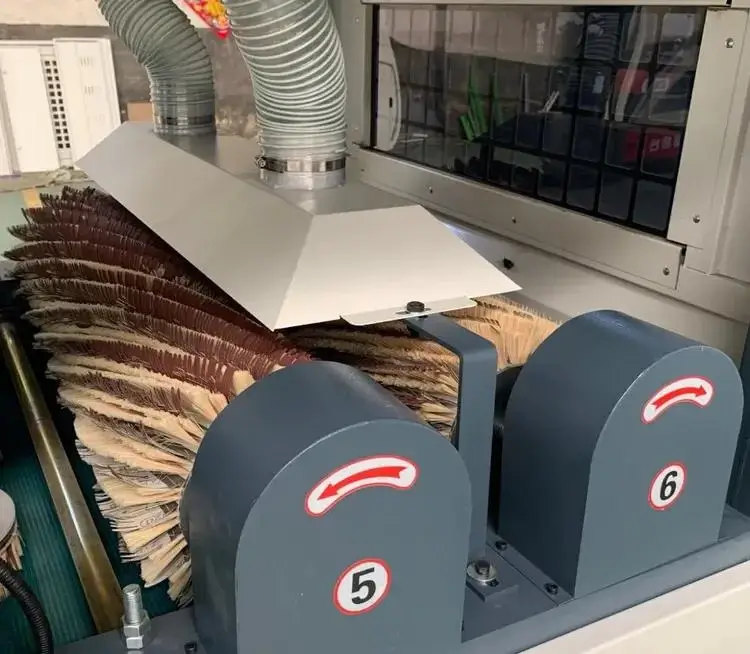
What Makes a Good Woodworking Sanding Brush for Your Projects?
A good woodworking sanding brush matches abrasive type, grit range, density and core to your wood species and finish stage. Here is how to specify one.

A good woodworking sanding brush matches abrasive type, grit range, density and core to your wood species and finish stage. Here is how to specify one.
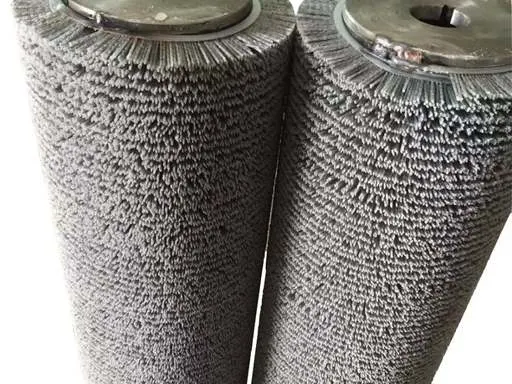
A cylindrical nylon brush replaces hand pressure with repeatable machine contact. See the measurable cleaning gains, common problems, and practical fixes.
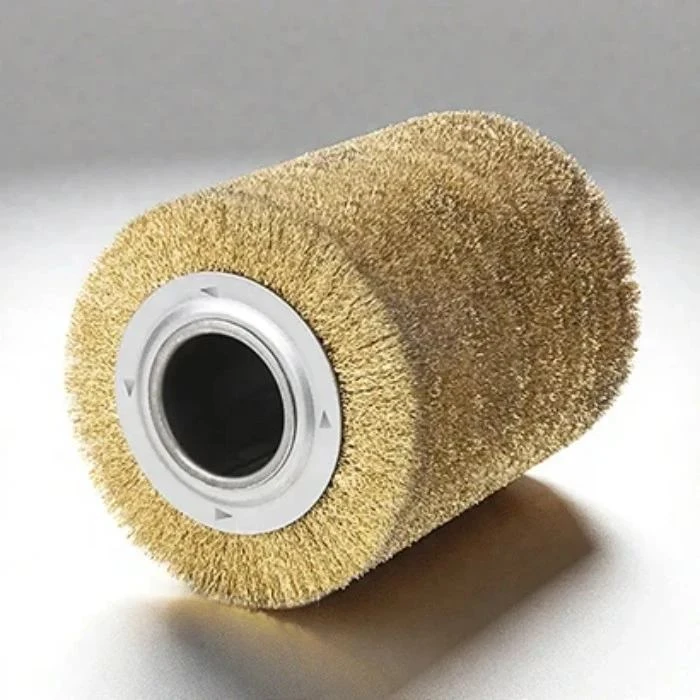
A round brass wire brush suits soft metals and spark-sensitive areas, but not heavy rust or mirror surfaces. Learn when brass is the right choice.
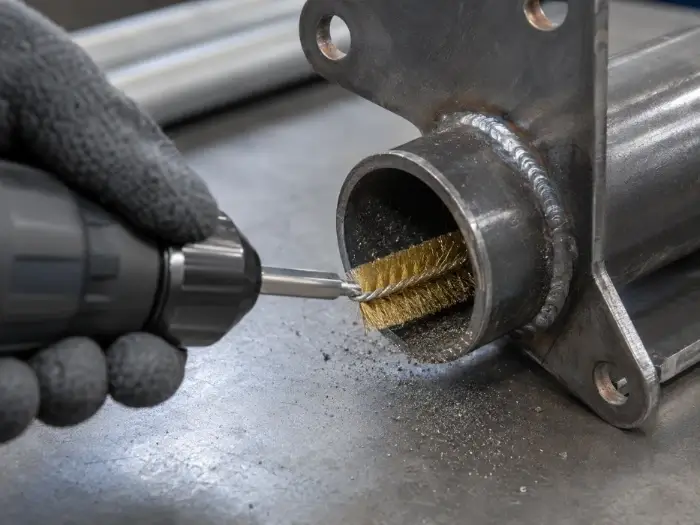
Wire brush or sandpaper for rust removal? Compare removal speed, surface finish, grit selection and safety, and learn the sequence that works on steel.
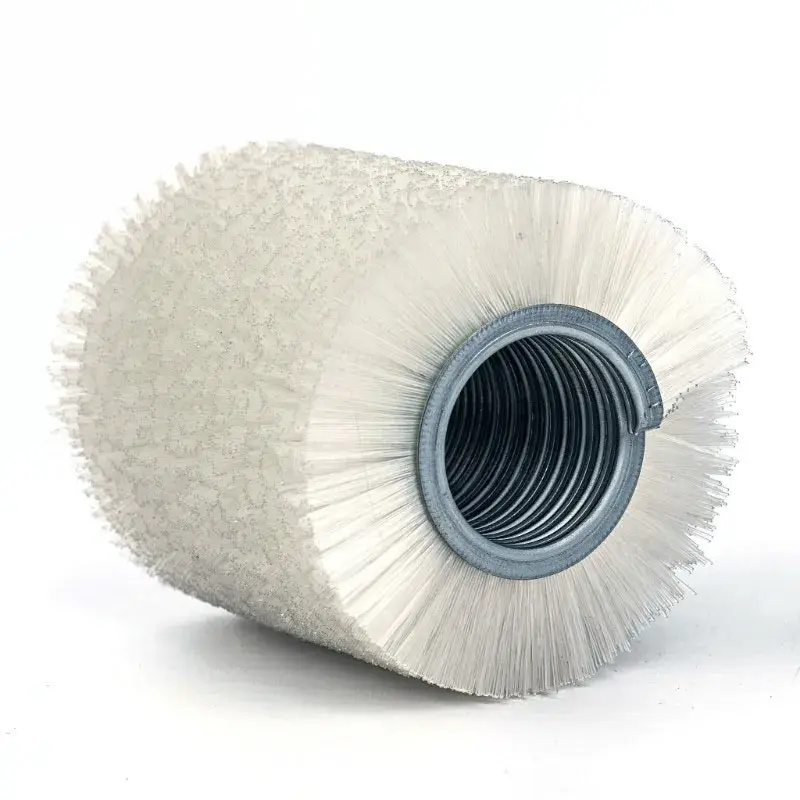
Capsule polishing brushes use nylon on metal coils. Match to machine, capsule hardness, and speed. Prevents scratches, static, and wear.
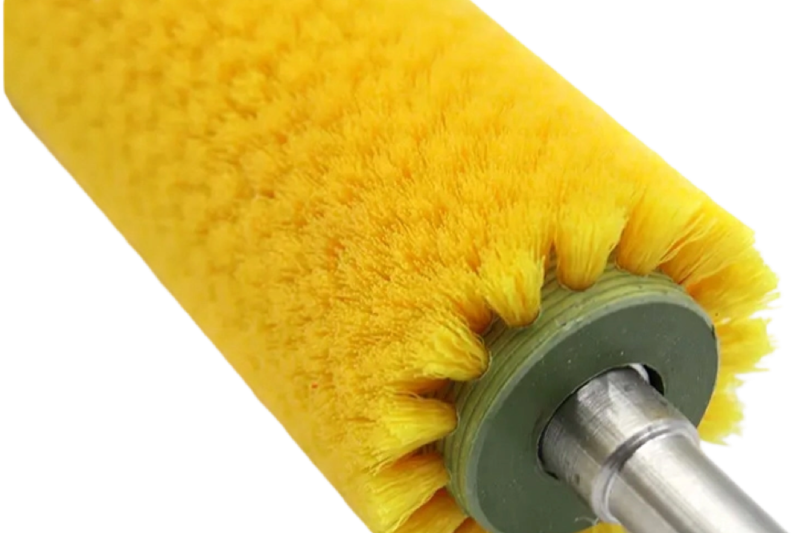
Match bristle stiffness to delicate surfaces. Softer filaments protect; stiffer ones cut heavy soil. Start soft and test.
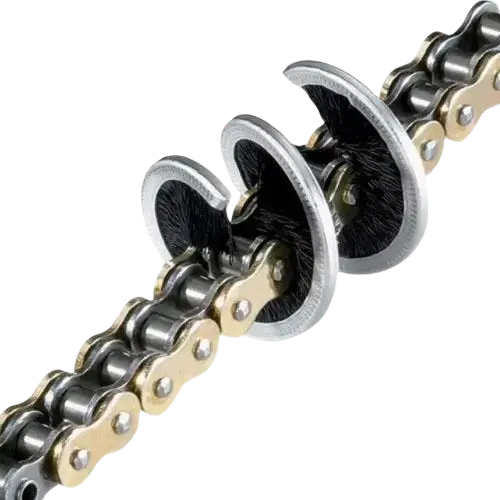
Match your 360 degree chain brush coil diameter to chain size. Measure pitch and width. Clean roller and conveyor chains effectively.
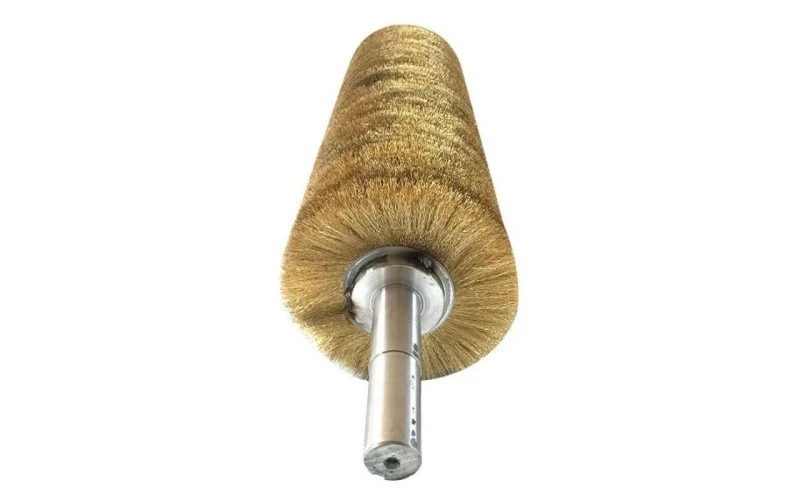
A guide to brass rotary brushes for scratch-free polishing of aluminum, copper, brass, and zinc.
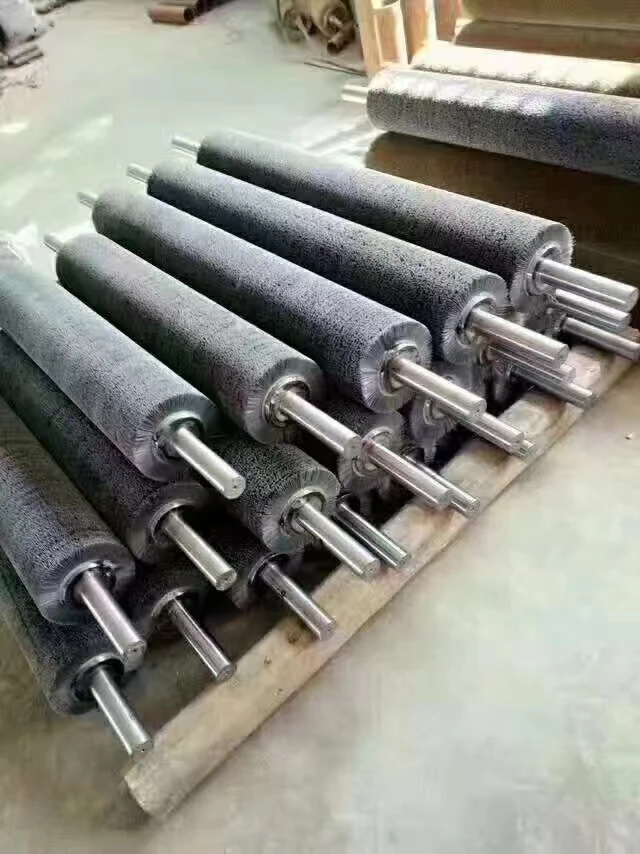
A guide to selecting steel rotary brush diameter for grinders and automated lines, covering surface speed and power matching.
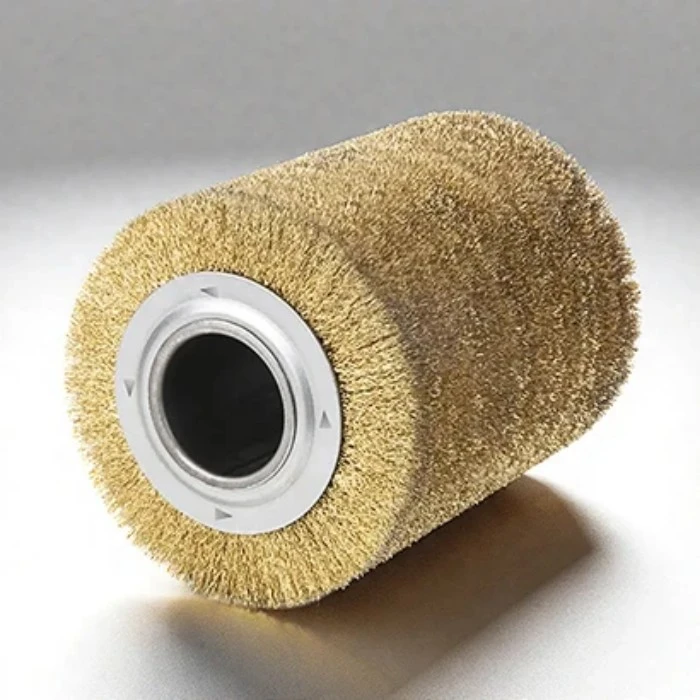
Match metal brush diameter to machine, workpiece, and finish. Carbon steel for general rust; stainless for contamination-free cleaning on stainless workpieces.