
Cylinder Brushes|Custom Sizes & Materials
High durability & precise machining for diverse industrial needs
- Home /
- Cylinder Brush
What Are Industrial Cylinder Brushes?
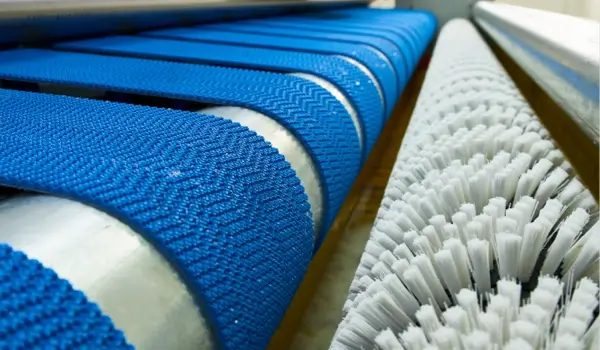
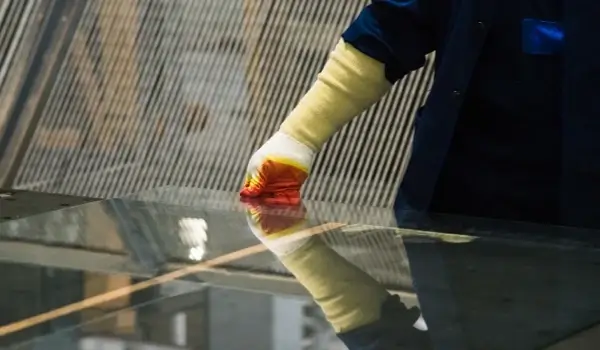
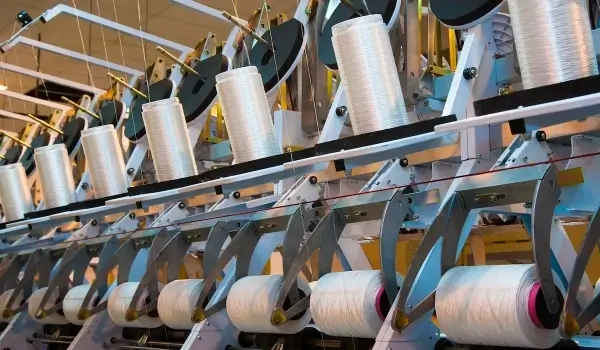
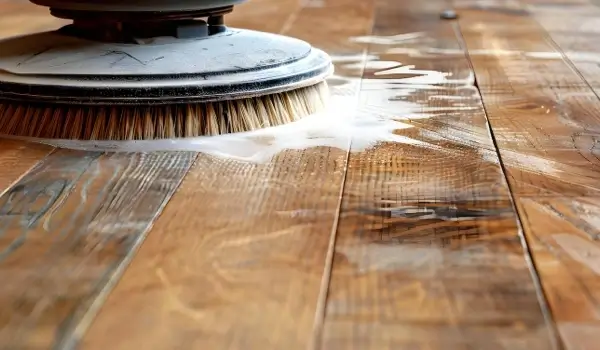
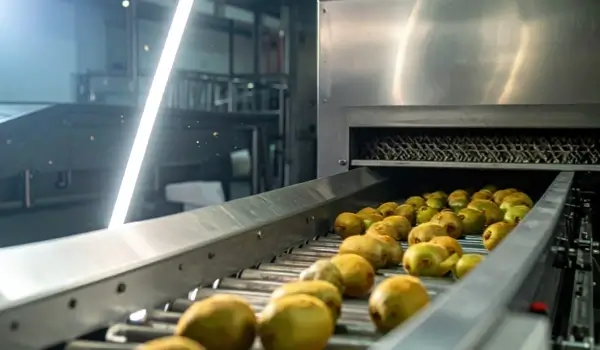
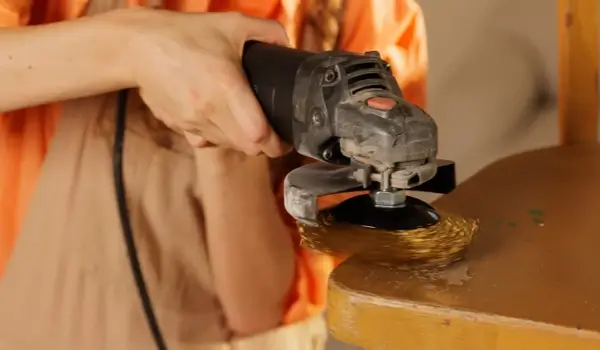
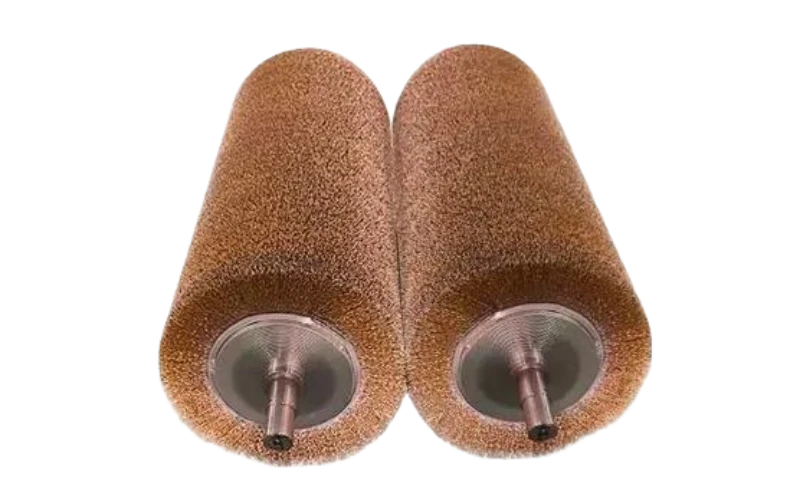
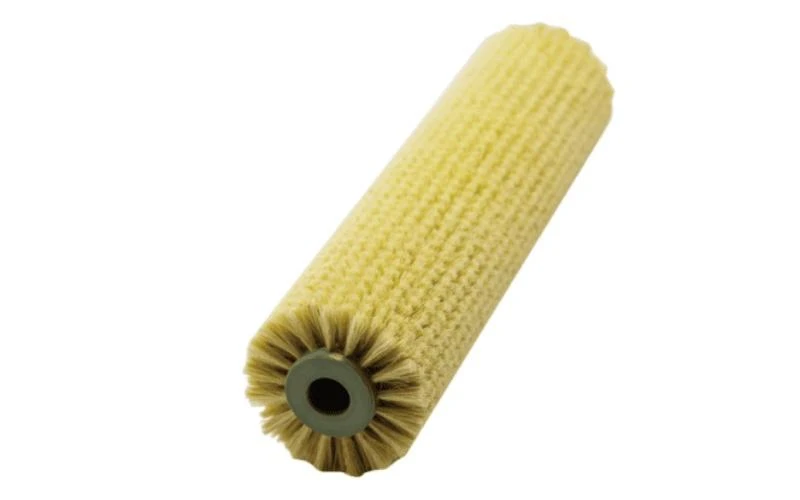
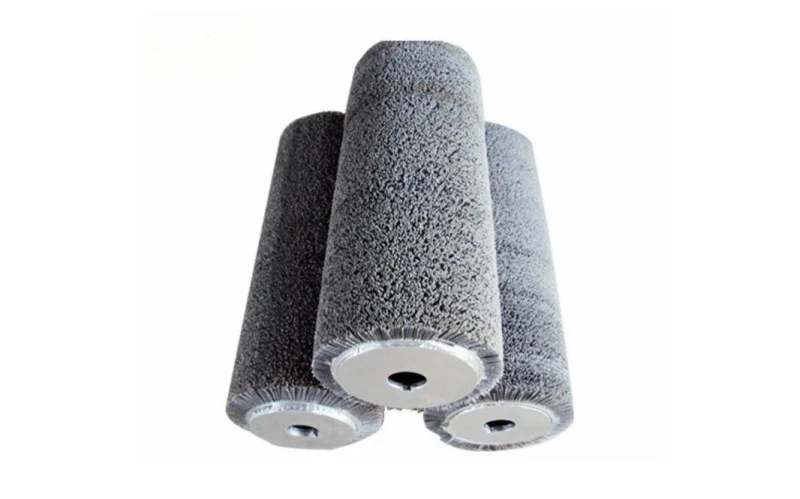
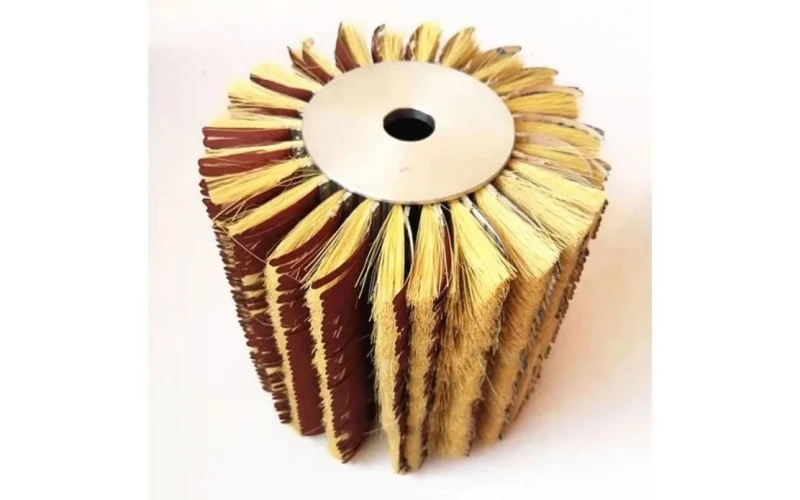
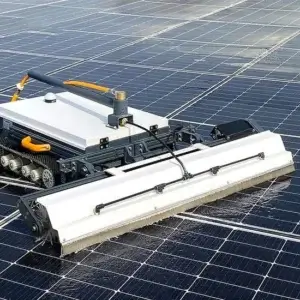
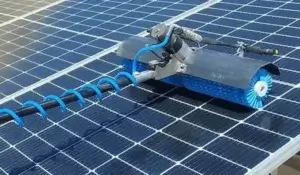
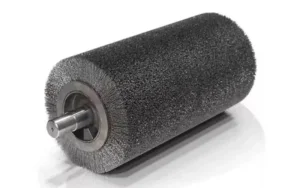
Fortex cylinder brushes are manufactured with high-quality nylon, steel wire, brass and abrasive filaments through precision winding technology. These cylindrical brushes provide efficient cleaning, polishing, deburring and surface treatment solutions for industrial applications, including conveyors, metal processing, solar panel cleaning and automated systems.
Nylon
Wear-resistant
Flexible
Metal Wire
Heat-resistant
Rust-proof
Sisal
Stiff
Eco-friendly
Animal Hair
Fine
Gentle
PP (Polypropylene)
Chemical-resistant
Budget-friendly
Abrasive Wire
High-removal
Deburring
Advanced Production Techniques
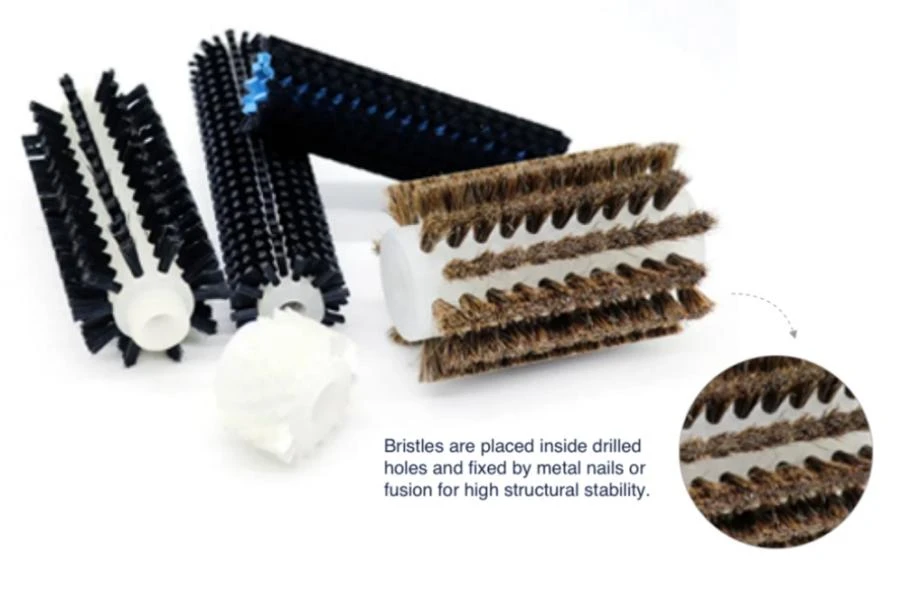
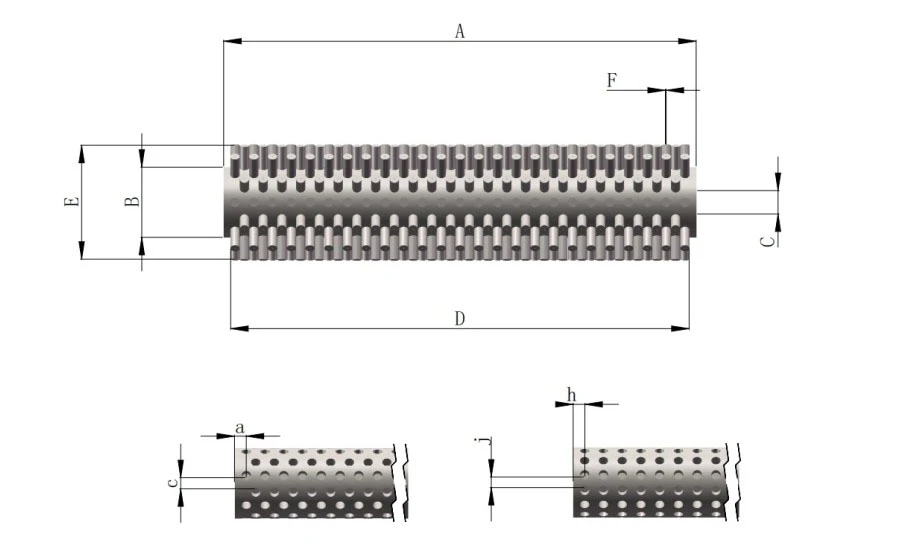
Drilled Bristle Insertion
It is the process in which precision holes are drilled into a solid brush base (typically plastic, wood, or metal), and bristle tufts (commonly synthetic filaments or natural fibers) are mechanically inserted and firmly anchored into each cavity to form a dense, functional working surface suitable for diverse industrial operations.
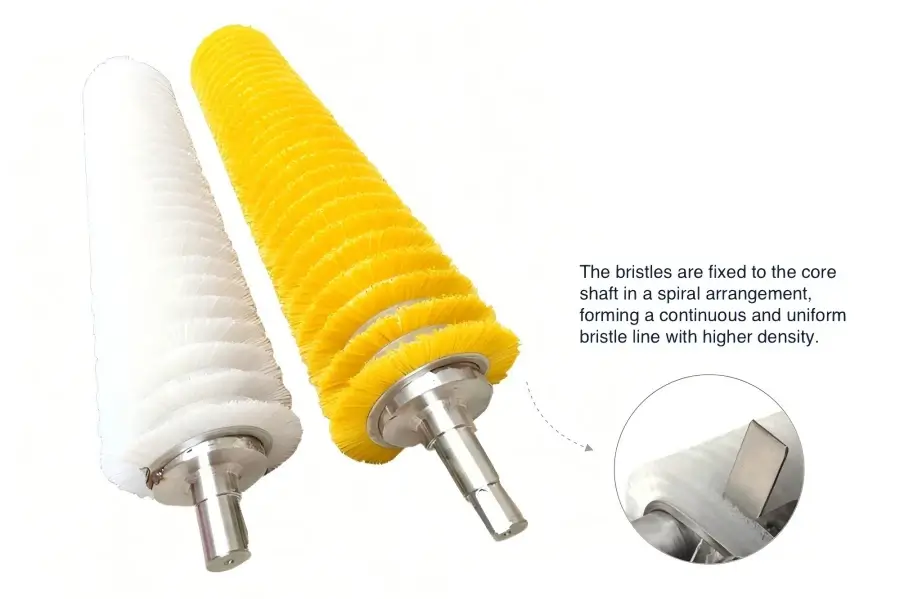
Bristle Wound Construction
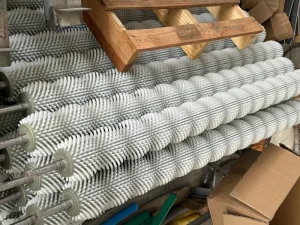
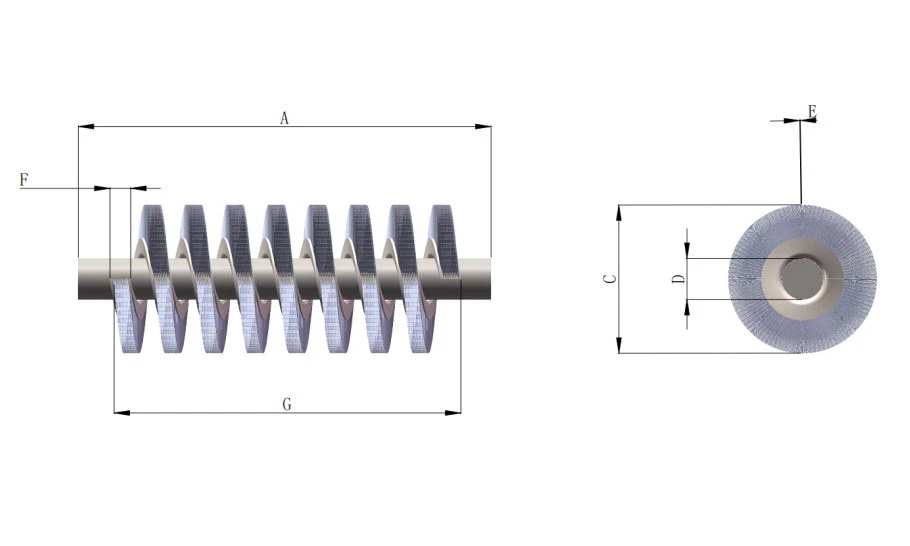
It is the type in which filaments are first anchored in metal backing strips (commonly stainless steel or galvanized steel) to form linear brush segments, then helically wound around a rotating core (such as an iron shaft or steel tube) to achieve continuous contact and specific density requirements.
Core Advantage of Cylinder Brushes
Uniform Contact
The density and setting of the cylinder brush ensure that force is applied equally all over the surface of the brush, which can help in maintaining consistency in workpiece surface treatment.
High Wear Resistance
Made from chosen materials and by a high-standard process, in cleaning and grinding performance product stays good even after long-time operation.
Customization Flexibility
Full customization based on diameter, length, filament diameter, and hardness is available to perfectly suit your specific equipment requirements.
Multi-Condition Adaptability
The cylinder brush is compatible with dry and wet environments, different speeds, and various material surfaces, offering wide and stable application.

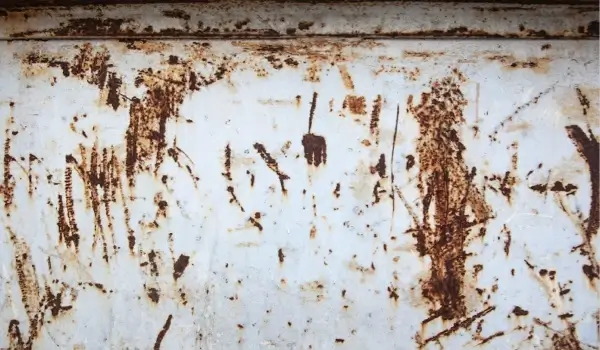
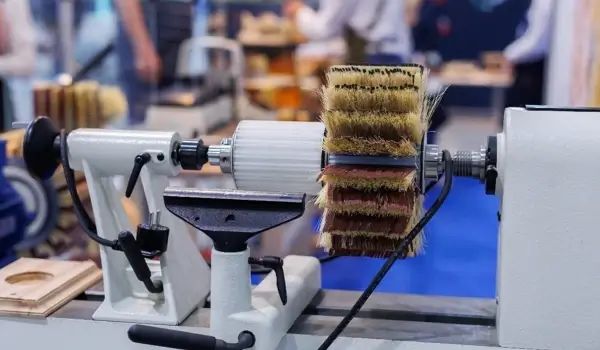
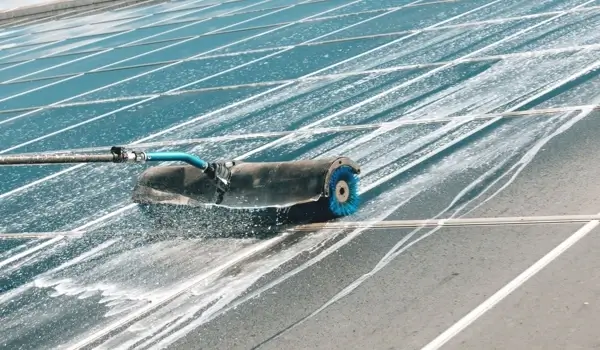
Types of Cylinder Brushes by Material
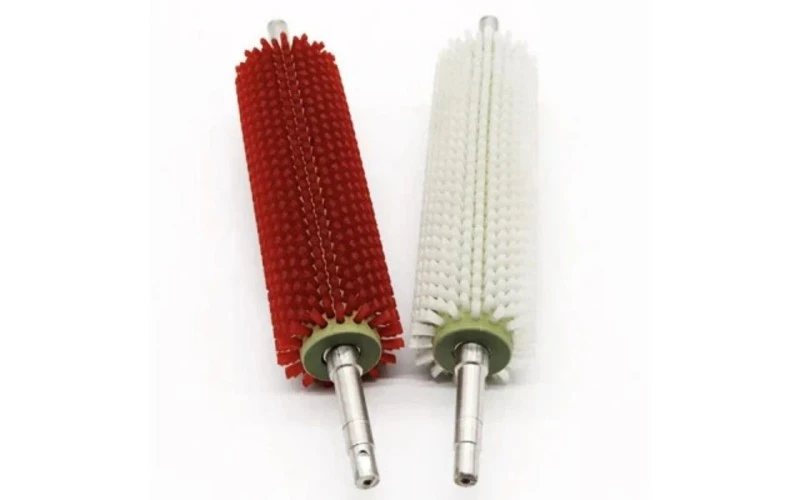
Custom Cylinder Brush Specifications
As Your Custom Brush Manufacturer
We'd Like to Work With You
At Fortex Brushes, trust is defined by execution — proven by the quality of our products and the integrity of our partnerships.
More than a manufacturer, we provide advanced, sustainable solutions designed to optimize your facility for superior safety, cleanliness, and operational productivity.”
- +86 18112932640
- +86 18112932640
- audrey@fortexbrush.com
Contact Us
Watch the Cylinder Brush in Action
FAQ
What specifications are needed to customize a cylinder brush?
To design a cylinder brush that perfectly fits your equipment, you’ll need to provide the rotating shaft diameter, total brush length, filament type, and working environment (dry/wet, speed, material type). Our engineers will recommend optimal parameters accordingly.
How to choose the right filament material for different applications?
Each filament type has unique performance advantages. For example, nylon for fine surface polishing, metal wire for rust removal, PP for chemical-resistant environments, and abrasive filament for tough grinding. Choosing the right one ensures efficiency and durability.
What’s the difference between Drilled Bristle Insertion and Wound Construction?
The Drilled Bristle Insertion method ensures high structural stability and precise arrangement, ideal for dense and replaceable tufts. The Wound Construction technique offers continuous filament lines and cost efficiency for long brushes.
How long does a cylinder brush typically last?
Lifespan depends on material, contact pressure, and environment. Thanks to top-tier filament and precision mounting, our brushes maintain performance even after thousands of operating hours. Regular maintenance further extends service life.
Do you provide testing samples before mass production?
Absolutely. We offer low-cost sample testing with no MOQ, so you can verify results before bulk purchasing and proceed with full confidence.
Choosing Bristle Materials for Conveyor Cleaning Cylinder Brushes
Conveyor Cleaning Cylinder Brushes: match bristle to temperature, chemistry, moisture, abrasion. Nylon 6.6, polypropylene, PBT, or wire for heavy-duty.
Wave-Crimp vs. Straight-Drill Industrial Roller Brushes
Wave-crimp Industrial Roller Brushes: continuous face, reusable core. Straight-drill: density, rigidity, speed balance. Choose by surface, debris, speed, cost.
How Can a Cylindrical Brush Boost Your Workpiece Cleaning Effect?
A cylindrical brush boosts workpiece cleaning effect through continuous uniform filament contact. Learn filament, geometry and parameter selection for better results.
What Tasks Can a Cylinder Wire Brush Handle in Metal Surface Treatment?
A cylinder wire brush handles descaling, rust, weld cleaning and deburring. Match wire material, knot style and speed to the task and the workpiece.
Why Use Conveyor Cleaning Cylinder Brushes for Industrial Belt Maintenance?
Conveyor cleaning cylinder brushes remove the fine carryback scrapers leave behind. Compare filaments, speeds and mounting to specify the right brush.
How can a cylindrical nylon brush improve your surface cleaning work?
A cylindrical nylon brush replaces hand pressure with repeatable machine contact. See the measurable cleaning gains, common problems, and practical fixes.