
Sandpaper Brush for Brush Sanding Machine
As an industrial brush manufacturer, we provide custom sandpaper brushes engineered for brush sanding machines — designed to smooth wood surfaces, remove raised fibers, and achieve consistent finishing results for woodworking applications.
- Home /
- Application /
- Sandpaper Brush for Brush Sanding Machine
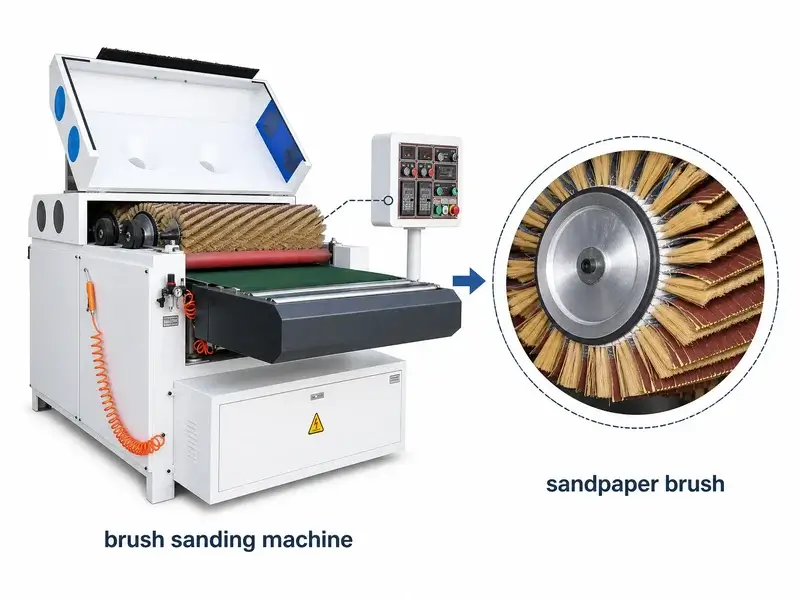
How Does Sandpaper Brush Work in Brush Sanding Machines?
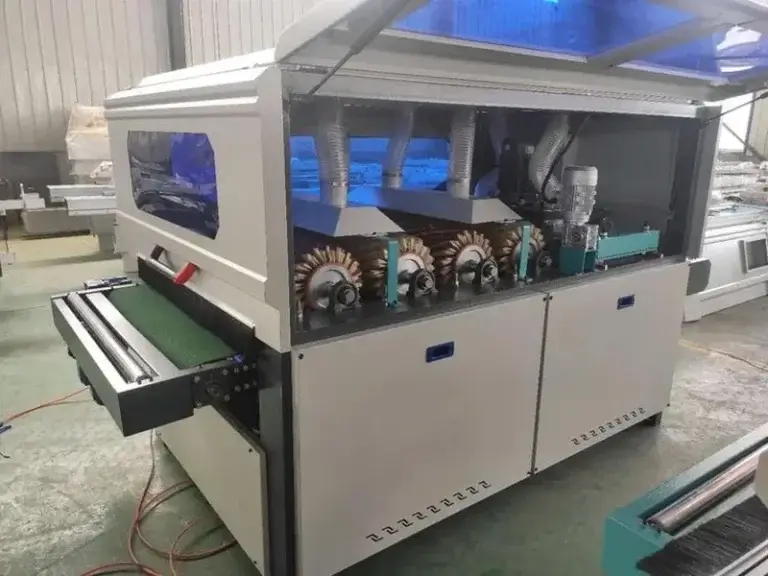
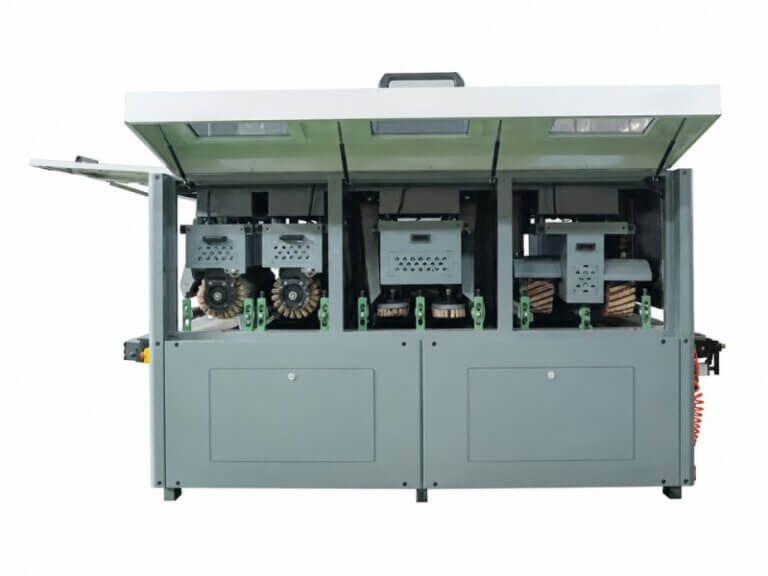
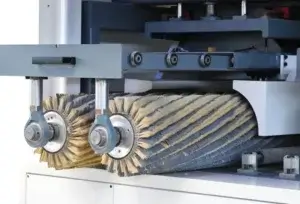
The sandpaper brush is installed on the rotating brush roller of a sanding machine. When the roller spins, the abrasive strips continuously contact the wood surface, gently removing rough fibers, machining marks, and small surface imperfections.
The flexible sanding strips can follow different surface shapes and reach curved or uneven areas that traditional sanding tools may miss. This allows the machine to achieve a more uniform finish on wood panels, furniture parts, and profile-shaped components.
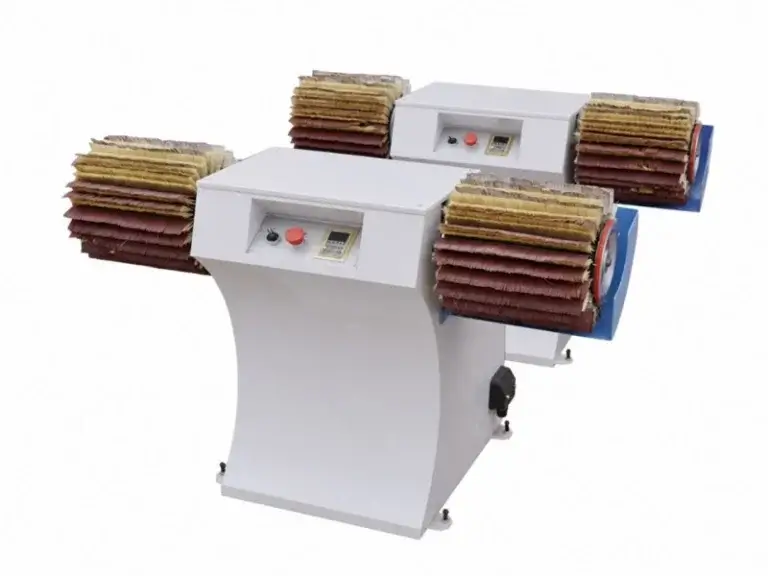
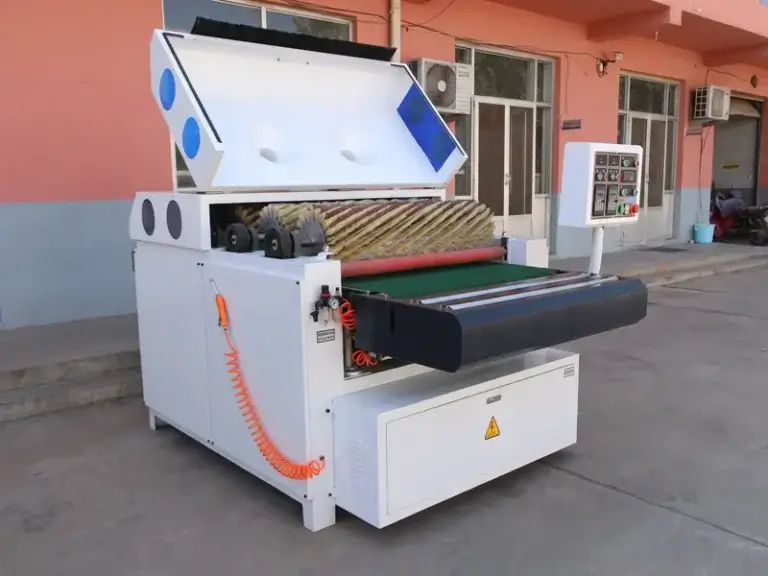
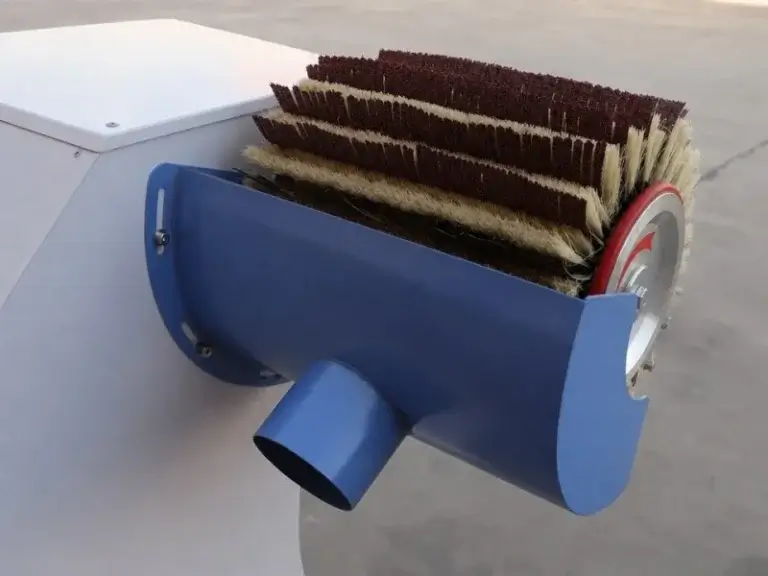
Key Functions of Sandpaper Brush
Surface Smoothing Performance
The sanding strips remove rough areas, machining marks, and raised fibers to create smoother and more uniform wood surfaces.
Flexible Profile Processing
The sisal-supported structure allows the brush to follow curved edges, grooves, and irregular profiles during sanding operations.
Controlled Material Removal
The flexible contact reduces aggressive cutting while maintaining stable sanding performance for different wood materials.
Finishing Surface Preparation
The wood polishing brush helps prepare wooden components for painting, coating, staining, and other finishing processes.
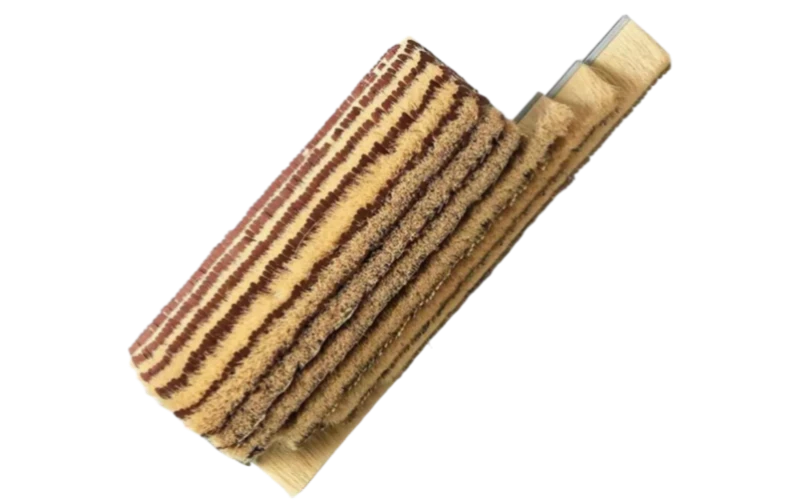
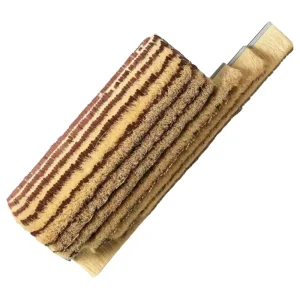
Special Strip-Assembled Structure of Sandpaper Brush
Compared with traditional planted-bristle or wound brushes, this strip design offers easier customization, simpler maintenance, and more flexible assembly for sanding applications.
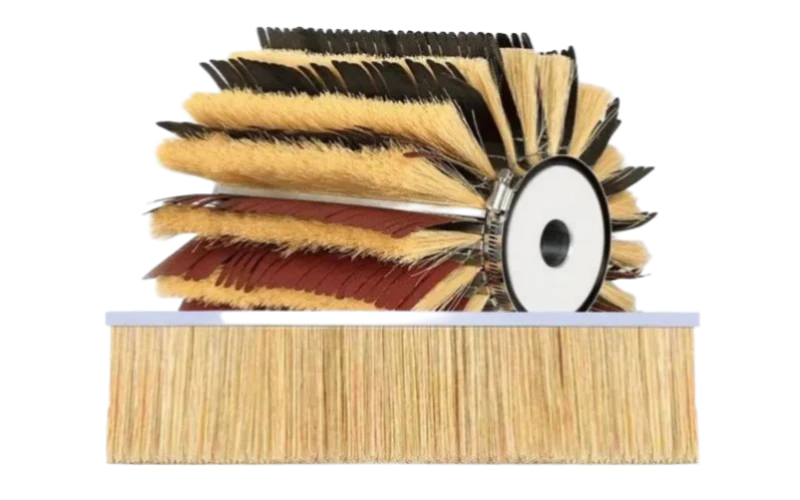
Strip-Assembled Structure
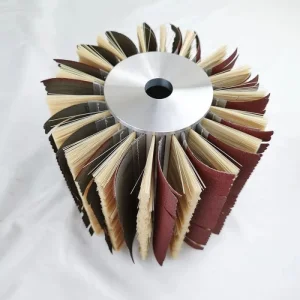
The roller uses separate sisal brush strips and sandpaper strips instead of traditional tufting or winding structures for stable sanding performance.
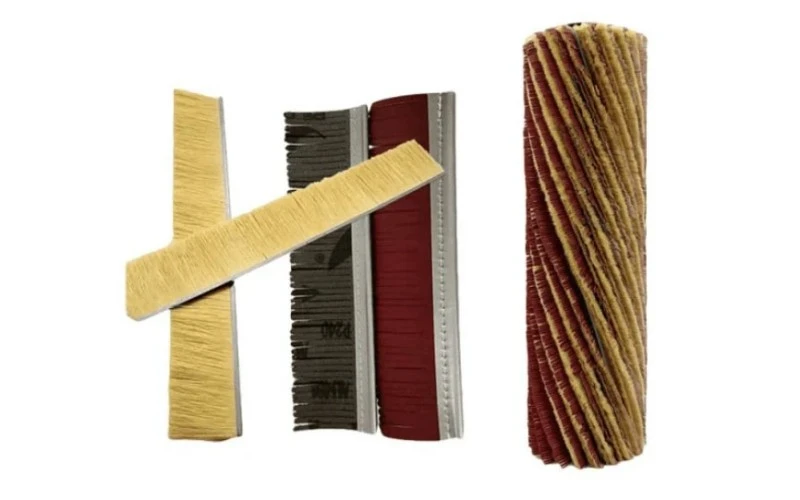
Replaceable Sanding Strips
Individual strips can be removed and replaced after wear, reducing maintenance costs and extending the brush roller service life.
Flexible Grit Configuration
Sandpaper strips are available in multiple grits from 80# to 600#, with customized sizes, materials, and densities for different needs.
Sandpaper Brush for Different Machine Applications
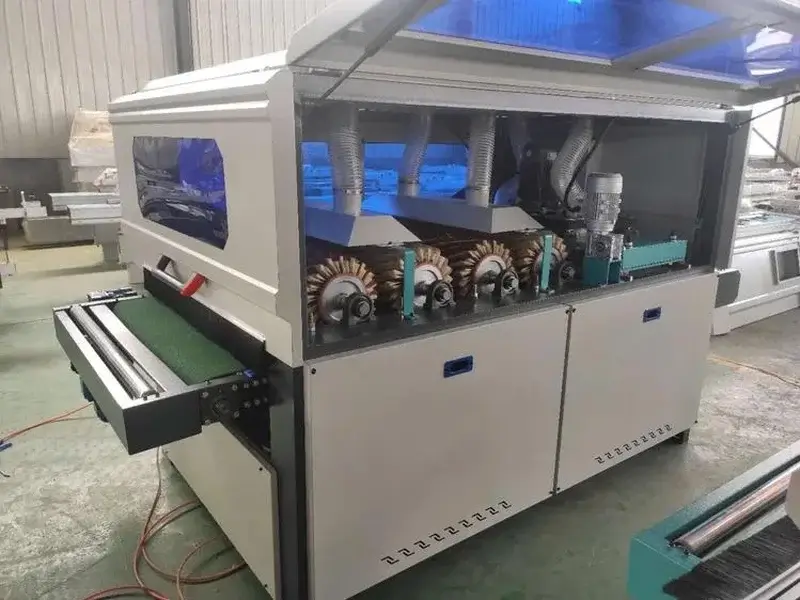
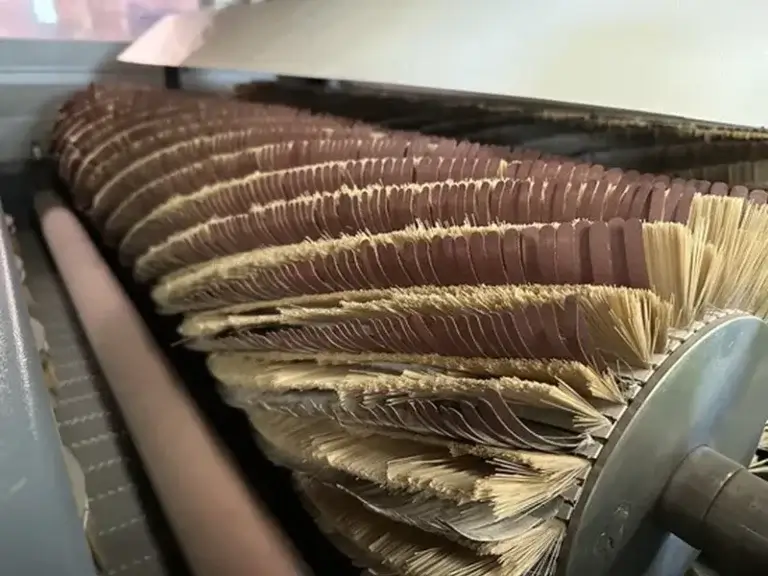
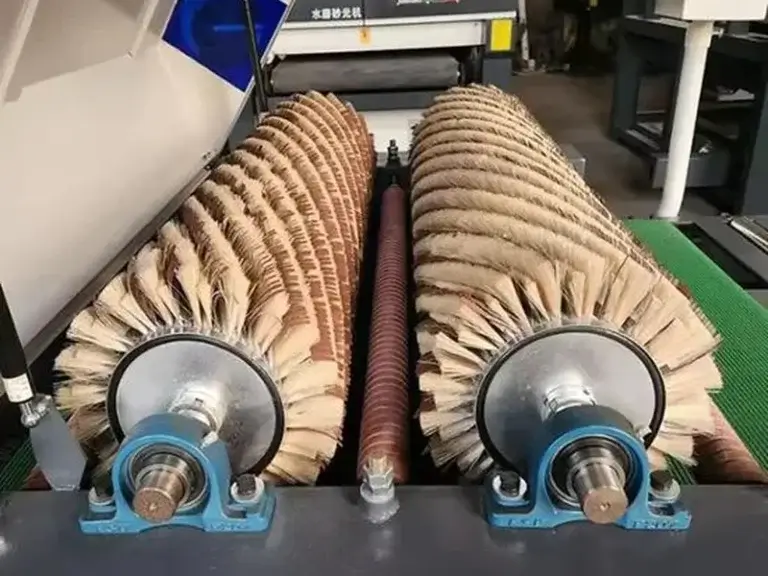
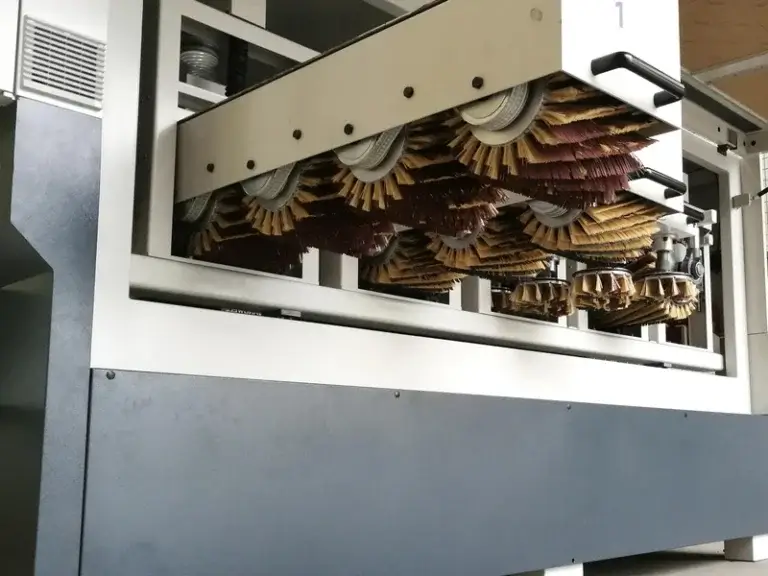
Automatic Brush Sanding Machines
Sandpaper brushes are installed in automatic sanding machines to process wood panels continuously, providing stable surface sanding and consistent finishing results for MDF, plywood, veneer, and solid wood.
Uniform Surface Sanding
The sanding strips maintain stable contact with wood panels, removing rough fibers and machining marks for an even surface finish.
Continuous Production Support
Designed for automatic sanding lines, the brush roller delivers reliable performance during high-volume wood processing operations.
Consistent Finishing Quality
The sisal-supported structure helps distribute sanding pressure evenly, reducing surface defects and improving coating preparation.
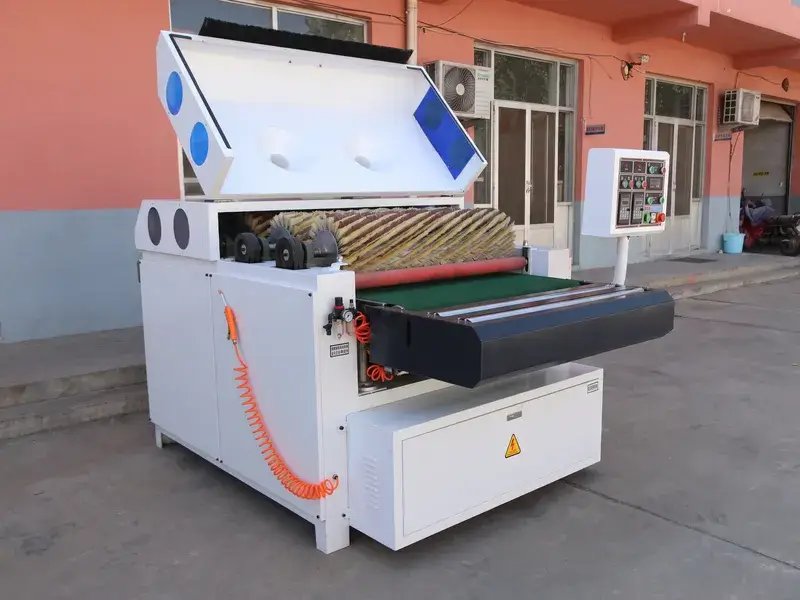
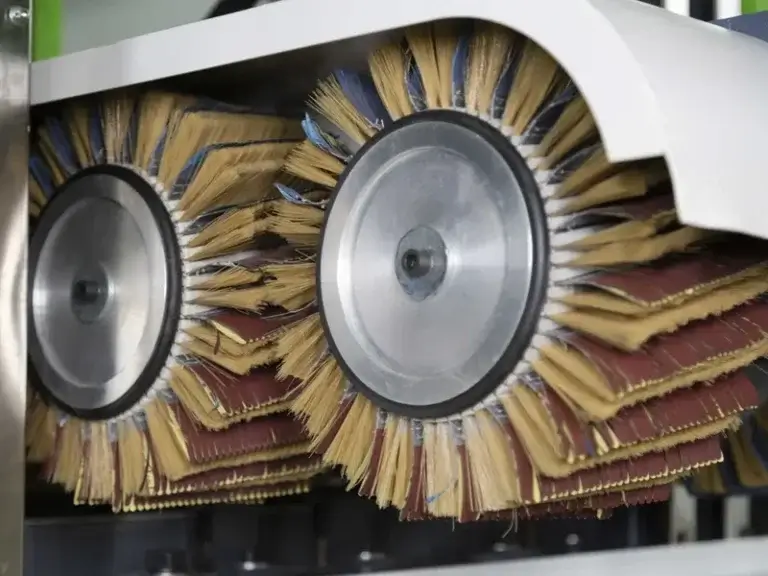
Profile Sanding Machines
Sandpaper brushes are used in profile sanding machines to process curved surfaces, edges, and irregular wood components with flexible abrasive contact.
Flexible Profile Contact
The sisal fiber structure allows sanding strips to follow curved shapes, grooves, and complex wooden profiles.
Edge & Contour Processing
The brush reaches areas that traditional sanding tools cannot easily process, improving finishing results on decorative components.
Controlled Material Removal
The flexible sanding action removes imperfections while protecting delicate wood surfaces from excessive grinding.
Customizable Options for Sandpaper Brush
Every capsule polishing line has its own capsule specifications, powder characteristics, and output requirements. That’s why our capsule polishing brush can be customized to match your exact production conditions. You can define the brush specification based on the following parameters to achieve optimal polishing performance for your machine:
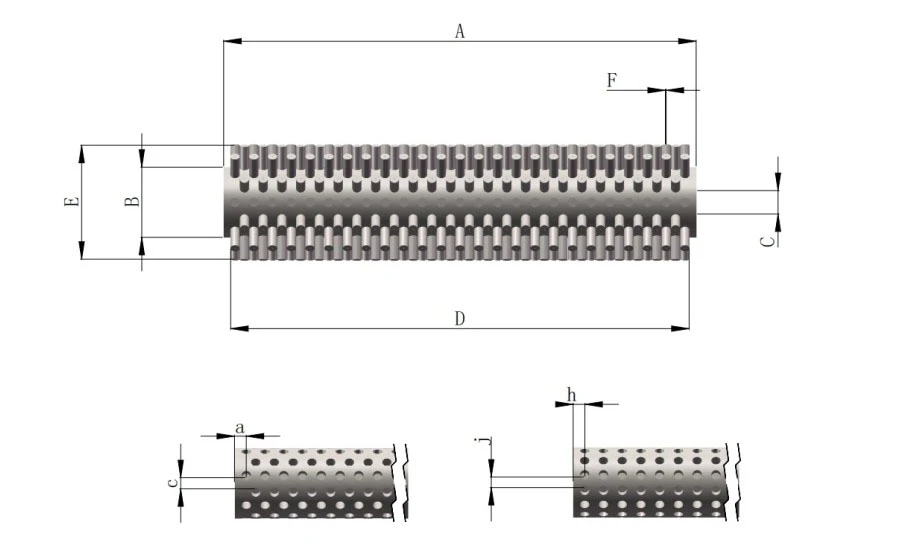
| Parameter | Options / Range |
|---|---|
| Sanding Strip Material | Abrasive paper strips combined with natural sisal fibers |
| Abrasive Grit Selection | 80# / 120# / 180# / 240# / 320# / 400# / 600# |
| Sisal Fiber Density | Low / Medium / High density according to sanding pressure requirements |
| Brush Diameter | 100–300 mm, depending on sanding machine roller size |
| Brush Length | 300–1500 mm, suitable for different working widths |
| Strip Arrangement | straight / segmented or customized strip distribution patterns |
| Strip Density | Standard / Dense arrangement for different surface finishing effects |
| Installation Size | Designed according to existing brush sanding machine dimensions |
As Your Custom Brush Manufacturer
We'd Like to Work With You
At Fortex Brushes, trust is defined by execution — proven by the quality of our products and the integrity of our partnerships.
More than a manufacturer, we provide advanced, sustainable solutions designed to optimize your facility for superior safety, cleanliness, and operational productivity.”
- +86 18112932640
- +86 18112932640
- audrey@fortexbrush.com
Contact Us
FAQ
Q1: What determines sandpaper brush lifespan in production environments?
A: Lifespan depends on abrasive grit size, wood hardness, and operating speed. Coarser grits on hardwoods wear faster. Proper speed settings and regular debris removal extend service life. Most brushes handle 500-2000 hours before replacement.
Q2: Can one brush configuration handle multiple wood species?
A: Medium-density brushes with 120-180 grit work across softwoods and medium-density hardwoods. However, optimal results require species-specific tuning. Pine needs different parameters than oak due to density differences affecting texture formation.
Q3: Can the brush be customized for existing sanding equipment?
A: Yes. Brush diameter, length, density, abrasive type, and strip arrangement can be customized to match different sanding machines.
Matching brush dimensions, mounting specs, grit, and operating settings ensures stable sanding, longer service life, consistent quality, and safer production.
A woodworking sanding brush follows contours, speeds production, works across multiple materials, creates consistent finishes, and reduces the need for rework overall.
A cylinder polishing brush supports wood finishing, rust removal, furniture polishing, and sanding. It helps manufacturers improve surface quality, efficiency, and consistency across production lines.
Choosing the right sandpaper brush requires matching grit, construction, and speed to your workpiece for consistent finishing and longer brush life.
Choosing the right Sisal Cylinder Brush density improves polishing consistency, surface quality, and production efficiency across wood finishing and industrial surface preparation.
This guide explores the critical factors in selecting a Sisal Cylinder Brush, focusing on material density, industrial applications, and optimization techniques to ensure high-quality surface finishes in automated production lines.