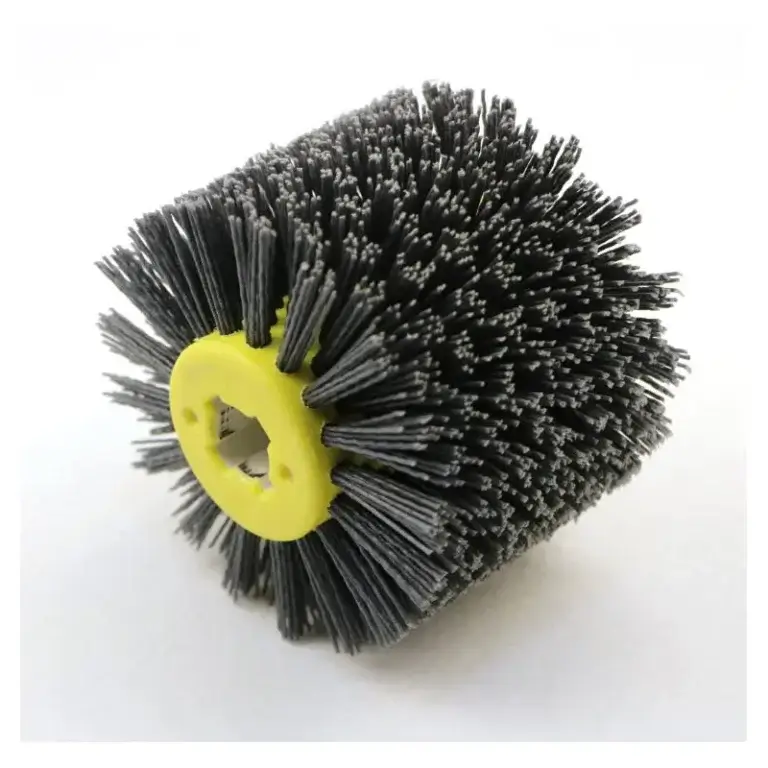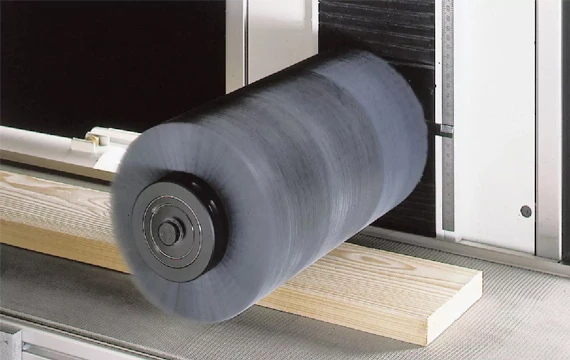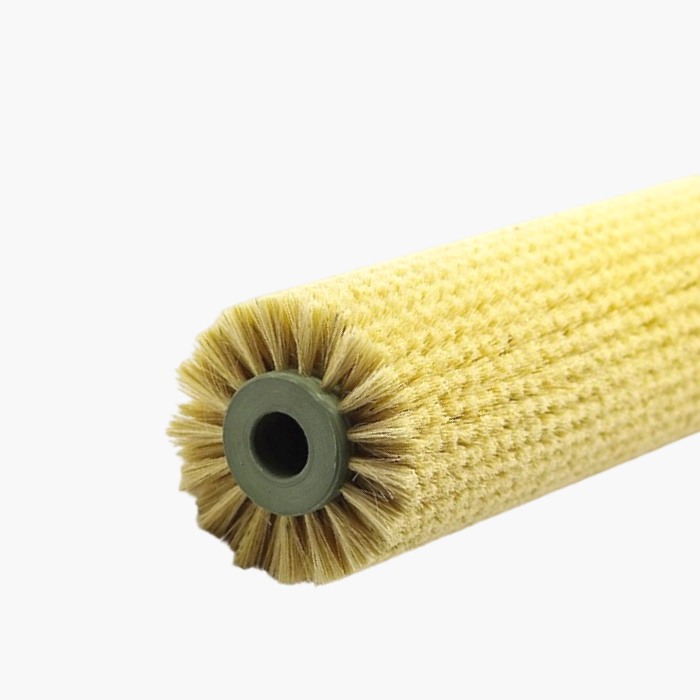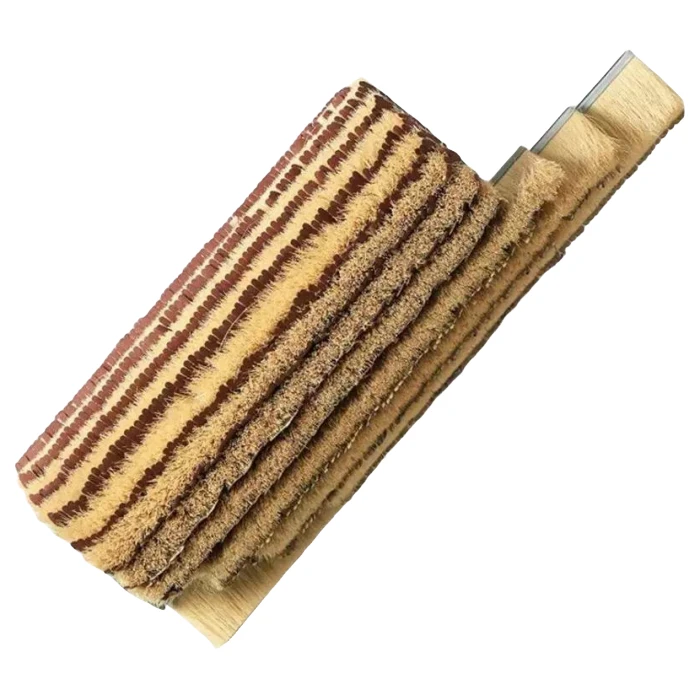
Chemical finishing of industrial surfaces relies heavily upon a consistent and efficient method. A cylinder polishing brush has an even distribution of rotation, enabling consistent contact with respective surfaces, which means it can be used with many different materials and in all stages of the finishing process. Manufacturers use this kind of brush in their manufacturing processes as a means of polishing, but they also use them to clean, deburr, and prepare surfaces. The correct selection of a cylinder polishing brush can improve productivity and decrease manual labour and rework.
The Reasons for the Widespread Use of Cylinder Polishing Brushes
A cylinder polishing brush will provide you with the ability to create an even finish across flat or slightly curved surfaces. The cylinder polishing brush will give you the same quality finish every time you use it, whereas a manual finishing tool will not do that consistently. In addition, it can easily be integrated into automated manufacturing lines, therefore helping many woodworking, metal processing, and furniture manufacturing industries with the use of the tool.
1. Finishing Wood Surfaces and Enhancing Grain
Use of Wood Polishing Brushes
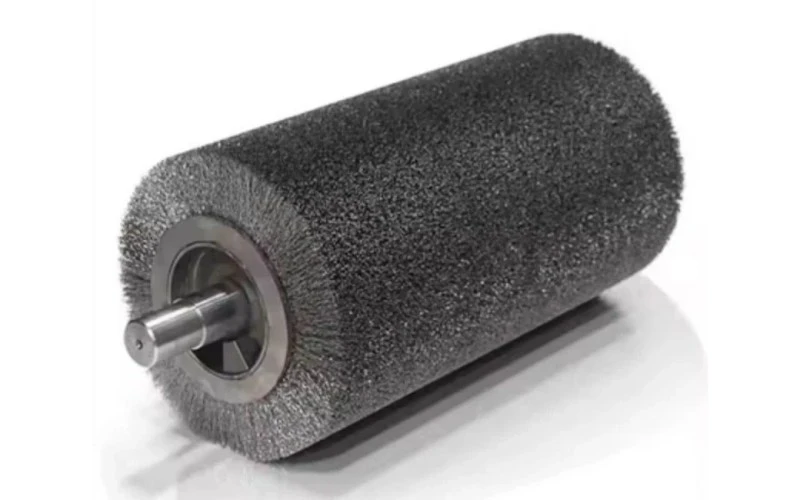
Wood polishing brushes are frequently employed in the woodworking industry to improve the grain’s natural appearance. The bristles scrub out soft fibers while keeping the harder grain lines intact. For more information on what a wood polishing brush is, see What a Wood Polishing Brush Is. When used for this purpose, the result is a textured, upscale-looking finish that many people associate with objects such as many types of wooden floors and decorative wall panels.
Advantages of Polishing Brush Use
Uses cylindrical polishing gears to enhance wood’s overall look. Prepares material surfaces before applying stain/coating. Provides a reduction in manual sanding.
If you need to expose the wood grain uniformly on a wood panel, it will take time and effort manually unless you use a cylindrical polishing brush.
Industrial Rust Cleaning
Rust Cleaning & Metal Surface Prep
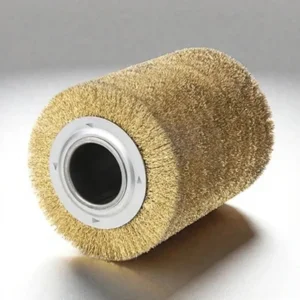
A brush with a rust-cleaning element must be used to clean rust from metal before the metal can be prepared for metal manufacturing or maintenance. The rust remover brush will remove rust, oxidation, scale, and old paint from all metals. Find out about a brush designed for removing rust. This is a necessary preparation before doing any painting, welding, or additional processing.
Benefits
Help prolong the life of metal parts. Increase the strength of the coating to bond with the metal. Reduce reliance on chemical cleaning.
If you were to use an abrasive blasting process, a cylinder polishing brush will give you more controlled, less aggressive cleaning, which is advantageous for more delicate or precision-made parts.
3. Surface Refinishing and Furniture Polishing
Furniture Manufacturing Role
The furniture polishing brush adds refinement to the finished surface prior to completing the final finish on the furniture items manufactured. The dressing process with this type of tool produces very smooth edges, while also eliminating many of the minor defects present. More information on the use of a furniture polishing brush can be found under the category of “What is a furniture polishing brush“. Performing the furniture polishing dressing process develops many positive attributes associated with an ultimate quality product appearance.
Positive Results
Improvement of Coating Uniformity, Reduction of Surface Defects, Enhanced Tactile Quality
Many manufacturers have reported their rejection rates decreasing with the addition of a cylinder polishing brush used within their finishing lines. The consistency of the finished product across multiple batches has also improved.
4. Sanding Line Support and Optimization of Abrasives
Supporting Sanding Processes
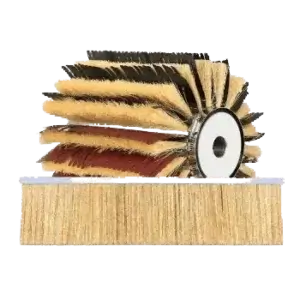
Sandpaper brushes are often found paired with sanding equipment to remove any debris from the sanding belts while they are in use. For more insight concerning sandpaper brushes, see What a Sandpaper Brush Is. The use of clean abrasives helps to preserve cutting quality and prolong the useful life of sanding belts.
Operational Advantages
Cleans and prevents clogged sanding belts; prevents inconsistency in sanding performance; reduces maintenance-related downtime
The combination of sanding systems and a cylinder polishing brush leads to a dramatic increase in workflow efficiencies in high-volume production processes.
Comparison of Critical Applications
| Application Area | Primary Function | Key Benefit | Typical Industry |
|---|---|---|---|
| Wood Processing | Enhancement of grain | Improved appearance | Wood flooring/paneling |
| Metal Processing | Removal of rust | Improved coating adhesion | Metal fabrication |
Choosing the Correct Cylinder Polishing Brush
Step 1 – Define the Application
Start by identifying the main task. A wood polishing brush needs different bristles than a rust remover brush.
Step 2 – Match the Material
Different bristles suit different surfaces. Softer materials need lighter contact, while harder surfaces may require stronger abrasion.
Step 3 – Check Machine Compatibility
The brush must fit your equipment in diameter, speed, and mounting style. Otherwise, performance will suffer.
Step 4 – Consider Customization
Many buyers need custom solutions. A tailored cylinder polishing brush can improve efficiency and extend service life.
Final Thoughts
The versatility of a cylinder polishing brush for surface treatment purposes across a variety of industries, whether enhancing wood grain, removing rust, refinishing furniture, or assisting in the sanding process, guarantees consistent and efficient performance. From an operations perspective, companies that properly configure their cylinder polishing brushes will generally see increased product performance and reduced operating expense. Over time, these attributes contribute to higher overall productivity.
FAQ
Q1: Can I purchase cylinder polishing brushes specifically tailored to my application?
Yes! Most manufacturers offer custom configurations with different bristle materials, densities, diameters, and core designs to fit particular machine and production specifications.
Q2: Can these brushes be effectively used in a fast-running production environment?
Yes, these brushes are utilized in automatic setups at various locations, as they provide stable conditions through proper balance and correct materials during high-speed, continuous operation.
Q3: What industries commonly use these brushes?
They are widely used in woodworking, metal treatment, furniture production, and sanding operations where consistent surface finishing is required.