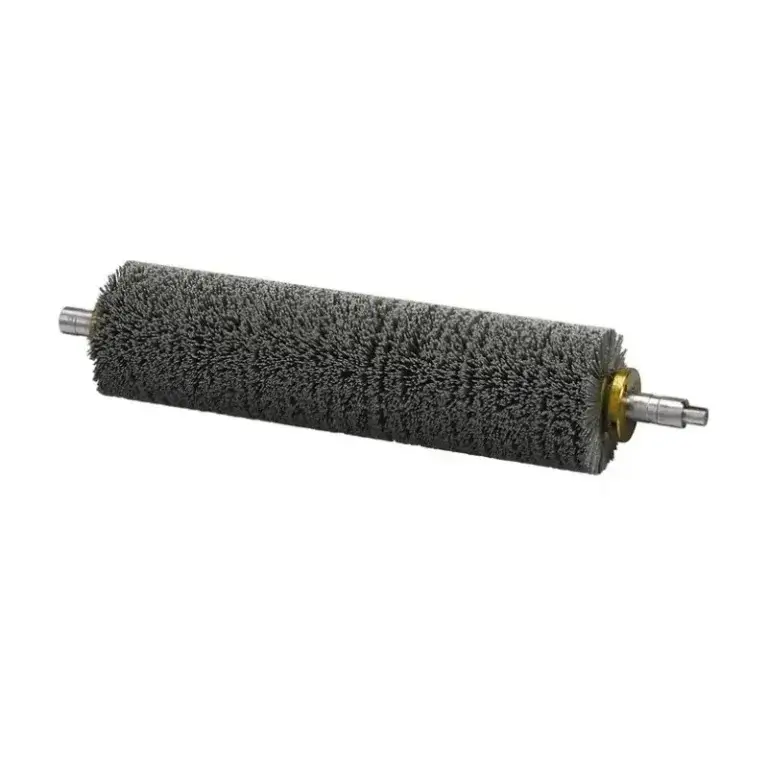
Sanding Brush Specifications You Should Know
Four basic specifications directly affect the quality of the finish, so you must consider them carefully when choosing the correct sanding brush. Each parameter is particular in terms of surface texture, material removal rate, and overall efficiency of operation. Those who work in manufacturing and understand these relationships can choose the right brushes for their particular application.
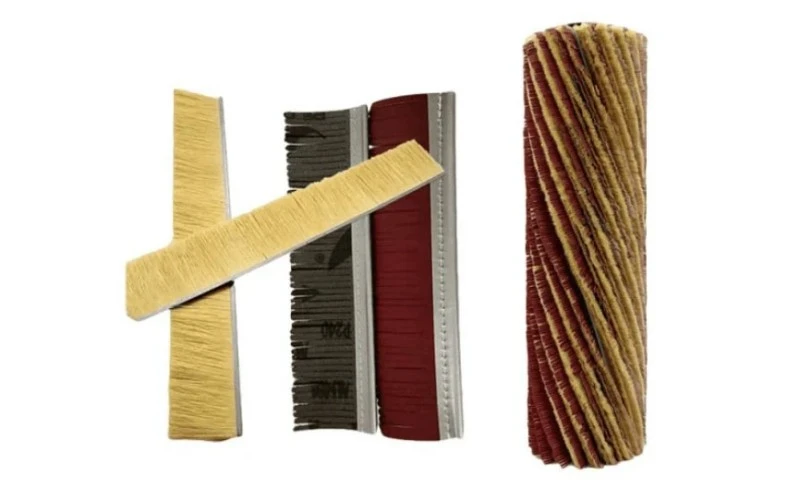
Diameter, grit size, bristle density, and trim length are all part of a system. No matter how good the machine quality is, a Wood Polishing Brush specified incorrectly will not work well. Properly specified brushes, however, give consistent results from run to run.
How to Choose the Right Diameter
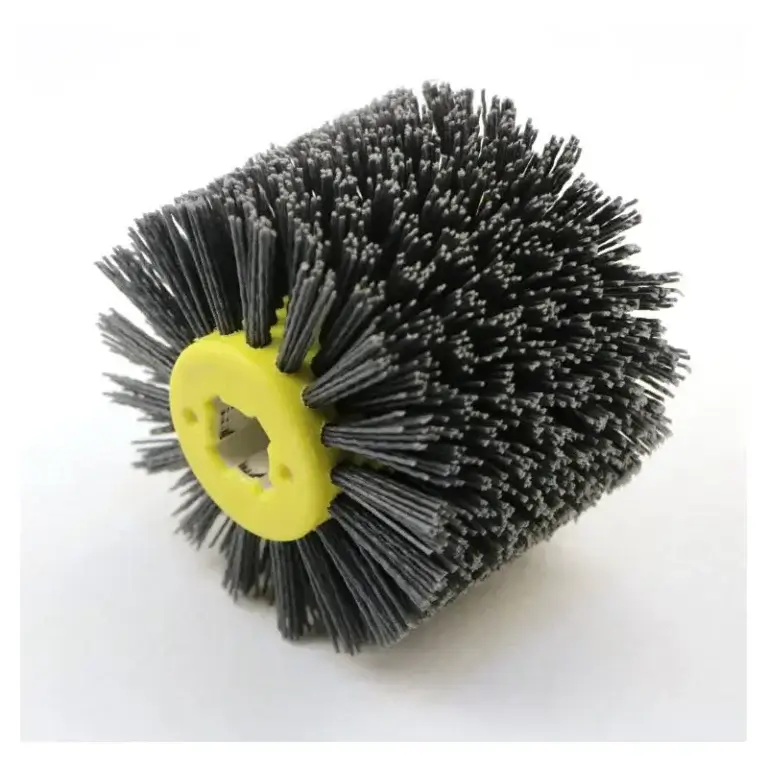
The brush diameter determines the contact area between the abrasive filaments and the workpiece surface. Bigger diameters cover more area and last longer, whereas smaller ones can get into tight spots and around complex profiles.
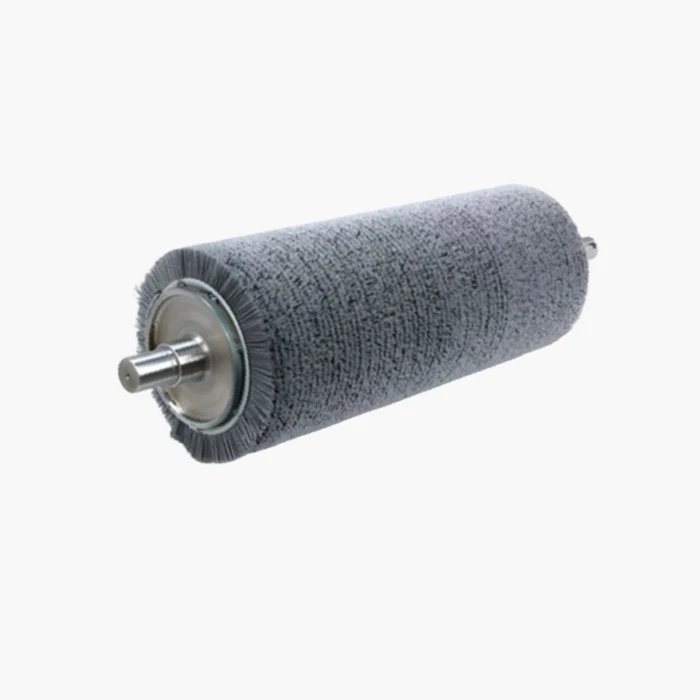
Typical diameter ranges are
Recommended Grit for Wood Sanding Brushes
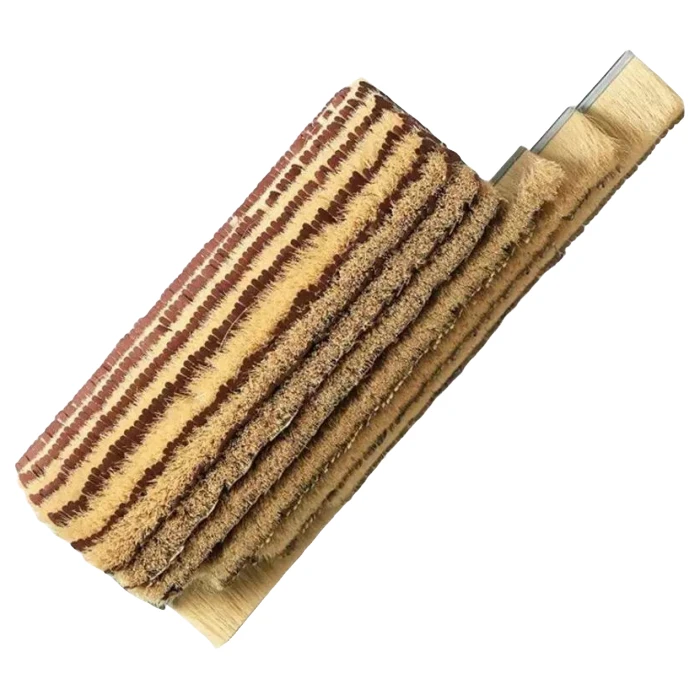
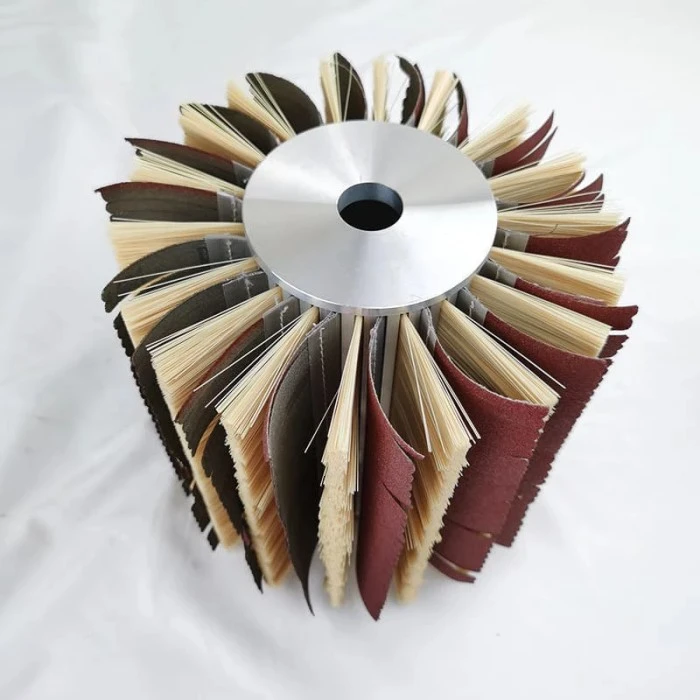
Sisal Roller Brush—Sanding Brush for Wood: Sanding brushes are usually made with 120-180 grit for a reliable combination of performance. The mid-range specifications remove processing marks and establish a suitable surface profile for subsequent coating applications.
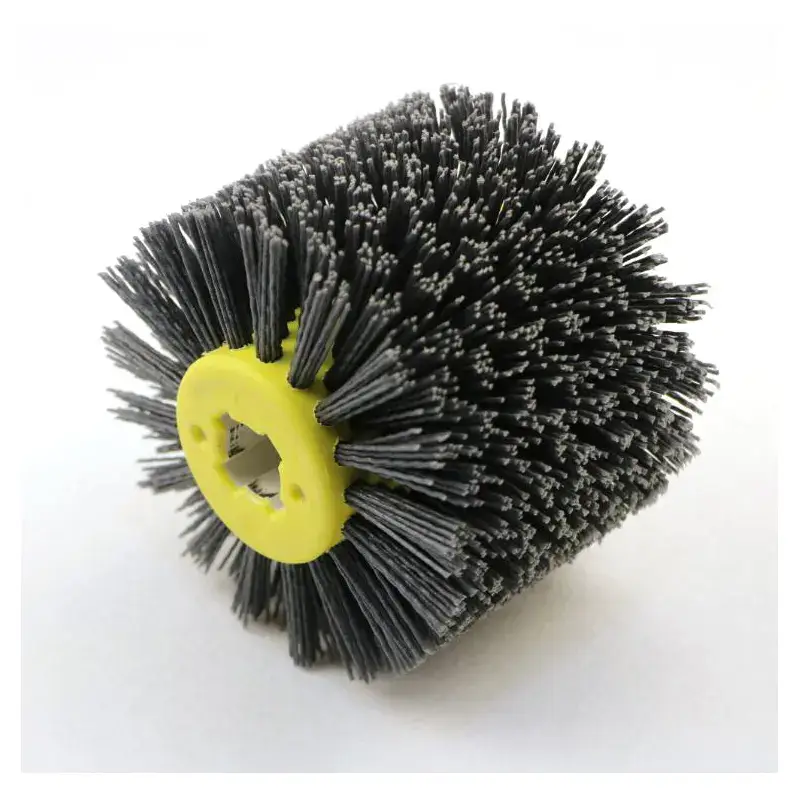
Match the Grit to the Material Characteristics
Hardwoods usually require finer grit progressions to prevent tear-out and surface damage. Softwoods can take the coarser grits early on but still need fine grit finishing passes. For engineered wood products, the choice of grit must be carefully made, depending on the composition and characteristics of the surface veneer.
Starting coarse and ending fine, progressive grit sequences are much better than single grit methods. Most professional jobs have at least two grit stages, and three-stage processes are not uncommon for premium finishing jobs.
Bristle Density Setting
The density of bristles is the number of abrasive filaments per unit area. Higher density designs can be cut more aggressively and will remove more material faster, while lower density designs will provide a gentler finish with less pressure on the surface.
Types of Density Specifications
There are generally three types of density specifications:
Surface Adaptability and Trim Length
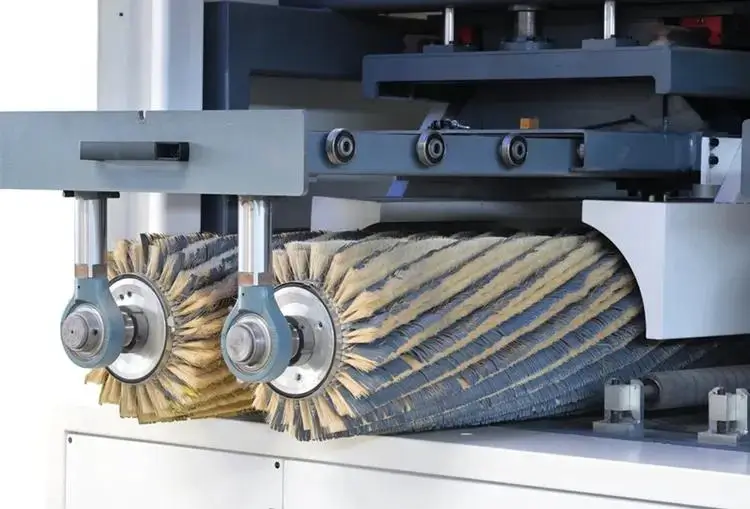
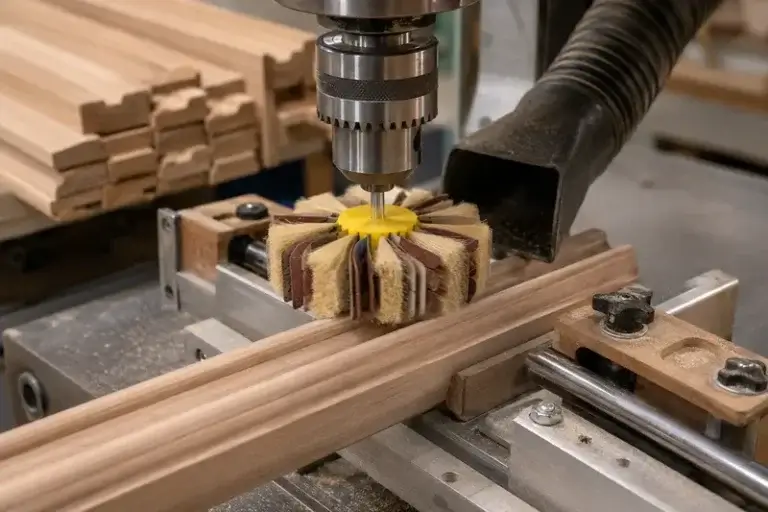
The longer bristles flex and bend as you use them, allowing the sanding brush to follow contours of surfaces without gouging or creating low spots. This feature is important when dealing with carved detail, moldings, or the irregular surface of wood as it naturally occurs. Shorter trims keep pressure constant but can develop flat spots on contoured pieces.
You have to think about the relationship between trim length and rotational speed. Longer bristles can be too flexible at high speeds, which can lower cutting efficiency and create too much heat. Shorter bristles can handle faster speeds, but the machine setup must be more precise to avoid excessive material removal.
Integration of Multiple Specifications
In selecting the proper sanding brush, one must consider all four parameters together. A brush with the correct diameter but the wrong grit size will not meet the finishing requirements. Likewise, even the best combinations of grit and density will not work if the trim length is not set up properly.
See the relationships for the specifications:
- Coarse grits work well at medium to high density for fast stock removal
- Lower density is good for fine grits to avoid surface burnishing
- Long trim lengths compensate for aggressive grit/density combinations
- Use short trim lengths for fine-grit finishing operations
Recommendations Applications Specific
Different woodworking operations require different combinations of specs. Furniture makers who are looking for a higher quality finish will usually specify fine grits (180-240), medium density, and longer trim lengths. Pallet operations prefer coarse grits (80-120) for maximum efficiency, high density, and short trim lengths.
The choice should take into account the characteristics of the wood species, the production volume, and the finishing processes down the line. Pre-stain preparation brushes are different from those used for inter-coat sanding.
Frequent Questions
Q1: Does the density of the bristles have an impact on the service life of sanding brushes in production?
A: Usually, the higher the density setting, the longer it lasts. This phenomenon is due to the presence of more abrasive material. But more abrasive material also generates more heat, which can reduce the operational life of the configuration due to thermal degradation of the bonding agents.
Q2: Can a sanding brush specification work for different wood species?
A: A medium grit (120-150) and normal density will work on various species, but matching the specs to the wood will improve the quality and efficiency of the finish.
Q3: What spec changes reduce the visible cross-grain scratches on hardwoods?
A: 180 grit or better. Cut bristles down to 40-50% density. Increase the trim length to 35-45 mm. This will give a softer surface contact and better control of the scratch pattern.