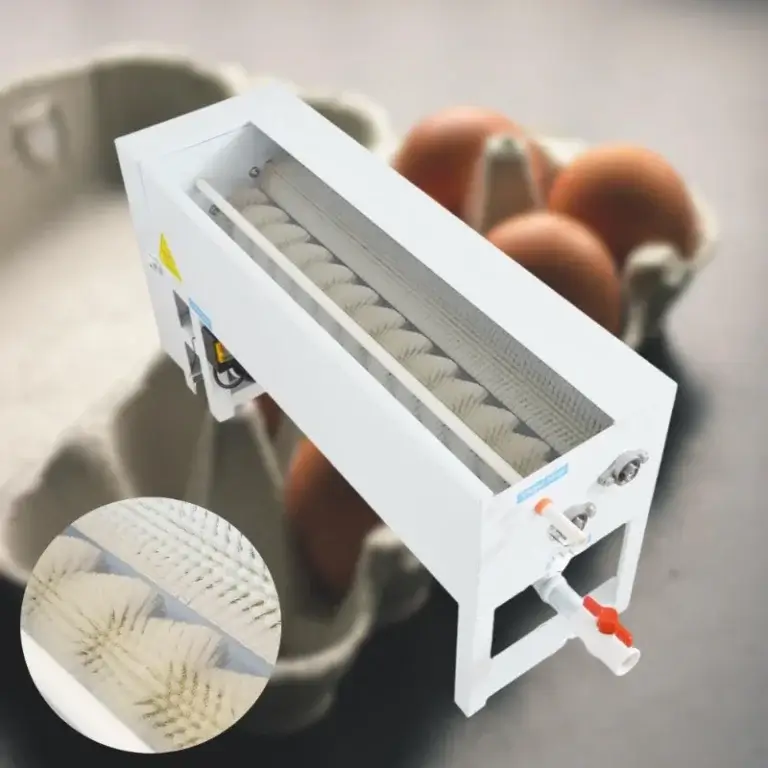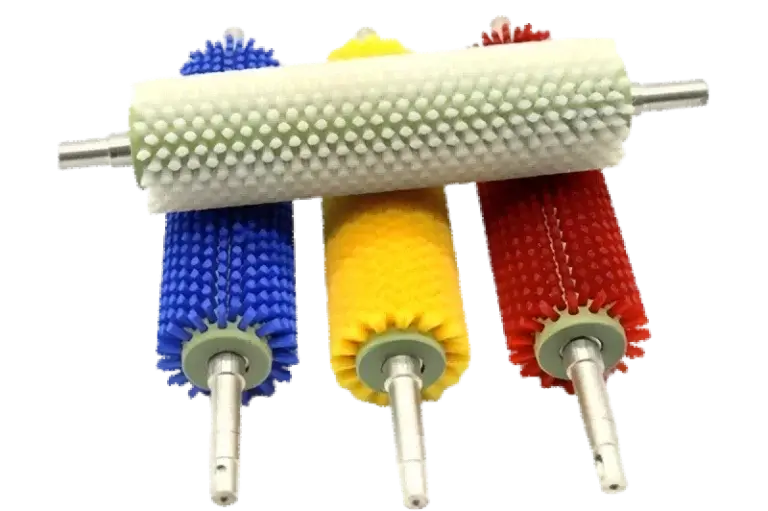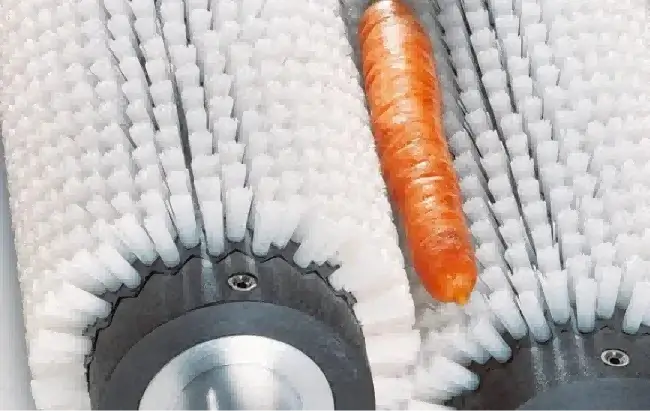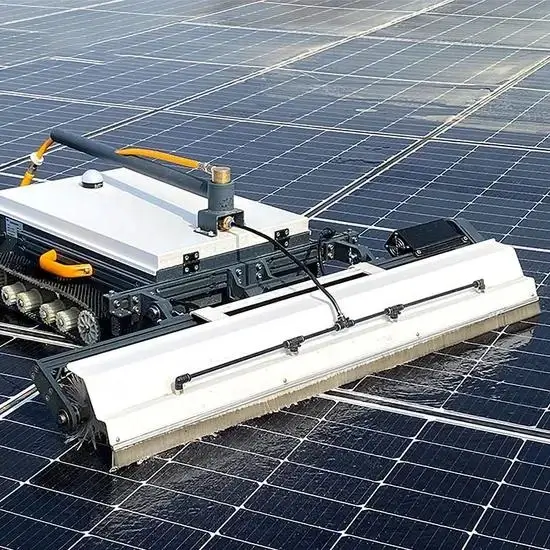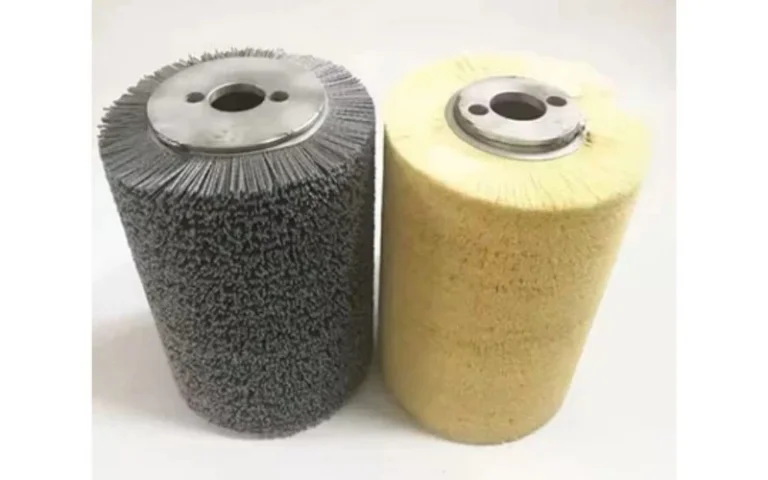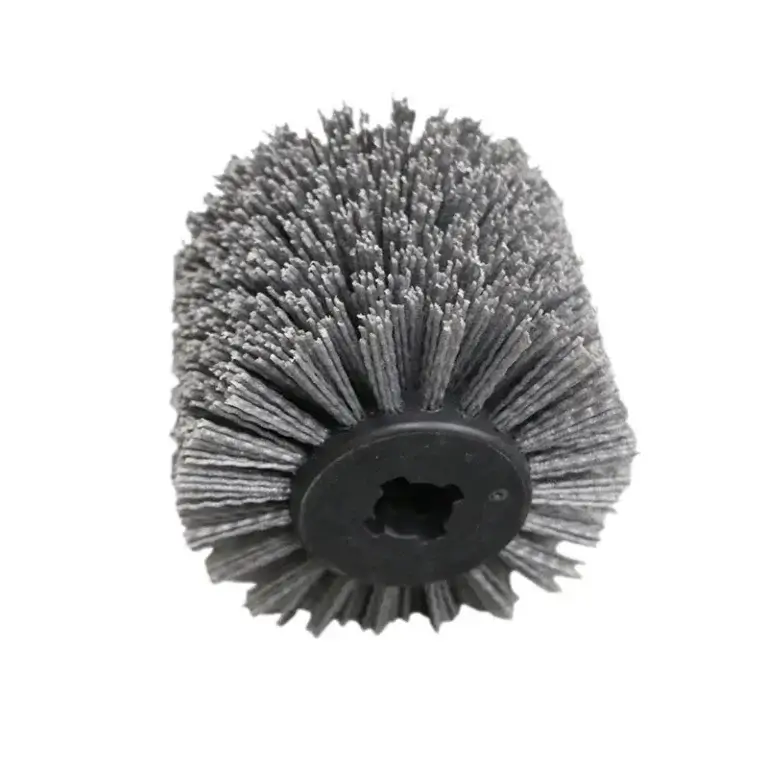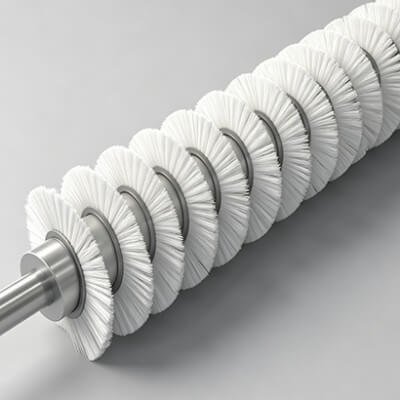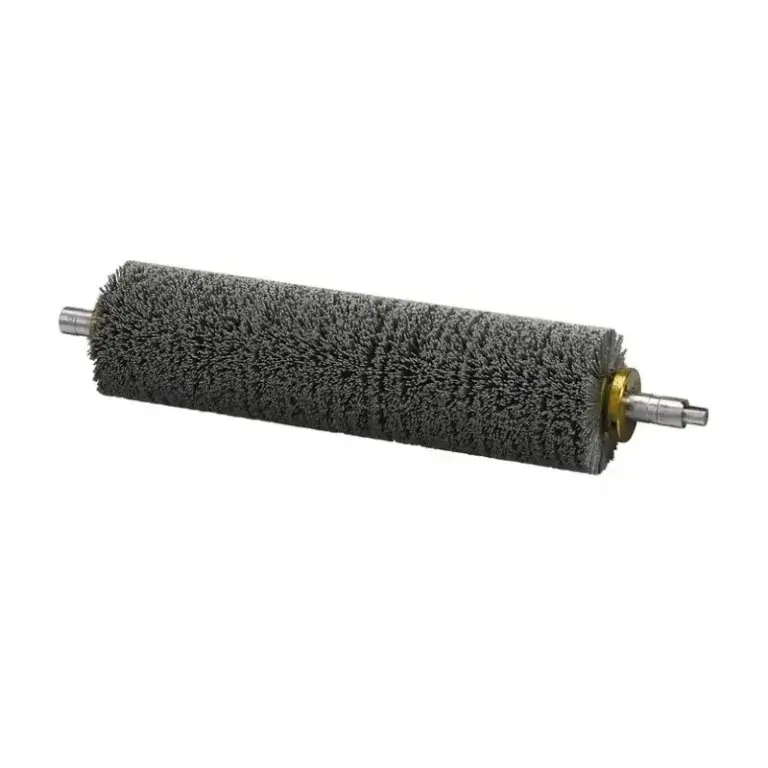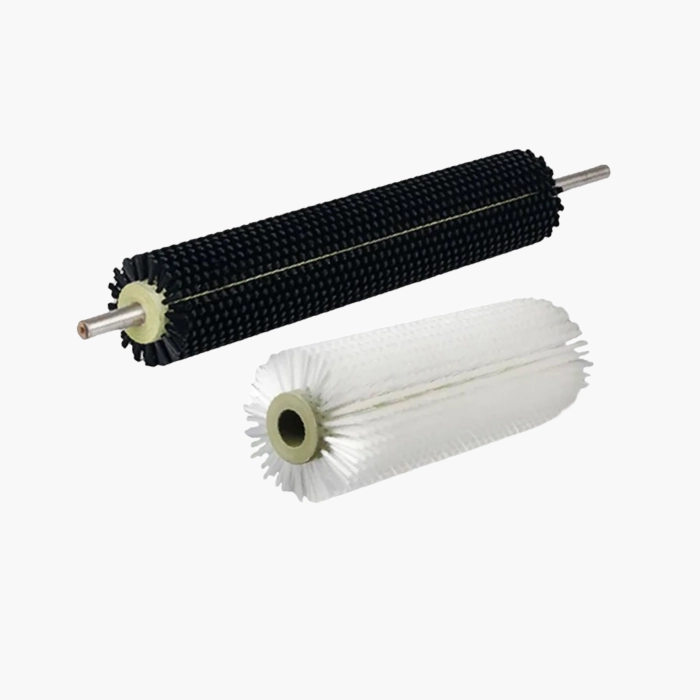
Nylon is consistently ranked as the top choice among filament options by manufacturers for rotary cleaning systems. A nylon cylinder brush offers a combination of flexibility, abrasion resistance, and chemical stability—qualities few materials can match. That makes it suited for everything from heavy industrial cleaning to sensitive food handling.
This article will discuss the core benefits that have made nylon the leading filament material in the design of cylindrical brush units and why most plants continue to standardize on it.
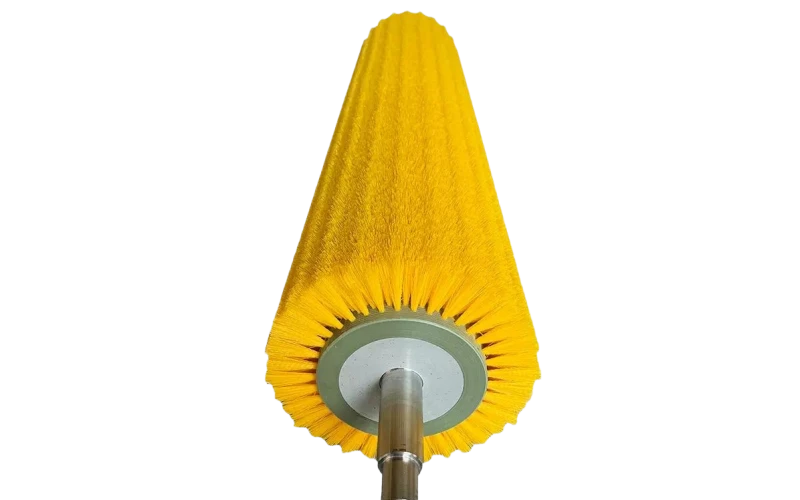
What Makes Nylon the Favorite Brush Filament
Nylon excels over most synthetic filaments in three critical aspects: mechanical strength, chemical resistance, and surface energy. These are not just perceived advantages; they are very clear in actual working environments where brushes run for thousands of hours under demanding conditions.
Facilities that make the change from polypropylene or natural fiber brushes to nylon usually report longer periods between services and more consistent cleaning results. To take a more in-depth look at how different industries are applying these brushes, the industrial applications for nylon cylinder brushes guide details specific use cases.
Core Advantages of Nylon Cylinder Brushes
1. Superior Abrasion Resistance
Nylon filament wear resistance is much better than that of polypropylene or natural fibers, so in high-speed rotary applications, this directly translates to longer brush life and less frequent replacement.
Operations cleaning textured or rough surfaces—such as metal panels, conveyor belts, or concrete forms—benefit most from this property. A properly specified nylon brush can frequently outlast a polypropylene counterpart by 40–60% under the same conditions, according to typical field experience.
2. Excellent Chemical Resistance
Nylon withstands exposure to a broad array of chemicals, including weak acids, bases, and typical industrial solvents. For this reason, it is the preferred filament in wash-down areas where brushes come into contact with cleaning agents on a daily basis. Some of the important chemicals that nylon can resist include:
- Dilute caustic soda (NaOH)
- Solutions of citric acid
- Most petroleum-based solvents
- Common food-grade sanitizers
Facilities that need to match specific chemical environments to filament grades can look at custom nylon cylinder brushes made to exact material specifications.
3. High Flexibility and Memory Recovery
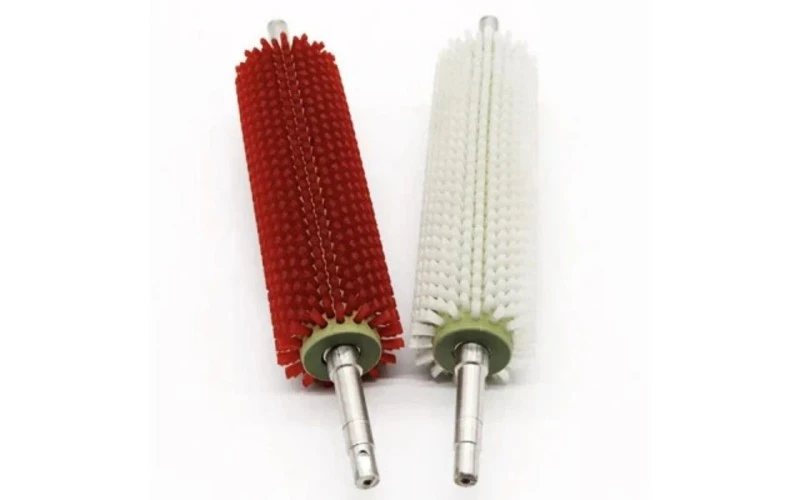
Nylon filaments bend and then spring back into shape under pressure; in other words, they have excellent memory recovery. This property ensures that cleaning performance remains stable over the entire service life of the brush. Most other types of filaments tend to acquire a permanent set—they simply start flattening out and losing effectiveness much sooner.
Safe for Sensitive Surfaces
This advantage matters most in applications where the cylindrical brush contacts irregular or curved surfaces, such as the interiors of pipes, roller surfaces, and shaped profiles of conveyors. Nylon cleans thoroughly without scratching or damaging delicate surfaces. This balance between strength and gentleness explains why nylon dominates in two very different sectors:
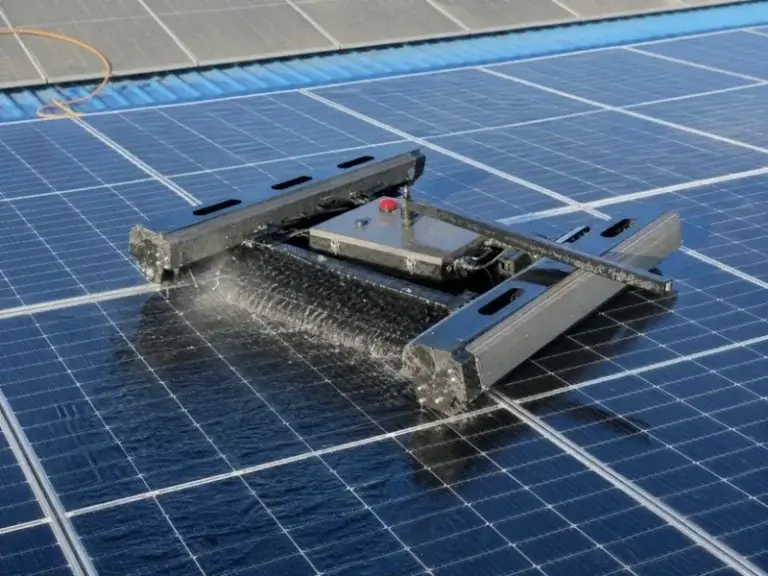
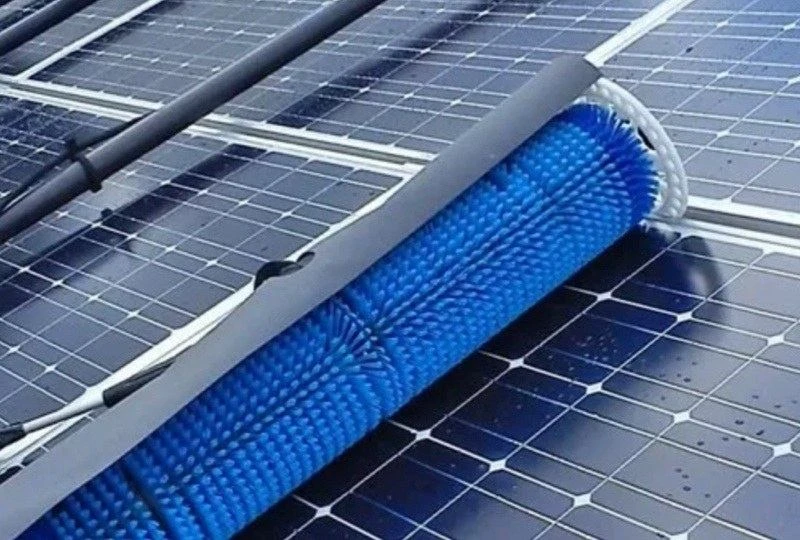
- Solar energy: A solar panel cleaning brush with nylon filaments removes dust and debris without micro-scratching the glass coating, which would reduce panel efficiency over time.
- Food processing: A fruit and vegetable brush made from food-grade nylon ensures that the surface of the produce is gently scrubbed to keep it clean while preserving the integrity of the skin, which is critical for products where appearance is important, such as apples, potatoes, and citrus.
4. Temperature Tolerance
Nylon 6 and Nylon 6.12 both do well with moderate heat, holding their shape at temperatures up to around 120 °C (250 °F) depending on the grade. This is what makes nylon cylinder brushes suitable for post-oven conveyor cleaning, warm water wash systems, and other heated process environments.
Nylon vs. Other Common Filament Materials
| roperty | Nylon | Polypropylene | Natural Fiber | Steel Wire |
| Abrasion Resistance | High | Moderate | Low | Very High |
| Chemical Resistance | High | High | Low | Moderate |
| Flexibility & Memory | Excellent | Good | Poor | Poor |
| Surface Safety | Gentle | Moderate | Gentle | Abrasive |
| Heat Tolerance | Up to ~120°C | Up to ~80°C | Low | High |
| Typical Lifespan | Long | Moderate | Short | Long |
For facilities evaluating which filament suits their specific process, the guide on how to choose the right nylon cylinder brush walks through each selection factor step by step.
Where These Benefits Are Most Relevant
The benefits listed above are not equally relevant in every setting. Different industries place varying levels of importance on distinct characteristics:
- Food and agriculture: High importance on surface safety, FDA compliance, and washability.
- Solar and glass cleaning: High importance on scratch-free performance and flexibility.
- Metal finishing and deburring: High importance on abrasion resistance and filament stiffness.
- Packaging and printing: High importance on dust removal consistency and static control.
Selecting the correct nylon grade for the application maximizes the value that operators get from each brush. This allows facilities to look through the entire range of cylinder brushes, compare the configurations, and find the one that most closely matches their operating requirements.
Maximizing Life With a Nylon Cylinder Brush
Good handling makes even a high-quality brush last longer. Most experienced maintenance teams follow these practices:
- Check filament condition monthly and measure trim length against original specs.
- Adjust the distance between the bristles and the surface as the filaments erode so that there is even pressure throughout.
- Do not let the nylon come into contact with very strong oxidizing acids, such as highly concentrated nitric acid, as these will decompose the filaments over time.
- Keep replacement brushes in dry storage and out of direct sunlight to protect the material integrity before installation.
Frequently Asked Questions
Q1: Can a Nylon Cylinder Brush Do Wet and Dry Cleaning?
Yes. Nylon absorbs very little moisture and maintains its stiffness whether it is wet or dry. This makes it suitable for wash-down lines and dry conveyor cleaning alike.
Q2: What is the best nylon grade for food processing brushes?
Nylon 6.12 is the most common food-grade option. It has low moisture absorption, excellent chemical resistance, and meets FDA material compliance regulations for direct food contact.
Q3: How do bulk buyers specify a custom nylon cylinder brush order?
Buyers should specify the roller diameter, face length, filament diameter, trim length, and core type. Most manufacturers will also require the operating speed and details of the target application.