
Over the last decade, automated and demanding industrial cleaning systems have evolved significantly. At the core of these systems is a component that often does not receive the attention it deserves: the nylon cylinder brush. These brushes provide consistent cleaning performance, chemical resistance, and mechanical reliability. As manufacturing requirements tighten, specific applications for these brushes have emerged as market leaders.
Why Nylon Cylinder Brushes Lead Industrial Cleaning
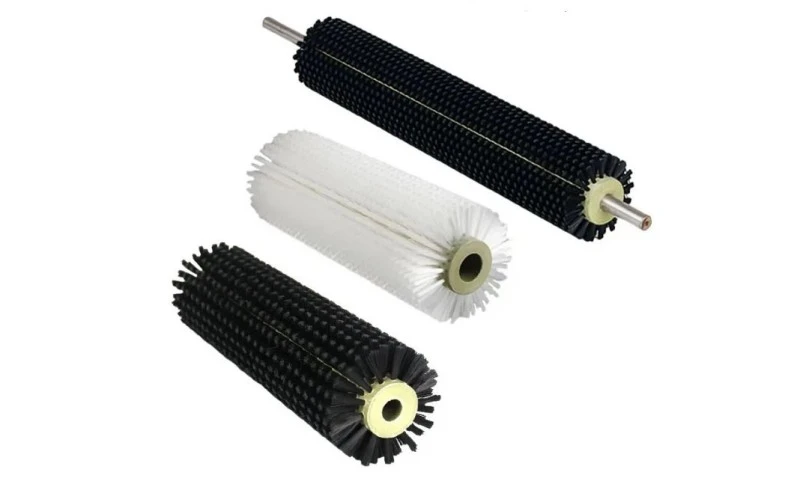
Nylon offers measurable advantages over other filament materials, securing its dominance in the industrial market. Unlike natural fibers, nylon does not absorb moisture and remains consistently stiff when wet. Unlike metal wire, it cleans effectively without scratching sensitive surfaces. Purchasers evaluating different brush constructions should understand what is a nylon coil brush to determine which configuration best suits their equipment.
The Leading 5 Applications in 2026
The following table contrasts the key specifications required for the top industrial applications of 2026:
| Application | Filament Diameter | Operating Environment | Core Requirement |
| Solar Energy | 0.15 – 0.25 mm | Outdoor / Wet | Scratch-free contact |
| Conveyor Belts | 0.40 – 0.80 mm | Industrial / Hybrid | High wear resistance |
| Food Processing | 0.20 – 0.35 mm | Wet / Food-grade | FDA-compliant materials |
| Glass Industry | 0.15 – 0.30 mm | Wet | Zero scratch tolerance |
| Textile Mills | 0.25 – 0.50 mm | Indoor / Dry | Uniform density |
1. Solar Panel Cleaning
As solar installations expand globally, dust and mineral deposits can reduce power output by up to 30%. Robotic or rail-mounted systems utilizing a high-quality nylon cylinder brush provide a consistently scratch-free contact. With filament diameters ranging from 0.15 mm to 0.25 mm, these solar panel cleaning brushes effectively dislodge particulate matter while protecting the delicate anti-reflective coatings of the modules. They are the premier solution for high-volume, automated cleaning cycles.
2. Conveyor Belt Cleaning
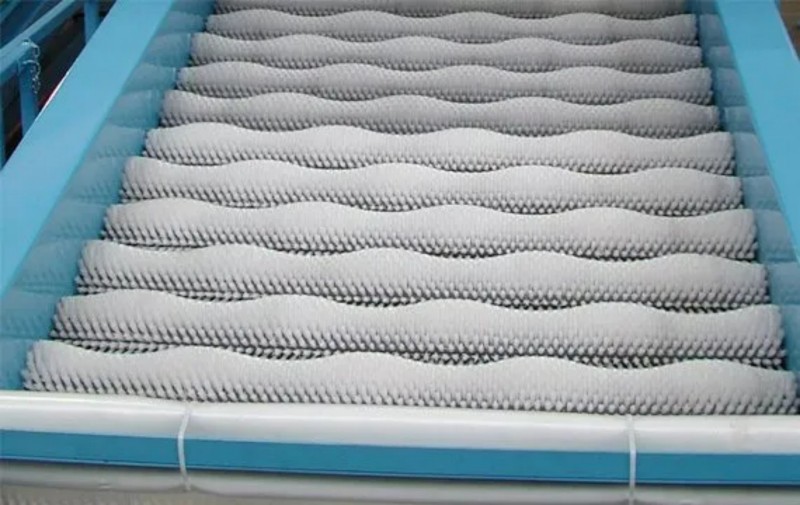
Material carryback leads to accelerated belt wear and creates significant hygiene risks in mines, food manufacturing, and logistics. A conveyor belt cleaning brush attached to return rollers is designed to rotate against the belt surface, removing compacted material without the gouging risks associated with metal scrapers. By utilizing stainless steel cores and optimized, short trim lengths, these brushes provide the necessary stiffness for deep-cleaning in 24/7 industrial operations.
3. Food Processing: Fruit and Vegetable Washing
Automated brush washing systems have become the industry standard for facilities requiring documented, repeatable cleaning results. Using a vegetable cleaning brush or a specialized fruit cleaning brush constructed with FDA/EU-compliant filaments (0.20–0.35 mm) ensures high-throughput removal of soil, pesticides, and biofilms. The controlled flexibility of nylon provides the mechanical action needed to clean surfaces effectively without bruising delicate skins, ensuring the integrity of the produce during processing.
4. Glass Washing
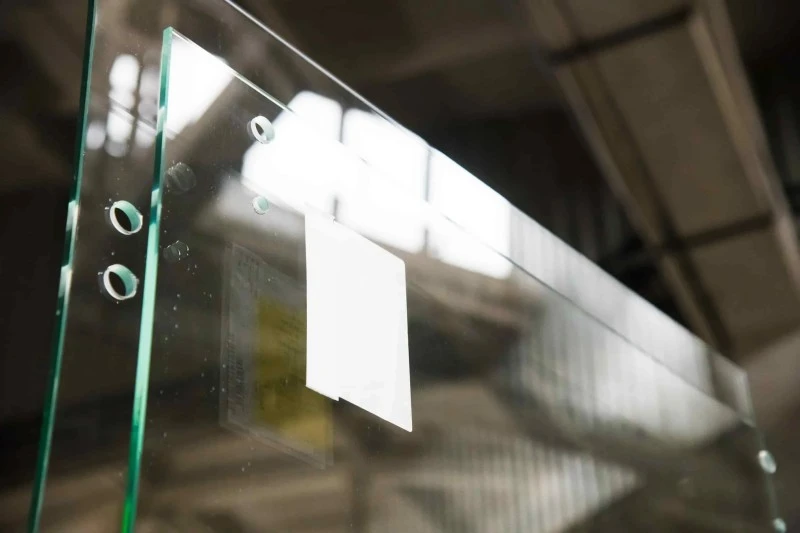
Surface contamination prior to coating or tempering is a primary source of optical defects and costly rework. To remove cutting oils and particulates from flat glass, glass washing brushes with fine filaments (0.15–0.30 mm) are rotated against the surface. This provides uniform contact pressure across the entire pane. The natural flexibility of a nylon-based cylinder brush helps eliminate micro-scratches under rotational loads, offering a distinct advantage over stiffer materials when working with high-end architectural and automotive glass.
5. Textile Processing
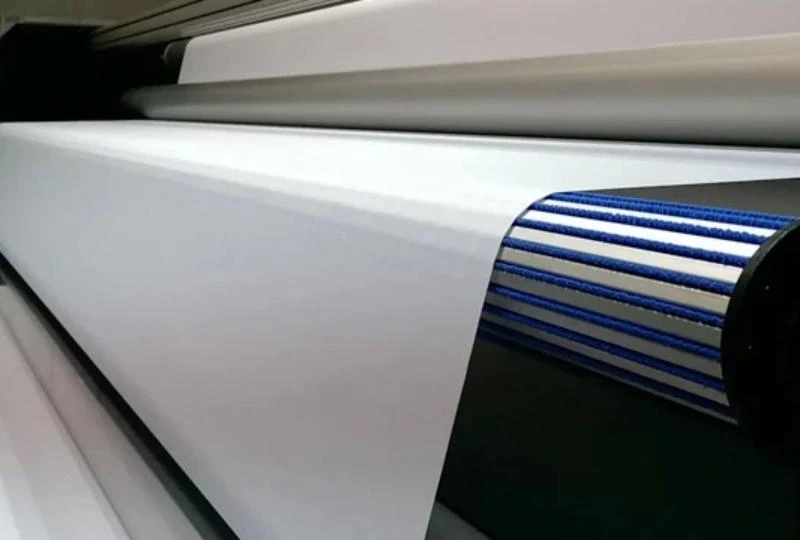
In textile finishing, a specialized nylon cylinder brush is used for raising surface fibers for napping, eliminating lint between production stages, and uniformly distributing finishing agents. The aggressiveness of the cleaning process is determined by the filament diameter:
- Fine diameters: Ideal for lightweight synthetic fabrics.
- Coarse diameters: More appropriate for heavy, durable woven fabrics.
Unlike natural fiber alternatives, nylon maintains consistent stiffness in both wet and dry finishing environments, ensuring uniform results across the entire fabric width.
Matching the Right Brush to the Application
Each application requires a unique combination of filament diameter, trim length, and core material. Incorrect specifications lead to product destruction or reduced brush life. Users should focus heavily on trim length, as it directly dictates whether the brush contact is gentle or aggressive.
FAQ
Can nylon cylinder brushes be customized to fit specific equipment measurements?
Yes, manufacturers provide fully customized solutions where core dimensions, shaft sizes, and brush diameters are engineered to match your specific conveyor or roller system requirements perfectly.
What is the average MOQ for a wholesale nylon cylinder brush order?
Minimum Order Quantities (MOQ) vary based on customization levels. Standard catalog items typically have lower MOQs, while specialized, engineered-to-order brushes require higher quantities to account for production setup.
Are food-grade nylon brushes available for automated washing lines?
Absolutely. We offer high-performance brushes with FDA and EU-compliant filaments and cores, specifically designed to meet rigorous safety standards for fresh produce washing and processing applications.