
Choosing an inappropriate brush type for industrial cleaning will not only decrease productivity but may also cause equipment damage, product contamination, and costly downtime. Experienced purchasing managers and production engineers agree that brush specification is often the most neglected variable during the design of cleaning systems. The first step in correctly specifying brushes is to understand their performance and capabilities—specifically what is nylon cylinder brush—and match them with the demands of the application.
Why Nylon Is the Preferred Filament Material for Industrial Cylinder Brushes
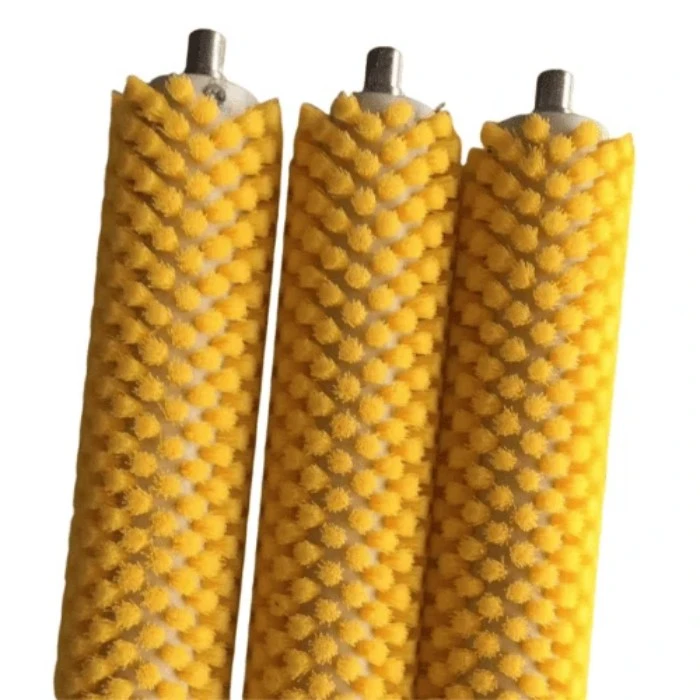
Different types of filament are employed by various industrial brushes. For instance, steel wire, natural fibers, and a range of synthetic materials are suitable for an array of tasks; nevertheless, nylon is currently the preferred option for industrial cleaning jobs. Nylon fibers possess a unique set of characteristics that no other material can replicate:
- Resistant to chemicals: Nylon fibers are highly resistant to deterioration when coming into contact with mild acids, alkaline materials, oils, or industrial cleaners.
- Resistant to moisture: Since nylon fibers are synthetic and do not absorb liquids, they will not swell or deform in humid environments.
- Constant stiffness: There is little change in filament rigidity despite temperature fluctuations.
- Durability: Nylon holds its shape longer than softer synthetics.
- Food-safe: High-quality nylon is FDA and EU compliant for food contact.
Important Criteria When Selecting a Nylon Cylinder Brush
When selecting a nylon cylinder brush, many parameters must be considered simultaneously. Since these variables are interdependent, an adjustment to one—such as the filament diameter—will inherently affect stiffness, contact load, and wear rate.
1. Stiffness and Filament Diameter
The stiffness of a brush is primarily determined by the diameter of the filament. A thicker filament provides aggressive action, while thinner filaments are used for delicate surfaces.
| Filament Diameter | Stiffness Level | Typical Application |
| 0.15–0.20 mm | Extra Soft | Optical glass, coated surfaces |
| 0.25–0.35 mm | Soft to Medium | Fruit and vegetable washing |
| 0.40–0.60 mm | Medium | General conveyor cleaning |
| 0.70–1.00 mm | Stiff | Heavy-duty industrial scrubbing |
| 1.20 mm+ | Extra Stiff | Rust removal, aggressive deburring |
2. Brush Diameter and Trim Length
Brush diameter determines the contact arc with the workpiece. Larger diameters distribute pressure more gradually, which suits fragile items. Trim length—the exposed filament length from the core—controls flexibility. Longer trim produces softer, more compliant contact, while shorter trim increases rigidity and scrubbing force.
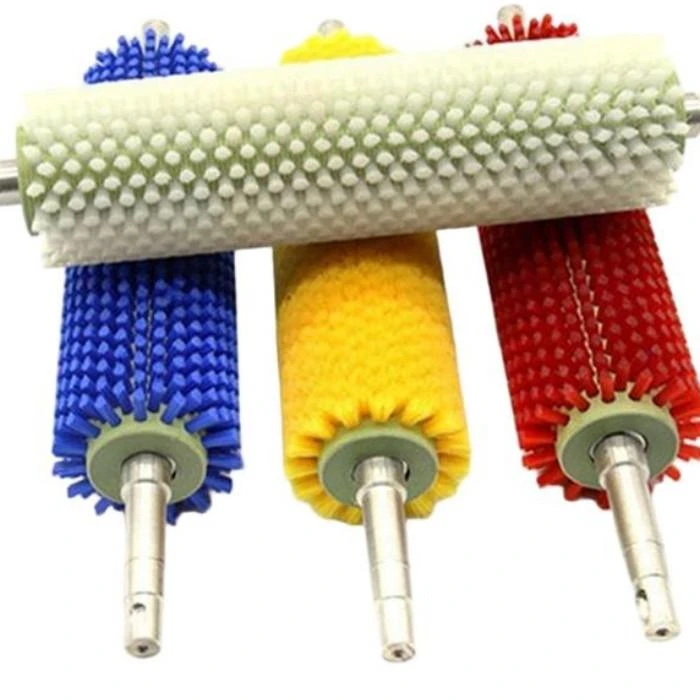
3. Core Material
The core holds the filaments and transmits rotational force. Common materials include:
- Steel: Maximum rigidity for heavy industrial use.
- Stainless steel: Corrosion resistance for wet or food processing environments.
- Plastic/PVC: Lightweight, non-metallic option to eliminate contamination.
- Aluminum: Balanced weight and strength for medium-duty tasks.
4. Rotational Speed Compatibility
Each cylinder brush configuration has an optimal RPM range. Running a brush above its rated speed accelerates wear and can cause structural failure. Confirming compatibility between brush specifications and equipment drive speed is non-negotiable.
Matching Brush Specifications to Industrial Applications
Understanding the selection criteria is only half the process. The other half is knowing how those criteria translate into real-world industry requirements.
Solar Panel Cleaning
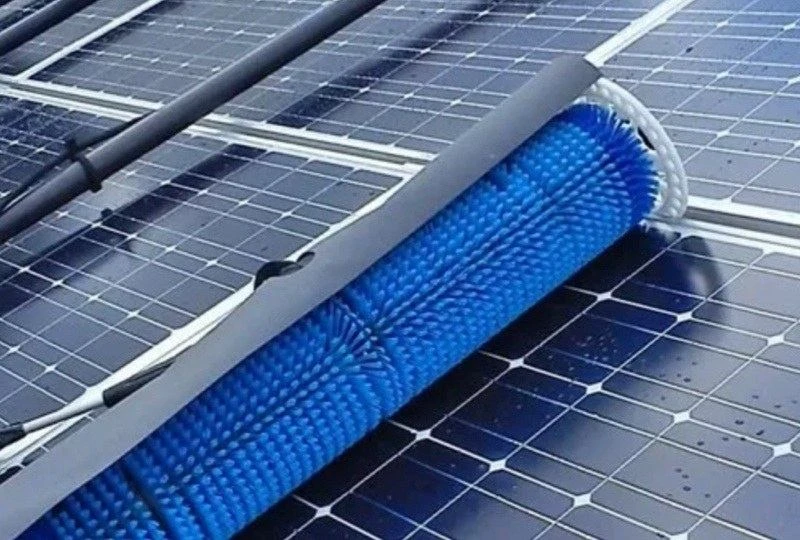
The coating on solar panels is extremely sensitive to scratches. A solar panel cleaning brush must have fine nylon bristles (0.15–0.25 mm) and a non-metallic, non-conductive core to ensure safety.
Conveyor Belt Cleaning
Conveyor belts collect debris and moisture, leading to premature belt wear. In most cases, a conveyor belt cleaning brush requires medium-to-stiff filaments to dislodge compacted material effectively while maintaining high wear resistance.
Fruit and Vegetable Washing
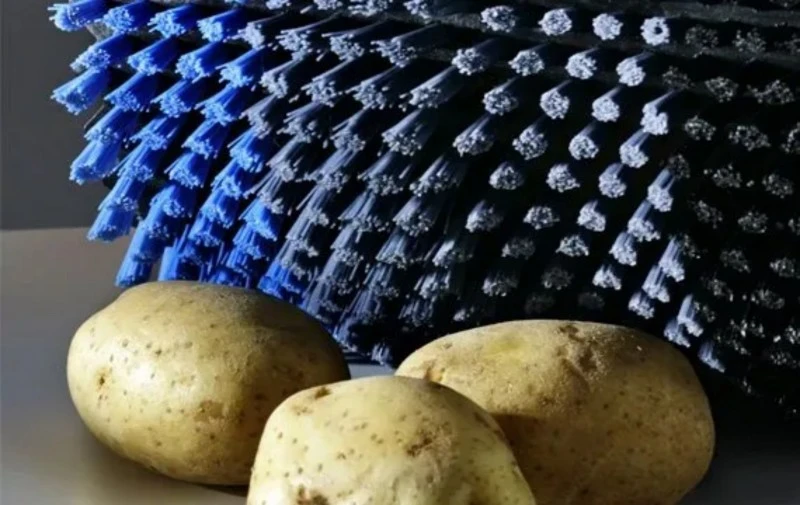
To protect produce from bruising, cleaning systems rely on specialized vegetable cleaning brushes and fruit cleaning brushes. These are constructed using soft-to-medium FDA-grade nylon filament and food-safe cores designed for high-volume throughput.
Glass Washing
Glass washing brushes must be able to remove contaminants without scratching. Precision-controlled trim lengths and finer filaments provide the soft touch required for delicate flat glass finishing lines.
Common Specification Mistakes to Avoid
Even experienced buyers occasionally make errors that reduce service life. Common pitfalls include:
- Selecting stiffness based on intuition rather than surface hardness data.
- Ignoring trim length when calculating contact pressure.
- Overlooking core corrosion resistance in wet environments.
- Assuming all nylon grades are food-safe without checking certifications.
Working With a Manufacturer on Custom Specifications
Standard catalog items work for many systems, but custom configurations are often necessary. When contacting a manufacturer, have the following information prepared to expedite the process:
- Width of equipment shaft and RPM of the drive unit.
- Required dimensions (width/diameter) of the brush.
- Material type and surface finish of the workpiece.
- Operating environment (wet, dry, temperature, or chemical exposure).
- Required service life or replacement frequency.
FAQ
Can you customize brushes for specific equipment?
Yes, most manufacturers provide custom diameters, filament types, and core configurations to meet your specific shaft size, working width, and RPM requirements.
What is the minimum order quantity for custom brushes?
Minimum order quantities are based on the complexity of the brush style. Please contact our sales team directly for specific lead times and minimum purchase requirements.
Do you offer food-grade certification?
Yes, we provide food-grade nylon filaments and non-metallic cores that are fully compliant with FDA and EU regulations for use in food processing lines.