
A nylon cylinder brush is rarely a one-size-fits-all component. While sourcing a standard catalog roller may suffice for general-purpose tasks, specific industrial challenges often require tailored solutions. When surface contact, throughput volume, and material compatibility are critical—such as in food processing plants, high-speed conveyors, or glass washing machines—standard options seldom produce satisfactory results. This is why custom cylinder brushes are essential; while applications share similarities, no two environments are identical. Experienced procurement teams and equipment engineers must consider several key specifications when ordering a nylon cylinder brush tailored to their specific operational needs.
The Importance of Customizing Your Industrial Brush Selection
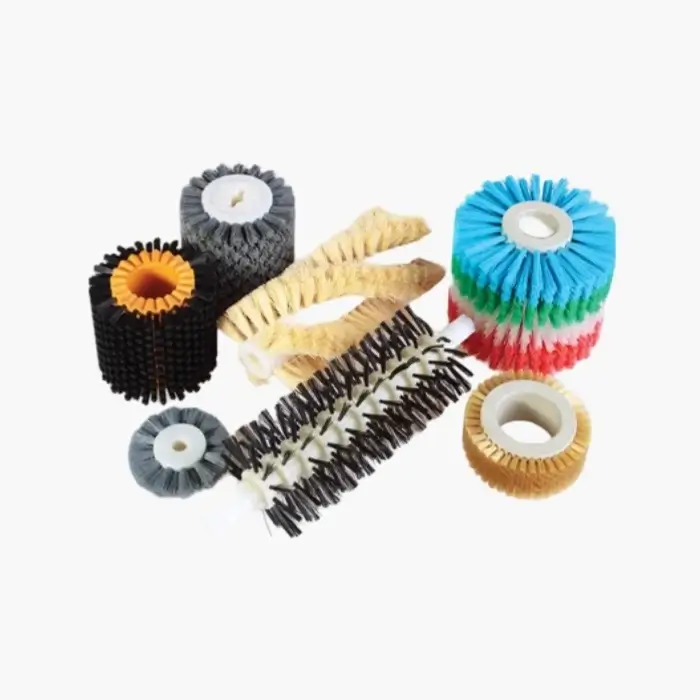
Ready-made brushes are typically designed for average users. However, off-the-shelf performance is influenced by more than just filament rigidity; core diameter and face width interact uniquely with every application. A brush that excels on a dry conveyor may fail prematurely on a wet food processing line.
Professional brush roller manufacturers know that determining specifications is much more than checking physical dimensions. When designing a brush, engineers must prioritize mechanical properties and match them to actual work conditions. Properly aligning these properties during the design phase reduces troubleshooting, extends maintenance intervals, and eliminates rework costs associated with brushes that are either too weak or too aggressive for the task at hand.
Core Specification Variables
1. Filament Diameter and Stiffness
Filament diameter is the primary driver of brush aggressiveness. The right choice depends on the substrate being cleaned and the mechanical action required.
| Filament Diameter | Stiffness Level | Typical Application |
| 0.15–0.20 mm | Soft | Solar panel glass, optical surfaces |
| 0.20–0.35 mm | Medium | Vegetable cleaning brush, fruit washing |
| 0.35–0.50 mm | Medium-firm | General industrial cleaning, textiles |
| 0.50–0.80 mm | Firm | Conveyor belt cleaning brush, debris removal |
For food contact applications, such as a nylon brush for cleaning produce, FDA or EU food-grade certification is a mandatory specification point, not an optional upgrade.
2. Brush Construction Type
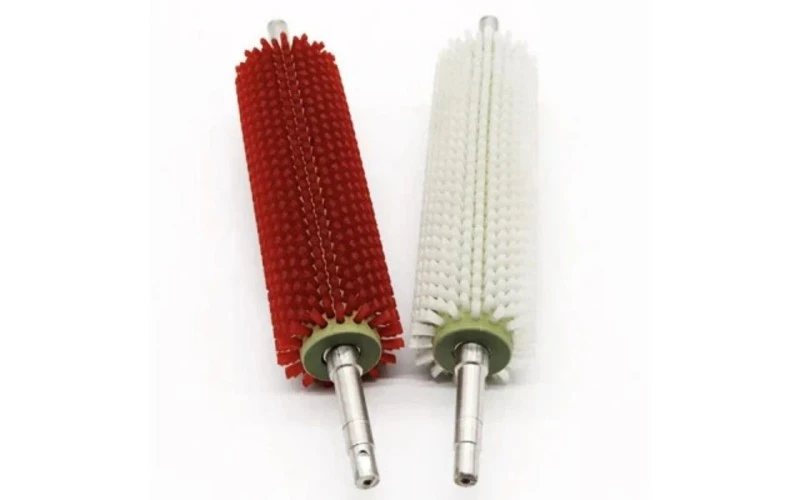
The construction method dictates how filaments are anchored and how they distribute pressure. Three main types are prevalent:
- Tufted cylinder brushes: Filaments are anchored in drilled holes. This provides high density, ideal for concentrated scrubbing or textile lint removal.
- Wound cylinder brushes: A continuous filament-filled channel is wound helically, producing even, consistent contact for washing and conveyor applications.
- Nylon coil brushes: A spiral-wound construction offering length and diameter flexibility. For a detailed breakdown of this format, refer to what is a nylon coil brush.
3. Core Material and Dimensions
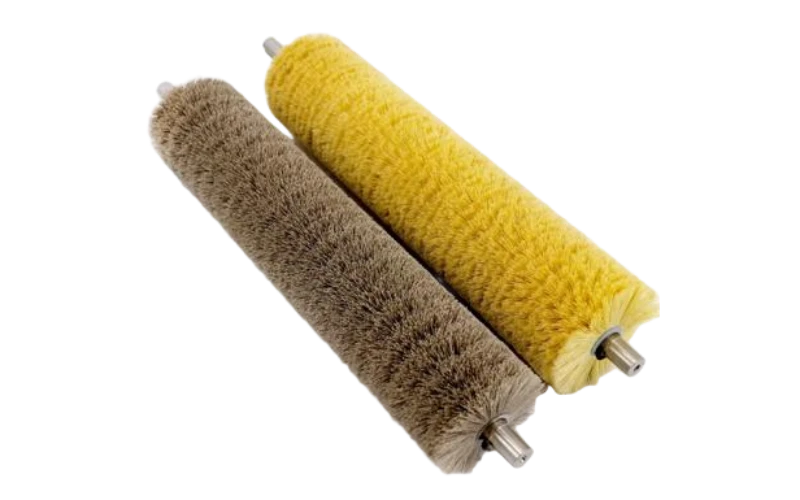
The core carries the load under rotation. Material selection is based on the operating environment:
- Stainless steel: Ideal for wet, corrosive, or food-contact environments.
- Aluminum: Used when weight reduction is a priority.
- Plastic/Nylon: Best for light-duty or high-chemical exposure.
4. Trim Length
Trim length controls the balance between flexibility and force. Shorter trim increases scrubbing force, while longer trim allows filaments to conform to irregular surfaces. For heavy-duty belt cleaning, trim lengths under 25 mm are standard.
Matching Brush Specs to Application
The specification process is most effective when the application is clearly defined. If you are uncertain about the baseline requirements for your equipment, the guide on how to choose the right nylon cylinder brush provides a structured framework for your decision-making process.
- Conveyor cleaning: Calls for firm filaments and stainless steel cores to withstand continuous rotation under load.
- Food processing: Prioritizes material compliance and cores that tolerate repeated washdown cycles.
- Glass washing: Requires fine, uniform filaments to avoid micro-scratches.
Working with Brush Roller Manufacturers
Reputable manufacturers will request application details before quoting—not just dimensions. Be prepared to provide the operating RPM, surface material, cleaning media (e.g., water or detergent), and desired service life. Providing this data upfront shortens the development cycle and ensures the final nylon cylinder brush performs to expectations.
FAQ
Q: What is the minimum order quantity for custom brushes? Most manufacturers accept orders from small prototype quantities. MOQ varies by construction type and filament—contact your supplier directly for project-specific terms.
Q: Can custom brushes be made to fit existing shafts? Yes. Core diameter, face width, and shaft bore can be specified to match existing equipment. Engineering drawings or worn samples help expedite the quoting process.
Q: Are food-grade nylon filaments available for produce washing? Yes. FDA/EU-compliant nylon filaments are standard. Antimicrobial variants are also available for high-hygiene environments to meet strict food safety and processing regulations.