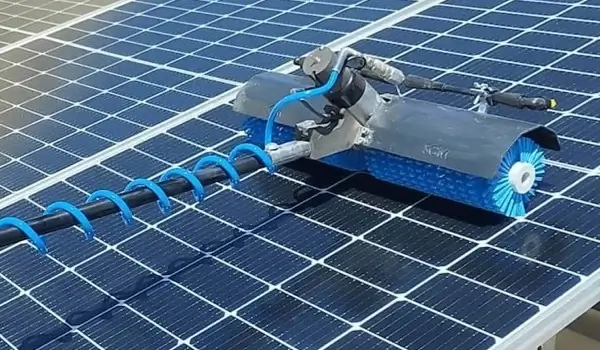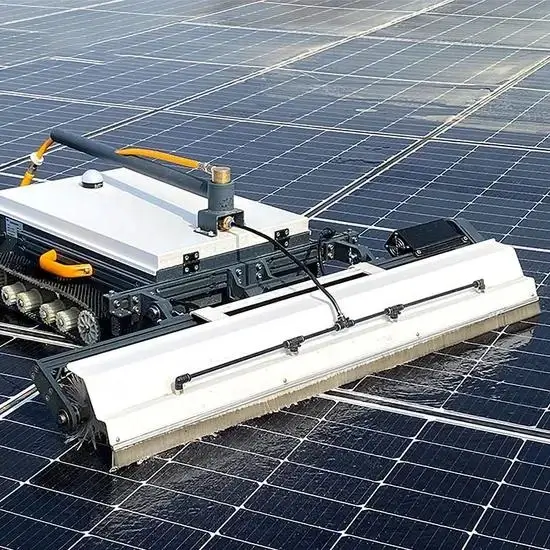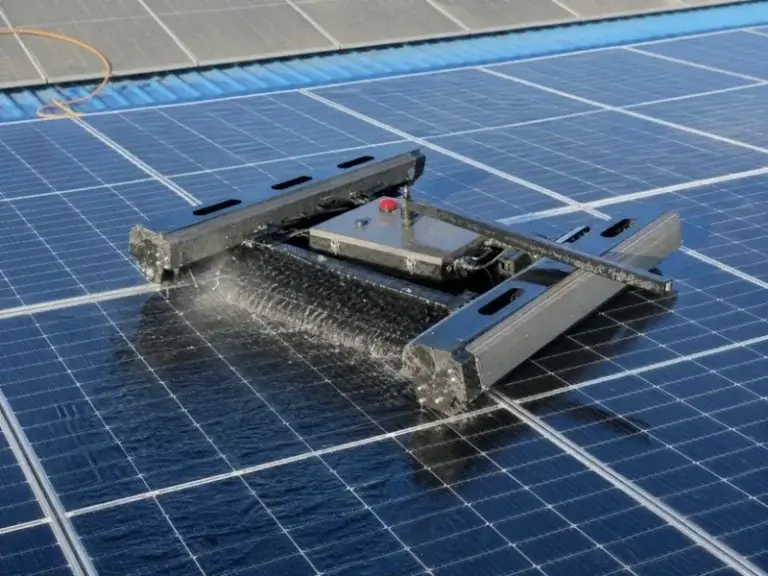
The surface of a solar panel is made of glass, and glass needs to be treated carefully while cleaning the panels. The accumulation of dust, bird droppings, fine sand, and airborne particles will all reduce the energy output of a solar panel over time; however, if you clean the surface of the solar panel too aggressively, it could leave permanent micro-scratches that will reduce how well light passes through the solar panel. This is the fundamental problem that a properly specified solar panel cleaning brush has been designed to address.
For those newer to this product category, the solar panel cleaning brush overview provides a useful foundation before moving into feature comparison. Below, we will discuss similarities seen consistently from many commercial PV cleaning systems and robotic cleaning platforms based on how brush performance is monitored within operational cycles.
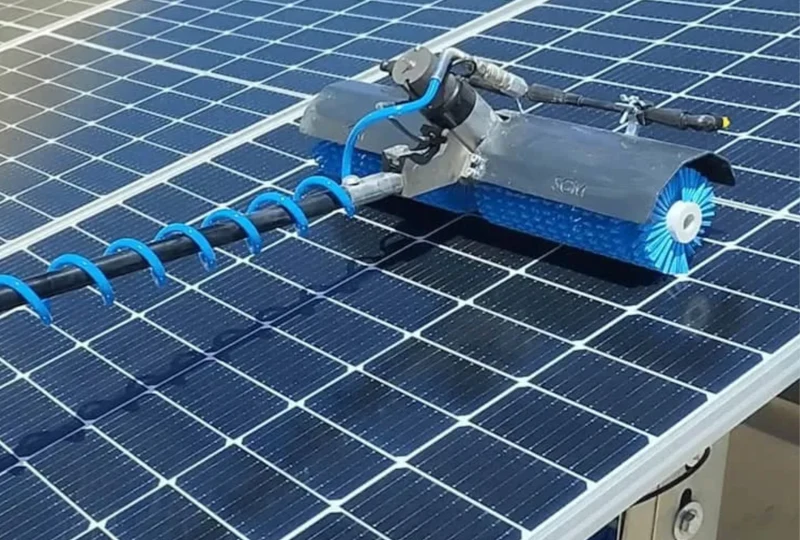
Why Brush Construction Can Affect Cleaning Results
Not every type of brush will clean a PV panel equally well. The filament type, the attachment method for anchoring the filament to the core, and the rotational speed of a cylindrical brush all play important roles in how effectively and safely surfaces are cleaned. An overly aggressive brush can damage the glass coating, while a brush that is too soft will not remove bonded contaminants. Separating a solar panel cleaning brush that will provide measurable efficiencies from one that will introduce new maintenance issues is done by understanding the elements involved.
Key Feature of a Solar Panel Cleaning Brush
Standard Material of Nylon Filament
By far, the nylon filament type (PA) is the most popular type used for the nylon cleaning brush category. The use of nylon filament types (PA) is noted below:
- Abrasion Resistance — The filaments retain their ability to clean throughout prolonged life cycles and do not deform while doing so.
- Temperature Stability — The performance of PA-grade nylon in terms of temperature tolerance is reliable in temperatures expected from outdoor solar installations, such as summer peak operating conditions.
- Surface Safety — Since Nylon is soft enough, glass can be in contact with it without damaging either the surface or creating micro-scratches or abrasions that would impede light transmission.
- Chemical Resistance — Performs consistently when used with water-based or mild detergent cleaning systems.
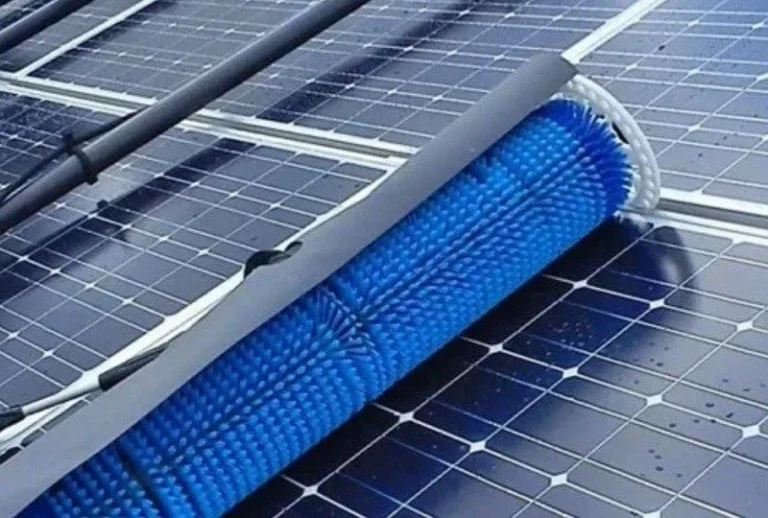
The majority of robotic and semi-automatic PV cleaning equipment is designed around a nylon cylinder brush format. The use of a cylindrical form factor allows for the complete width of the brush to make contact with the panel surface during linear passes, which will provide a consistent amount of coverage with each stroke.
In addition, nylon brush filaments have the benefit of not curling or shedding after prolonged use, making them practical because they reduce the amount of maintenance required on automated systems being used on large solar arrays.
Precision Tufted Construction
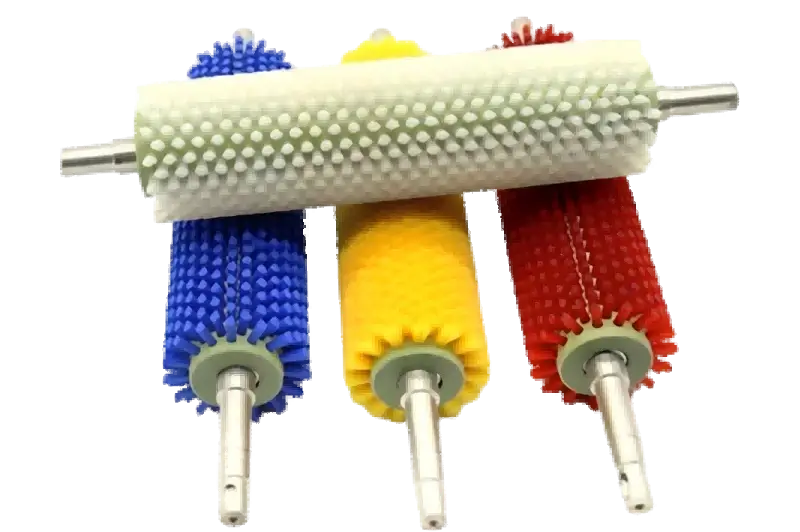
A quality characteristic that separates high-performance cleaning brushes from typical cleaning brushes is tufting construction. In a tufted cylinder brush, filament bundles are anchored in equally spaced holes of the same depth in the brush core to keep the bristle density consistent across the length of the filament.
The design of a tufted cylinder brush constructed using these tolerances will provide:
- Uniform cleaning pressure spread throughout the entire panel surface.
- The ability to effectively remove large debris such as dust mounds and light snowfall.
- Predictable wear patterns that make brush replacement cycles easier to schedule in advance.
If you are looking for info about tufted brush configurations and their performance when used on surfaces in various cleaning applications, then refer to the tufted brush cylinder cleaning article. It discusses this topic by providing a broader application perspective based on real-world examples and data, thus providing valuable context if you are considering using tufted brushes on your solar panels.
High-Speed Rotary Action
How a brush generates its ability to clean is dependent on how the brush works using its rotational mechanism (i.e., high-speed rotary action). When using robotic or automated systems, brush rolls rotate at an appropriate RPM range to allow enough mechanical energy to dislodge bonded particulate material while still maintaining a safe contact force with the glass surface being cleaned.
The configuration of a cylinder rotary brush is optimally suited for this application. Rotation produces a sweep-like motion, thus pulling particles off the surface instead of dragging them across the surface. This difference is particularly important when surface protection is a primary concern.
Those interested in how this type of brush performs in different industrial applications will find that the article on the applications of cylinder rotary brushes provides an overall comparison and analysis of all applications within that specific industry.
Brush Type Comparison: Tufted vs Wound
While both tufted and wound brush constructions may be used in applications where cleaning solar panels is needed, the differences between these two brush types will aid purchasing groups and systems integrators in their choice of sourcing options.
| Feature | Tufted Cylinder Brush | Wound Cylinder Brush |
|---|---|---|
| Filament Distribution | Exact spacing in each tufted pattern | Continuously wound strip |
| Debris Handling | Good for larger debris such as snow & machines | Good for fine dust and uniformly film-like materials |
| Filament Retention | Very high, as filament is anchored in tufted holder | Medium, depending on amount of tension applied during winding |
The replacement method can be used for both full-brush units and full coil strip units; however, the replacement method typically is optimal for robotic outdoor PV cleaning while also providing light-duty cleaning with semi-automatic equipment requiring a coil strip to provide cleaning services.
Long-Term Value Factors When Evaluating Solar Panel Cleaning Brushes
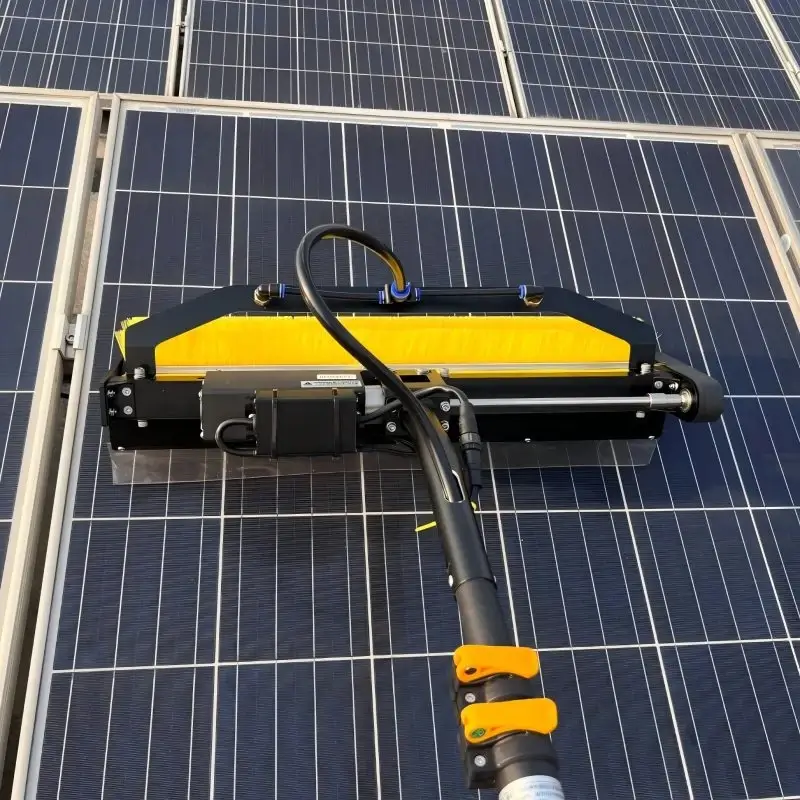
The following features represent critical aspects that should be taken into account when evaluating solar panel cleaning brush products over their long-term operational life:
- Bristle Stability — Throughout extended high-speed rotations, the filaments of the brush will remain stable and will not suffer deformation.
- Water Compatibility — When using multiple wet modes to wash solar panels, the brush will perform as intended without water absorption in the bristles creating an unbalanced rotation.
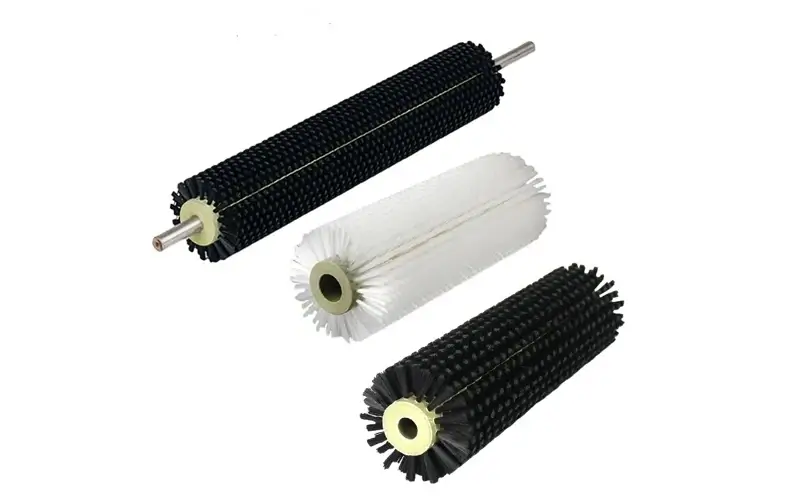
- Consistent Core Concentricity — The diameter of the bristle leg throughout its length is consistent and thus maintains equal contact pressure over the entire width of the panel.
- Chemical Compatibility — This relates primarily to the use of mild detergents during the cleaning process.
All of these factors, when considered together, will define how long the unit will operate, as well as what some will pay for cleaning cycles. The ability to determine how much one can expect to pay for a cleaning cycle becomes particularly relevant to buyers when purchasing at a high-volume scale.
Buyers that are new to specifying equipment for a solar panel cleaning system will find the solar panel cleaning brush guide useful to help select appropriate equipment that matches these criteria to each specific application.
Factors for Sourcing by Business Buyers
Manufacturers and system integrators that buy large quantities of brushes for solar panel cleaning systems should consider the following factors:
- Length and Diameter Tolerance — When it comes to a robotic system, the clearance between the brush and the solar panel is carefully measured and requires precise tolerances.
- Shaft Compatibility with Core Material — The standard core materials used in our shafts are aluminum and stainless steel. It is also important to verify drive shaft compatibility at the time of the Request for Quotation.
- Minimum Order Quantity — There are usually several units for a commercial solar photovoltaic (PV) project. Therefore, suppliers with flexible minimum order quantity (MOQ) requirements will be better suited for phased commercial PV projects.
- Certification of Filament Grades — Confirming the fibre content and diameter of the filament used in the system would usually be required when validating the system and when obtaining the necessary documentation for procurement.
For buyers currently evaluating PV cleaning brushes, a structured comparison framework for product functionality and product supplier provides a mechanism through which to compare different PV cleaning brushes.
Common Questions
Q1: Are solar panel brush cleaning attachments available for custom-made dimensions?
Absolutely! These attachments are typically custom-made, with width, length, thickness, and gauge specifications that fit the specific requirements of each OEM solar panel cleaning application.
Q2: How many brushes should I order when buying a commercial solar panel cleaning brush?
Minimum order quantity (MOQ) varies greatly between suppliers, but most brush manufacturers will usually support an MOQ of between 20–100 pieces for a first order.
Q3: Can the nylon bristle brush be used in both dry and wet cleaning methods?
Yes, nylon bristle brushes are proven to work equally well in both dry and wet-cleaning applications. The different types of PA (polyamide) bristles used in making these brushes may be designed specifically for use in either dry or wet applications, or can be made to work effectively in both dry and wet cleaning applications.