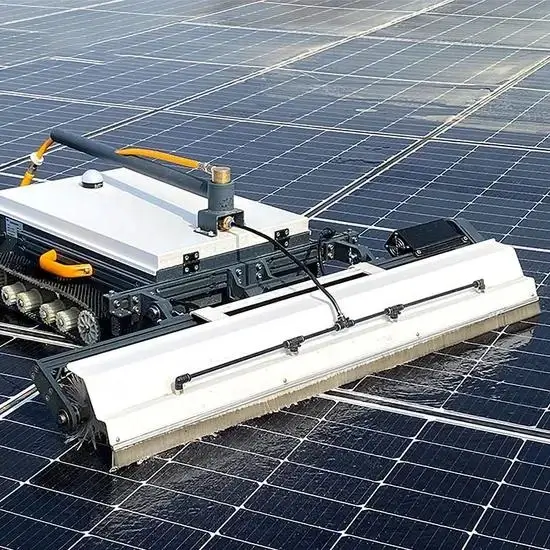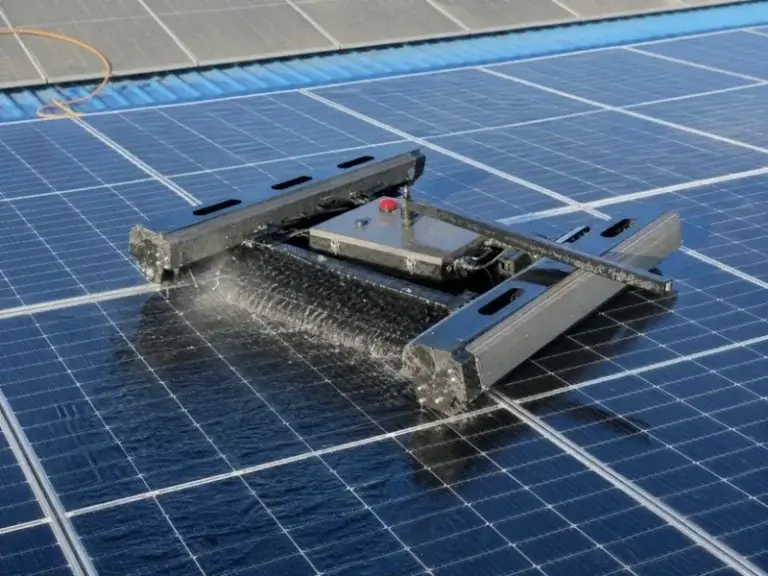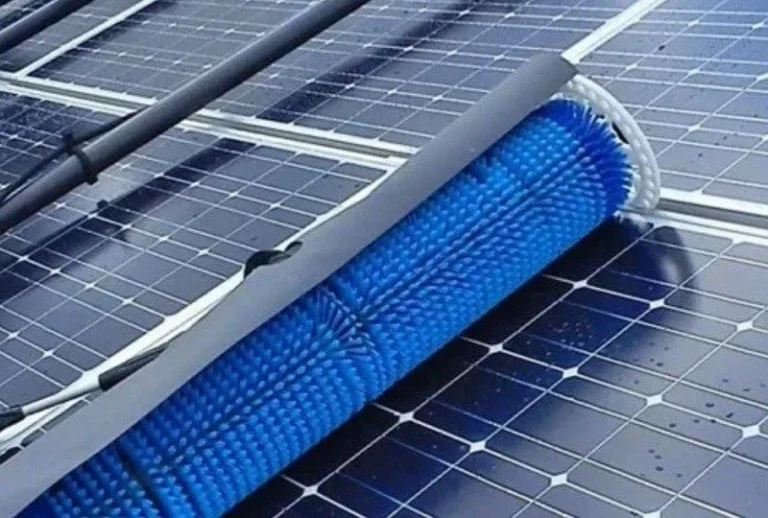
The process of selecting a solar panel cleaning brush can sometimes be a bit complex. There has been a dramatic increase in the number of commercial, industrial, and utility-level projects, which has contributed to the increased demand for properly designed and manufactured brushes to clean solar panels without harming the crystal surfaces of the panels. Using an unqualified brush could result in an anti-reflective coating being scratched from use, reducing the efficiency of the solar energy system as a whole or causing the brush to prematurely wear out when used continuously.
Procurement teams and system integrators need to understand what differentiates an effective and an ineffective brush. This guide highlights all the important factors to consider when making purchasing decisions.
In addition, there is an article that provides an overview of the solar panel cleaning brush product category, including basic facts about brushes prior to selecting the one you need.
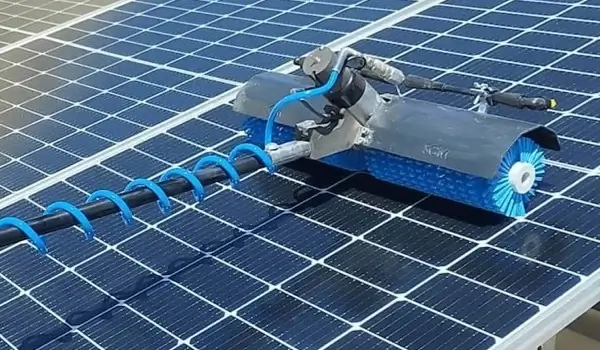
How Brush Selection Has an Immediate Impact on the Performance of Your Panels
Solar panel operation is based on maximum light penetration through the glass surface. Minor surface abrasions such as micro-scratches that are not visible to the naked eye may lead to an overall decrease in energy production as time progresses. The cleaning brush essentially represents the only part of a solar panel that will make continual physical contact with the surface of the panel, often thousands of cycles per year in automated solar systems.
Experienced maintenance operators have noticed that they experience measurable drops in efficiency at around the 12 to 18 month mark from improperly specified brushes. This occurs even though the panels were still fairly new when they were first installed. Therefore, while a brush is just a cleaning tool, it should be considered as an investment in the long-term life of the panels.
Key Details to Consider While Selecting a Clean-Brush for Solar Panels
When deciding on which type of clean-brush to use for solar panels, it is essential to factor in many technical specifications at once. Only considering technical specifications will typically result in product failure.
Bristle Material
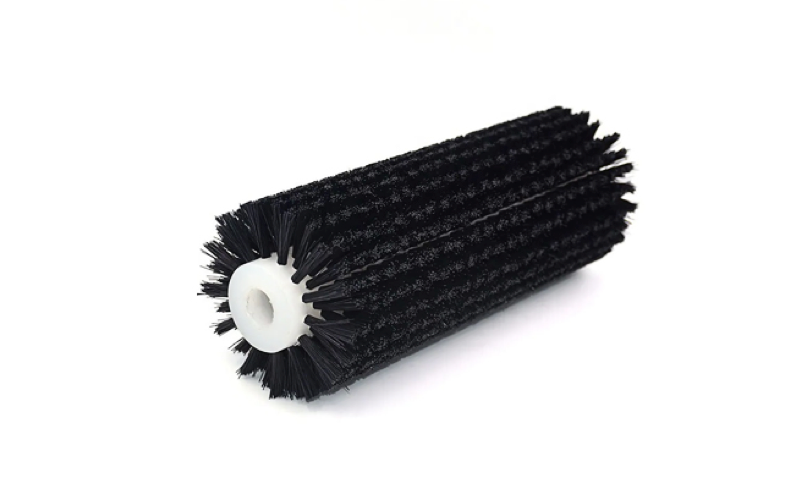
The most important specification by far is the type of bristle used to clean the solar panels. Generally speaking, nylon is still widely used in the industry today due to its softness, ability to resist chemicals, and long-lasting durability from ultraviolet exposure.
- PA612: Very low moisture absorption and high dimensional stability. Recommended for wet cleaning systems operating in humid and coastal areas.
- PA66: High abrasion resistance and rigidity. Optimal for dry or semi-dry brushing in dry climates with a lot of dust build-up.
- PP (Polypropylene): Less expensive compared to other materials, but lacks durability; suitable for light-duty or manual cleaning only.
To learn more about how nylon bristles work in different industries, see the nylon cylinder brush applications overview document.
Brush Format
The brush’s physical configuration determines how it integrates into the cleaning system.
| Brush Format | Typical Usage | Benefits |
|---|---|---|
| Cylinder Brush (Spiral) | Robotics & automated systems | Will keep making contact while distributing the same amount of pressure across all areas |
| Tufted cylinder brush | Semi-automated or manual rigs | Targeted cleaning, easier replacement of worn sections |
| Flat strip brush | Edge sealing and frame cleaning | Prevents debris re-entry at panel edges |
Cylinder-style solar panel cleaning brushes are prevalent in the majority of automated systems because they allow for consistent coverage of the entire width of the panel in one pass. In contrast, as demand grows for systems with segmented bristle zones on the brush (e.g., requiring varying pressure levels across the panel), there is increasing interest in tufted cylinder-style brushes.
Core Diameter and Bristle Length
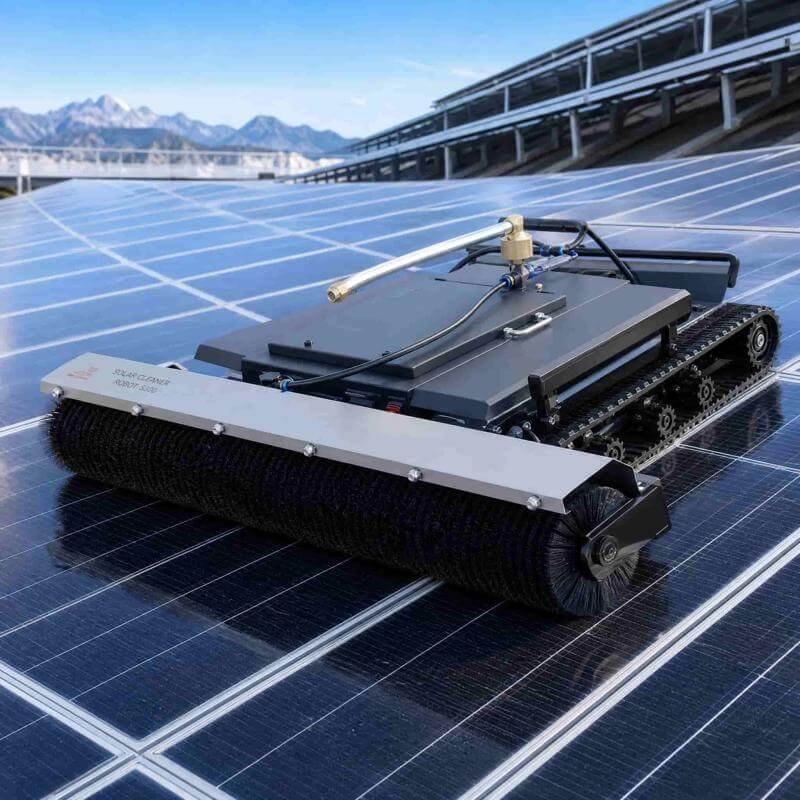
When selecting a core diameter for your cleaning robot or rig, it is important to select an appropriate match to the drive shaft of your unit. Commercial tools produced by various manufacturers have cores of 40 mm through 100 mm in diameter. The length of the bristle can range from 30 to 60 mm, depending upon the amount of contact pressure required and the angle of tilt of the solar panels.
As a rule of thumb, the general trend noticed with regard to the cleanliness of site installations is that shorter bristles provide more aggressive cleaning action, whilst longer bristles offer gentler contact but may become less effective on heavily soiled panels if eventually used for long periods.
Water Compatibility
Many types of solar panel cleaning systems utilize deionised water to minimize mineral spotting. Accordingly, the brush must function adequately when wet, while also not absorbing too much water, which causes additional weight due to rotation. Nylon cylinder brushes can retain debris better than cheaper brushes during the cleaning process; however, they typically lose some degree of bristle stiffness when saturated. Nylon 6.12, in particular, has good mechanical properties after being in contact with water for a long period of time, compared to less expensive options.
Comparing the Solar Panel Brushes to Other Cleaning Brushes
It is important to understand that cylinder brush technology used for maintaining solar panels shares common engineering principles with similar types of brushes used in industries completely different from that of solar energy. Recognizing these relationships will aid buyers in their evaluation of manufacturers.
For example, the need for an even distribution of consistent pressure and a scratch-free surface contact in the glass washing brushes that will be used on architectural glass processing lines. The same balancing of cleaning thoroughly and maintaining surface integrity, such as bruising of tomatoes is equivalent to scratching panel coatings, occurs with the vegetable cleaning brushes and fruit cleaning brushes that are used in the food processing industry.
The same holds for conveyor belt cleaning brushes; they also require durable bristle materials that will not wear out after millions of rotations and should have a manufacturer with verified experience in these types of applications, in addition to producing a dependable solar panel brush, rather than if that manufacturer only concentrated on one niche.
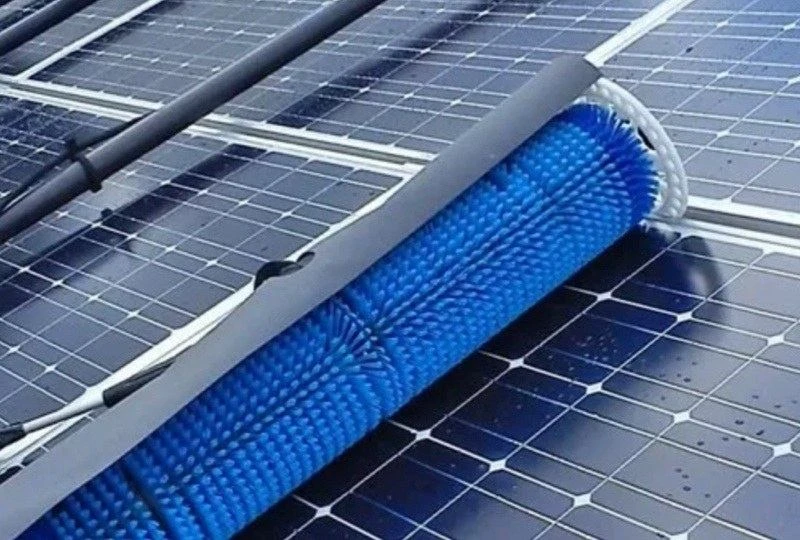
This article outlines examples of how benefits gained by applying cross-industry expertise have improved brush design for all categories of surface cleaning by using tufted cylinder brushes.
Cleaning System Brush Specifications Matching
Before obtaining a quote from a supplier, buyers should gather the following information to ensure that they receive an accurate quote and that there is an accurate specification match to their brush needs:
- Brand & model of cleaning system — include the diameter of the drive shaft.
- Type of cleaning panel & coating (tempered glass, anti-reflection coating, hydrophobic coating, etc.).
- Installation environment (desert, coastal, rooftop, ground-mount).
- Cleaning frequency and method (wet, dry, or hybrid).
- Required brush lifespan in operating hours or cleaning cycles.
A precise set of instructions will lower your number of samples and make the entire purchasing process much faster than if you do not provide these details upfront. If you provide all of the necessary application data and documentation, then most solar panel cleaning brush manufacturers should be able to provide a sample specification within 24–48 hours (business days).
FAQs
Is it possible to obtain customized solar panel cleaning brushes for my robotic cleaning machine?
Yes, many manufacturers have the capability of customizing the core diameter, bristle length, and filament type to provide brushes that will fit your specific cleaning robot or automatic rig used to clean solar farms.
How much do solar panel cleaning brushes typically require an MOQ?
The minimum order quantity (MOQ) will be determined by the manufacturer. Standard products may have an MOQ of 50–100 units. If you are looking for something custom, there may be tooling considerations that could lead to higher minimums.
When should I replace my solar panel cleaning brushes?
The length of time between replacements will depend on how many times the brushes are used and where they are used. In general, commercial solar panel cleaning brushes are typically replaced every 6–12 months, or when the bristles have started to bend or get out of shape.