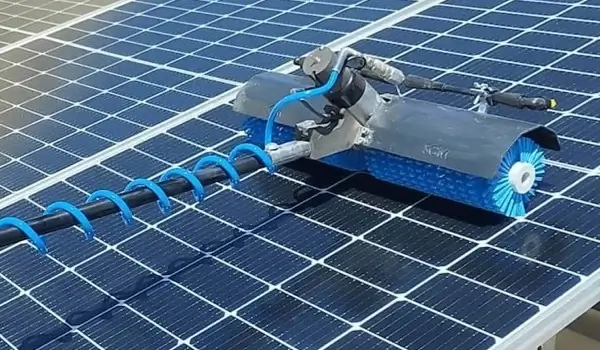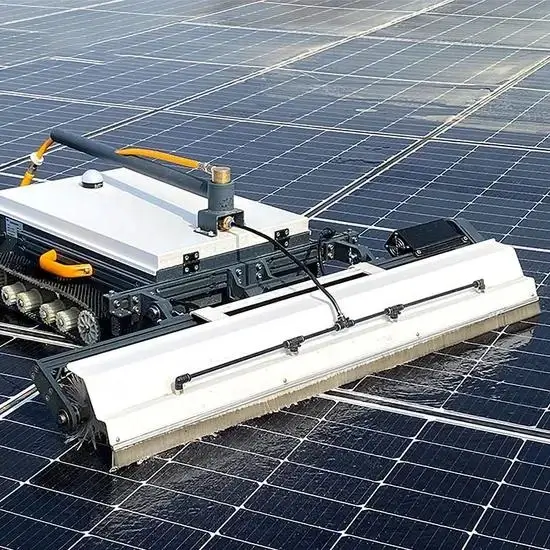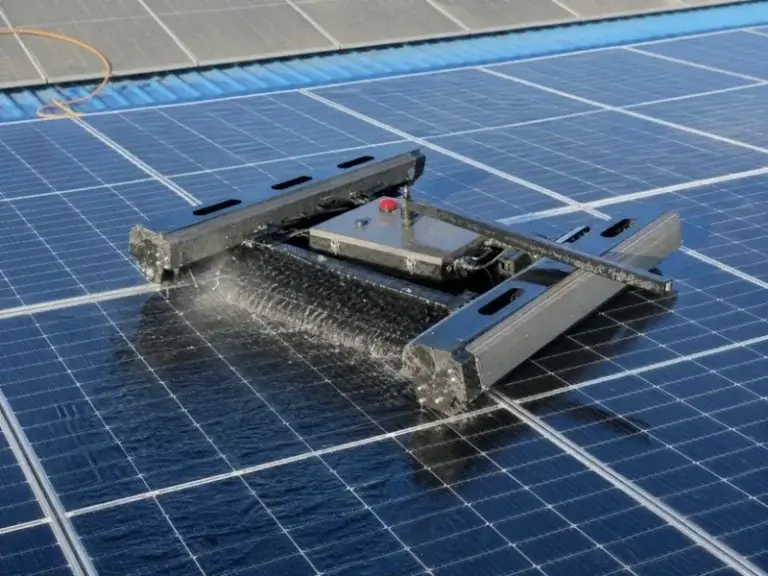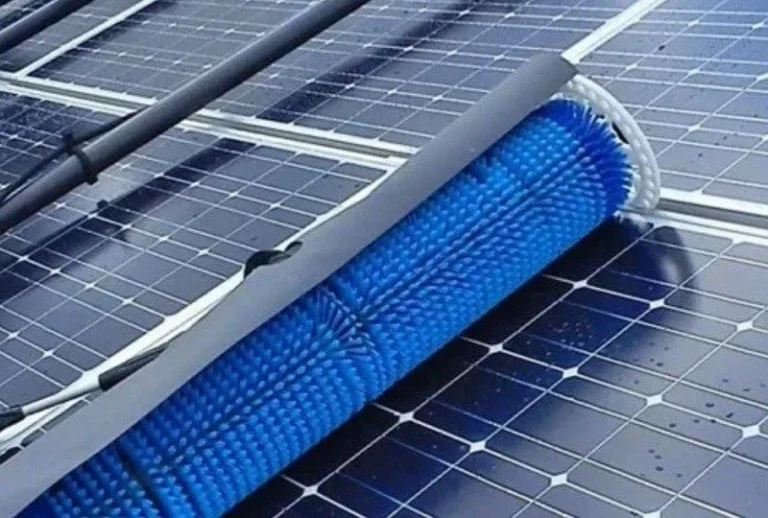
Choose the appropriate solar panel cleaning brush with moderate density, anti-static PA612 soft bristles for safe cleaning, coating protection, and preventing expensive PV panel scratches.
Choose a solar panel cleaning brush with anti-static PA612 soft bristles and moderate cross-planted density to protect coatings, reduce scratches, and lower long-term costs.
A good brush will not cause damage to the solar panels in the process of cleaning. A bad brush will leave microscopic scratches on the surface- silent energy killers over time. The right brush does not hurt the surface in any way. This guide zeroes in on three key factors that make the choice work for panels: bristle material, density, and equipment compatibility. Such management will allow the cleaning effectiveness to be balanced with long-term protection of the surface, whether for a solar farm or a commercial site.
Purchase one that permits safe dirt removal without damaging the coating and is effective with both manual and roller systems.
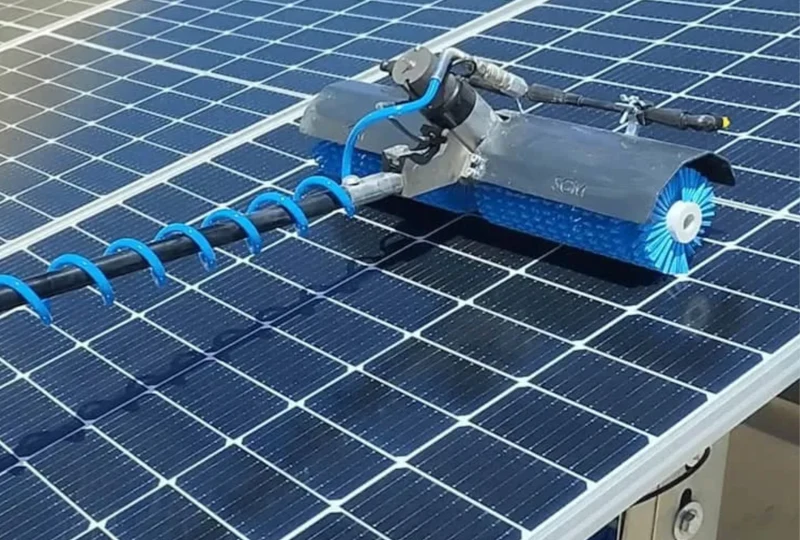
Wrong Brushes Permanently Damage Panels
That’s what a solar panel cleaning brush does. It’s not just dusting. It’s touching the panel surface every day. This happens most often under strong sunlight, with sand, and with wind. If the brush is too hard, too dense, or just poorly matched to the cleaning system, it could scratch anti-reflective coatings, trap grit, and leave micro-damage that would reduce energy output over time.
A better practice currently in use would be a design that optimizes both cleaning efficiency and surface protection. Most operators are only concerned with the cleaning power; yet long-term performance equally depends on brush material, bristle density, and how well the brush matches the equipment.
1. Prioritize Anti-Static PA612 Soft Bristles
Preferably, the brush should be designed with soft anti-static PA612 bristles since it is one of the best materials for bristles. Generally, they perform better than hard filaments because of lower friction, which assists in dust removal and also lowers the chances of scratching coated glass. This feature becomes important specifically in fairly dry and dusty environments because static charges would mean more particles being attracted to the surface of the panel.
The PA612 soft bristles bring a better compromise than the harder materials. They can clean fine dust without dragging sharp grit over the coating, help reduce static build-up during cleaning, and protect the surface while still maintaining enough force to sweep. For most projects, a Nylon Cylinder Brush with the right PA612 formulation offers a good balance between strength and softness, which makes it a good option for daily as well as higher-frequency cleaning.
2. Optimize Moderate Bristle Density
Bristle density is the other often-overlooked detail. With bristles that are too sparse, sand and hard particles will be trapped between the bristles and the panel, with much higher odds of scratching. A very dense brush can hold so much debris that it would create extra friction and wear during operation.
Choose a medium cross-planted bristle pattern. It will make for better contact and more even dust removal while also ensuring proper pressure distribution over the surface of the module. In simpler words, this is a design that, when applied to the solar panel roller brush, will have it cleaning more uniformly, especially on larger arrays where uniformity matters more than aggressive scrubbing.
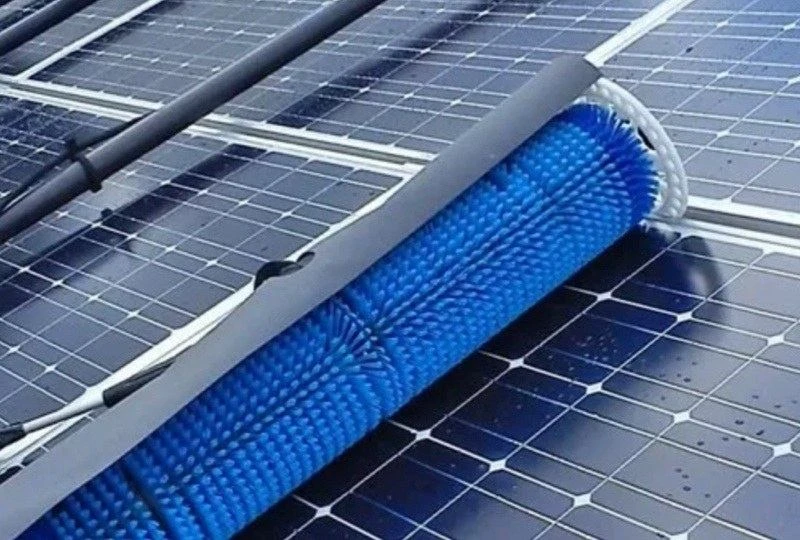
Density comparison table
| Bristle setup | Cleaning result | Risk level | Best use case |
| Too sparse | Dust may remain, and sand can enter gaps | High | Low-cost, temporary cleaning only |
| Moderate cross-planted | Balanced cleaning and protection | Low | Most commercial solar projects |
| Too dense | Debris buildup, more friction | Medium to high | Rarely ideal for panel surfaces |
A good brush design for cleaning solar panels should not rely on force but rather on uniform, stable rotation with contact and bristle control.
3. Match Brush Type to Equipment & Environment
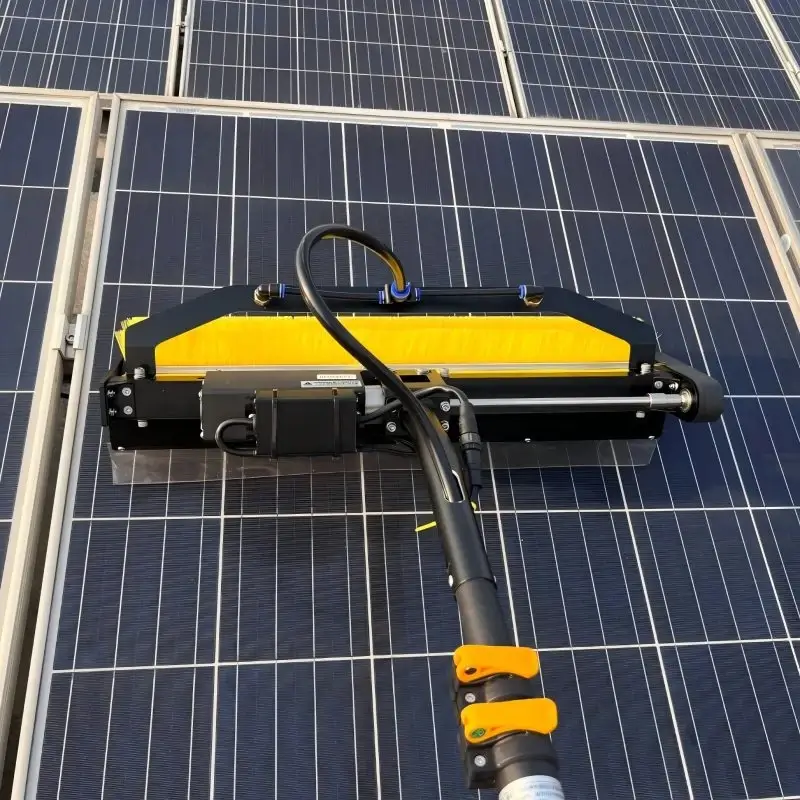
The brush style should align with how the cleaning system operates. Most often, manual cleaning teams use a lightweight brush—low density makes it easier to handle. These models will allow more flexible movement and reduce operator fatigue during routine work.
Solar panel roller brushes are more appropriate for large systems because they can cover more surface area, keep contact uniform, and fit better into the mechanized cleaning platforms. So, the brush should rotate smoothly and distribute the pressure evenly along the panel line.
The selection options are:
● Light, easy-to-control solar washing brush for manual cleaning.
● More stable coverage would be a denser roller design for large-scale equipment.
● Anti-static and wear-resistant features for dusty desert sites.
● Personalization that is resistant to weather for use in high-UV conditions outdoors.
A good solar panel cleaning brush should work well not only in the lab but also under real working conditions, where the effects of heat, dust, and sun are real on materials.
4. Desert-Grade Outdoor Brushes Cut Replacement Costs
All solar farms have this in common: UV exposure, high heat with low humidity, and wind-driven sand — it all shortens brush life. Some would argue that for all these applications, a custom desert-grade brush should be used rather than a standard model. It should not age, keep its shape, and not become so brittle that it breaks after long exposure.
This is where you save on costs by opting for customization — not just a technical preference. A strong, tough solar panel cleaning brush with better anti-aging performance can reduce the frequency with which you have to replace it. For the most part, the rollers’ life can almost double, reducing labor downtime and consumable costs.
In many cases, the installers care more about the initial cost than the value over the lifetime. However, a good roller brush for solar panels normally repays its investment through longer service intervals and less frequent replacements.
● Consistent cleaning performance
● Reduced surface damage claims
For specification details, buyers can refer to the article on the custom solar panel cleaning brush, which gives them a useful checklist.
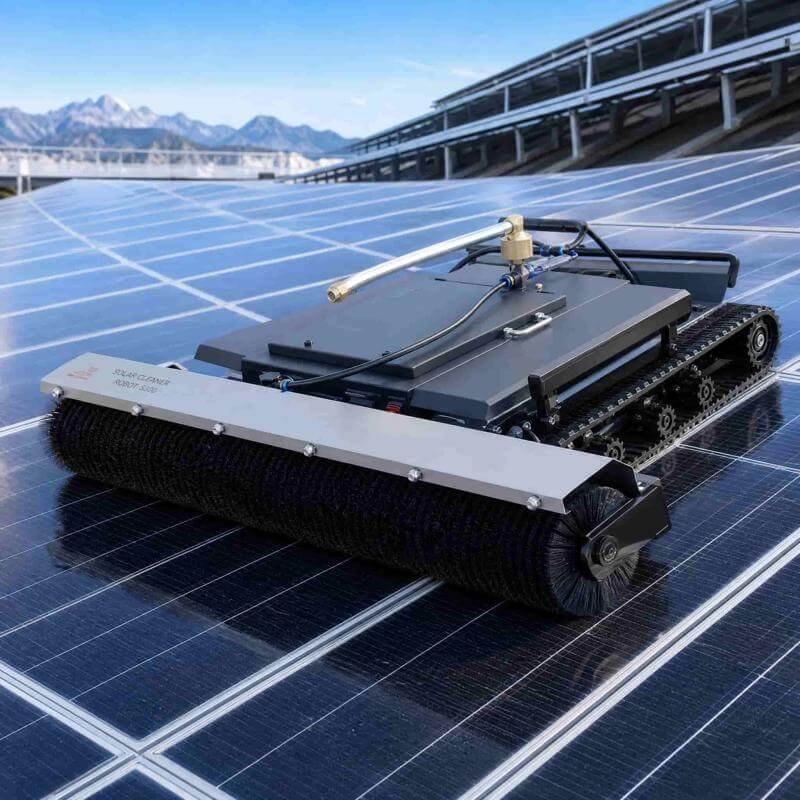
Low-Quality vs Panel-Safe Brushes
| Feature | Low-Quality Brush | Panel-Safe Brush |
| Bristle Material | Hard Unstable Abrasive | Anti-static PA612 Soft Bristles |
| Density | Too Sparse or Too Dense | Moderately Cross-Planted |
| Surface Protection | Higher Risk of Scratches | Lower Risk of Coating Damage |
| Equipment Fit | Poor Adaptation | Matches Manual or Roller Systems |
| Outdoor Durability | Quick Aging, Easy Breakage | UV-Resistant, Longer Service Life |
| Maintenance Cost | Frequent Replacement | Lower Lifecycle Cost |
Choose Quality Over Low Cost
It looks like a low-cost alternative may seem more economical at the time of purchase, but, in general, it leads to higher cleaning failure rates and accelerated panel wear. Well-engineered solar panel cleaning brushes will protect the output from the module and ensure more predictable operations.
What to Look for in a Good Buy
Buyers need to check that the bristle material is PA612 or any other anti-static soft filament and that they are of moderate density with a balance and non-abrasive before making a purchase.
● Manual, Semiautomatic, or Roller System: Each of these comes with different requirements and costs.
● Desert, Coastal, High-UV, or General Outdoor: Different environments mean different material requirements, maintenance needs, and initial costs.
● Service life: Expected resistance to wear and tear and the cycle for replacement.
For a buyer comparing the features and benefits of cleaning, the key features of using a solar panel cleaning brush will make a good reference point.
Conclusion
The perfect brush is not the stiffest, but one that does efficient cleaning while keeping the panels safe. In general, the best results come with medium cross-planted density and anti-static bristles made of soft PA612, and the right equipment match. A good solar panel roller brush will improve coverage for large projects and cut long-term costs. For manual work, a lightweight solar washing brush would be more usable. And for a tough site, even a custom desert-grade design would be more useful.
FAQ
What Bristle Materials Are Safe for Solar Panel Brushes?
For safety, look for bristles made of anti-static PA612 soft material, as they reduce the possibility of scratching and also minimize the attraction of static dust.
Where Should You Use a Solar Panel Roller Brush?
Apply this in large solar farms or systems where even pressure, broad coverage, and continuous rotation are the most critical.
What Brush Designs Work Best for Desert Solar Sites?
They should be UV-resistant, with minimal filament breakage and low replacement frequency in harsh outdoor conditions. Very important for solar sites in the desert: custom brush designs.