
Extending the Lifespan of Conveyor Belt Cleaning Brushes: Five Proven Strategies
The Domino Effect of Premature Brush Wear on Conveyor Operations
Industrial conveyor systems run around the clock in manufacturing plants, food processing facilities, and bulk material handling operations. The cleaning brush that keeps each belt free of carryback, debris, and contamination takes a beating from constant friction, chemical exposure, and abrasive particles. When a brush wears out ahead of schedule, the domino effect hits fast. Carryback builds up on return rollers, belts start mistracking, and unplanned downtime eats into production targets.
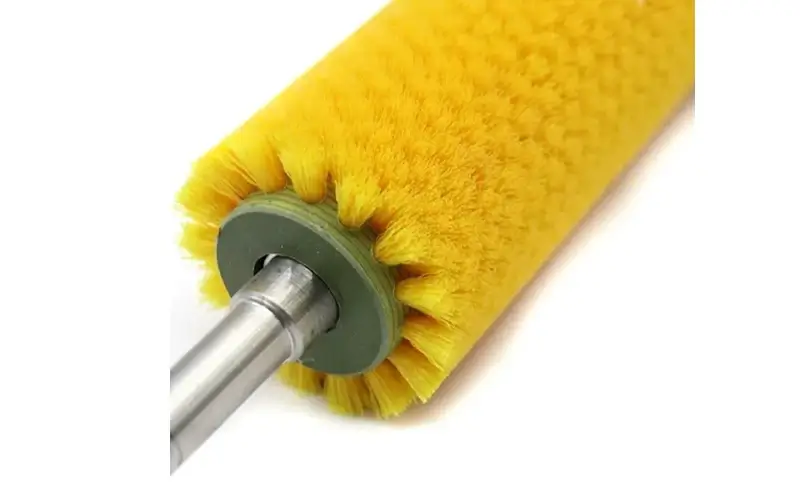
Facility managers and maintenance teams know this pattern too well. What they often miss is that most premature brush failures trace back to a handful of controllable factors, not just the natural course of wear. Material selection, operating parameters, inspection habits, environmental controls, and replacement timing all play direct roles in how long a cleaning brush stays effective.
The Five Key Factors That Extend Roller Brush Lifespan
The five most effective ways to extend your roller brush for conveyor belt cleaning lifespan are: matching filament material to the application and operating environment, dialing in the correct RPM and contact pressure, sticking to a structured inspection and maintenance routine, controlling heat, moisture, and chemical exposure around the brush zone, and pulling brushes at the right wear threshold before they damage other conveyor components.
The Bottom Line: Longer Brush Life Means Lower Overall Operating Costs
When you put these five measures into practice, a brush that normally lasts six months can often go eight to ten. And the savings go beyond the cost of the brush. Cleaner belts mean fewer roller replacements, less spillage cleanup, lower energy draw from misaligned tracking, and fewer emergency maintenance callouts. The rest of this article walks through each method in detail, with practical steps any maintenance team can adopt.
Match Filament Material to Application and Environment
Filament Material Selection: Nylon, Polypropylene, Abrasive Nylon, and Steel Wire
Filament material is the single largest factor in brush wear rate. A nylon cylinder brush works well across a wide range of industrial cleaning tasks, but specific environments demand specific materials. Polypropylene for wet or chemical-heavy lines, abrasive nylon for stubborn residue, and steel wire only when the belt surface can take it.
Most conveyor cleaning applications default to nylon. Nylon filaments offer high wear resistance, good stiffness recovery after repeated flexing, and a temperature tolerance that covers the vast majority of industrial settings. A quality nylon cylinder brush with filament diameters between 0.30 mm and 0.80 mm handles everything from light dust removal on packaging lines to moderate scrubbing on aggregate belts.
Matching Material to Environment: Why One Brush Does Not Fit All Lines
The problem starts when facilities run the same nylon brush across every line without checking what each conveyor actually needs. A food production washdown line, for instance, exposes brushes to constant moisture, alkaline cleaners, and temperature swings from sanitation cycles. Nylon absorbs moisture over time, which softens the filaments and drops cleaning effectiveness. In these conditions, polypropylene filaments hold up better. They resist moisture absorption and chemical degradation, even if they wear faster under heavy mechanical loads.
For belts carrying sticky or baked-on residue, standard nylon often cannot generate enough cutting action. Abrasive nylon, filaments loaded with silicon carbide or aluminum oxide grit, provides the extra aggression without switching to steel wire. Steel wire risks scratching belt surfaces. This material choice alone can double the effective working window of a conveyor belt cleaning brush on stubborn applications.
Filament Diameter: Balancing Wear Resistance and Surface Protection
The filament diameter also matters more than most buyers realize. Thicker filaments (0.60 to 0.80 mm) pack more material per bristle, so they wear slower on heavy-duty lines. Thinner filaments (0.30 to 0.50 mm) flex more easily and clean delicate surfaces without damage, but they abrade faster. Matching diameter to load conditions prevents both premature wear and unnecessary replacement costs.
Selecting the wrong material for a given environment often cuts brush life by 30 to 50 percent. When you are choosing a cylinder rotary brush for a new line or replacing an underperforming unit, start with the material spec before looking at dimensions or price.
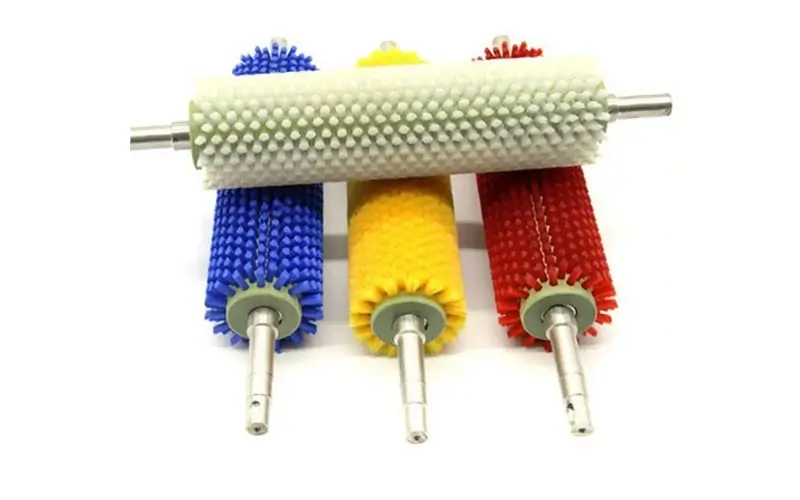
Set Correct RPM and Contact Pressure
The Danger of Overspeeding and Excessive Contact Pressure
Overspeeding a brush and pressing it too hard against the belt are the two fastest ways to destroy filaments. The brush should rotate against the belt direction at roughly twice the belt speed, with bristle tips just making contact. Not digging in. Correctly set parameters keep filaments from breaking, melting, or flattening prematurely.
Data from industrial brush manufacturers points to a working RPM range of 200 to 600 for most powered conveyor cleaning brushes, depending on brush diameter and belt speed. A brush with a 10-inch outer diameter running at 400 RPM produces a surface speed around 1,050 feet per minute. That is enough to sweep material off a belt moving at 300 to 500 FPM without scrubbing so aggressively that filaments snap.
Correcting Common Setup Mistakes: Pressure, Contact Depth, and RPM
The most common setup mistake is cranking up contact pressure until the brush “really cleans.” Maintenance crews see carryback residue and assume more pressure equals better cleaning. In practice, excessive pressure bends filaments past their elastic limit, causing permanent deformation. Once bristles take a set, staying bent rather than springing back, they lose the flicking action that actually removes material. The brush drags across the belt instead of sweeping it, and wear accelerates dramatically.
Threaded rod assemblies on most brush mounting brackets let operators dial in the contact depth. A rule that works across most installations: adjust until bristle tips touch the belt surface with light, uniform contact across the full brush width. If you can see the filaments bending noticeably at the contact point, back off a quarter turn. After adjustment, run the conveyor for five minutes and check. If the brush housing vibrates or the motor current spikes above normal draw, the pressure is too high.
RPM selection needs the same attention. Running a brush at the top of its rated speed shortens filament life, especially on abrasive applications. Where belt speeds allow, drop the brush RPM to the low end of the effective range. A 10 to 15 percent reduction in operating speed often yields 20 to 25 percent more brush life, because filament fatigue from repeated flexing drops meaningfully.
Dynamic vs. Fixed Speed Matching for Optimal Filament Life
For lines with variable-speed drives, matching brush speed to belt speed dynamically preserves filaments during ramp-up and slow-run phases. Fixed-speed setups should use the slowest pulley ratio that still delivers adequate cleaning at normal production speed.
Run a Structured Inspection and Cleaning Routine
The Routine That Extends Brush Life: Daily Cleaning and Weekly Inspections
A brush that gets inspected every week and cleaned every day lasts measurably longer than one that runs until someone notices a problem. Regular checks catch filament wear, debris buildup, shaft runout, and bearing wear before any single issue cascades into a full brush failure.
Walk through most factories, and you will see conveyor cleaning brushes buried in material that the brush itself removed. Filaments packed with debris cannot flex properly. They rub against the belt like a solid block instead of sweeping with individual bristle tips. This trapped material also retains moisture and chemicals, accelerating filament degradation from the inside out.
A daily cleaning step takes under five minutes per brush. Operators or maintenance staff remove the brush guard, clear built-up debris from between filament rows with a stiff hand brush or low-pressure air, and check that the brush rotates freely by hand. If the brush does not spin smoothly, the bearings or shaft need attention before the next shift.
The Four Weekly Checkpoints That Prevent Catastrophic Failure
Weekly inspections should cover four specific checkpoints. First, measure filament length at three points across the brush face and compare to the original trim length. When filaments have lost 30 to 40 percent of their original length, the brush is approaching end of life. But catching this at 20 to 25 percent gives the procurement team time to order a replacement without rushing. Second, check bristle flexibility by pressing a row with your thumb. Filaments that feel stiff, brittle, or permanently bent signal material degradation, often from chemical or UV exposure. Third, verify shaft alignment with a straightedge or dial indicator to make sure the brush runs true relative to the belt. Fourth, listen to the bearings during operation. Grinding, squealing, or excessive heat point to lubrication failure or contamination ingress.
Documenting Wear Data to Optimize Future Brush Specifications
Documenting these checks in a simple log creates a wear history for each brush position. Over six to twelve months, the data reveals whether a given line consistently wears brushes faster than others, which guides material or parameter adjustments.
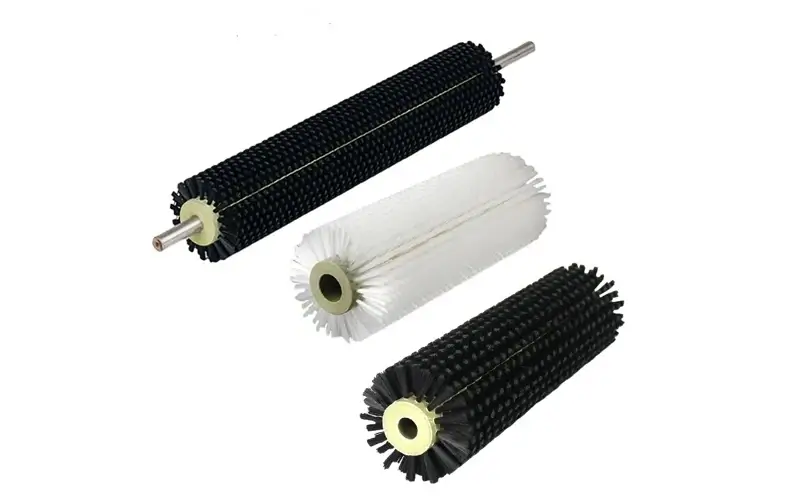
For operations where standard brushes burn through too fast, OEM conveyor brush solutions can specify maintenance-friendly features at the design stage, such as replaceable brush strips and sealed bearing housings. The easier the check, the more likely it gets done.
Control Heat, Moisture, and Chemical Exposure Around the Brush
The Three Environmental Threats to Nylon Filaments: Heat, Moisture, and Chemicals
Heat softens nylon filaments. Moisture swells them. Chemicals break down the polymer structure over time. Controlling these three environmental factors around the brush mounting zone keeps filaments in spec longer and prevents the kind of hidden degradation that leads to sudden failure.
Heat Management: Keeping Filaments Below Critical Temperature Thresholds
Nylon filaments start losing stiffness above 80 degrees C (176 degrees F) and degrade rapidly above 120 degrees C (248 degrees F). On hot-material conveyors, such as clinker lines in cement plants, hot-mix asphalt belts, and steel mill discharge conveyors, the brush sits in a heat plume that can push filament temperatures well past their rated limit even if ambient plant temperature stays moderate. A belt carrying material at 150 degrees C radiates enough heat to soften nylon within minutes of close contact. In these applications, a simple heat shield or increased standoff distance between brush and belt during idle periods buys meaningful filament life.
Moisture and Chemical Resistance: Material Selection for Harsh Environments
Moisture causes two distinct problems. First, nylon absorbs 2 to 3 percent of its weight in water under saturation conditions. This plasticizes the filament and drops its stiffness by 15 to 20 percent. A brush that cleans effectively when dry may leave carryback on a wet belt. Second, wet debris packed into the brush core creates a corrosion cell on steel shafts and end plates. Stainless steel cores (304 or 316 grade) eliminate this second problem and are worth the added cost on any line where the brush sees regular moisture.
Chemical attack is harder to spot than heat or moisture damage. Alkaline cleaning agents used in food and beverage sanitation, sodium hydroxide, potassium hydroxide, and chlorinated cleaners, attack nylon at the molecular level. They cause surface crazing and progressive brittleness. A nylon cylinder brush that cracks and sheds filaments after three months of washdown exposure was not defective. It was simply the wrong material for that chemical environment. Polypropylene filaments resist both acids and alkalis far better and cost only marginally more than nylon.
The most cost-effective environmental control is simply keeping the brush zone as dry and cool as the process allows. On lines where heat or chemicals cannot be avoided, switching filament material or adding a protective shield costs far less than replacing brushes twice as often. Operators working with food-grade requirements should refer to the guide on selecting conveyor cleaning brushes for food production lines to understand chemical resistance needs specific to sanitation cycles.
Replace Worn Brushes Before They Damage Other Components
Running a brush past its useful life does not save money. A worn brush with short, stiff filaments stops cleaning effectively and starts acting as an abrasive block against the belt, wearing down the belt cover, damaging splices, and loading up return rollers with carryback. The true cost of a late replacement is measured in conveyor component damage, not brush cost.
A roller brush for conveyor belt cleaning reaches end of life when filament length drops below 60 to 70 percent of its original trim, when filaments lose flexibility and take a permanent set, or when the brush develops shaft runout or bearing play that prevents uniform contact. Any one of these conditions means the brush can no longer do its job. Continuing to run it transfers costs to other parts of the conveyor.
Belt cover wear is the most expensive consequence. A brush with short, stiff bristles concentrates force on a smaller contact area. Instead of thousands of filament tips sweeping the surface, a worn brush pounds the belt with the equivalent of a stiff plastic bar. Belt covers designed to last five years can wear through in three when a cleaning brush operates in this state. The replacement cost of a conveyor belt, including labor, downtime, and the belt itself, runs ten to fifty times the cost of a new cleaning brush.
Splice damage follows a similar pattern. Mechanical splices and vulcanized joints both rely on the belt cover for protection. A worn brush concentrates impact energy right at splice edges, accelerating the step wear that eventually causes splice failure. Catching a brush at the right replacement window prevents this entirely.
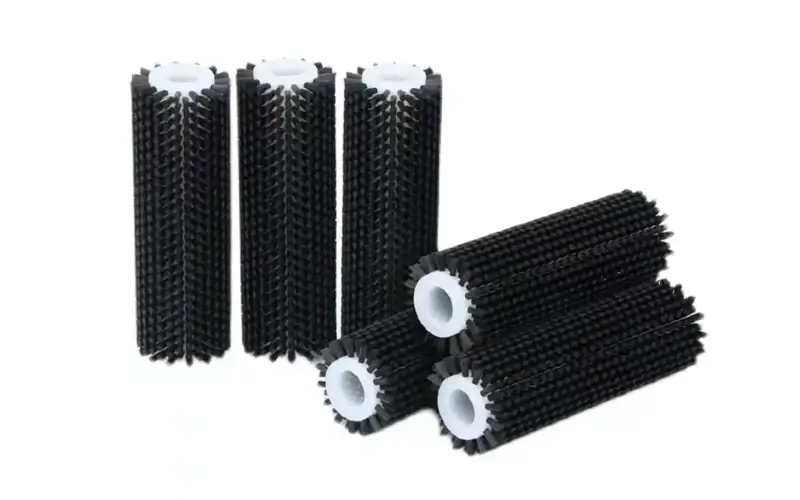
The practical replacement trigger depends on the application. For high-speed lines with abrasive carryback, plan to swap brushes when filament length hits 65 percent of original. On cleaner, slower lines, 60 percent works as a threshold. Either way, keeping a spare brush on the shelf for each conveyor eliminates the temptation to run a worn one “just one more week” while waiting for a replacement order.
Choosing a cylinder rotary brush with replaceable strip segments also changes the replacement economics. Instead of swapping the entire brush assembly, maintenance crews replace only the worn strips, typically 12 segments per brush. This cuts both material cost and changeover time. This design is worth specifying when you are setting up brush procurement for a new line or re-evaluating existing brush performance.
Putting All Five Methods Together
Extending brush life is not about finding one magic fix. Each of these five methods addresses a different failure mode, and the real gains come when a facility implements them as a set. Picking the right filament material prevents environmental mismatch failures. Setting proper RPM and contact pressure stops mechanical self-destruction. Structured inspections catch wear before it becomes damage. Environmental controls protect filaments from heat, moisture, and chemicals. And timely replacement stops a worn brush from taking out more expensive components.
The facilities that get the longest brush life treat cleaning brushes as precision wear components rather than consumable accessories. They track brush performance per line, keep spares on hand, and adjust parameters when conditions change. The result is a conveyor system that runs cleaner, costs less to maintain, and stays productive with fewer interruptions.
Frequently Asked Questions
How often should conveyor belt cleaning brushes be replaced?
Replacement frequency varies by application, but most industrial brushes need replacement every 6 to 18 months under normal operating conditions. The key metric is filament wear: when bristle length drops below 60 to 70 percent of the original trim, the brush has reached the end of its effective working life. High-abrasion environments like mining or cement handling may require replacement every 3 to 6 months, while light-duty packaging lines can see 2 years or more from a single brush.
Can I use the same brush for wet and dry conveyor cleaning?
Not without checking the filament material. Nylon works for both but loses stiffness in continuous wet conditions due to moisture absorption. Polypropylene handles wet and chemical environments better than nylon and costs about the same. If your line alternates between wet and dry operation, common in food processing sanitation cycles, a stainless steel core with polypropylene filaments will outlast a standard nylon brush by 30 to 50 percent in those conditions.
What is the difference between a cylinder rotary brush and a strip brush for conveyor cleaning?
A cylinder rotary brush uses continuous spiral-wound filaments around a core shaft, creating uniform bristle density and consistent contact pressure across the full brush width. Strip brushes use individual brush segments bolted to a hub, which makes strip replacement faster but can create small gaps in coverage. Cylinder rotary brushes generally clean more evenly and last longer on wide belts, while strip brushes offer lower maintenance costs on applications where individual segments wear unevenly.