
A good cylinder rotary brush will go a long way in improving the efficiency of cleaning as well as the quality of the surface, not to mention the life of the equipment. A bad one would simply mean quick wear, inconsistent results, and unnecessary replacement costs. This guide lays out the major parameters — filament material, brush dimensions, core construction, and application fit — to enable procurement teams and engineers to make purchasing decisions with confidence and knowledge.
First-time industrial brush buyers learn fast that not all rotary brushes work the same. Even seasoned buyers sometimes miss key specs. Just what is a cylinder rotary brush, and how does each part affect performance? It makes the whole selection process much easier.
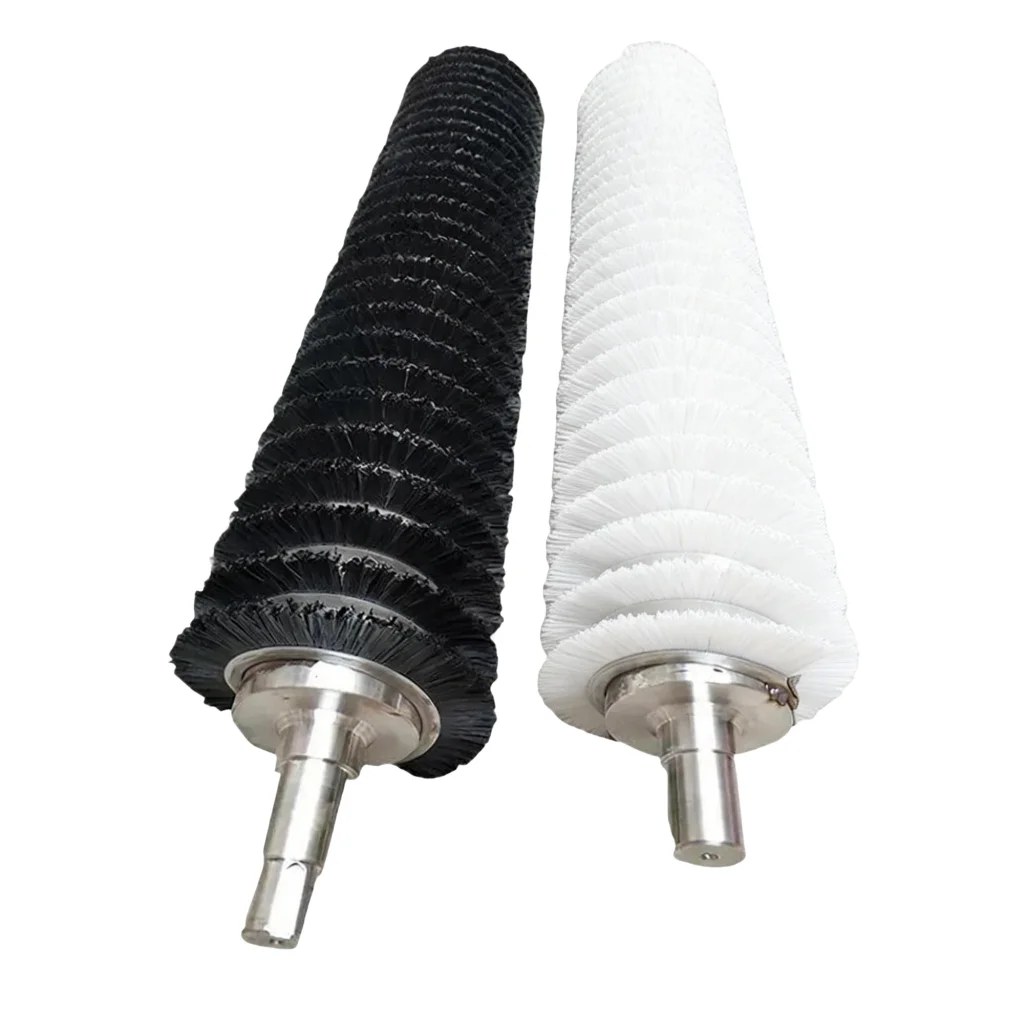
Start with the Application
Compare materials or dimensions after defining the application. A brush that is made for light dust removal on a packaging line will not perform similarly to one that is made for heavy-scale removal on steel coils.
Common industrial applications include:
- Conveyor belt surface cleaning
- Fruit and vegetable washing
- Glass cleaning and polishing
- Metal deburring and surface finishing
- Textile lint removal
Each application has different requirements for filament stiffness, chemical resistance, and abrasion resistance. Most applications of cylinder rotary brush require very different brush configurations, even when the machines seem the same from the outside. Thus, if we define the task first, we can immediately eliminate a large number of unsuitable options.
Choose the Right Filament Material
Perhaps one can argue that filament material is the single most important decision, for it sets the way the brush will interact with the surface, its longevity, and if it shall handle the operating environment.
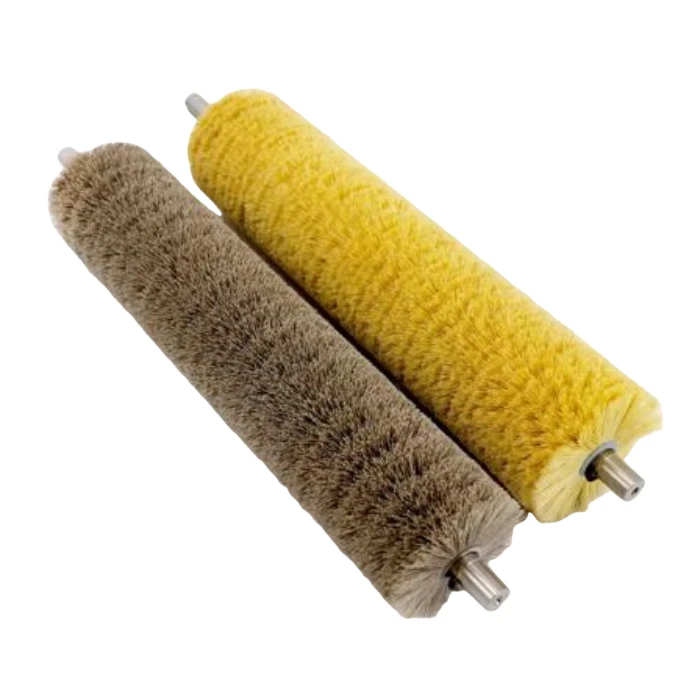
Nylon Filament
Nylon remains the most common material for industrial rotary brushes due to its high wear resistance, good deflection recovery, and broad temperature tolerance. This makes it highly effective for cleaning, washing, and light deburring operations. The durability and flexibility of nylon cylinder brush make it suitable for the widest range of conditions.
Buyers looking to select the right option for specific cleaning tasks should consider key variables such as filament diameter and stiffness grade.
PP Filament
A PP cylinder rotary brush is more economical than nylon and performs better in moisture and chemicals. Polypropylene is suitable for applications in which aggressive scrubbing is not required, such as light cleaning, dust removal, or material conveying. However, PP filament wears much faster under heavy loads, so it is best suited to lower-intensity operations.
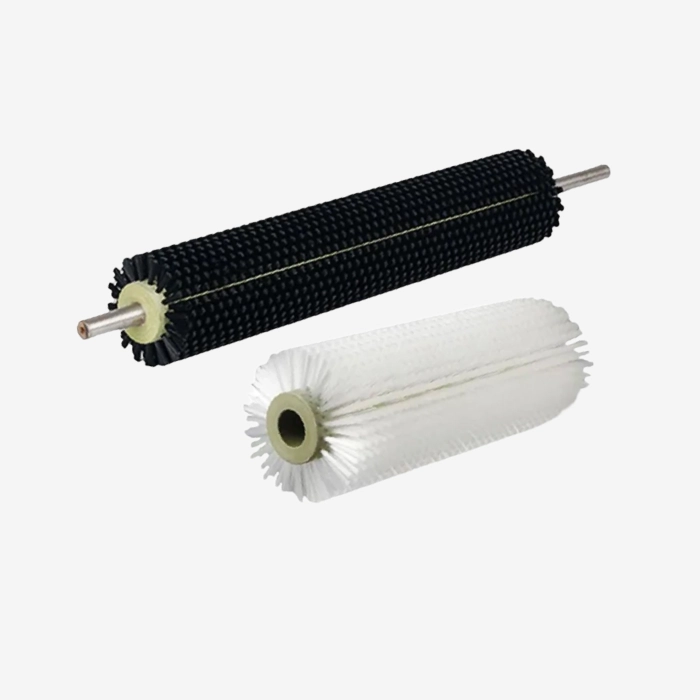
Steel Wire and Abrasive Filament
In aggressive applications where materials have to be removed quickly, such as stripping rust, cleaning welds, or deburring heavily, steel wire or abrasive-impregnated nylon filaments are used. These filaments can withstand extreme conditions but should be carefully selected to prevent damage to the target surface.
Filament Material Comparison
| Factor | Nylon | PP (Polypropylene) | Steel Wire |
| Abrasion Resistance | High | Moderate | Very High |
| Chemical Resistance | Good | Excellent | Low |
| Cost | Moderate | Low | High |
| Temperature Tolerance | Up to 120°C | Up to 80°C | Up to 300°C |
| Best For | Cleaning, washing, deburring | Light cleaning, dust removal | Rust removal, heavy deburring |
This comparison helps narrow the selection quickly. Most general industrial cleaning tasks point toward nylon, while budget-sensitive or chemical-heavy environments favor PP.
Determine Brush Dimensions and Core Type
Once the filament is selected, focus on physical specifications. Three dimensions matter most:
- Brush length — Must match the working width of the machine or conveyor.
- Outer diameter — Affects the contact pressure and the area of surface coverage.
- Core inner diameter — Should fit the drive shaft.
Core Construction Options
Construction of the core is another area that should be carefully considered. Common types of cores include:
- Solid wood or plastic cores — Light in weight and suitable for low speeds
- Metal tube cores — Strong and suitable for high speeds or heavy loads
- Tufted cores — Allow for individual tuft replacement, reducing long-term costs
Buyers of tufted cylinder rotary brushes in continuous production lines often prefer this design because it allows the maintenance team to replace worn sections without discarding the whole brush.
Don’t Overlook Filament Density and Trim Length
Two specifications that many buyers underestimate are filament density and trim length.
- Higher density creates more contact points and allows a finer finish.
- Lower density allows for better debris clearance and suits heavy contamination.
A shorter trim length makes the contact stiffer and increases the scrubbing force, while a longer trim length yields gentler contact and better surface conformity.
For a conveyor belt cleaning brush, moderate density and medium trim length are usually the most effective for cleaning while preserving the belt. Exact matching of these parameters will prevent unnecessary wear of the brush and protect the contact surface.
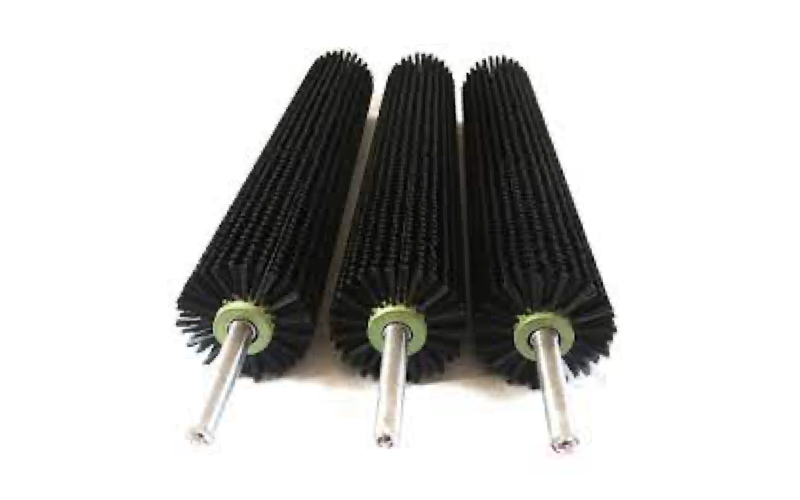
Work Closely with Your Brush Supplier
Choosing the perfect cylinder rotary brush is not an option from looking at catalogs. A good supplier will want to know the operating speed, ambient conditions, contact pressure, and production volume before recommending a specification.
The details to be provided are as follows to hasten the process:
- Machine make and model
- Drive shaft diameter and length
- Target surface material
- Operating speed (RPM)
- Environmental conditions (wet, dry, or chemical exposure)
Most reputable manufacturers in the cylinder rotary brush production niche offer sample testing or prototyping services. This serves as a proactive measure to avoid expensive mismatches on the production floor and to guarantee that the final brush will perform as intended.
Frequently Asked Questions
What filament material works best for food processing brushes?
Nylon and PP filaments both meet food-grade requirements. Nylon is more durable for heavy use; PP has better chemical resistance to frequent washdown cycles.
What is the replacement frequency for a cylinder rotary brush?
Replacement will vary with operating hours, filament type, and contact pressure. Most industrial users check the brushes once a month. They replace the trim when its length is less than 60% of the original.
Do brush manufacturers provide custom dimensions for non-standard machines?
Yes. Most professional brush manufacturers give full customization on length, diameter, core type, and filament material to fit the machine and application specifically.