
A dependable Conveyor Belt Cleaning Brush is a vital element of the productivity of an industrial buyer that operates a production line characterized by high volume. Traditional stock cleansing brushes do not provide enough variety for width, type of contaminant or type of application (mounting constraint) that an industrial buyer needs. To resolve this issue, OEMs offer much greater flexibility in controlling dimensions, bristle material and geometry of the brush used for each unique application.
Why OEM Customization Matters for Conveyor Cleaning
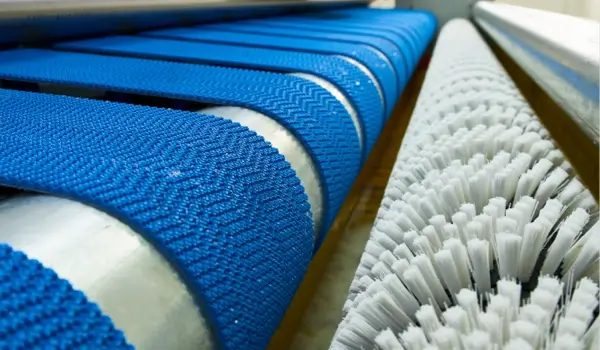
Off-the-shelf brushes can solve basic cleaning tasks, but many industrial environments such as food processing, mining, and bulk material handling operate under highly specific conditions. Conveyor systems often vary in belt width, operating speed, moisture exposure, and load type. As a result, a standard roller brush for conveyor belt cleaning may deliver acceptable short-term performance, but it can wear unevenly, miss debris along belt edges, and require frequent replacement. In contrast, a custom cylinder brush is engineered to match the exact conveyor specifications, helping manufacturers achieve more consistent cleaning efficiency, longer service life, and reduced maintenance downtime.
When customizing OEM brushes, we are bridging these gaps by ensuring that the brushes’ specifications match the actual working conditions. Procurement departments who work with custom suppliers experience measurable improvements in the level of cleanliness on their conveyor belts, as well as reduced maintenance frequency and increased brush life. These benefits can be compounded over the entire lifespan of a production line.
Size Options in OEM Conveyor Belt Cleaning Brushes
Standard and Custom Dimensions
There are two main factors to consider for brush sizing: overall length and outer diameter. Most conveyor cleaning cylinder brushes sizes fall within the same range; variances are found typically in OEM services where that range gets extended greatly.
| Specification | Typical Range | Custom Range (OEM) |
|---|---|---|
| Length of Brush | 300 mm – 2000 mm | 100 mm – 3500 mm |
| Outer Diameter | 80 mm – 300 mm | 50 mm – 600 mm |
| Core Diameter | 20 mm – 80 mm | Based on application |
| Shaft Length | Must match brush length | Can be extended/flanged |
When sourcing brushes for wide belt applications (for example, in the bulk material handling industry), buyers frequently require non-standard lengths of brush. In addition, narrow belts in packaging lines typically require compact cylinder cleaning brush units, which have a short shaft length and small diameter. Both types of application can be accommodated by manufacturers that provide OEM flexibility without sacrificing build quality.
Mounting Styles & Shaft Configurations
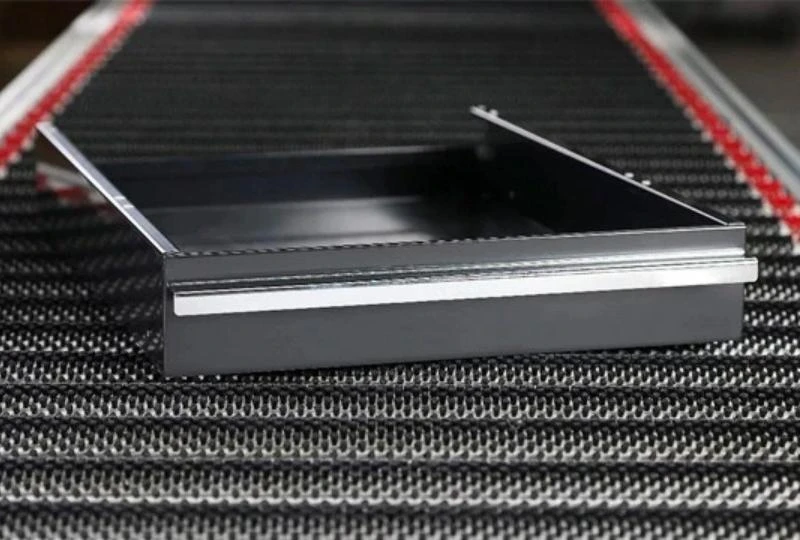
Depending on the style of mounting, both speed of installation and long-term maintenance may vary widely between installations. Typical configurations for OEM installations include:
- Through shaft with a keyway providing direct drive
- Flanged ends for bolted-on mounting
- Stub shafts which can be used with a bearing housing assembly
- Hexagon or square bore designs that allow for rapid changeover
Choosing a shaft configuration compatible with current equipment provides the installer with less chance for error while also preventing expensive modifications to brackets.
Material Selection: Matching Bristles to Contaminants
The bristles on the cleaning device could possibly have the greatest impact on overall performance. If you use an inferior brush material, it won’t remove the residue properly or it shall damage the belt surface. OEM suppliers typically provide several types of brush materials:
- Nylon 6 / Nylon 612 — Flexible, moisture-resistant, food-safe grades available
- Polypropylene (PP) — Chemical-resistant; suitable for use in wet wash-down applications
- Steel wire — Aggressive cleaning of large debris and/or dried-on debris
- Stainless steel wire — Short- and long-term corrosion resistance for food and pharmaceutical conveyor belt systems
- Abrasive-filled nylon — Ensures both flexibility and controlled abrasion
- Natural fibers (e.g., horsehair) — Soft, gentle touch for delicate belt surfaces
In most general applications, a nylon cleaning brush remains the material of choice for conveyor belt brushes. Nylon provides an ideal combination of durability, friendliness to the belt surface, and chemical resistance in applications such as parcel delivery and bottling lines. If you are new to this concept, you might want to review our overview on what a conveyor belt cleaning brush is before finalizing your material selection.
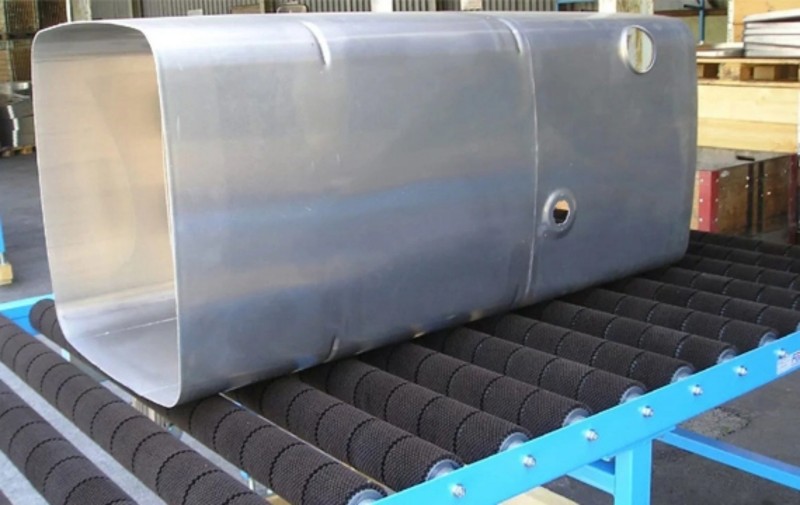
OEM services provide customers with options regarding the construction of an internal brush beyond just the size and material. These details are often what sets a brush that lasts six months apart from one that lasts two years.
Configuration Choices That Affect Cleaning Performance
Fill Density and Tuft Pattern
The fill density of bristles measures how densely the bristles are compressed together within the core. Higher density results in a harder bristle set that provides improved cleaning ability and wear resistance, while lower density provides increased flexibility when cleaning uneven belt surfaces. The tuft pattern (straight, spiral, or staggered) affects how well the brush cleans the surface. Spiral tuft patterns, in particular, typically push debris off the edges of a conveyor rather than redepositing it back onto the belt.
Core Material
Core selection depends on load and environment:
- Steel — High radial loads and high RPMs
- Stainless steel — Washdown and corrosive environments
- PVC or HDPE — Lightweight for low-speed or portable systems
- Aluminum — Balances strength with weight savings
Trim Length and Bristle Diameter
Longer trim lengths allow increased flexibility to reach inside belt cleats and grooves. Shorter trims offer firmer contact pressure for stubborn residue. Bristle diameter works on a similar tradeoff: thicker filaments provide more aggressive cleaning while thinner filaments give a gentler cleaning experience. OEM engineers have the ability to tune these two variables as a function of belt speed, contaminant type, and desired cleaning pressure.
What to Prepare Before Requesting an OEM Quote
For an OEM inquiry to go well, the buyer must provide clear technical data at the beginning of their inquiry. The main items the buyer must specify include:
- Belt width and speed
- Type of contaminant (wet, dry, sticky, abrasive)
- Operating temperature and chemical exposure
- Current mounting dimensions and drive interface
- Expected service life or time between replacements
Sharing photos of the installation area and current brush (if applicable) also helps suppliers recommend the most suitable configuration.
Conclusion
An accurately engineered Conveyor Belt Cleaning Brush has multiple benefits beyond keeping belts clear of material — it protects downstream machinery from debris damage, reduces costs associated with unexpected downtime, and improves the overall quality of manufactured goods. By providing manufacturers with exact specifications, custom-made products adapt the brush design to actual operating conditions rather than requiring operations to adapt to generic products. Facilities running non-standard belts or operating in extreme environments can take advantage of custom sizing, material selection, and configuration to achieve a measurable return on their investment.
FAQ
Q1: How much notice is required to place an order for custom OEM conveyor brushes? Generally, lead time for custom OEM conveyor brushes is three to six weeks based on brush size, material availability, and total order quantity. Rush production is occasionally available.
Q2: Are OEM suppliers offering brushes that comply with food-grade or FDA standards?
Yes. Food-grade nylon, stainless steel cores, and FDA-compliant materials are routinely used as standard OEM options for food processing and pharmaceutical conveyor applications.
Q3: What should buyers look for when testing brush samples before ordering?
Brush samples should be tested on the actual belt during regular operation. Measure cleaning effectiveness, wear rate, and belt impact over at least one full production shift.