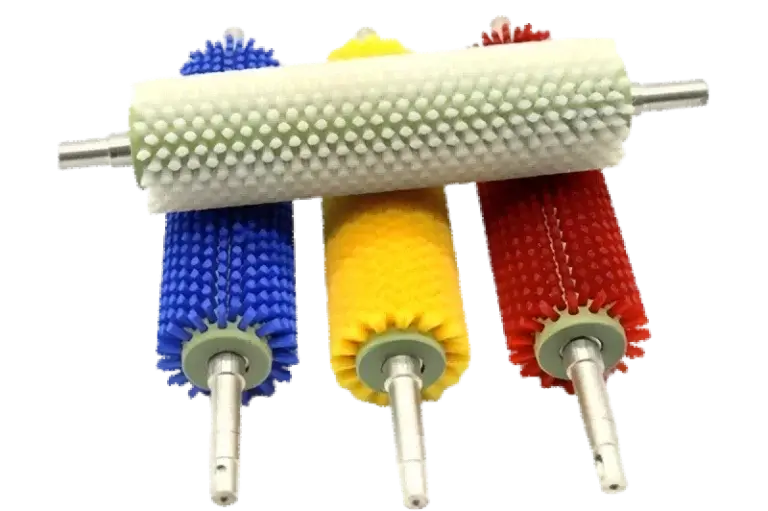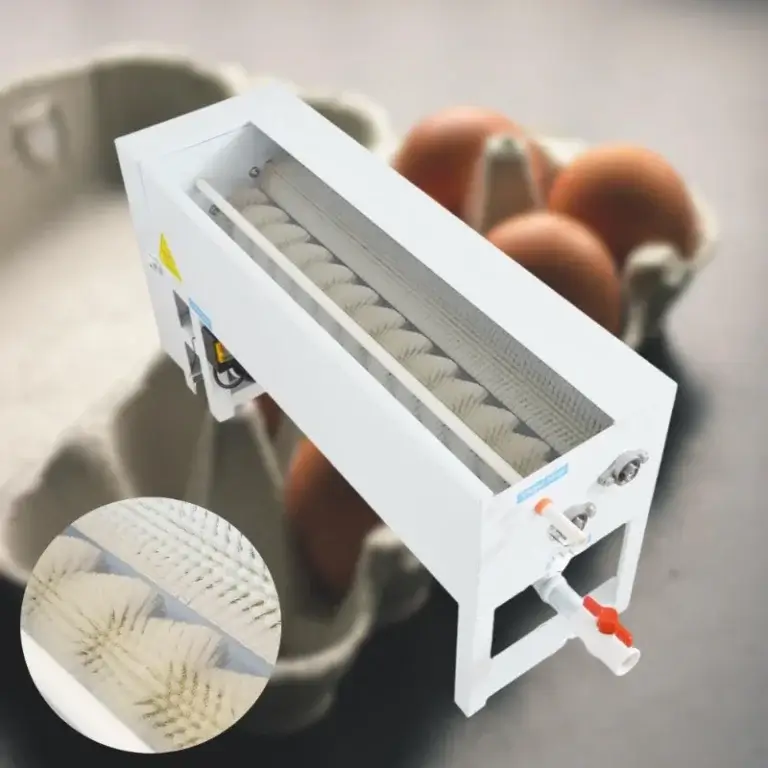
If you choose the wrong brush for your food conveyor system, you put it at risk of contamination — and you could end up with damaged product or costly downtime, too. A proper Conveyor Belt Cleaning Brush eliminates all these problems at the source.
The hygiene requirements of food production lines are much higher than those of a general industrial environment. Since the brush will come into direct contact with raw ingredients, it works under constant wet conditions and must meet strict hygiene regulations. Three factors will determine whether a brush can perform reliably in this setting: material safety, bristle hardness, and structural durability.
This guide will break down each factor so that purchasing managers and engineers can make their decisions with confidence and knowledge.
Three Core Criteria for the Selection of a Conveyor Belt Cleaning Brush
Use Food-Grade Materials to Ensure Compliance with Hygiene
The top priority is the safety of materials. Because the brushes in food production lines will touch fruits, vegetables, meat, and other ingredients directly, all components must meet food safety standards.
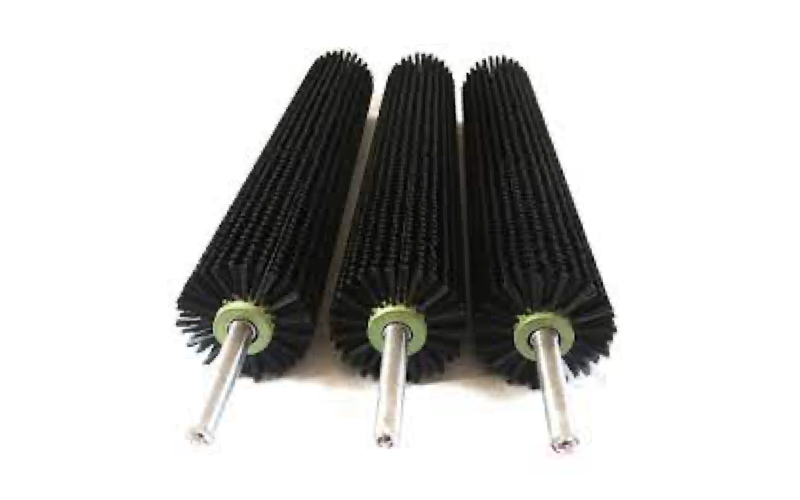
- Bristle material: Food-grade nylon (PA6, PA612) or PP — non-toxic, odorless, and immune to bacterial attack.
- Core shaft: 304 stainless steel — resistant to corrosion and approved for use in applications where it will contact food.
- Adhesives and fillers: Must be FDA- or EU-compliant for food-contact applications.
A Food Grade Conveyor Brush meeting all material certifications saves the final product as well as the honor of the manufacturer. Any low-grade material results in an audit failure with goods rejected — a risk that no proper food processor can afford.
For those who are looking for custom specifications, this is the most practical way to make sure you are meeting the exact compliance requirements and needs.
Match Bristle Hardness to Produce Type
Not all produce can withstand the same cleaning intensity. The wrong choice of bristle stiffness will either damage delicate items or fail to eliminate stubborn dirt on more robust ones.
Soft produce needs soft bristles. That’s the rule in general.
Soft Produce
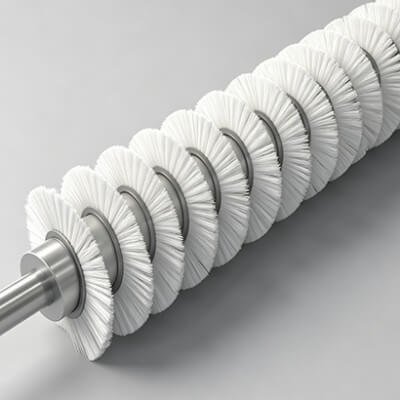
Tomatoes, peaches, strawberries, leafy greens, and other delicate produce bruise easily. Soft nylon filaments (typically 0.10–0.30 mm diameter) clean gently without breaking the skin. A Nylon Conveyor Cleaning Brush with fine, flexible bristles will work well for these products and help maintain their appearance and shelf life.
Root Vegetables and Hard-Skinned Produce
Potatoes, carrots, yams, taro, beets, and other root vegetables carry heavy soil loads and have tough, thick skins. They need hard nylon or PP bristles (0.50–1.00 mm diameter), sisal for maximum abrasion, or mixed-filament designs that blend synthetic and natural fibers. The cleaning job here is more like light grinding than gentle washing.
Opt for Waterproof, Corrosion-Resistant Builds
In a food processing workshop, it’s wet through every shift. Ordinary brushes can’t last long in that kind of harsh environment, with water spray, cleaning chemicals, and high humidity.
Common failure modes with standard brushes include:
- Wooden or mild-steel shafts that can rust within weeks
- Bristle tufts that are not sealed trap moisture and can grow mold
- Adhesive breakdown that results in bristle shedding into product streams
A properly designed Conveyor Belt Cleaning Brush will eliminate all of these problems. The most recommended design is that which pairs a 304 stainless steel shaft with injection-molded or staple-set bristles of food-grade nylon. While stainless steel is resistant to moisture as well as typical sanitizing agents (chlorine-based, peracetic acid), properly anchored nylon filaments will not shed any fiber under normal operating loads.
In large-scale operations using roller-type systems, a Conveyor Cylinder Brush with fully welded stainless end caps and sealed bearing mounts increases its service life significantly — often lasting two to three times longer than economy alternatives.
Buyers evaluating roller formats will find practical sizing and specification guidance on how to choose a cylinder cleaning brush.
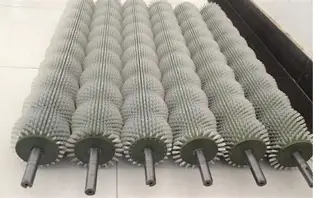
Standard Brush vs. Food-Grade Conveyor Belt Cleaning Brush
Seeing the differences side by side helps clarify why food-grade brushes justify their higher upfront cost.
| Feature | Standard Industrial Brush | Food-Grade Conveyor Belt Cleaning Brush |
| Bristle Material | Generic nylon or PBT | FDA/EU-compliant nylon or PP |
| Shaft Material | Carbon steel or aluminum | 304 stainless steel |
| Moisture Resistance | Low: it can rust and grow molds | High: design is totally waterproof |
| Bristle Retention | Moderate: risk of shedding | High: tufting is reinforced, or anchoring is fused |
| Chemical Resistance | Limited | Can withstand CIP cleaning agents |
| Regulatory Compliance | Not certified | Meets standards for safety in contact with food |
In dry, non-food conveyor systems, this would be okay with the standard brush. Once you put it on the food line, though, it’s a contamination hazard and a regulatory violation. The food-grade version spares you those risks from day one.
Ops that need brand- or spec-custom brushes can look at dedicated Conveyor Belt Cleaning Brush product lines to find the right setup.
FAQs
Can one Conveyor Belt Cleaning Brush work for both soft fruits and root vegetables?
Not really. Soft fruits need fine, flexible nylon bristles; root vegetables require stiff filaments. Better results come from separate brushes for each category.
How often should food production lines replace Conveyor Cylinder Brushes?
Replacement frequency varies with operating hours and the type of produce. Most facilities inspect brushes monthly and replace them under standard conditions, which could be between 3 and 6 months.
Do shaft materials really impact compliance with food safety regulations?
Yes, with a 304 stainless steel shaft that is resistant to corrosion and meets food-contact standards. The carbon steel shafts would rust in wet environments, creating a risk of contamination and potential audit failure.