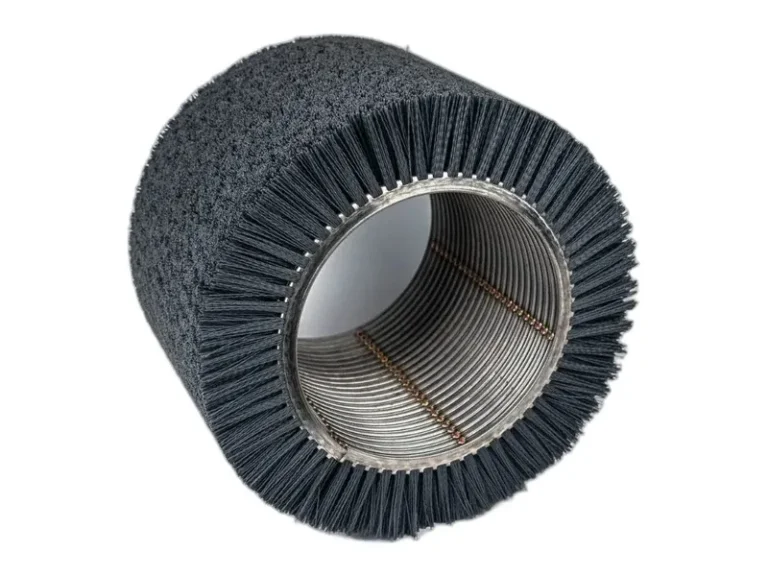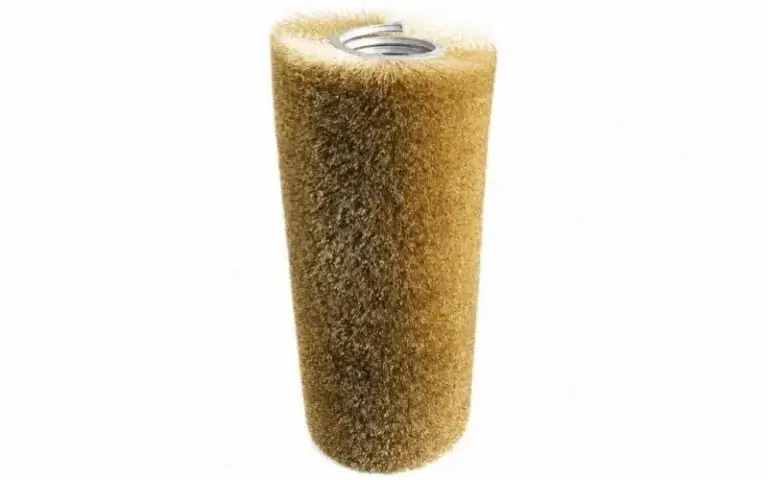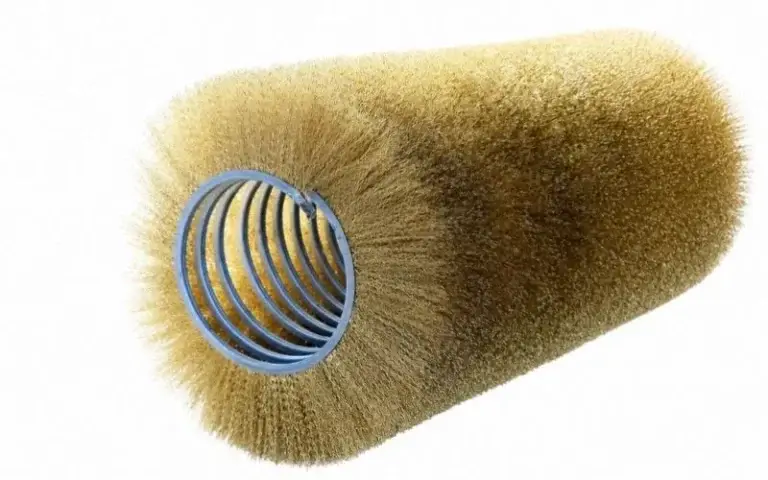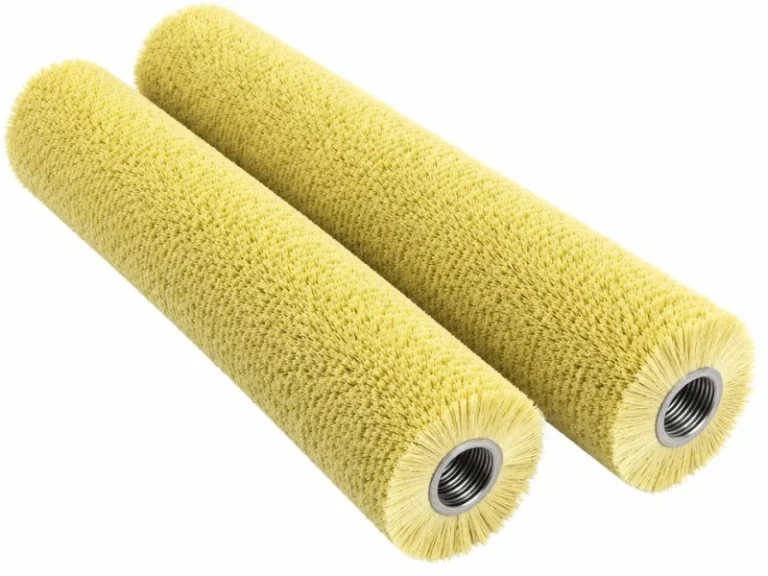
In surface treatment and coil processing, the choice of brush directly impacts product quality, line efficiency, and long-term operating cost. Among the various brush constructions available, the outside coil brush has earned a strong reputation across industries for good reason — its wound-strip design delivers a combination of performance characteristics that flat or staple-set brushes simply cannot match. For those unfamiliar with the product’s construction and function, what is an outside coil brush provides a useful introduction. This article focuses on the practical benefits that make this brush type a preferred choice for procurement teams and engineers managing high-volume production lines.
How the Wound-Strip Design Creates Performance Advantages
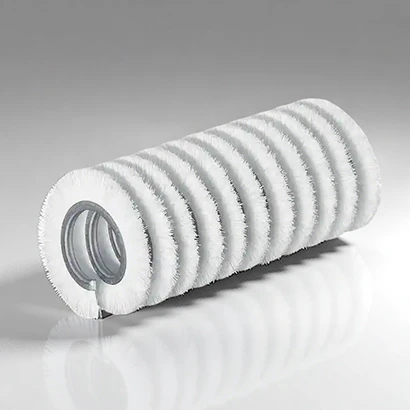
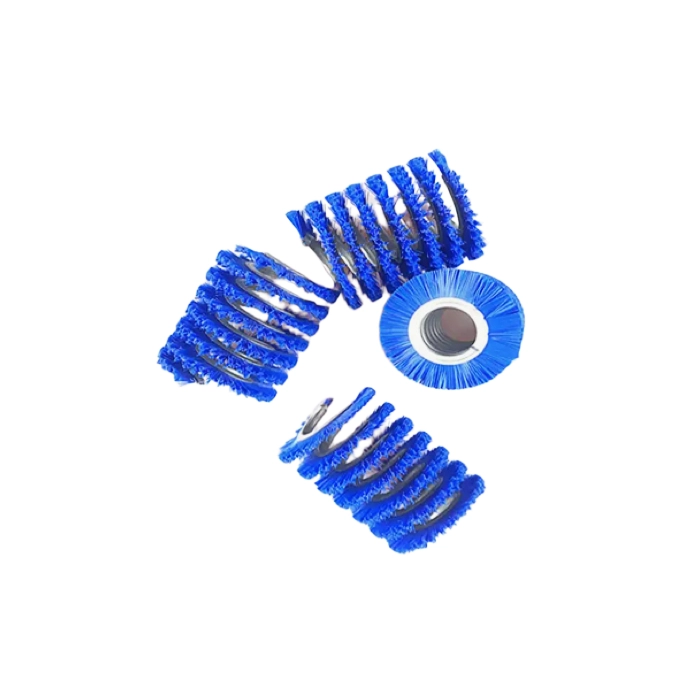
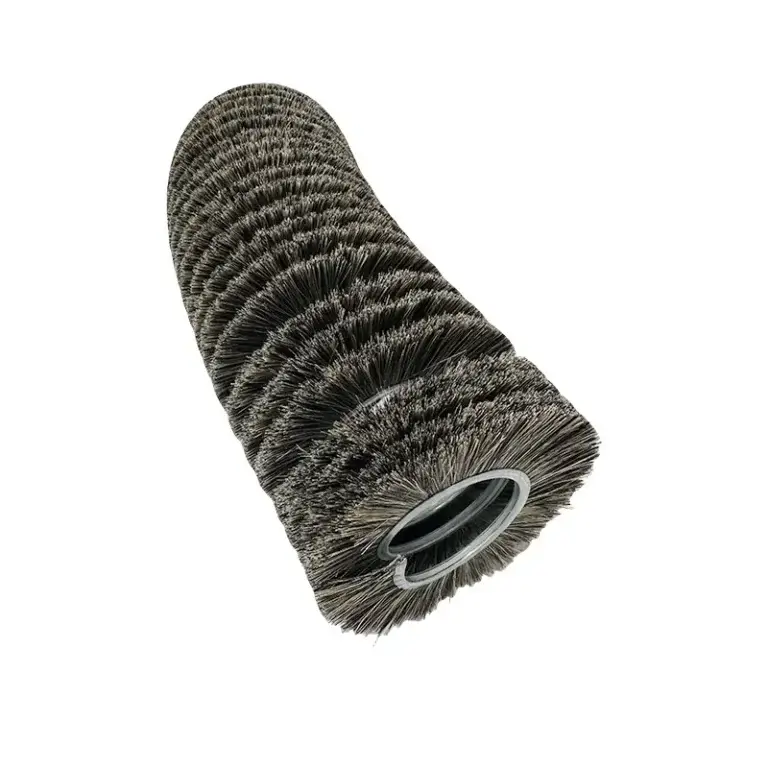
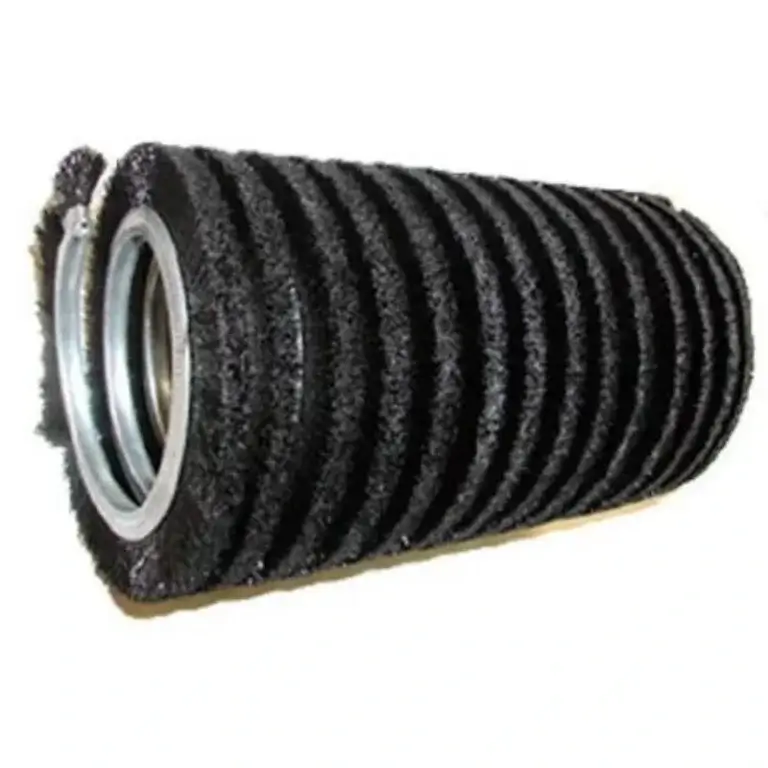
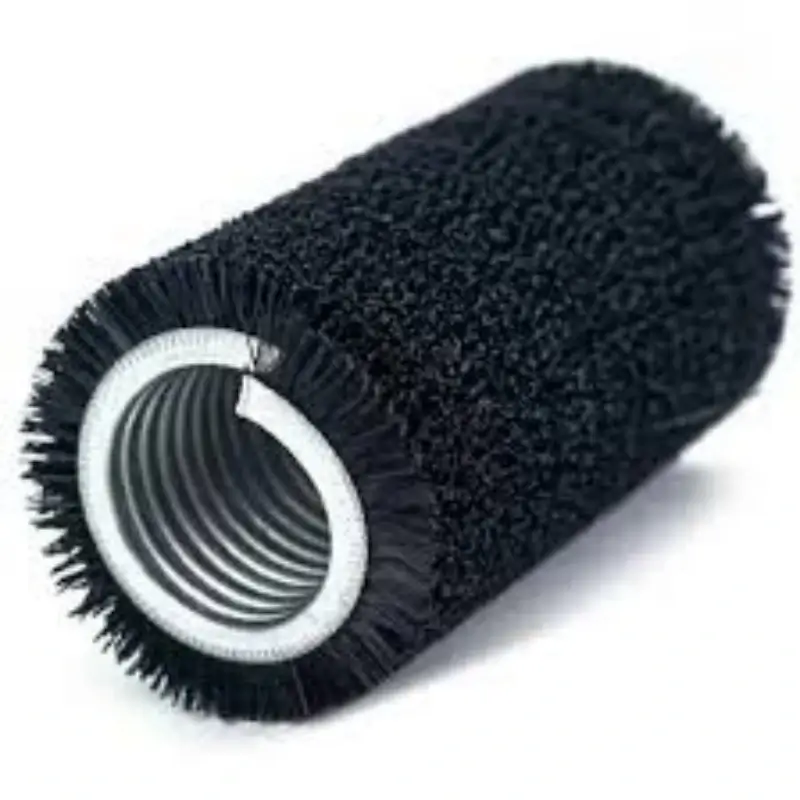
The metal-backed channel strip forms an external coil brush; a round shaft or core is wound with that strip and then spot-welded to fasten the filaments together into a compact, secure matrix of filaments. This construction process is the foundation for every advantage outlined below; the engineering of the brush accounts for the performance of that brush.
High Filament Density with Minimal Shedding
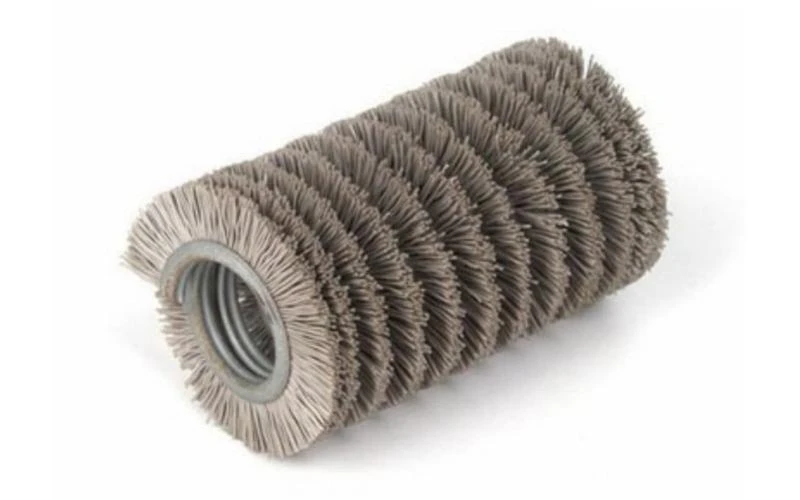
One of the benefits that operators tout is the ability of the coiling method to achieve a very high density of filaments in the end result. Since the channel strip is wound continuously and then fused together with the core, filaments are held much more tightly than they could ever be in a brush system where staples or glue are used as methods of attachment.
What this means in real life:
- No (or fewer) loose filaments contaminating either workpieces or processing lines.
- A more even surface-to-surface contact measurement across the whole working width.
- A longer operational life before a noticeable reduction in density.
For industries such as steel plate pretreatment and glass processing, even a little contamination can lead to quality rejects. As such, the low shedding characteristics of this product have real economic benefits.
Brush Density Adjustability Via Pitch Control
The distance or pitch of each coil wound in the brush allows for total control over how many bristles will be in the brush (or the “brush density”). By changing only this one variable (or ‘pitch’), the same design of brush can be used for many different types of applications.
| Pitch Configuration | Brush Density | Typical Applications |
|---|---|---|
| Close Wound (tight pitch) | Very High | Heavy scale removal, aggressive surface preparation and conditioning |
| Medium Pitch | Moderate | General cleaning, polishing, and pre-paint work |
| Wide Pitch (open wound) | Low | Light dusting, wet environments, delicate substrates |
The ability to adjust a coil brush assembly provides great advantages versus the standard fixed-density type assemblies. A coil brush assembly can be tuned to the exact contact pressure and coverage requirements of the application, versus operators having to settle for a single product that works for everyone.
Versatile Material Compatibility
The wound strip construction design can accept many different types of filament materials and can greatly increase the number of applications an end user can use a brush for. Here is a list of some of the typical filament materials that can be used:
- Nylon (PA) is durable and pliable. It can be used, among other things, for general cleaning and/or polishing.
- Abrasive nylon contains specially impregnated grit for oxide removal and surface conditioning.
- Steel wire offers the greatest aggressiveness for stripping heavy rust, scale, etc.
- Brass wire is excellent for cleaning non-ferrous materials, and where contamination control is of utmost importance.
- PP / PE / PET is a chemically resistant synthetic filament for use in wet processing environments.
The particular characteristics of each material will result in varying performance characteristics on various substrates. A more detailed breakdown of filament performance is located in the outside coil brush material guide, which will assist buyers in matching the filament to their specific process requirements.
Practical Benefits Across Industrial Applications
Operational improvements can be quantified by assessing the advantages listed. Outside coil brushes provide maximum benefit in several industries.
Steel and Metal Processing
Aggressive and uniform surface preparation is needed for pre-treating steel plate, galvanizing steel plate, and painting steel plate. Agitated coil brushes — due to their high density and low particulate shed properties — perform especially well in these types of operating environments.
To clean a coil, a coil cleaning brush having either steel wire or roughened nylon at a pitch that is relatively tight will effectively remove all mill scale, oxide layer, and surface contaminants from the metal. This will allow for a clean substrate so that all subsequent finishing processes (coating/plating) can be successfully completed. The welded construction allows the extra-high-speed rotation that is a requirement on these coil lines to be continuously met without premature filament loss.
Glass Cleaning and Washing
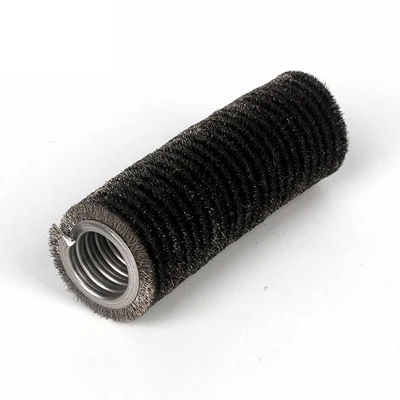
Cleaning brushes on glass processing lines must clean the glass surface without damaging or scratching it. The glass washing brush is constructed using an outer coil layout and consists of soft nylon or polypropylene (PP) bristles constructed at medium pitch; this results in adequate glass cleaning and controlled contact pressure.
Here, it is worth mentioning that the capability of manufacturing brushes with outer diameters of less than 20 mm is especially important, because compact glass wash machines typically do not have sufficient room within their brush chamber for traditional brush types. Very few other designs and styles have sufficient functional density when manufacturing brushes in such small diameters.
Coating and Printing Industries
In any type of coating application line or dye application line, the surface cleaning brushes must produce an entirely uniform surface across the entire width of the material being coated or dyed in order for there to be no visible banding or inconsistent bonding of coatings. If there are any inconsistencies created by the density of the brush, then you will see visible banding or inconsistent adhesion of a coating.
The method of constructing the continuous wound-strips has a natural benefit of providing a more consistent distribution of the filament than either segmented or stapled-based methods, giving the finished product a distinct structural advantage in these visually rigorous applications.
Flexible Mounting and Replacement Options
In addition to providing performance advantages, outside coil brushes also provide logistical advantages for both procurement and maintenance teams.
- Fully assembled units, delivered complete with journal, minimize the time needed to replace brushes by reducing machine downtime through pre-assembled delivery and installation.
- Shafts supplied by a customer do not require an adapter to connect them to a machine because of the unique design of the shaft and its associated parts.
- Operators can save money and minimize excess waste by using replacement coil strips with their existing cores.
A buyer’s delivery format has some options to choose from. The buyer can select one of these depending on how fast or cost-effectively they want to deliver the coil brush to their machine and process; always refer to the outside coil brush selection guide for more information on the correct way to match the delivery format of the brush with the machine being used.
Procurement Teams Choose This Construction for Multiple Reasons
From a sourcing perspective, the outside coil brush meets multiple criteria at once:
- Less frequent ordering and lower brush expenses due to long service life
- Customizable filaments and density; hence, require less stock of various types of brushes
- Replacement coils provide a lower unit price for the same quantity of repeat orders
- Ability to apply to a wider range of applications means fewer suppliers to consolidate with
Wound coil brushes are very affordable as tools for surface treatment due to a low cost per hour of use rather than just a low unit cost.
Frequently Asked Questions
Q1: Can outside coil brushes be customized to fit my machine?
Absolutely. Many manufacturers will create custom tools to fit your specific machine or application, including diameter, body length, bore size, filament type, and pitch configuration.
Q2: What is the MOQ for bulk coil brush orders?
MOQ generally depends on the manufacturer and the level of customization. Most manufacturers will typically accept an order minimum of 10–50 units, with better pricing available as volume increases.
Q3: Which industries most commonly use outside coil brushes?
Steel processing, galvanizing, glass washing, color coating, and printing industries all use outside coil brushes. Any application requiring consistent rotary surface cleaning benefits from this construction.