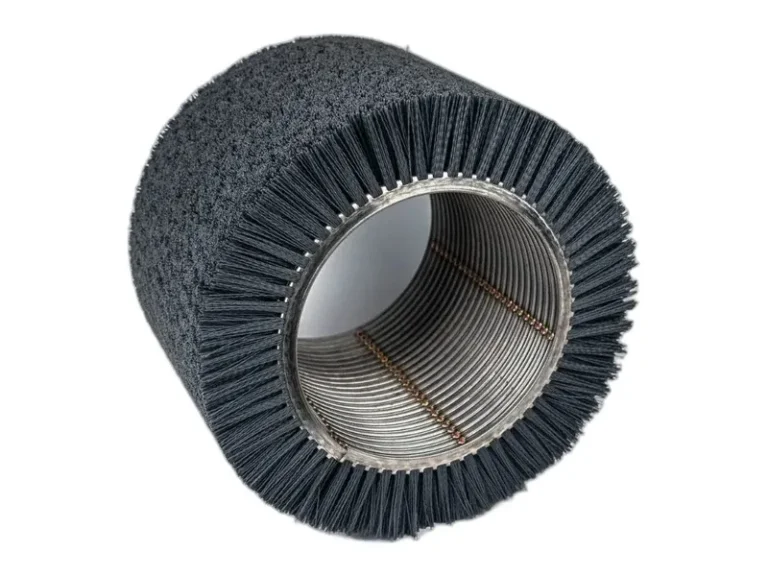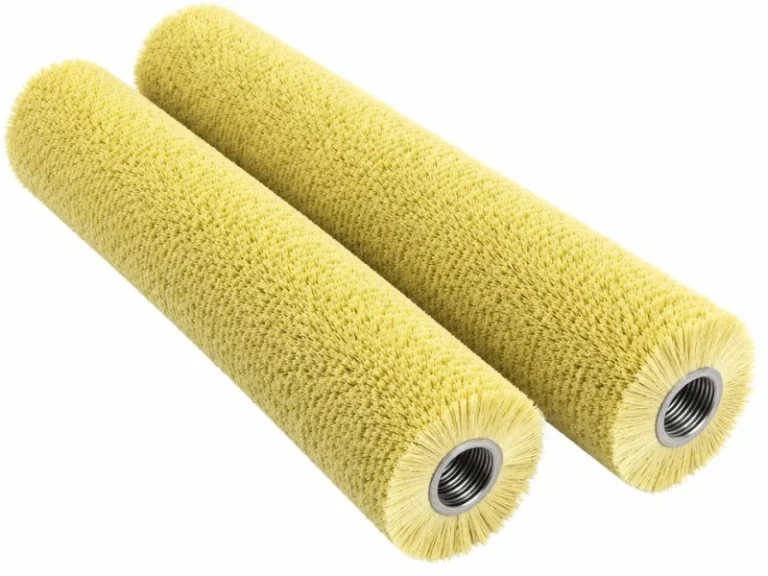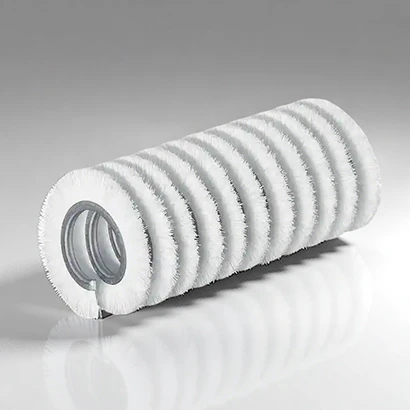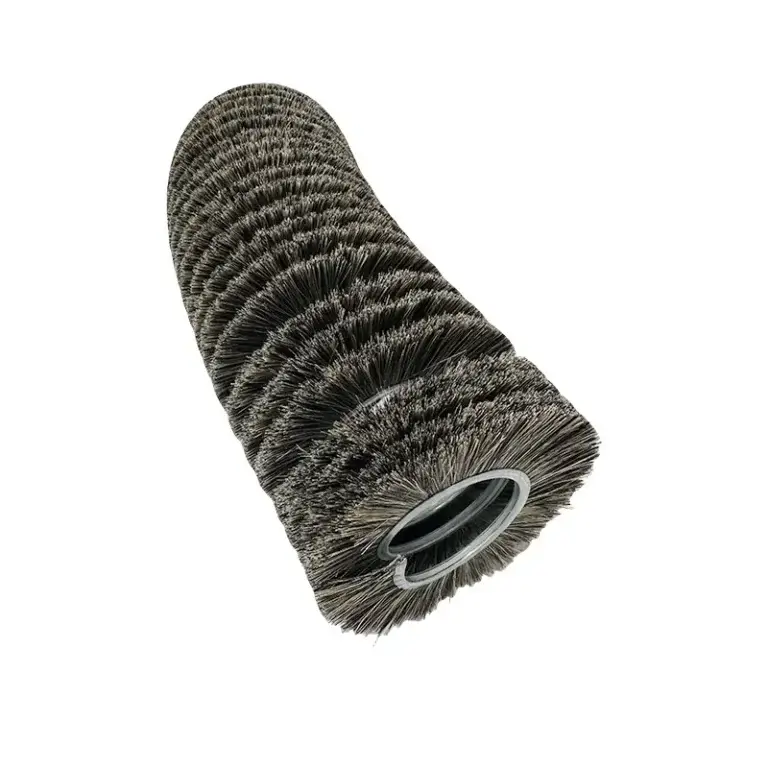
The material of the outside coil brush’s filaments plays a major role in determining how it will perform, including how aggressive or durable the bristles will be, how well the brush can resist chemicals, and how appropriate it would be for use on a particular surface. However, in many cases, material selection is not given much consideration; rather, many purchasers simply go with the same material they used for their last purchase without even checking to see if there is a better option available.
This guide identifies and compares the various types of filament materials that are typically used in outside coil brushes, including the properties of each of those materials in a side-by-side manner, along with general recommendations for selecting the correct filament to use when making application decisions. To learn more about outside coil brushes, please see what outside coil brushes, which explains how these brushes are constructed and their basic design principles.
Why Filament Material Matters
An exterior coil brush has the following properties: it makes direct, constant contact with the substrate. The working component is the filament of that coil brush, which performs the primary work associated with an exterior brush, including scrubbing, polishing, deburring, or conveying.
The choice of filament material can lead to predictable problems as a result of improper material selection. Too soft, and the brush won’t clean effectively. Too aggressive, and it damages the workpiece. If chemically incompatible, the filaments degrade prematurely.
Selection of the correct filament material used in all coil cleaning brush applications depends on several considerations: hardness of the surface to be cleaned, type of contaminant being removed from that surface, and operating conditions. Proper selection results in longer brush life as well as better protection of the part being processed.
Common Filament Materials
Nylon
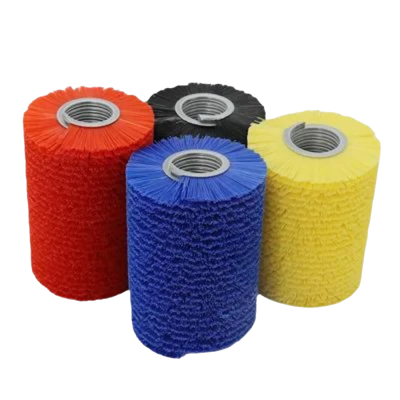
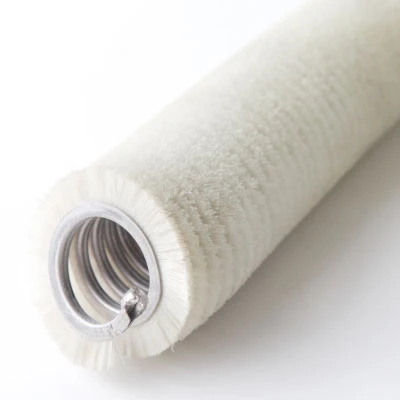
In coil brushes, nylon is the filament material most often used and is therefore the most common type of filament for coil brush production. Nylon has many benefits, such as good tensile strength (meaning it does not break easily), as well as being very flexible because it has the ability to stretch or bend without breaking.
Fine nylon filaments can be used for polishing and light dust removal, while thicker-diameter nylon filaments will work great for scrubbing and light to moderate deburring. Starting with nylon coil brushes is a good choice when working with softer metals, plastic, wood, or food-grade materials.
In addition, nylon brushes can accept abrasive grits (such as silicon carbide and/or aluminium oxide) that create cutting action without using metal filaments. If you are unfamiliar with nylon coil brushes, here is a detailed breakdown of their characteristics and some examples of how they are typically used.
Nylon does have limitations. It softens at elevated temperatures (typically above 200 °F / 93 °C) and may not provide enough aggression for heavy scale or rust removal.
Steel
Steel filaments, which can be found as carbon or stainless steel, have much greater cutting power than nylon. Among the two types, carbon steel can cut more aggressively than stainless steel and is used for heavier deburring applications (such as removing rust and scale from ferrous metals). In contrast, stainless steel is almost equally as strong but with more corrosion resistance; therefore, it can be used in wet environments and in food processing equipment.
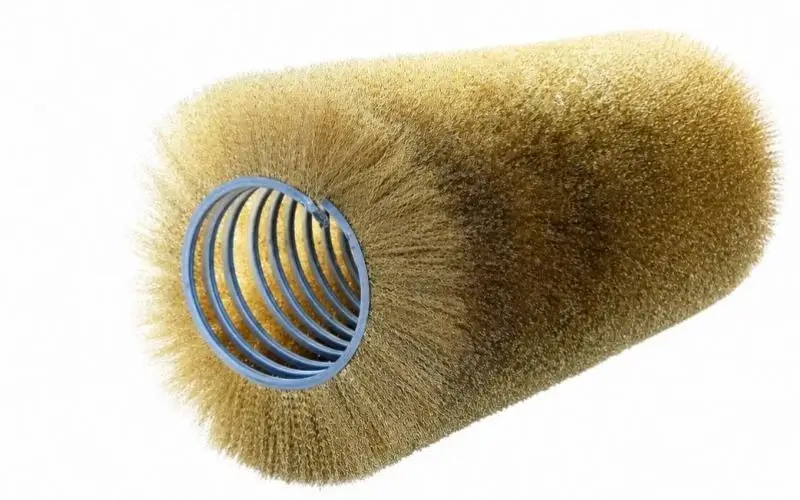
Steel coil brushes are usually the preferred type of brush to use for aggressive material removal or when the surface of the workpiece is hard enough to allow for metal-to-metal contact. However, using a steel brush on a softer substrate could cause scratches, and using steel on a nonferrous component will leave a layer of ferrous material deposited onto that part, which creates a huge issue when working in aerospace and electronics.
For detailed information on construction and grades, please refer to what Steel Coil Brushes are.
Brass
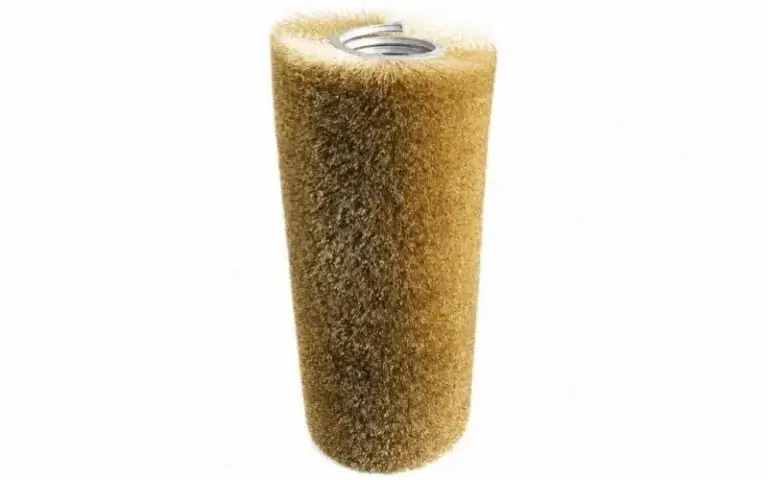
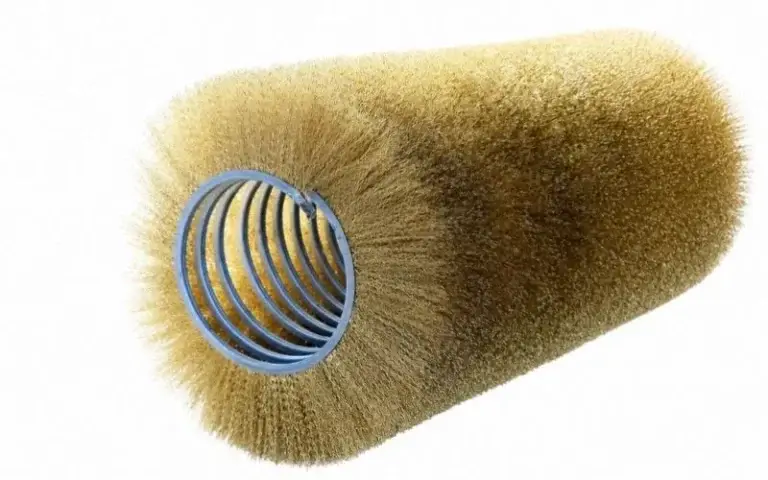
Brass filaments fall into the middle range of the two types of filaments, nylon and steel. Brass is typically softer than steel but is generally more rigid than nylon; thus, brass filaments can be used in applications needing some level of aggressiveness, but not an excessive risk of scratching and/or producing sparks.
Brass Coil Brushes are typically utilized where spark generation is critical. This includes working in areas of flammable gases, solvents, or dust. Additionally, since brass does not create ferrous marking on stainless steel or aluminum surfaces, it is a material selected for decorative finishing and precision cleaning.
An overview of the characteristics of brass filament can be found in the following article: What is a Brass Coil Brush.
Brass is a durable material; however, its softness makes it less resistant to wear than steel when subjected to heavy loads. Therefore, brass should be used primarily in low- to moderate-duty applications.
Material Comparison at a Glance
| Property | Nylon | Steel (Carbon / Stainless) | Brass |
|---|---|---|---|
| Aggressiveness | Moderate | High | Moderate |
| Flexibility | High | Low | Moderate |
| Corrosion Resistance | High | Moderate (Carbon) / High (Stainless) | Moderate |
| Temperature Tolerance | Moderate (80 – 93 °C) | High | Moderate |
| Spark Risk | – None / Yes (carbon) or Low (stainless) | – | None |
| Best For | Polishing, light cleaning, food-grade | Heavy deburring, weld cleaning, scale removal | Non-sparking cleaning, decorative finishes |
Note: This table serves as a general guideline; actual performance depends on filament diameter, brush density, rotational speed, and contact pressure.
When selecting a filament, the hardness of the workpiece is the primary factor. Softer surfaces like aluminum, plastic, or wood require nylon or brass, while harder surfaces like carbon steel and cast iron are compatible with steel filaments. Environmental conditions also play a crucial role: if spark prevention is required, brass or nylon must be used. For applications in chemically active or wet environments, stainless steel or nylon are the best choices to avoid corrosion and degradation.
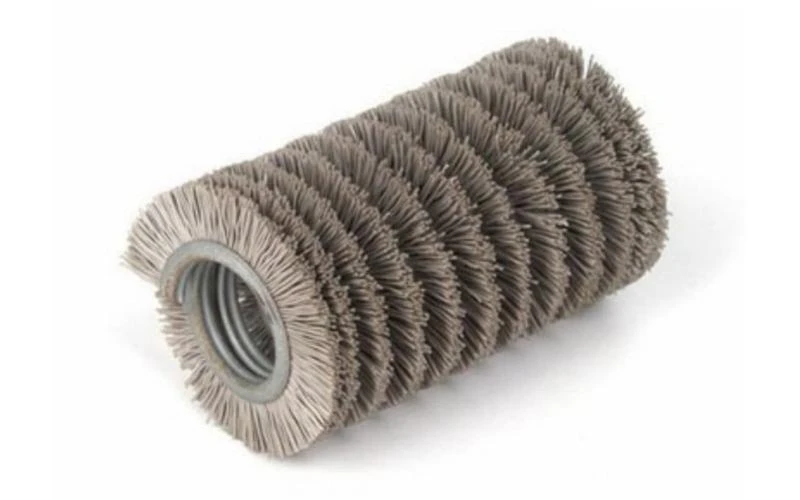
Aggressiveness also dictates the choice, with nylon suited for light-duty tasks and steel for heavy material removal. Finally, specific industries—such as food, pharmaceutical, and aerospace—often have strict compliance and traceability requirements that mandate the use of certain materials. By evaluating these factors beforehand, you can ensure your supplier quotes a coil brush that perfectly fits your application, saving time and reducing the need for costly prototypes.
FAQ
Q1: Can outside coil brushes be manufactured with mixed filament materials?
Yes. Some manufacturers offer hybrid configurations combining nylon with abrasive or brass with steel to balance aggression and surface protection in a single brush.
Q2: What is the typical MOQ for bulk outside coil brush orders?
MOQ depends on the supplier and specification complexity. Many industrial brush manufacturers support both small-batch prototyping and high-volume production runs.
Q3: Which filament material lasts longest in continuous-use conveyor applications?
Stainless steel generally offers the longest service life under continuous mechanical load, though abrasive nylon is a strong alternative for lighter-duty conveyor cleaning.