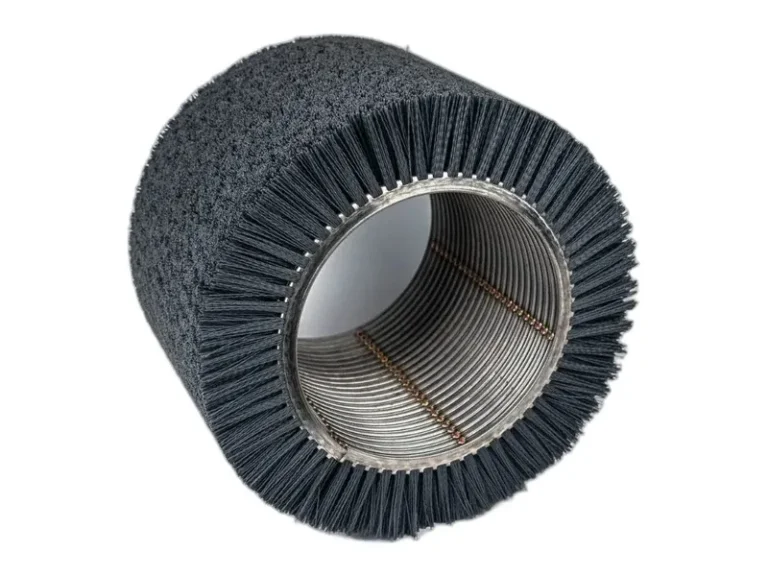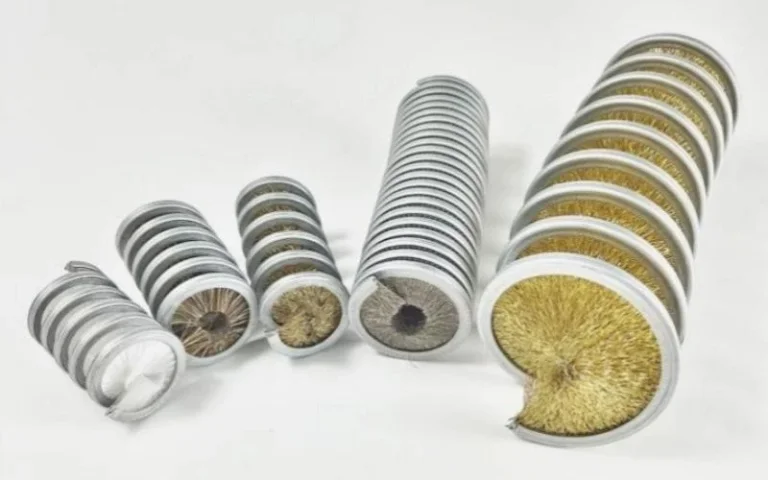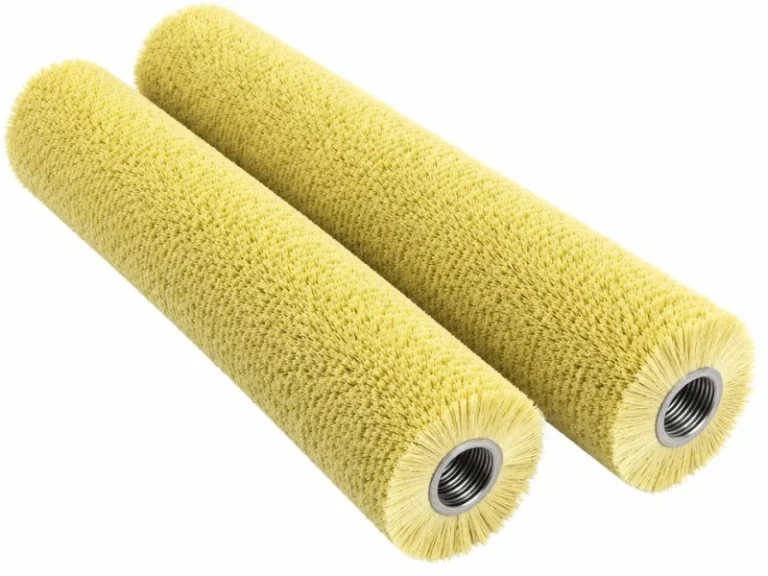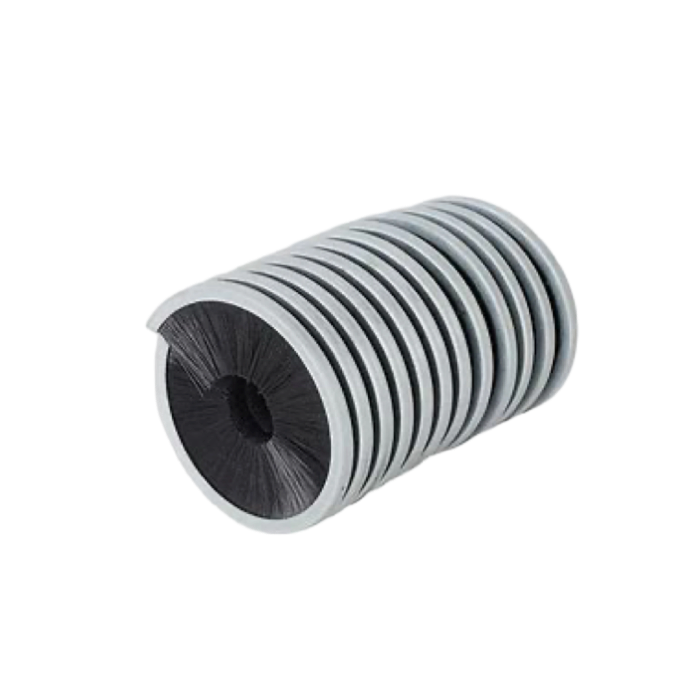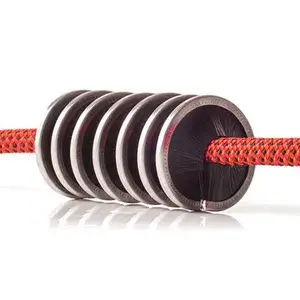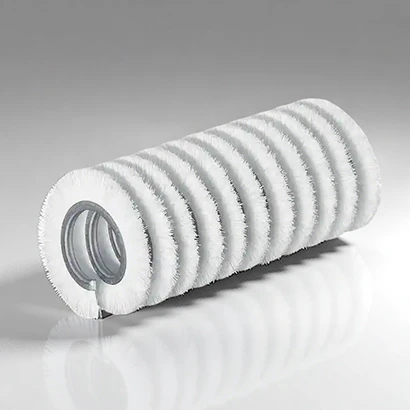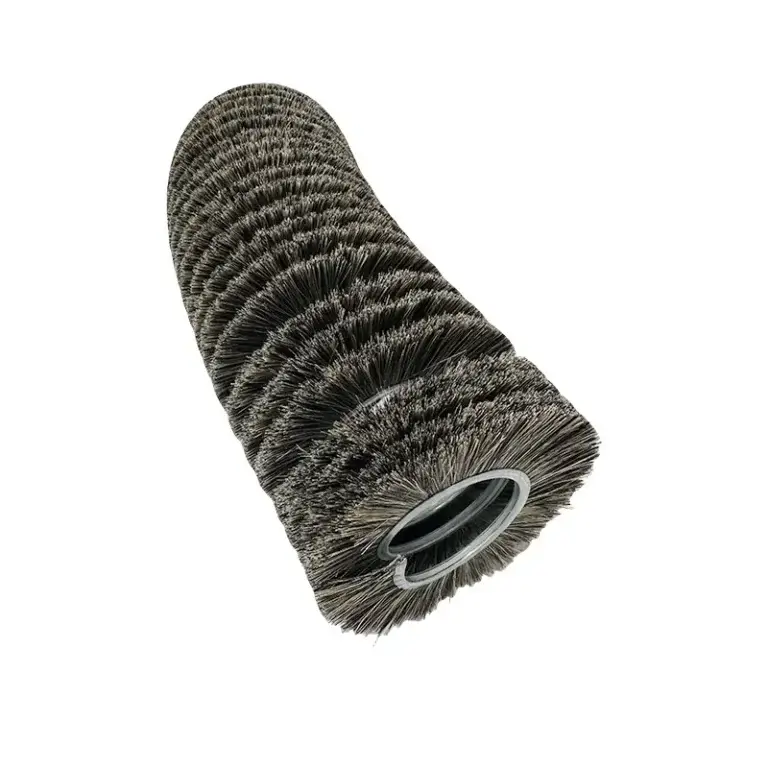
In applications where an object needs to be contacted over its entire surface without being scratched, nylon coil brushes are the best choice. Their synthetic filaments are both flexible and resilient, making them fit for cleaning, polishing, deburring, and surface finishing in dozens of different industries.
For those people who may be interested in evaluating coil brush options, such as engineers, maintenance managers, and procurement teams, this article will help explain how and why nylon filaments are beneficial when designed as a coil brush. Newcomers to this brush category can start with a helpful overview of what a nylon coil brush is to learn the basics before exploring its performance benefits.
What Makes Nylon the Preferred Filament for Coil Brushes
It has been rightly said that nylon is the king material for brush making. It is wear-resistant, can tolerate a wide range of chemicals, and keeps its shape over thousands of cycles of operation.
The manufacturers wind nylon filaments in a helical coil structure; the result is such a brush that can flex through complex geometries while keeping uniform bristle pressure. Nylon offers a softness-to-toughness ratio that is hard to beat by almost any other material, particularly in applications where surface protection is as important as cleaning power.
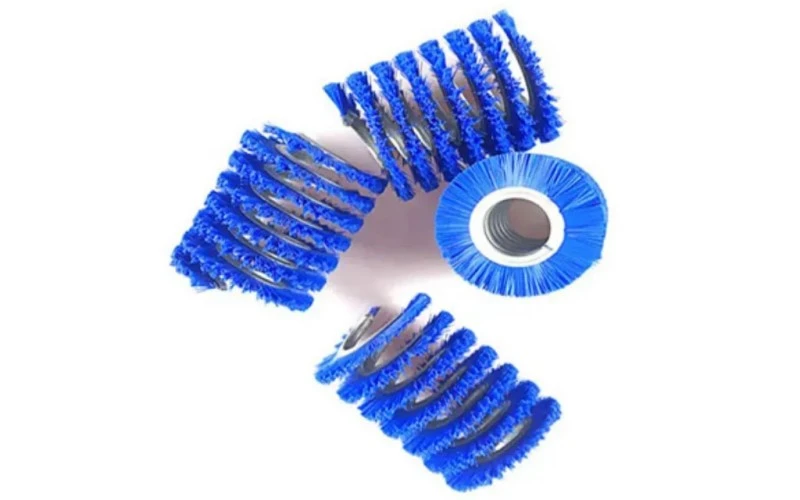
Core Advantages of Nylon Coil Brushes
The table below gives a good comparison between the key performance factors of nylon coil brushes and those of common alternatives:
| Performance Factor | Nylon Coil Brush | Steel Wire Coil Brush | Natural Fiber Brush |
|---|---|---|---|
| Surface Safety | Excellent (Non-scratch) | Aggressive (High risk of scratching) | Gentle (Low risk of scratching) |
| Chemical Resistance | High (Resists acids, solvents, oils) | Moderate | Low |
| Moisture Tolerance | Excellent (Does not absorb water/swell) | Moderate (Prone to rust if uncoated) | Poor (Weakens and swells in wet environment) |
| Shape Memory | Strong memory (Excellent retention) | Moderate (Takes permanent bend) | Poor (Quick deformation) |
| Temperature Range | Up to 120°C (Standard nylon) | Up to 300°C | Up to 100°C |
| Service Life | Long | Long | Short |
Non-Scratch Cleaning for Sensitive Surfaces
How Nylon Filaments Prevent Surface Damage
The top concern in cleaning polished metal, coated parts, and precision-machined components is scratching. Nylon coil brushes completely remove this concern. Their filaments glide over surfaces, removing dust, light oxidation, and residue without leaving marks.
Industries That Benefit Most from Non-Scratch Cleaning
Industries that have the most to gain from this benefit include:
- Automotive finishing lines
- Electronics assembly and PCB cleaning
- Food and beverage processing equipment maintenance
- Medical device manufacturing
- Optical component handling
In all these, even slight surface damage leads to rejected parts or costly rework. Nylon filaments consistently prevent that outcome.
Chemical and Moisture Resistance
Why Nylon Outperforms Natural and Steel Bristles in Wet Environments
Most industrial cleaning processes are carried out using solvents, mild acids, alkaline solutions, or even continuous exposure to water. In all these conditions, the material should not degrade.
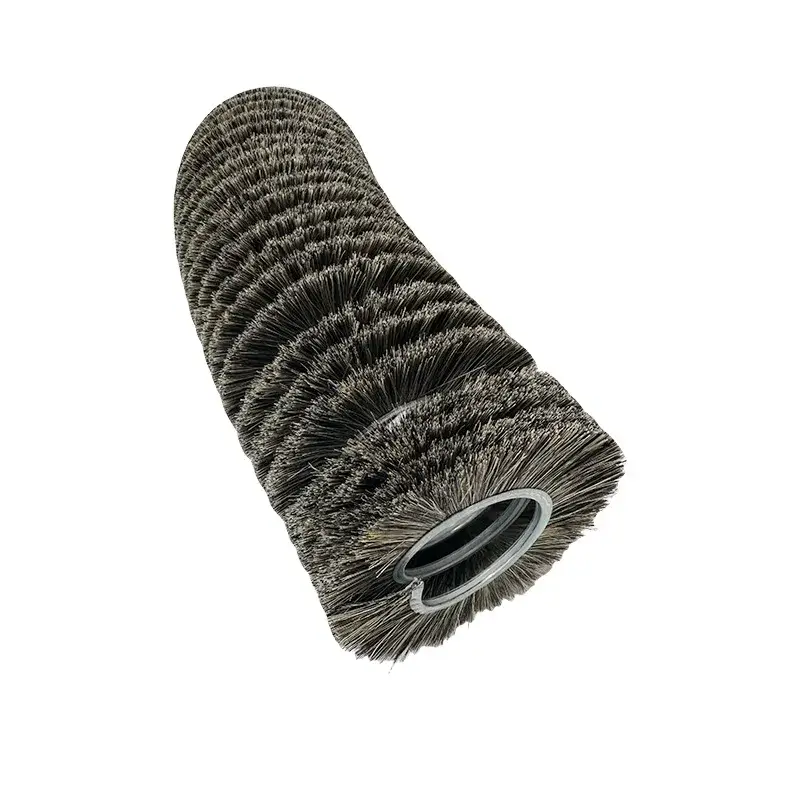
Nylon bristles meet all these requirements. Unlike natural bristles, which swell and weaken in wet environments, or steel wire without corrosion protection, which corrodes in wet environments, nylon remains constant in performance irrespective of the chemical environment. This property makes nylon coil brushes particularly useful as a coil cleaning brush in HVAC systems, heat exchangers, and fluid-handling equipment where brushes are regularly in contact with moisture and cleaning agents.
Abrasive Nylon for Tougher Jobs
Regular nylon is perfect for light cleaning and polishing; however, some applications require a bit more bite. Abrasive-impregnated nylon filaments, embedded with silicon carbide or aluminum oxide grit, bring controlled cutting action while still protecting the base material. This option, therefore, bridges the wide gap between the gentle nylon and the aggressive wire brushes.
Typical applications of abrasive nylon coil brushes are:
- Deburring cross-drilled holes in hydraulic manifolds
- Honing cylinder bore surfaces before coating
- Removing light scale from stainless steel tubing
- Surface preparation for adhesive bonding
Flexibility Across Winding Configurations
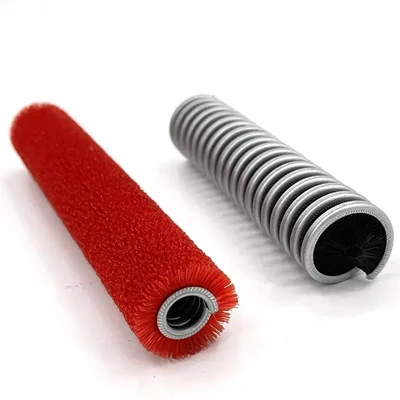
One major advantage of coil brush design is its adaptability to different winding types. Nylon filaments work equally well in both inward- and outward-facing configurations, which further broadens their scope of applications.
An inside coil brush wraps with nylon filaments that clean pipe interiors, cylinder bores, and tube assemblies gently and effectively.
On the other hand, an outside coil brush wraps around shafts, rollers, and external surfaces to do conveyor cleaning, wire finishing, and roller maintenance.
For a detailed breakdown of how winding direction affects performance, check out the guide on nylon coil brush winding types outside vs inside — it explains everything you need to know to match the right configuration to each application.
Long Service Life and Lower Total Cost
Filament Memory and Fatigue Resistance
Nylon filaments have a high resistance to fatigue compared to most natural alternatives. They bend, flex, and recover their original position cycle after cycle, which is commonly referred to as filament memory. This property of resilience will result directly in longer brush life, fewer replacements, and lower consumable spending over time.
How Nylon Extends Brush Lifespan
- Abrasion resistance: Nylon wears slowly even under continuous rotation.
- Elastic recovery: The filaments spring back rather than taking a permanent set.
- Corrosion immunity: No rust, no degradation from cleaning chemicals.
For high-volume production environments that run brushes across multiple shifts, these properties add up to meaningful cost savings by the end of each quarter.
Practical Selection Considerations
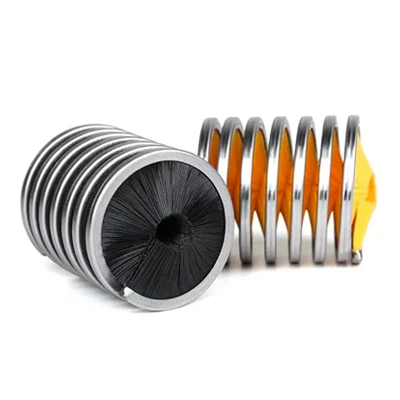
Choosing the correct nylon coil brush is more than just selecting a diameter. Filament thickness, trim length, and grit level (if abrasive) and coil pitch all influence the cleaning performance.
Procurement teams that match these to their actual operating conditions get significantly better results and longer brush life. For a step-by-step walkthrough, mastering how to choose nylon coil brushes ensures your operational requirements are met with precision.
Conclusion
Nylon coil brushes have a rare combination of gentleness, surface treatment, and chemical resistance, as well as long life, and thus have found application in a wide range of industries. They protect sensitive surfaces, resist harsh environments, and can be used for internal as well as external cleaning tasks due to flexible winding configurations. For any operation that cares about surface quality and cost efficiency — nylon coil brushes are one of the most reliable, versatile tools around.
FAQ
Can nylon coil brushes handle the requirements of cleaning at food grades?
Yes. Nylon is one of the FDA-compliant materials. In many food processing plants, nylon coil brushes are used for cleaning equipment in applications where hygiene and non-contamination play a critical role.
What filament diameter is most suitable for general deburring?
For most general deburring tasks, a filament diameter of between 0.50 mm and 1.00 mm balances flexibility and cutting action on metal edges.
How do nylon coil brushes perform in automated production lines?
They do so very well. Nylon filaments keep constant pressure and form at low to medium RPMs, which makes them a reliable choice for CNC and robotic brush stations.