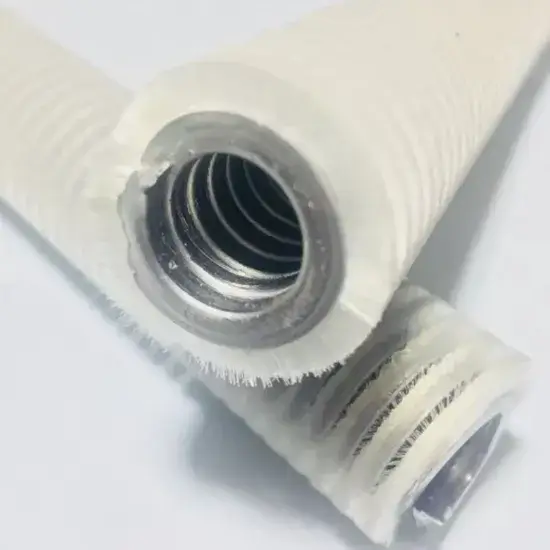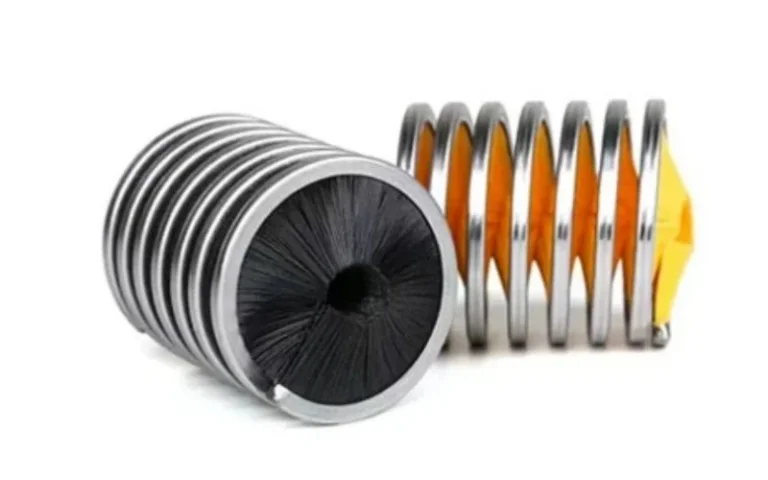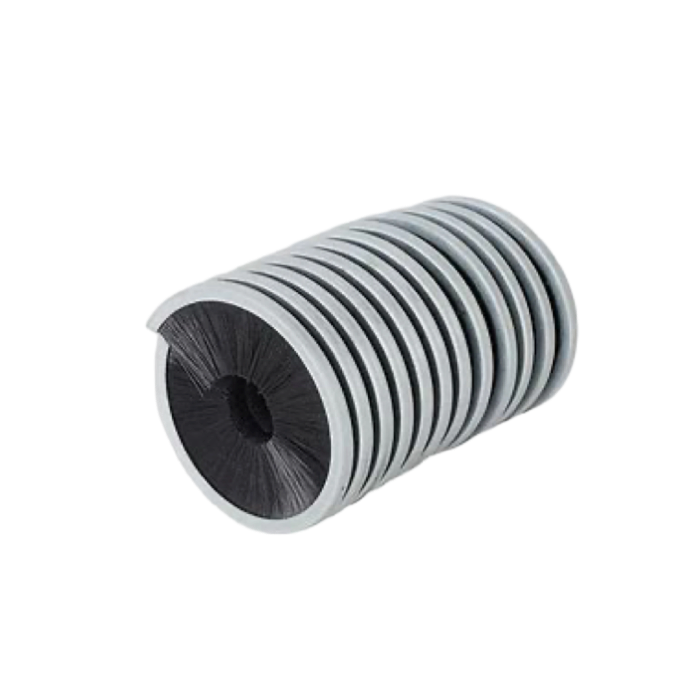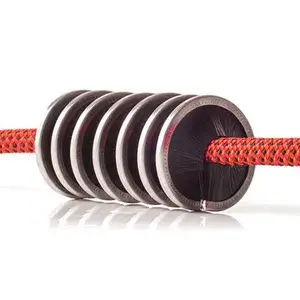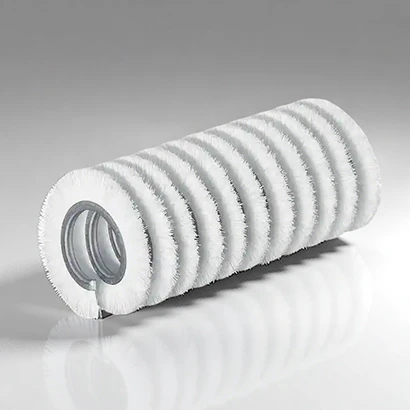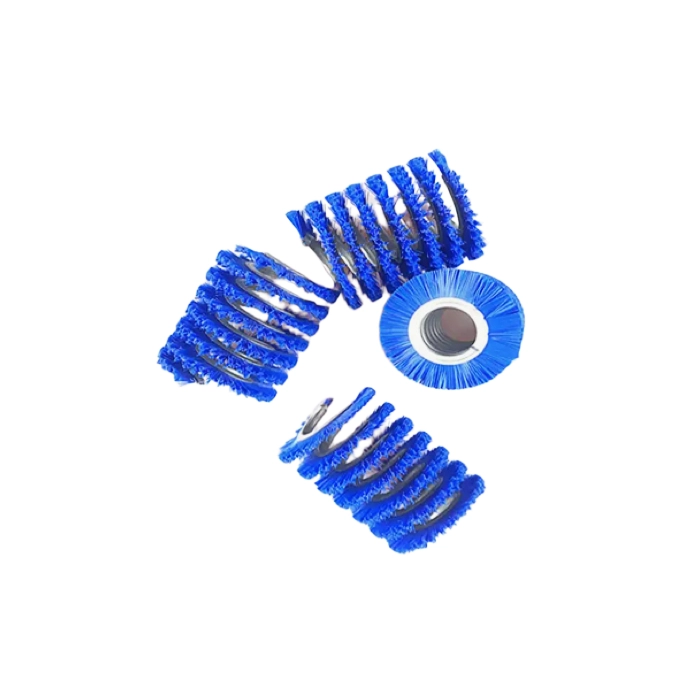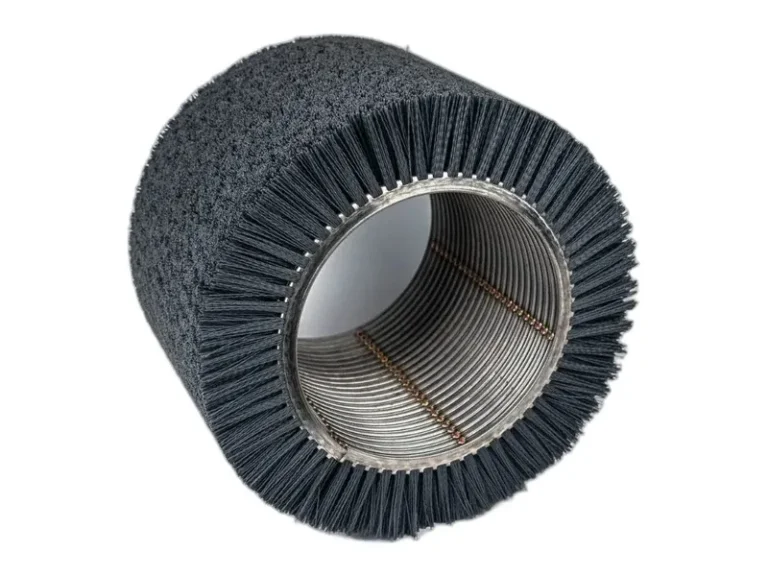
Each type of nylon coil brush has a different performance in a given application. The stiffness of the filament, the direction of the coil, the material the core is made of, and the dimensions of the brush itself all play a role in determining how well the brush will remove, seal, or finish a surface. All industrial buyers should have an understanding of these variables before placing an order for any type of nylon coil brush. A proper understanding of these variables eliminates the possibility of ordering the wrong brush and incurring wasted expenditure and downtime.
This guide includes criteria for selecting federally defined, industrial brushes in a regular or made-to-order configuration; all criteria should be primary considerations when determining the correct nylon coil brush. If you’re new to this type of product, you should start by understanding what nylon coil brushes are and how they’re made.
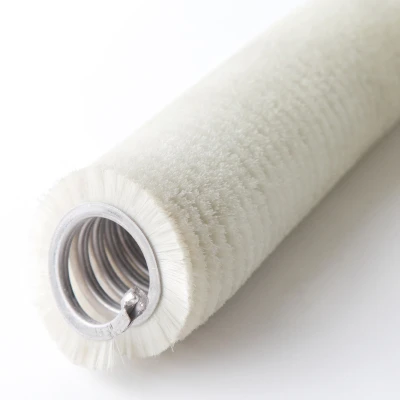
Assess the Usage
Why the Brush Application Determines the Right Specification
When assessing any technical specifications, the first question should be: What will the brush be used for? Coil cleaning brushes that are used for removing debris from conveyor belts will operate under very different conditions than those meant for internal bore finishing. The surface of the material to be brushed, the contact pressure between the brush and the appropriate speed, and the working environment will all influence the best shape for the brush to be made. Ignoring this step can result in a brush that fails early or does not meet expectations, which is one of the biggest reasons buyers are unable to use a brush that was purchased as intended.
Common Applications and the Value of a Clear Task Definition
Common applications include:
- Removing dirt and dust from either flat or round work
- Cleaning the interior of pipes and tubes (requiring an inside coil brush)
- Lightly deburring the surface of machined parts
- Sealing and guiding products on conveyorized production lines
- Washing produce and adding food safety to washed produce
A clear task definition serves to limit the options available and simplify future decisions.
Selection Criteria
Filament Stiffness and Type of Material
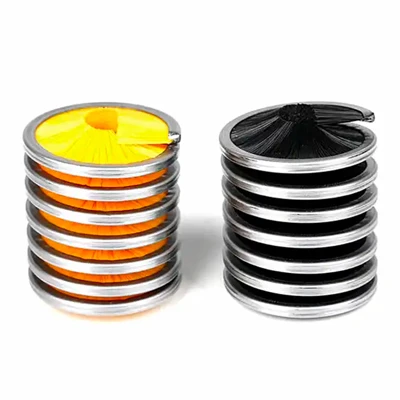
The two most common types of filament materials used in manufacturing coil brushes are nylon and polypropylene. There is a wide variety of diameters and compositions available within nylon, where it is widely considered the most versatile of all filament materials used to create coil brushes; fine diameter nylon filaments are used for polishing and light cleaning, while thicker diameter nylon filaments are often used for scrubbing and deburring. The second most widely used filament material is polypropylene, which is generally less durable than nylon, although it may be preferable to use for certain applications on some rare occasions.
Polypropylene filament brushes are often used because they require no additional abrasive material since the abrasive elements have been directly embedded into the filament during the manufacturing process. For general-use applications, a nylon spiral brush with medium to coarse diameter filaments generally works well for most cleaning tasks; however, based on testing results and surface feedback, adjustments may need to be made.
Core Material — Galvanized Steel Versus Stainless Steel Cores
The core wire provides support for the entire coil brush and determines how it will behave mechanically. Two choices dominate the marketplace:
| Feature | Galvanized Steel Core | Stainless Steel Core |
| Corrosive Resistance | Moderate | High |
| Price | Lower | Higher |
| Strength | Acceptable for dry or slightly humid conditions | Excellent for wet, chemical, and food processing |
| Long Life | Long life in suitable conditions | Long life in a wider range of conditions |
An inverted nylon coil brush with a galvanised steel core is a strong solution for surface cleaning, providing a sealing, light deburring on cylindrical workpieces or on conveyorized lines. A galvanised steel core provides solid rigidity and competitive cost, while durable nylon bristles provide consistent contact pressure throughout the life of the brush. For harsher chemical or higher moisture environments, stainless steel is a more appropriate material.
Coil Orientation — Inside versus Outside
This is probably the most unrecognized of the brush details, yet it is extremely important to your selection process.
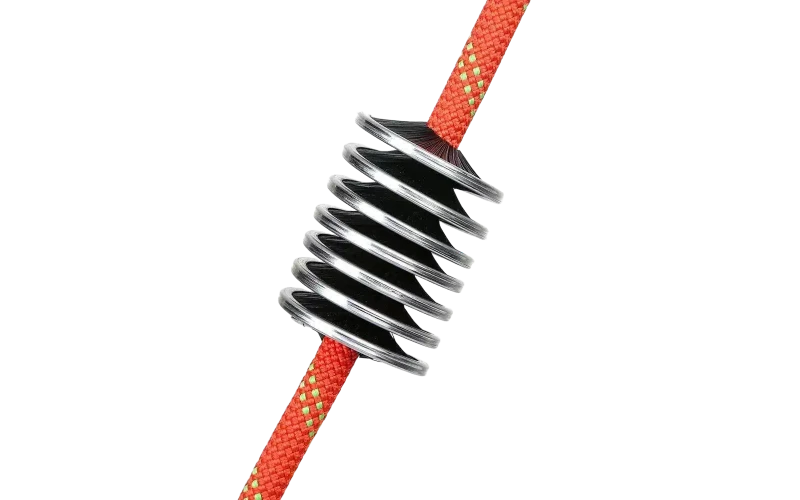
- Inside Coil — with bristles pointing toward centre (inward); used for cleaning the inside surfaces of tubes, bores, or cylinders.
- Outside Coil — with bristles pointing outward; intended for external surface cleaning, conveyor cleaning, and roller-type applications.
When it comes to types of brush coils, inside coil brushes are used primarily for jobs that involve internal piping/bores. Conversely, outside coil brushes generally work better for around the shaft or mounting in conveyor belts. Many people mistakenly order them wrong, so double-check yours before you finalize any specifications.
Brush Dimensions
Three dimensions are important when looking at brush sizes:
(1) Diameter; (2) Core wire Diameter; and (3) Usable Length of Brush.
- The diameter of the brush must match the size of the target surface or bore, and consideration must be given to the amount of interference. Therefore, the outside diameter (OD) of the brush must match the size of the surface you intend to coat, and it will require the proper amount of interference.
- The inside diameter (ID) or core wire diameter of the brush will affect how flexible the brush is or how compatible it is with the mount you want to use.
- The length of the brush will dictate how much of the surface area will be covered per pass.
- If the brush is too big, you will create too much pressure, which will cause premature wear.
- If the brush is too small, you will leave gaps in your surface area that will remain uncoated. The measurement of the target area must be precise.
Ordering Checklist
To facilitate ordering/quoting, buyers should gather these pieces of information and have them ready:
- Target application and substrate material
- Coil direction (inside, outside)
- Brush OD, ID, and Usable Length
- Required filament type, size, and grit
- Core material (galvanized or stainless steel)
- Operating conditions (temperature range, wet or dry)
- Mounting method and shaft/arbor specifications
All of the above should be prepared prior to contacting a supplier to minimize lead time and revision cycles. When it is not possible to use a standard size coil brush because of non-standard bore sizes, temperatures, and/or filament density, a custom coil brush manufacturer will help ensure that you get the right product with your specific application without having to use a catalog brush as a compromise.
FAQ
Q: Are coil brushes available for special diameter lengths?
A: Yes, quality manufacturers offer custom-sized coil brushes with adjustable OD, length, filament types, and core materials based on your specific application needs.
Q: What type of lead time can I expect when ordering nylon coil brushes in bulk?
A: Standard configurations typically ship within 2–4 weeks. Custom orders may take longer than 4 weeks before shipping.
Q: Are nylon coil brushes appropriate for cleaning food processing conveyors?
A: Yes, nylon coil brushes can be made with FDA‑compliant filaments and cores, making them effective for sanitation on food‑grade conveyor systems.