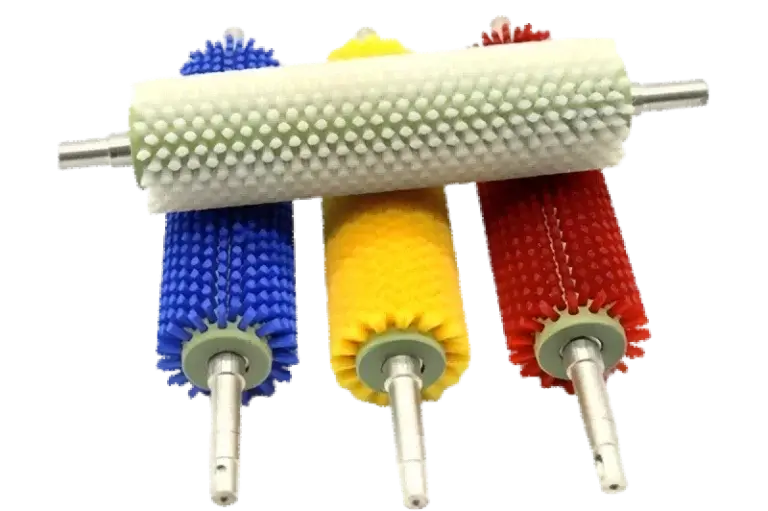
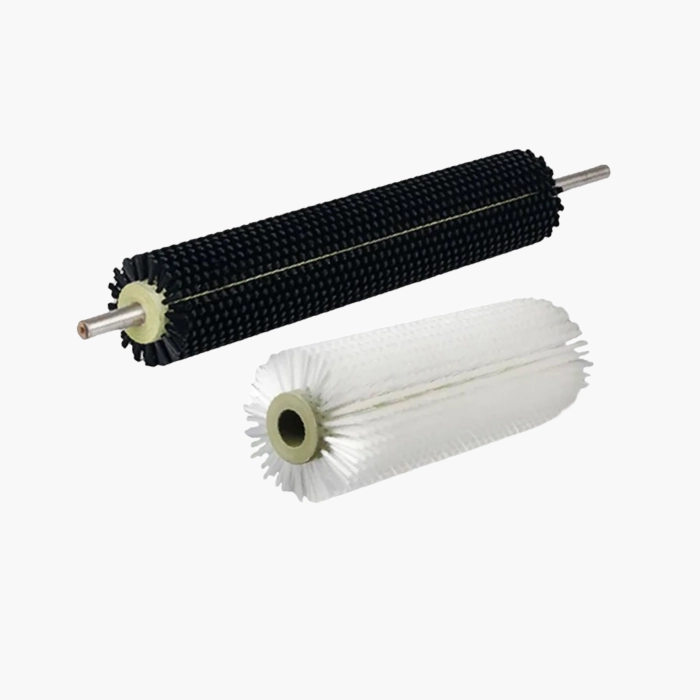
Golf ball washer brushes should remove mud, grass stains, and dirt in seconds. Standard versions often do not. A custom brush matches the washer’s exact specifications, correcting common faults such as bristles that are too stiff or too soft, an ill-fitting size, thin coverage, and premature wear. The sections below look at each issue and explain how a tailored brush resolves it.
Why Standard Brushes Slow Down Golf Ball Cleaning
Standard brushes follow broad size and bristle guidelines, so they fit many machines without fitting any of them especially well. A brush built for one machine can cut cleaning time, prevent scratching, and last longer. The four causes below point to design flaws that a custom brush can fix.
1. The Wrong Bristle Hardness Can Scratch the Ball
Hard bristles can wear away the ball’s coating. Brushes that are too soft may leave stubborn dirt behind.
Choose Soft Nylon for Safer Cleaning
Soft nylon filaments flex as they clean, lifting embedded dirt without roughing up the ball’s surface. That balance explains why most golf ball washer manufacturers use nylon cylinder brushes.
Matching Hardness to Ball Type
Premium balls with urethane covers need gentler cleaning than Surlyn range balls. A custom washer brush lets operators select the filament diameter and stiffness for the balls they handle most often.
How Stiff Bristles Damage Surfaces
Repeated use can scratch away paint and nick the edges, especially with wire brushes or other stiff bristles. The risk stands out on courses that clean premium balls after every round, where softer, carefully selected filaments help protect the surface.
2. A Poor Fit Leaves Dirt Behind
A brush that is too small leaves gaps inside the washer chamber. Dirt settles in those spaces, while parts of the balls remain dirty because the brush cannot reach them properly.
The Right Diameter Covers the Whole Ball
Washer chambers come in different diameters. The right brush fills the chamber properly, allowing its bristles to clean the entire ball as it rotates instead of leaving dirt tucked away in unreachable spots.
Optimizing Nylon Cylinder Brush Length
The brush must be long enough and have the proper diameter. A brush that is too short leaves part of the ball untouched, while the right length keeps the nylon cylinder brush in contact from entry through exit for a complete clean.
Why Standard Sizes Miss Spots
Standard brushes typically come in fixed 50 mm size steps. If the washer chamber falls between two sizes, operators must choose one that does not fit properly—either too tight or too loose. Cleaning suffers, and uneven wear can worsen.
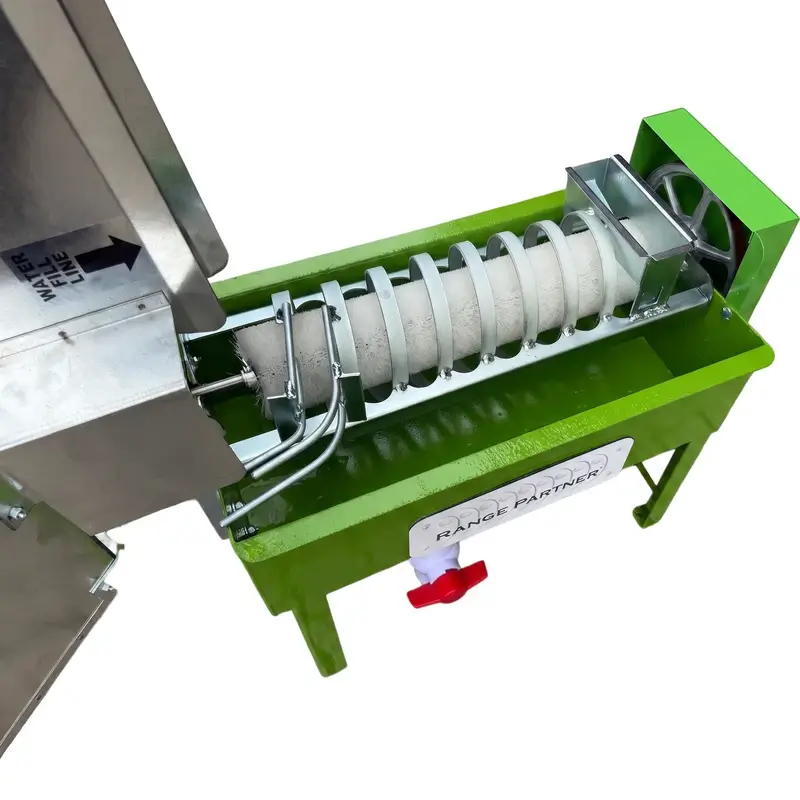
3. Low Density Slows Cleaning
When fewer bristles contact the ball on each rotation, the brush cleans less surface at a time. More rotations are needed, so cleaning takes longer and throughput drops.
High-Density Nylon Tufted Cylinder Brush Benefits
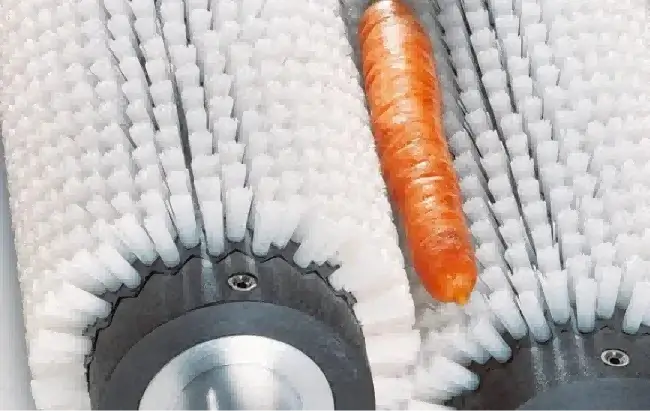
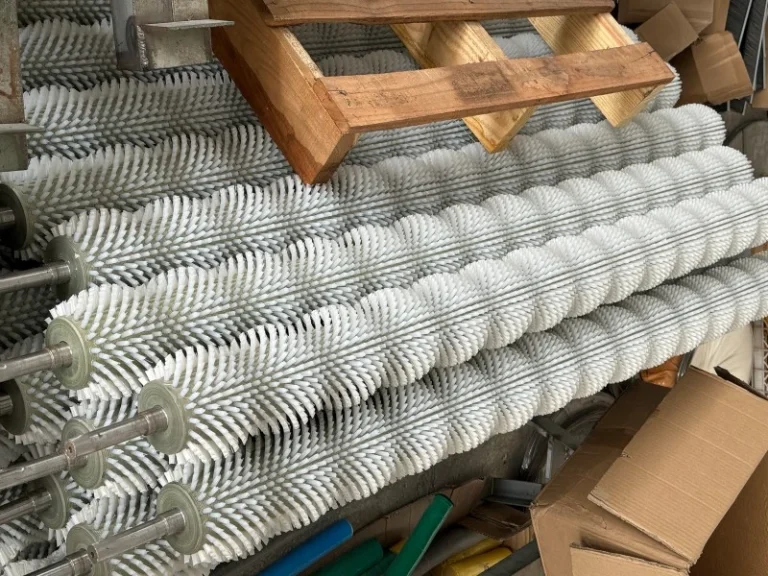
Compared with wound or strip-style brushes, a nylon tufted cylinder brush packs more bristle clusters into each square centimeter. Greater surface contact removes dirt faster and cuts cleaning time, helping operators handle high daily volumes.
[H3] Spiral Pattern for Better Dirt Removal
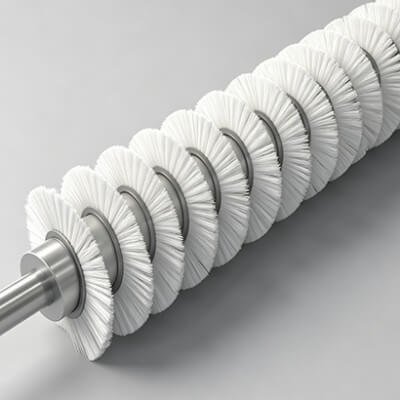
A spiral pattern carries water and debris toward the drain instead of sending them around the chamber. Surfaces rinse more efficiently, and loosened dirt is less likely to settle on areas that are already clean.
Adjusting Density for Faster Turnaround
Some facilities wash hundreds of golf balls per hour. Increasing tuft density by just 15–20% can cut cleaning time noticeably. Custom specifications let operators choose a density that fits their required throughput.
4. Standard Brushes Wear Out Too Fast
Frequent brush replacement raises costs and brings work to a halt. The right bristle material and brush construction can make each brush last much longer.
PA6 vs PA66 for Durability
PA66 remains stiff even after extended exposure to water, making it a better choice for busy courses and driving ranges.
How to Extend a Cylinder Rotary Brush’s Service Life
A brush cylinder that spins continuously needs filaments capable of recovering from constant bending. PA66 nylon resists fatigue better than PA6, so its bristles hold their cleaning angle through more cycles before flattening.
How Custom Roller Brush Design Reduces Replacement Costs
A roller brush designed for a specific washer unit makes full, even contact with the chamber, which helps it wear at a steadier rate. Generic brushes may fit unevenly; sections then take more friction than others, leading to earlier replacement and higher long-term costs.
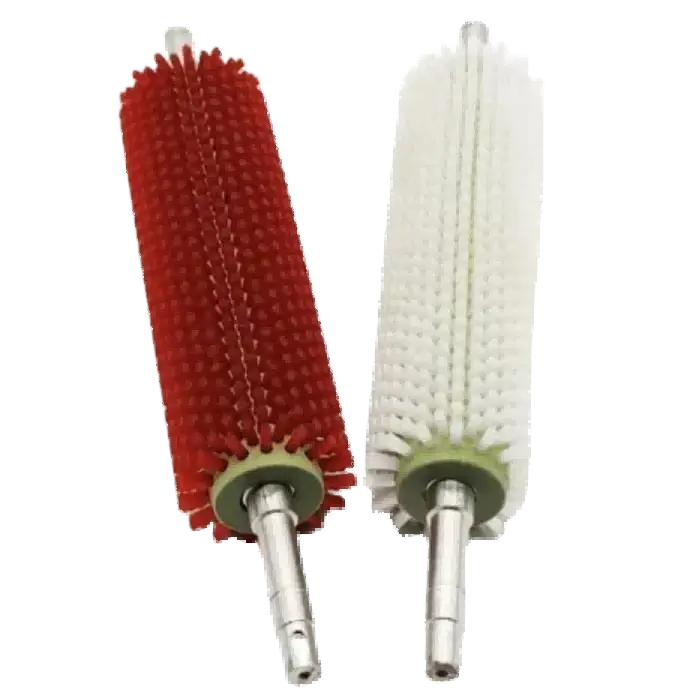
Custom Roller Brush vs. Off-the-Shelf: Which Cleans Golf Balls Better?
Side-by-side testing consistently shows that custom brushes perform better on the results commercial operators value most:
Cleaning consistency — A custom fit covers the full surface, so fewer spots remain.
Surface safety — Matching filament hardness to the material helps avoid scratches.
Faster cleaning — The right density shortens each cycle.
Longer service life — Suitable material and even wear extend the time between replacements
In a busy facility, the right brush can pay for itself quickly: it lasts longer and moves balls through the washer faster. A manufacturer that adjusts the filament and tuft pattern to fit the machine helps operators get consistent cleaning without driving up costs.
FAQs
Q1: How long does a custom golf ball washer brush order usually take?
Custom brushes typically ship within 10–15 business days. Timing may vary if materials are limited, the design is more involved, or the order is large.
Q2: Will one brush design work with multiple golf ball washer models?
Generally, no. Chamber length and diameter differ between washers, so the brush needs to match the particular model for effective cleaning.
Q3: When should operators replace brushes in golf ball washers that handle heavy use?
In high-traffic facilities, brushes are typically replaced every 6–12 months. PA66 nylon versions can often last close to a year.