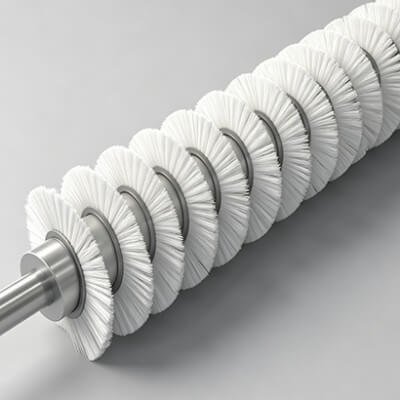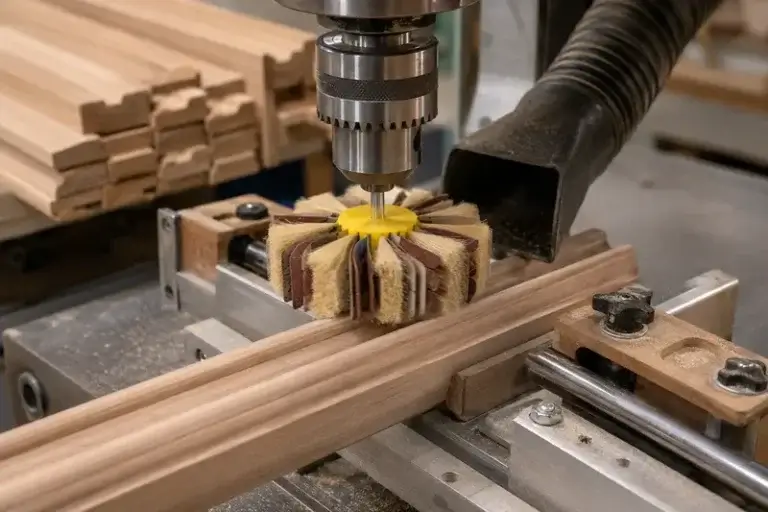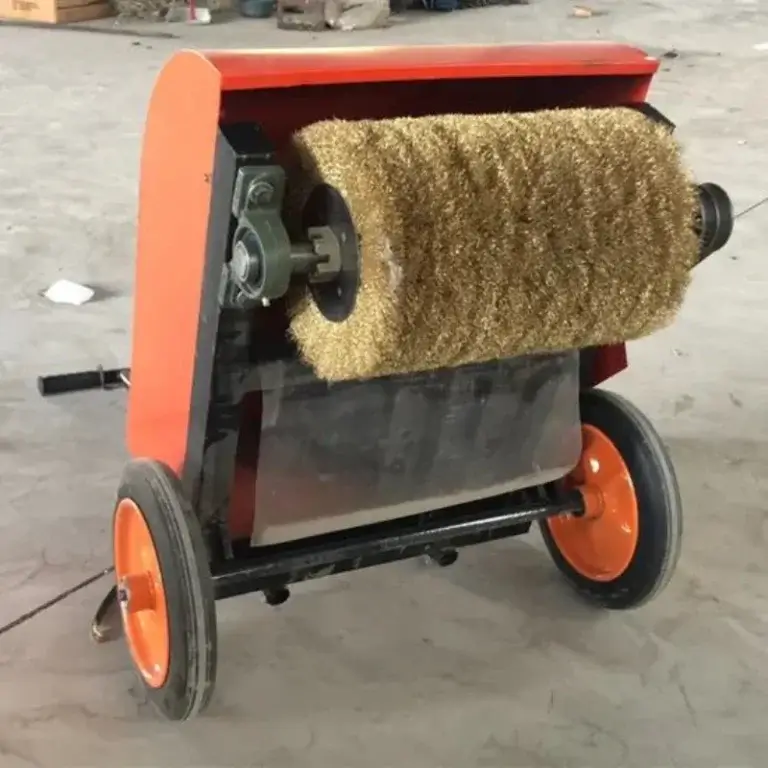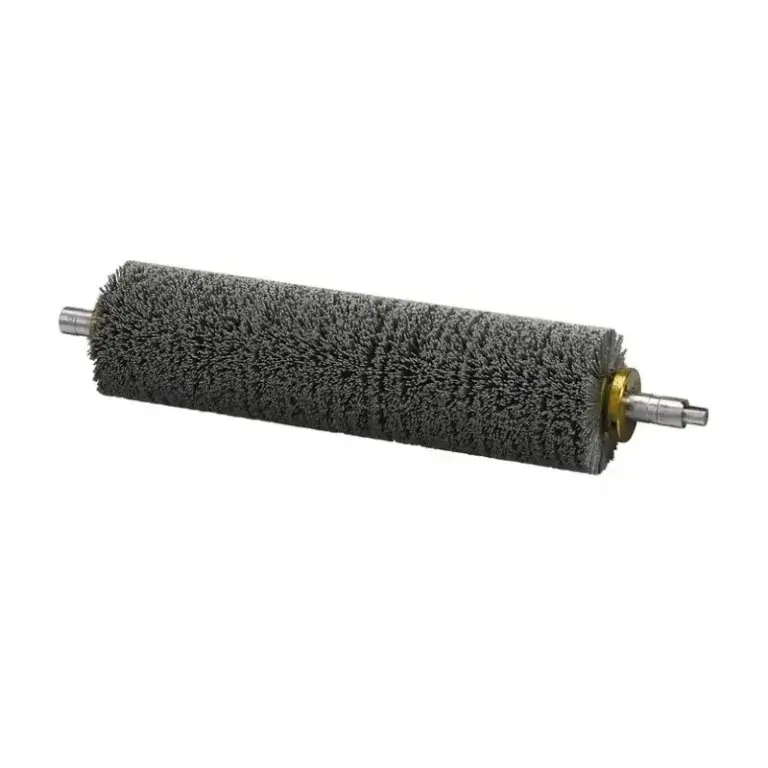
Global manufacturing plants utilize specialized cleaning/processing equipment to achieve maximum product quality and operational efficiency. The wound cylinder brush is one of the most adaptable forms of cleaning/processing equipment available today. Understanding the various industries that utilize wound cylinder brushes allows purchasing departments to make informed decisions about the equipment they will purchase.
Due to the design of these brushes as helical-wound constructions, they offer uninterrupted contact surfaces that perform exceptionally well in applications where uniformity of pressure distribution is relevant. By using the proper brush design, you can turn difficult industrial processes into dependable, repeatable processes, such as lightly handling textiles or heavily preparing surfaces for further operations.
1. Textile Processing and Fabric Finishing
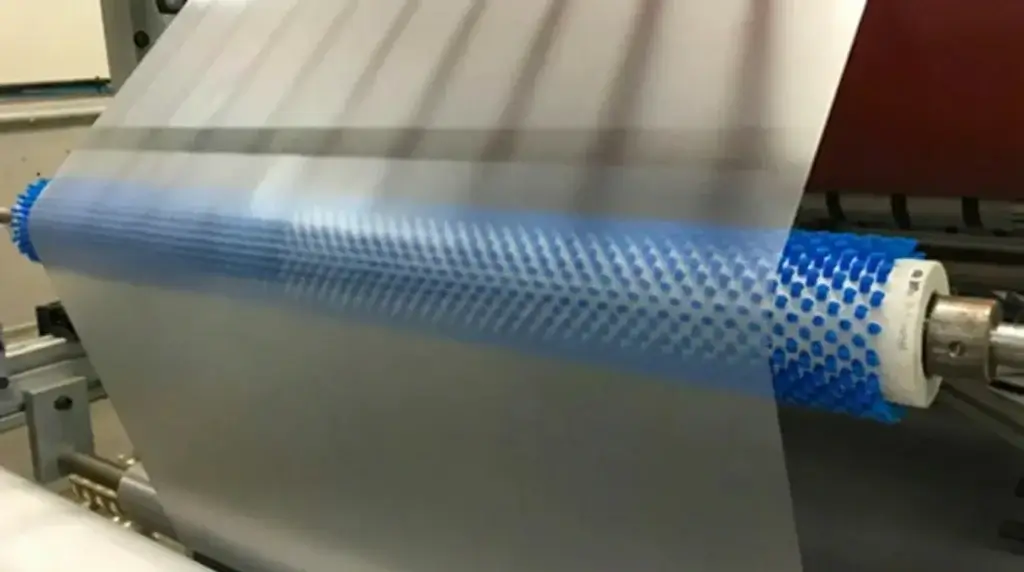
When you manufacture textiles, you need highly accurate equipment capable of processing delicate materials without damaging them; therefore, the typWhen you manufacture textiles, you need highly accurate equipment capable of processing delicate materials without damaging them; therefore, the typical use for a textile processing brush is to provide many of the necessary functions required during each stage of manufacturing – from the first stages of preparing fibers to the final stages of finishing.
A vital step in the finishing process of fabric is the removal of loose fibers, lint, and surface irregularities that negatively impact the appearance and quality of textiles. This is accomplished using a brush mounted on a cylinder, which lifts fibers off the surface without damaging the integrity of the fabric. The result of this operation creates the smooth, uniform finish that consumers expect from quality textiles.
Key Uses for Textiles
Raising/Napping: Flannel, fleece, or fabrics that have been napped for a pleasant soft touch with a fuzzy texture.
Lifting Lint: Removing lint from fabric before dyeing or printing.
Preparing the Fabric: Preparation at this stage will provide for the next stage in the process.
Pile brushing: Aligning and grooming carpet and upholstery materials.
Bristle Material Selection for Textile Applications
Choosing the right bristle material for textile use is critical for achieving desired results. Natural fiber bristles such as horsehair or tampico will gently work on more delicate fabrics; however, synthetic nylon bristles will give you the durability you need to work with heavier-weight fabrics. The brush density and bristle trim length must be suitable to the fabric weight and desired finish for the end product.
Multiple Brush Arrangements for Continuous Processing
When it comes to processing textiles today, many modern manufacturers use multiple twisted cylindrical-shaped brushes that are arranged in a series, dedicated to processing at different points of production within the supply chain. This type of process helps ensure each stage of processing has consistent quality, as well as helping to maximize production accordingly.
2. Glass Washing and Surface Cleaning
Cleaning glass products presents an interesting challenge due to their unique characteristics and cleaning challenges created by surface blemishes, unattended coating processes, and the formation of water stains. To help alleviate the difficulty of cleaning glass, glass company users can utilize specifically manufactured glass washing brushes to effectively clean their products.
As they go through the cleaning station, the brushes turn against the glass to clean contaminants from the glass surface using a combination of soft bristles and a liquid cleaning solution. The mechanical action of the brushes against the glass is much more effective than just using spray systems to clean off stubborn residue from the glass surface.

Application Type & Types of Brushes Used:
| Application Type | Types of Brushes Used | Key Action/Benefit |
| Flat Glass Cleaning | Soft Nylon Brush | Scratch-Free Clean |
| Container Cleaning | Polypropylene Brush | Chemical Resistant |
| Automotive Glass | Natural Fiber Brush | Gentle Polishing Action |
| Solar Panel Maintenance | Fine Nylon Brush | Preserves Coating Integrity |
In glass washing processes, it is important to take temperature into account because many processes utilize heated cleaning solutions to better remove contaminants; therefore, bristle materials must retain their characteristics at high temperatures. Polypropylene and some types of nylon can endure temperatures of 135 degrees Celsius or more without breaking down. The cleaning effectiveness is also affected by how the brush is mounted. For example, brushes mounted at an angle have more contact with the curved areas of the glass, and having multiple sets of brushes positioned across the width of the glass improves the cleaning process by allowing each area to be covered completely.
3. Food Processing and Vegetable Cleaning
Food safety regulations require strict cleaning guidelines at food processing facilities. A vegetable cleaning brush should clean all dirt, pesticide residue, and surface contaminants off the product without compromising or wasting any product. Root vegetables (such as potatoes, carrots, and beets) need to be aggressively cleaned to remove all soil; however, the brushing action must not cause damage to the skin of the product or create entry points for bacteria to enter. Therefore, cylinder brushes are designed so that the brush bristle stiffness and rotation speed are carefully selected to provide maximum cleaning efficiency while not damaging the product.
FDA-Compliant Materials and Sanitization Durability
In food processing applications, it’s important for materials to be compliant with FDA regulations when it comes to the prevention of bacterial growth and having the ability to withstand many cycles of sanitization. The brushes must be able to endure hot water washes, chemical sanitizers, and possibly steam cleaning without degrading bristles or creating any chance of contamination.
Color-Coded Bristles for Cross-Contamination Prevention
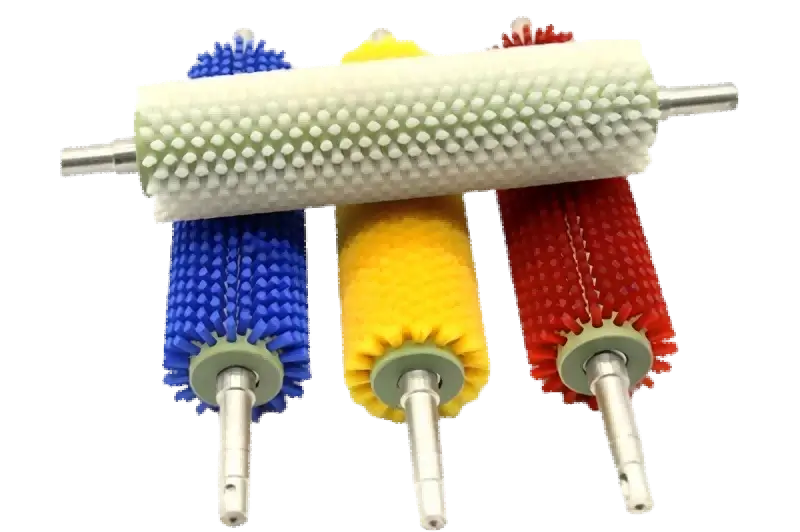
Bristles are color-coded to help facilitate cross-contamination avoidance between product lines. When inspecting, the use of white bristles provides visibility of contamination. Additionally, bristles will identify (by color) a particular processing area or type of product. This is a very effective method at reducing the risk to food safety within a multi-product facility.

Brush Density and Product Handling
Brush density impacts not only the effectiveness of cleaning but also how a product is handled. Higher densities provide a more aggressive clean, but they will also create more friction with greater risk of damaging the goods being processed. Conversely, lower densities will provide a gentler cleaning action that is more suitable for soft produce such as tomatoes or soft fruits.
4. Conveyor Belt Cleaning and Maintenance
Material handling systems, including conveyor belts, will collect debris, product residue, and contaminants. All of these contribute to an overall loss of operating efficiency, while also increasing safety risks. A conveyor belt cleaning brush is designed to keep the material handling system clean by continuously removing accumulated materials from the conveyor belt surface.
Typically, these brushes mount below the return belt sections, with the rotating bristles sweeping debris off the surface of the belt prior to returning to the loading zone. By mounting the brushes in this position, it helps to prevent contamination transfer and minimizes buildup of material on pulleys and rollers.
Industry-Specific Conveyor Cleaning Requirements
There are different types of conveyor applications, each with different cleaning requirements:
Food processing conveyor systems: Require sanitary design with food-grade compliant materials as per the FDA.
Mining and Aggregate systems: Require more aggressive bristles used to remove more substantial debris.
Package handling belts: Demand gentle cleaning to avoid product damage.
Impact of Brush Rotation Direction on Cleaning Performance
The orientation of the brushes and the direction in which they rotate are both key factors when it comes to effective cleaning. The counter-rotating action of the brushes against the belt travel direction will create the most aggressive form of cleaning, while the brushes that rotate in the same direction as the belt are better suited for cleaning more delicate surfaces.
5. SH2: Surface Finishing and Deburring
Burrs, sharp edges, and irregular surfaces are common occurrences in the metal fabrication and manufacturing process. These surface imperfections need to be removed from the components before they can move on to the next step of processing. Abrasive filaments or wire bristles on cylinder brushes are very effective when used to perform the surface finishing operation.
The brushes will smooth out any protrusions and produce uniformly finished surfaces without altering the overall dimensions of the base material for a more aesthetically appealing end result than if having been ground or sanded.
Finishing Applications by Industry
Automotive Parts: Edge breaking and surface prep before finishing.
Aerospace Parts: Deburring closely toleranced precision machined components.
Medical Devices: Producing a smooth and biocompatible surface finish.
Electronics manufacturing: Cleaning circuit boards and removing flux residues.
Brush Material and Filament Types
There are both hard (stainless-steel) and soft (brass) wire brush bristles for many types of applications, which include deburring and polishing. Nylon filament bristle materials are saturated with either silicon carbide or aluminum oxide and can be used for various automated finishing systems and provide controlled material removal rates.
Key Variables Affecting Finishing Results
Finishing results can be affected by brush speed, brush pressure, and the brushes’ contact angle. Finishing systems usually have multiple brushes rotating at different speeds in order to produce multiple types of surface finishes with a single pass.
Selecting the Right Brush Configuration
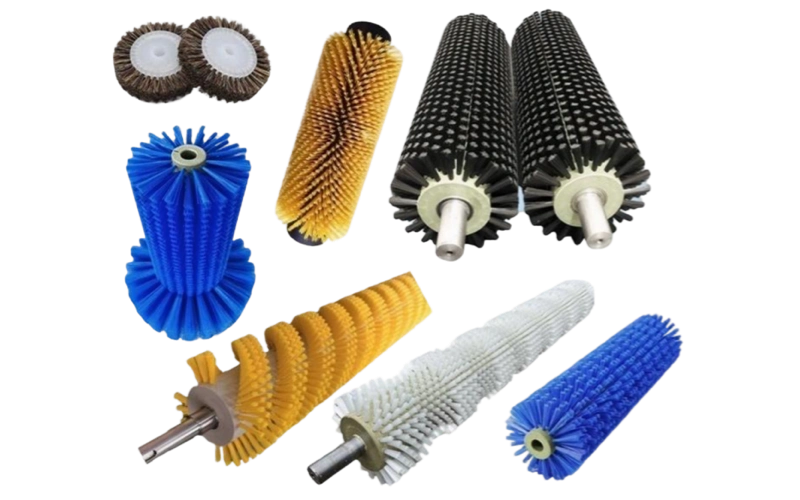
When trying to select the correct wound cylinder brush for your application, you will need to consider multiple technical aspects such as: how you want the material to be constructed, what type of bristles would work best together, and what size of brush fits into your specific workplace setup.
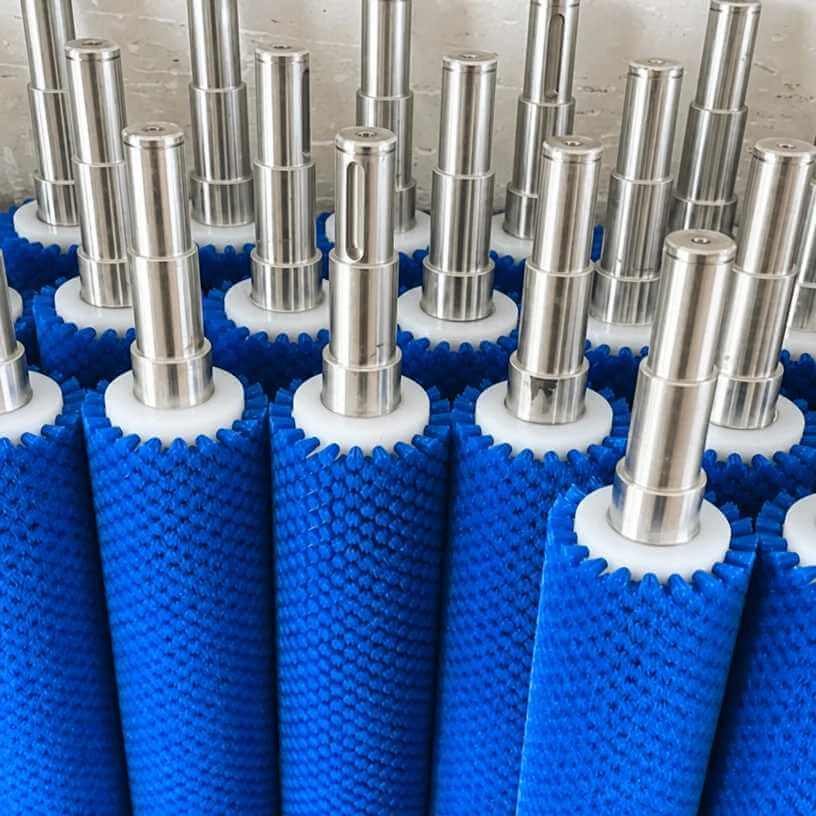
The selection of core materials plays a critical role in influencing the stiffness and corrosion resistance of a brush. Stainless steel cores will withstand the rigors of wet conditions, as well as be able to be used in food processing where high levels of hygiene are required. Aluminum cores are used primarily when weight needs to be reduced, like in applications requiring high speeds. The larger the core diameter, the stiffer the brush will be when it is under load.
To achieve an optimal balance between cleaning reach and cleaning flexibility, the length of bristle trim will dictate how flexible and/or aggressive (in terms of stiffness) the bristles are during cleaning. A longer bristle length gives you more ability to flex around irregular surfaces; however, longer bristles will not be as stiff as shorter ones when used for aggressive cleaning. Therefore, the ideal trim length will depend on the application’s overall cleaning requirements.
Final Thoughts
The adaptability of wound cylinder brushes through various industries demonstrates their effectiveness within manufacturing processes, as they can fulfill the requirements of many industrial processes by having the proper combination of bristle material, core design, and dimension. Wound cylinder brushes can work in a gentle manner to process fabrics up to highly aggressive manner to finish surfaces.
Achieving success with an implementation necessitates a thorough knowledge of both the requirements of the application as well as the properties of the brush used to provide maximum performance. Partnering with knowledgeable brush manufacturers can give you an advantage by providing technical resources and customized solutions when necessary to meet the challenges of your particular application.
Commonly Asked Questions
Is it possible to customize wound cylinder brushes for unique industrial uses?
Yes, there are a multitude of options available from the manufacturer in terms of customizing a fiber type and bristle configuration, from core material to core size, density, and trim length, to conform to various types of operation and equipment.
How long does it take to manufacture a custom cylinder brush?
Depending on your order’s complexity and the brush’s use, you usually receive your order two to four (2 – 4) weeks after receipt of your order. In general, manufacturers ship in three to five (3-5) business days for orders that fall within standard configurations/brushes and are in stock.
Where can I get help determining brush specifications?
Brush manufacturers are the most qualified individuals with whom to consult to establish the requirements of a specific brush for any application, as the manufacturers have experience creating brushes for specific applications using specific recommendations based on surface, suspended particle (contaminant), machine (operating speed), and environment(s).