
Choosing the appropriate brush configuration for a commercial cleaning operation is of utmost importance. A wound cylinder brush provides versatility in many different types of applications, including food processing plants and glass manufacturing plants; however, using incorrect specifications will also result in insufficiently cleaning, accelerated wear, or damaging fragile surfaces.
When choosing a wound cylinder brush, there are a number of technical factors that can affect how it performs. By understanding these different technical aspects, procurement professionals and maintenance managers can make better purchasing decisions, weighing the effectiveness of the brush’s cleaning ability versus any potential operational costs.
What is a wound cylinder brush?
A wound cylinder brush is a brush made of bristle material that has been wound into a helical configuration around a central core shaft. The way that this type of brush is constructed allows the bristles to be in continuous contact with whatever they are cleaning and therefore make them very good at cleaning cylindrical-shaped items, flat surfaces, and conveyor systems.
Depending on its intended usage, a steel, stainless steel, or aluminium material will typically be used for the core. Examples comprise stainless-steel cores (which are resistant to corrosion in wet environments), or aluminum (to provide lightweight components when used in high-speed environments). As with all other materials used in these applications, the individual strands of bristle will be tightly wrapped around their cores with a particular amount of spacing and density being specified by the manufacturer.
Key Selection Criteria
Bristle Material Selection
There are many factors that determine the effectiveness of cleaning, compatibility to the surface to be cleaned, and operational longevity of a brush all depend upon the bristle material. Depending on the application, bristle materials will vary based on their physical characteristics.
| Bristle Material | General Applications | Characteristics of Bristle Materials |
| Nylon | Cleaning, food processing | Chemical resistance, flexible, non-abrasive |
| Polypropylene | Wet applications, acids | Good chemical resistance, moisture resistant |
| Natural Fiber | Delicate surfaces, polishing | Softness, absorbency, biodegradable |
| Steel Wire | Removing heavy burrs, rust removal | High stiffness, aggressive for cleaning |
| Brass Wire | Static-sensitive areas, soft metal cleaning | Conductive, non-sparking, moderate stiffness |
Soft nylon or soft natural fiber bristles in glass cleaning brushes help to avoid any damage to the glass by preventing scratches and effectively removing any remaining residue. Stiffness of the bristles should correlate to the thickness of the glass and any coatings that might be on the glass so as not to cause damage to the surface of the glass.
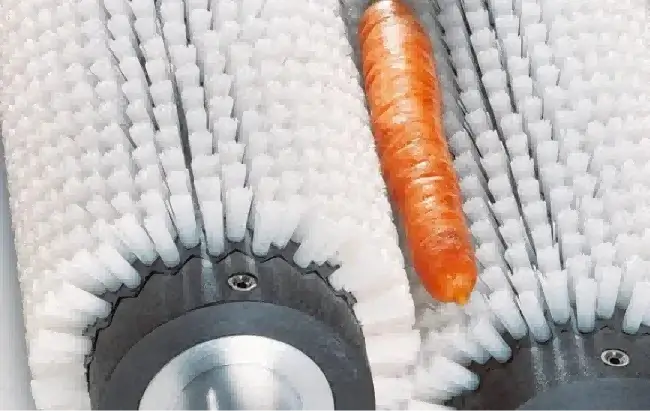
The typical bristles of vegetable cleaning brushes are made from materials such as nylon or polypropylene that can be cleaned frequently with either hot or cold water without the risk of bacteria growing on the brushes themselves. The materials will go through many cycles of washing before their original shape will change, and they are also very gentle on the outside skin of produce.
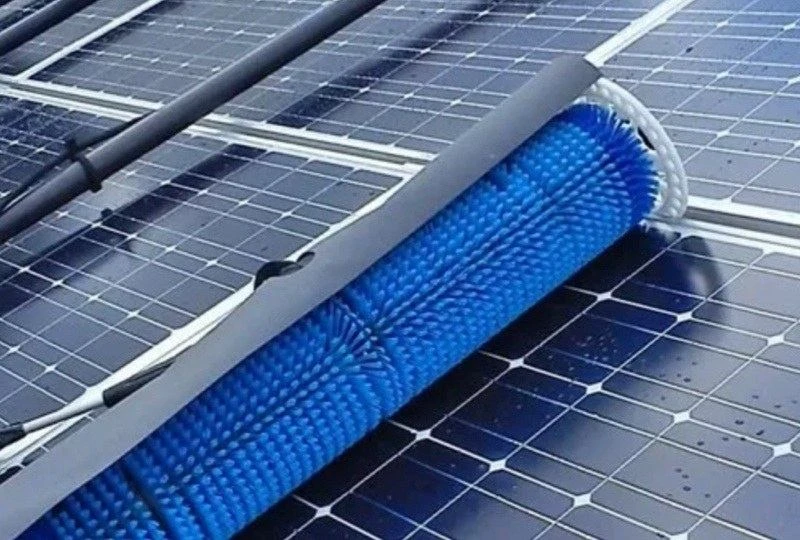
Solar panel cleaning brushes use soft, non-abrasive materials that will not scratch the surface of a module and are made of rounded-tip nylon bristles; therefore, they work perfectly by removing the dust and dirt from the surface of a module without affecting its efficiency.
Core Diameter and Length
The rigidity of a brush and its area of cover (which the brush’s bristles clean) are both influenced by the core’s dimensions. For example, brushes that have a larger diameter core will be stiffer and experience less flex when subjected to a load (like the pressure needed for washing). This is significant because if the brush bends when under high-pressure cleaning conditions, it may result in inconsistent cleaning.
When choosing brush length, consideration for cleaning width plus room for mounting hardware is important. Brush lengths typically range from 100mm to 3000mm; however, if you are using a custom-built piece of equipment or a non-standard size, the brush length should reflect that. Longer brushes may require support bearings (that can be intermediate) to prevent sagging while in use.
Bristle Density and Trim Length
How densely are the bristles packed around the core? A higher density means there’s an aggressive cleaning action due to friction and heat being generated. A lower density will be more suitable for delicate materials or when flexibility is needed for an application.
The length of a bristle trim will affect the reach and flexibility of the cleaning surface that can be used with that bristle. The longer a bristle’s trim, the more the bristles are able to manipulate themselves to fit an irregular surface; however, a long-bristle trim will result in less rigidity. A short-trimmed bristle will result in firmer contact for stubborn residue removal.
Medium density and moderate length trim are common for conveyor belt cleaning brushes. In order to balance out cleaning effectiveness with wear on the belt, brush bristle lengths can be adjusted to ensure that they reach inside of belt crevices, but, do not apply excessive pressure when reaching inside of belt crevices that can cause damage to the belt material.
Considerations Based on Application
Food Processing Applications
Due to the regulatory environment, food processing applications require FDA-approved materials that resist bacteria growth, and can withstand high temperature sanitizing. For example, brushes used to clean fruit must be able to remove soil, pesticide residues, and other contaminants, and not bruise or otherwise damage the delicate skin of the fruit.
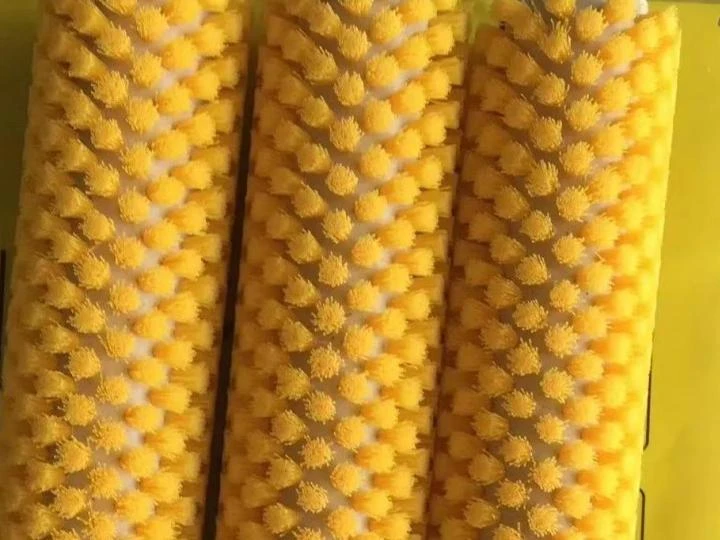
Using colors to code the bristles of brush used in manufacturing will help identify and prevent cross contamination between various processing areas. White or natural color bristles allow contamination to show up during inspections while colored bristle signify different product lines.
Industrial Cleaning Applications
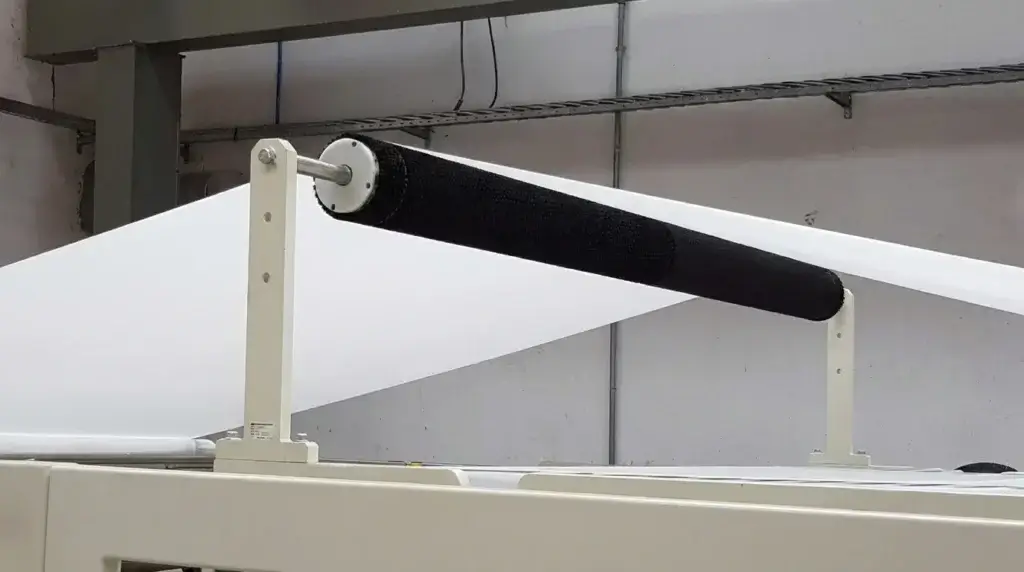
There are many diverse challenges that manufacturing environments present; and, as a result, there are many different ways to attack these challenges as they relate to specific types of brush configurations. For example, brushes used for cleaning textiles will be designed to further process textiles, to remove lint from fabrics, and to prepare a textile for finishing without snagging a soft fabric and ruining a textile.
When a brush’s bristles come into contact with any solvents, acids or alkaline solutions, chemical compatibility is extremely important. The chemical makeup of the bristles should match the chemical component you use as a cleaning solution to avoid premature failure. Polypropylene bristles hold up well to many chemical solutions; however, nylon will degrade in the presence of strong acids.
Speed and Temperature Ratings
Brushing speed is important in determining the wear pattern of the bristles and the amount of heat being generated. For high-speed applications, using stiff bristles will require securing the bristles in their core or adding additional mounting hardware.
When operating with a temperature rating, the bristle material should possess all its desired properties over the entire operating temperature range. Nylon bristles can generally cope with ambient temperatures of approximately 120°C before failing, while polypropylene can typically handle ambient temperatures of about 135°C before failing. Natural fibres have lower maximum ambient temperature tolerances than nylon and polypropylene; however, natural fibres are more effective at dissipating heat than other types of bristle materials. Steel wire handles the widest range of ambient and high/low temperature environments when used properly.
Factors Related to Proper Brush Mounting and Maintenance
The proper mounting of a brush will help to maintain both optimal performance and safe operation. Properly fitting the brush core onto the drive spindle with proper keying and/or set-screws will help to prevent the brush from turning on the spindle. Shaft diameter tolerances typically range from H7 to H9, depending on specific application requirements.
Frequent inspections can discover wear patterns that provide a clear indication of either misalignment or an excess of pressure being applied to the brush. If your brush has worn unevenly, it may be an indication of a mounting issue that can be fixed prior to replacing your brushes.
Good maintenance will prolong the life of your brushes and help you maintain a high level of cleaning performance. Brush replacement schedules are influenced by operating conditions; however, most industrial wound brushes should be replaced either once the bristle length is reduced by 50% or when the effectiveness of cleaning has noticeably diminished. Having spare brushes on hand will minimize downtime during scheduled maintenance periods.
Cost vs. Performance Balance
The cost of the initial brush is only a small portion of the total cost of ownership. Alternatives to the original design generally cost less; however, they often require more frequent replacement (thus resulting in higher total labor and downtime costs). Brushes that have better materials are typically associated with lower per-cleaning-hour costs, notwithstanding their initial cost.
When evaluating the total cost of ownership, the following items must be considered:
- Brush Purchasing Cost
- Expected Brush Lifespan
- Labor Cost Associated with Replacement of Brushes
- Impact of Downtime on Production
- Effective and Quality Cleaning
While custom manufactured brushes typically will have a higher price, their optimized design will result in better performance for a specific application. Conversely, a standard sized brush will generally have a lower cost and be more readily available, however, this may reduce the effectiveness of the cleaning process.
Final Thoughts
Finding the appropriate wound cylinder brush is a challenge as you must balance many different technical factors against user needs and budget constraints. The choice of bristle material, core construction, density specifications, and application specific requirements will all assist you in making informed decisions that will enable you to achieve optimal performance from your brushes.
Utilizing experienced brush manufacturers will provide you with the appropriate level of technical expertise or custom solutions for the application of your choice. Detailed specification sheets for each brush and testing of the application will ensure that the product you purchase meets or exceeds your expected level of performance prior to commencing with large-scale implementation.
Frequently Asked Questions
Is it possible to have a wound cylinder brush custom-made for a particular industry?
Yes, most manufacturers will make their products with custom-made bristles, spindle sizes, lengths, densities, and trim specifications to meet your exact needs and machine set-ups.
What is the minimum amount I can order when buying wholesale wound cylinder brushes?
The minimum order quantity will differ from manufacturer to manufacturer but is generally anywhere from 10 – 50 of each standard type. When ordering custom wound cylinder brushes that require special tooling or fittings, the minimum order quantity will usually be higher than if ordering a standard type.
How do I determine the correct bristle stiffness for my application?
Bristle stiffness can be determined by the following factors: surface hardness, type of residue, and amount of applied surface pressure that’s acceptable. Before production runs can be done, it’s important to test sample brushes on the material to verify they are compatible.