
Maintenance personnel recognize an established fact: oxidation that is not well-managed will significantly damage costly machinery and equipment. A high-performance rust remover brush is the perfect solution for preventing this damage and for returning metal surfaces to their original condition. Successful surface preparation depends on using the correct brush specifications based on the level of oxidation present. This document outlines the most important factors when evaluating filament type, construction design, and custom configurations to assist buying managers in making informed purchasing decisions.
The Mechanics of Mechanical Oxidation Removal
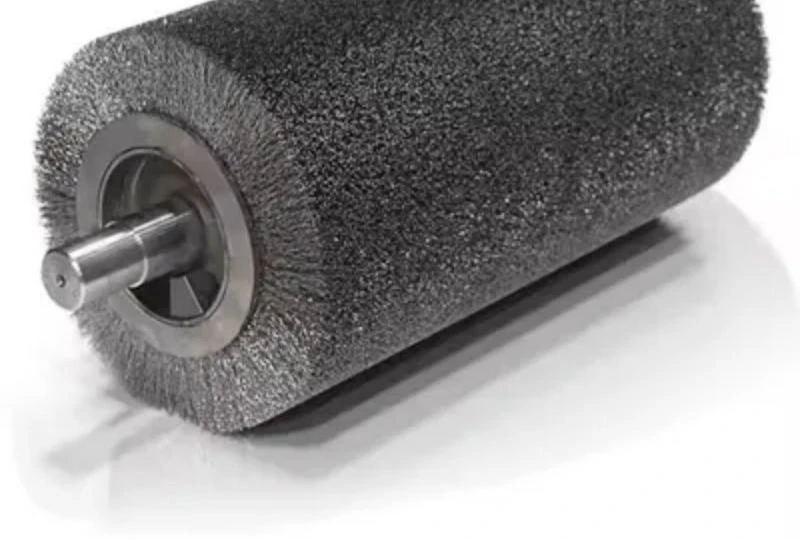
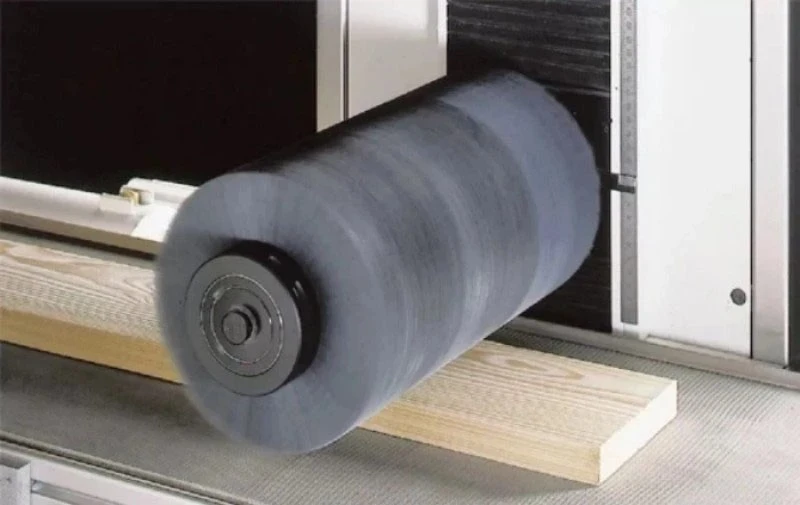
Before buying industrial surface treatment tools, buyers should completely evaluate their primary objective. Corrosion will need aggressive abrasion, stripping iron oxide while still keeping the base metal intact. Engineers should also completely understand rust remover brush function before upgrading their automated process. High-speed rotary action and heavy rigid metal fibers are very effective mechanical strippers. By impacting the oxidized surface, the tool will fracturize the rust layer and sweep the debris away in milliseconds.
Heavy-Duty Tool Specifications
To choose the right tool, we must separate the brush into two separate parts, the filament and the core.
Filament Composition and Aggressiveness
Success of the operation is determined by the working edge of the tool. Heavy-duty, carbon steel will give you the best cutting action when removing heavy scale and/or severely oxidized surfaces on cast iron or common steel parts. In contrast, using stainless steel filaments will prevent after-rust problems as well as cross-contamination when processing non-ferrous surfaces, such as aluminum and/or brass. It is important to remember that when you specify a reliable metal brush to remove rust, you will have to balance the stiffness of the filaments with their dynamic flexibility. If the filaments are too stiff, they will break prematurely under stress. If the filaments are too flexible, they will not have enough cutting power to penetrate the deep corrosion layers.
Structural Core and Fill Density
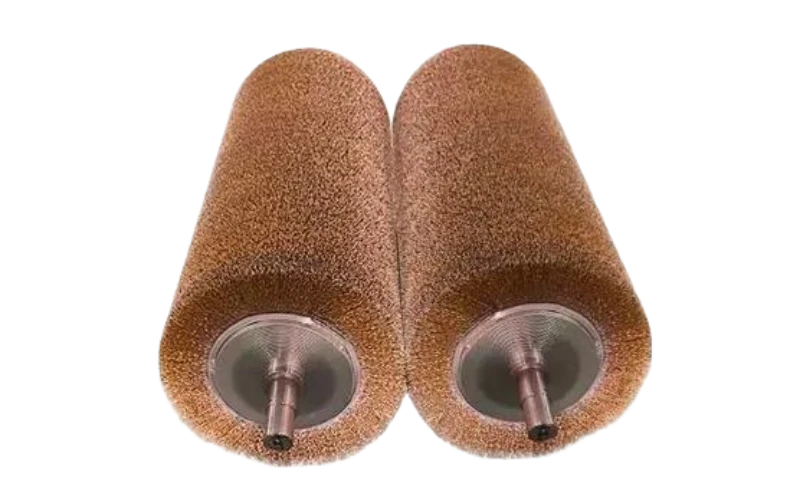
The core acts as a foundation for operational stability through continuous shifting. A solid metal cylinder brush can rotate at high speeds without warping or becoming unbalanced. Also, engineers will have to calculate the fill density that will achieve the required surface:
- High density filler: good for smooth, continuous brushing that is ideal for fine finish and light surface rust.
- Low density filler: It will allow for aggressive cutting and also penetrate the scale deeply and not let debris get stuck in between your filaments.
To delve deeper into dimensional choices, industry professionals regularly consult guidelines on how to select a metal cylinder brush for optimal machinery integration.
The Strategic Value of Customization
In unique manufacturing environments, conventional products and standard products are often not successful. Standardized conveyor belt widths, irregular part shapes, and RPM restrictions require custom engineering. By upgrading to a custom cylinder brush you will be able to get perfect physical alignment with all current mounting shafts and drive motors.
Plant managers have demonstrated repeatedly through observation that properly designed custom brushware will reduce maintenance stoppages. Facilities can dictate the exact dimensions (i.e., outer diameter, inner hole size / arbor hole size) and bristle characteristics (i.e., filament length and filament pattern) to allow maximum operational efficiency.
The Rust Removal Specification Matrix
Severe corrosion will require completely different brush designs than those for mild corrosion; thus, the following table provides the rationale for determining which rust remover brush is required in each circumstance or environment.
| Rust Level | Recommended Filament Material | Ideal Fill Density | Applications & Advantages |
|---|---|---|---|
| Light | Fine stainless or brass | High | Delicate metals where the base metal will be scored. |
| Medium | Crimped carbon steel | Medium | Structural steel pipe, cutting flexibility balanced. |
| Heavy & Flaking | Knotted (heavy) carbon steel | Low | Heavy machinery frames, allows maximum impact force. |
| Wet or Chemical Cleaning | Type 316 stainless steel | Medium | Marine components will not incur secondary rust. |
A Step-by-Step Way to Select Items
Complete each phase of the evaluation in the order listed below to achieve the most reliable product purchase.
- Analyze base metal material in order to prevent galvanic corrosion and contamination to each other.
- Measure exact dimensions of the shaft that will drive the product to confirm a proper fit.
- Measure the manufactured operating speed/RPM of the product to determine dynamic balance requirements.
- Evaluate workspace moisture, temperature and chemicals a product will be exposed to.
Achieving Optimal Surface Preparation Outcomes
Manufacturers optimize their manufacturing processes and structural integrity with the proper implementation of accurately described rust remover brushes. With an organized categorization of filament types, core materials testing, and custom dimensions, facility managers, as a result, can realize ongoing high-efficiency operations. Selecting these brushes goes beyond just purchasing a consumable; it is a strategic long-term investment in the longevity of all production equipment. For facilities that experience significant corrosion to pipelines or sheet metal, using specialized rust removal brush applications establishes a solid foundation for preventative maintenance.
Frequently Asked Questions
Q1: How long can a custom-made brush last for removing rust?
The longevity depends on operating RPM, applied pressure, and filament type. Properly specified custom brushes typically last 30-50% longer than standard options.
Q2: Can metal cylinder brushes be used safely in wet environments?
Yes, but wet applications require stainless steel or brass filaments along with a specialty core material to prevent rapid secondary corrosion.
Q3: Why is it important to use custom cylinder brushes in a dynamically balanced manner?
Dynamic balance eliminates high-speed vibration, protects machine bearings, produces an even finish, and prevents premature filament deterioration.