
Why Choosing the Right Brush Matters
Even with a versatile metal cylinder brush, the process of surface treatment in the world of industrial manufacturing isn’t typically accomplished with just one type of tooling If an operator uses a standard brush that’s great for deburring a steel piece of hardware, it will probably do a lousy job deburring a piece of wood or anodizing a piece of aluminum. Using an incorrect tool causes various problems, including an unreliable finish, premature tool wear, and excessive machine downtime — issues that all skilled floor managers know too well.
Buyers will have a smoother route to their desired items when they have a firm understanding of four foundational variables: filament content, brush density, core design, and the type of target surface. By analyzing these factors, procurement teams and engineers can confidently select the proper metal cylinder brush based on technical facts rather than guesswork.
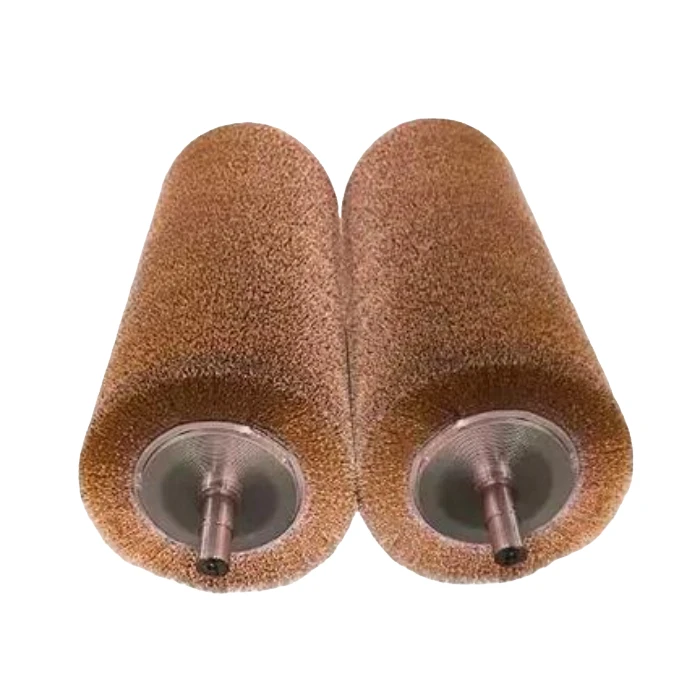
Primary Considerations for Industrial Brush Selection
The Material of the Filaments
Most importantly, the filament type is arguably the most crucial aspect of any tooling setup. Every wire type has a particular use, and misusing these wires is one of the most frequent errors observed in industrial environments.
| Filament Type | Best Applications | Hardness Characteristics |
| Steel Wire | Heavily deburring and cleaning structural welds | Very Hard |
| Stainless Steel | Equipment used in food processing or corrosive environments | Medium to Hard |
| Brass Wire | Polishing soft metals and working in non-sparking conditions | Medium |
| Nylon Abrasive | Light surface finishing, deburring, and cleaning | Low–Medium |
Filaments made from steel wire are the ideal option for use in applications where removing aggressive materials from a target surface is necessary. An example of this type of abrasive removal is the use of a heavy-duty metal cylinder brush to strip severe rust from raw metal sheets. Alternatively, if there is a strict requirement to prevent cross-contamination when working with food processing or pharmaceutical equipment, stainless-steel filaments become the mandatory material choice.
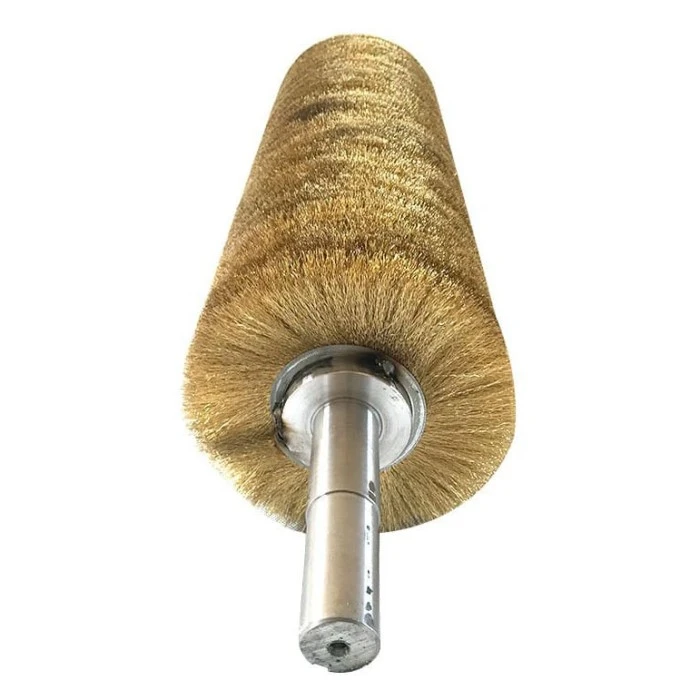
Brass wires rarely get enough credit for how useful they can be in specialized manufacturing. Facilities use them for polishing softer metals without scratching the base material, and for hazardous situations where preventing an electrical fire through a non-sparking tool is a critical safety requirement.
Differences in Brush Density and Length of Bristles
The amount of filaments per unit of measure (brush density) directly relates to how aggressive the tool will be on the surface. A higher brush density provides more points of contact, therefore offering a greater ability to achieve a very fine, uniform finish. Conversely, a lower brush density allows greater flexibility, meaning it can better accommodate the contours of an irregularly shaped object during the cleaning process.
The trim length of the filaments is also an important consideration; short filaments will naturally act more aggressively than long filaments. For instance, a medium-density tool with a trim length that is longer than normal generally provides a smoother finish without sanding across the grain when applied as a wood polishing brush in timber processing facilities.
Core Construction
The core is the foundation that holds the entire assembly together under high rotational stress. Common core types include:
- Wound strip cores: Highly versatile and widely used for general-purpose applications.
- Channel strip cores: Easy to slide out and replace, making them highly suitable for continuous conveyor systems.
- Tube cores: Extremely rigid and durable, ideal for heavy load and high-speed rotation.
The correct choice depends entirely on the machine setup and how the tool will be mounted. Tube cores are almost always recommended for heavy-duty operations where vibration resistance and structural integrity are paramount.
Matching the Brush to the Application
Surface Finishing and Polishing
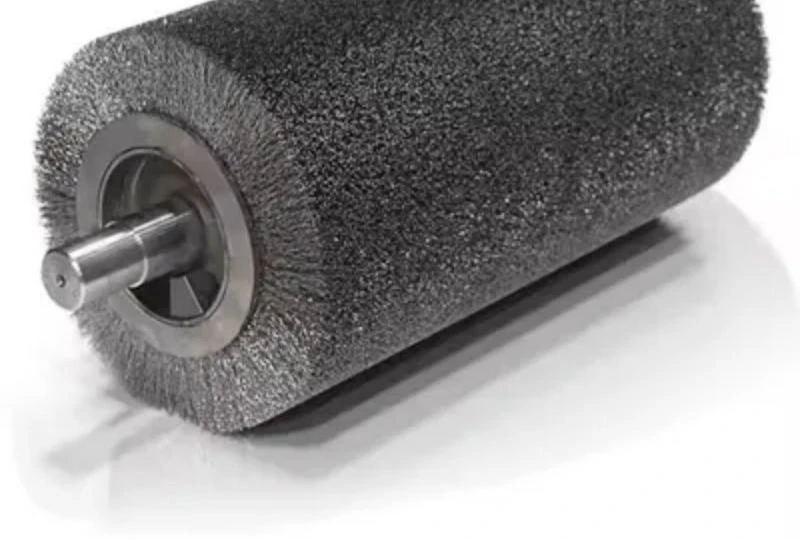
There is a constant need to maintain a delicate balance between the abrasive characteristics of an item and the need to control its friction when polishing a sensitive surface. For example, when manufacturing wooden cabinetry, integrating a dedicated furniture polishing brush consisting mainly of soft nylon abrasive filaments provides a uniform, premium satin look without damaging the veneer.
Similarly, for finishing soft metal surfaces, fine brass or light steel cylinder brushes have the same controlled effect on metal parts as those used for timber. They provide a smooth border along the edge and will not remove excessive amounts of the base material.
Rust and Scale Removal
Heavy industries require some type of aggressive filament action for the complete removal of severe rust, mill scale, or old coatings from structural surfaces. For this rigorous purpose, a dedicated rust removal brush equipped with heavy-gauge steel wires is typically the industry standard.
Observation shows that when operators use a moderate rotation speed combined with constant, even pressure during application, they achieve far superior results. Not only does applying an excessively high speed cause dangerous wire breakage, but it also severely decreases the overall lifetime of the tooling.
Deburring and Edge Blending
Cylinder brushes are widely deployed in automated CNC processes for cleaning slightly to heavily burred workpieces following operations like cutting, stamping, and laser profiling. The most important attribute of the filament here is its rigidity; it must be stiff enough to shear off the burrs, but not so aggressive that it damages the precise dimensional tolerances of the machined part itself.
Practical Tips for B2B Buyers
When sourcing a reliable metal cylinder brush, procurement teams should follow these systematic steps:
- Define the exact surface material and the specific finish quality required by the end user.
- Identify the exact machine specifications, including shaft diameter, maximum rotation speed, and mounting type.
- Request sample prototypes from the manufacturer for rigorous floor testing before committing to bulk annual orders.
- Evaluate tooling life under actual operating conditions, rather than relying solely on controlled lab results.
- Discuss customization options; many premium manufacturers offer tailored filament blends and specific core sizes.
It is also worth noting that a flat-panel conditioning tool will have very different structural specifications from one built specifically for processing turned cylindrical objects. Always communicate the exact operational application clearly to the supplier.
Frequently Asked Questions
What rotation speed is recommended for cylinder brushes?
Speeds depend strictly on filament material. Steel wire brushes typically operate between 500 and 1500 RPM. Always verify the manufacturer’s specifications for safe limits.
Can one brush handle both rust removal and polishing?
It is highly unadvised. Rust removal requires coarse, rigid filaments, while polishing needs finer wires. Application-specific tools ensure superior finishes and longer lifespans.
How often should industrial brushes be replaced?
Replacement intervals depend entirely on operational workload. Facilities should perform weekly inspections, replacing tools when filament trim length falls below the recommended minimum.