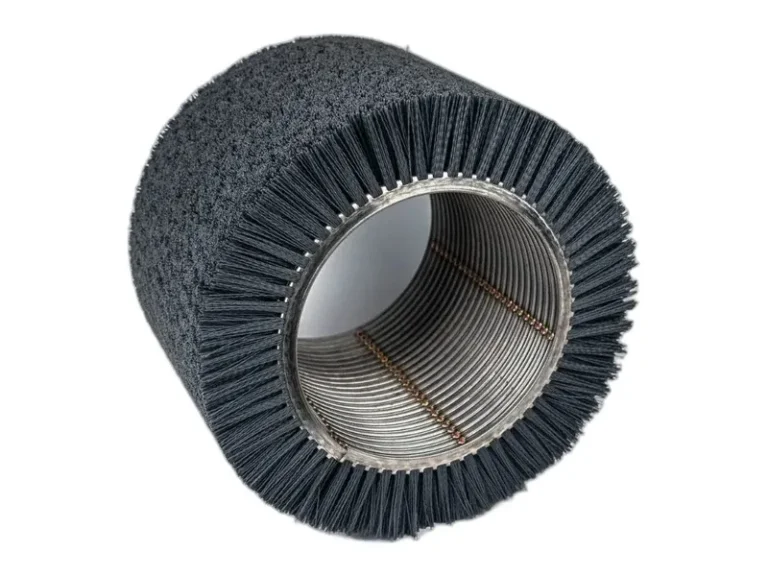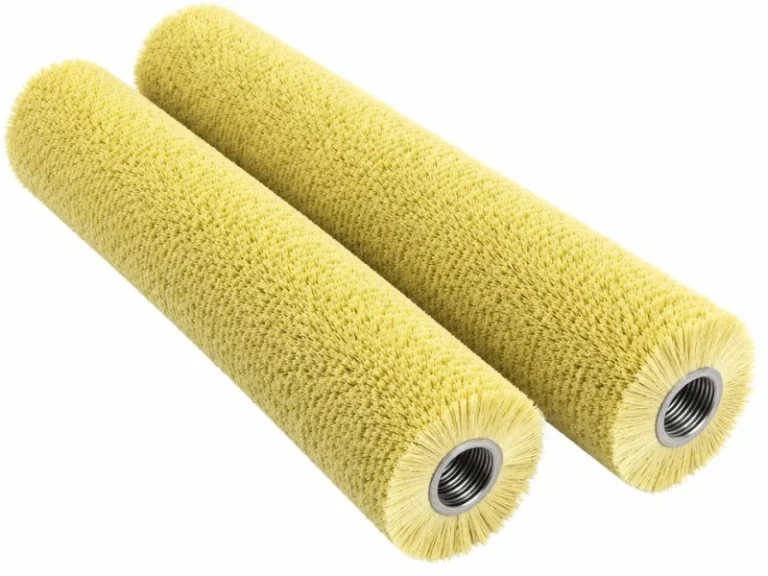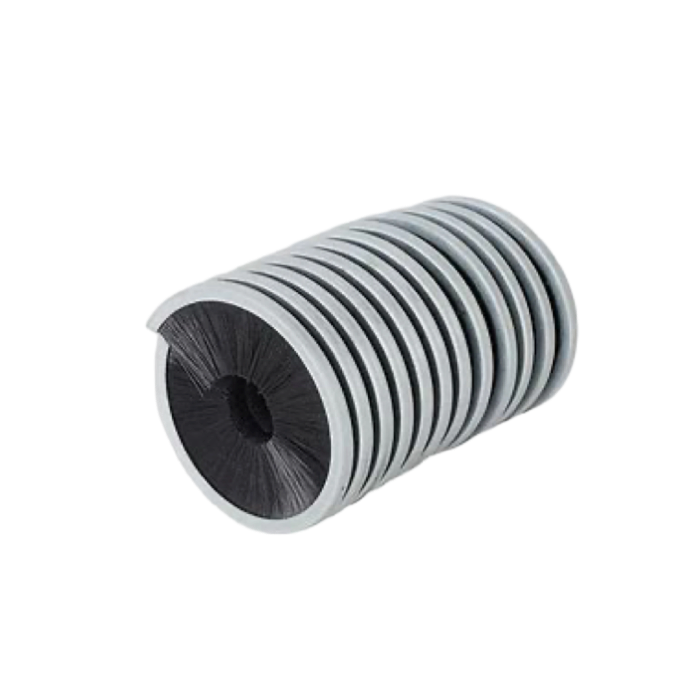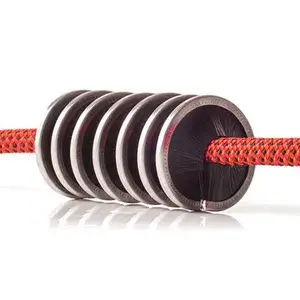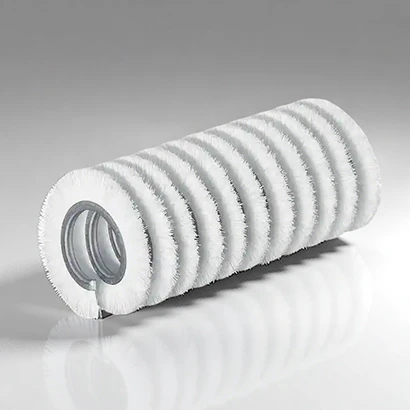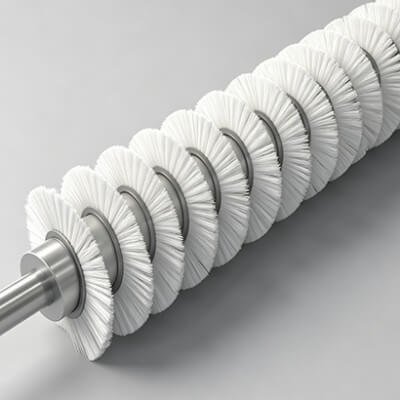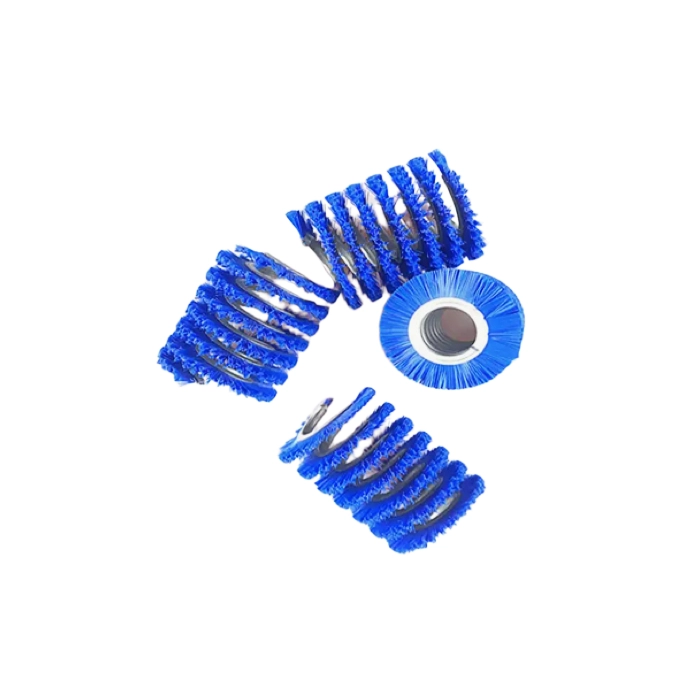
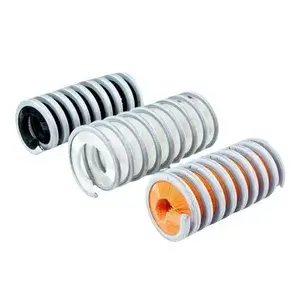
The right brush for an industrial line is not often a standard choice. Most engineers and procurement managers know that the effectiveness of a cleaning, deburring, or conveyor system is often traced back to the least considered component— the brush. Nylon coil brushes stand out among the many options because they are flexible, resistant to abrasion, and can be shaped specially.
Why Nylon Coil Brushes Are The Best For Industrial Applications
Buyers’ Guide: Major Specifications And Characteristics Of Industrial Coil Brushes. These spiral-constructed brushes are applicable in the food processing and packaging, glass making, and metal finishing industries, among others, because they curve flexibly and maintain their shape while covering bends. A few qualities that make them especially attractive to industrial buyers include high wear resistance, suitable for continuous operation; chemical and moisture tolerance, for wet or harsh environments; and flexibility in mounting options, including shafts, channels, or rollers. It also allows easy and cost-effective customization in length, diameter, and density. For a deeper look at the material itself, the article on What is a Nylon Coil Brush gives useful background before moving into selection criteria.
Step 1: Define the Application Requirements
Before specifying any dimensions, map out the working conditions. A brush intended for cleaning a flour conveyor will differ dramatically from that intended for polishing the edge of glass.
Key questions to clarify are:
- What surface or product will the brush contact?
- Is the environment wet, dry, hot, or chemically aggressive?
- What is the required brush stiffness — soft sweeping or aggressive scrubbing?
- How will the brush be mounted — shaft, holder, or channel?
Answer these early to prevent costly redesigns later. A detailed checklist appears in the guide on how to choose nylon coil brushes, which complements this section well.
The Right Winding Type
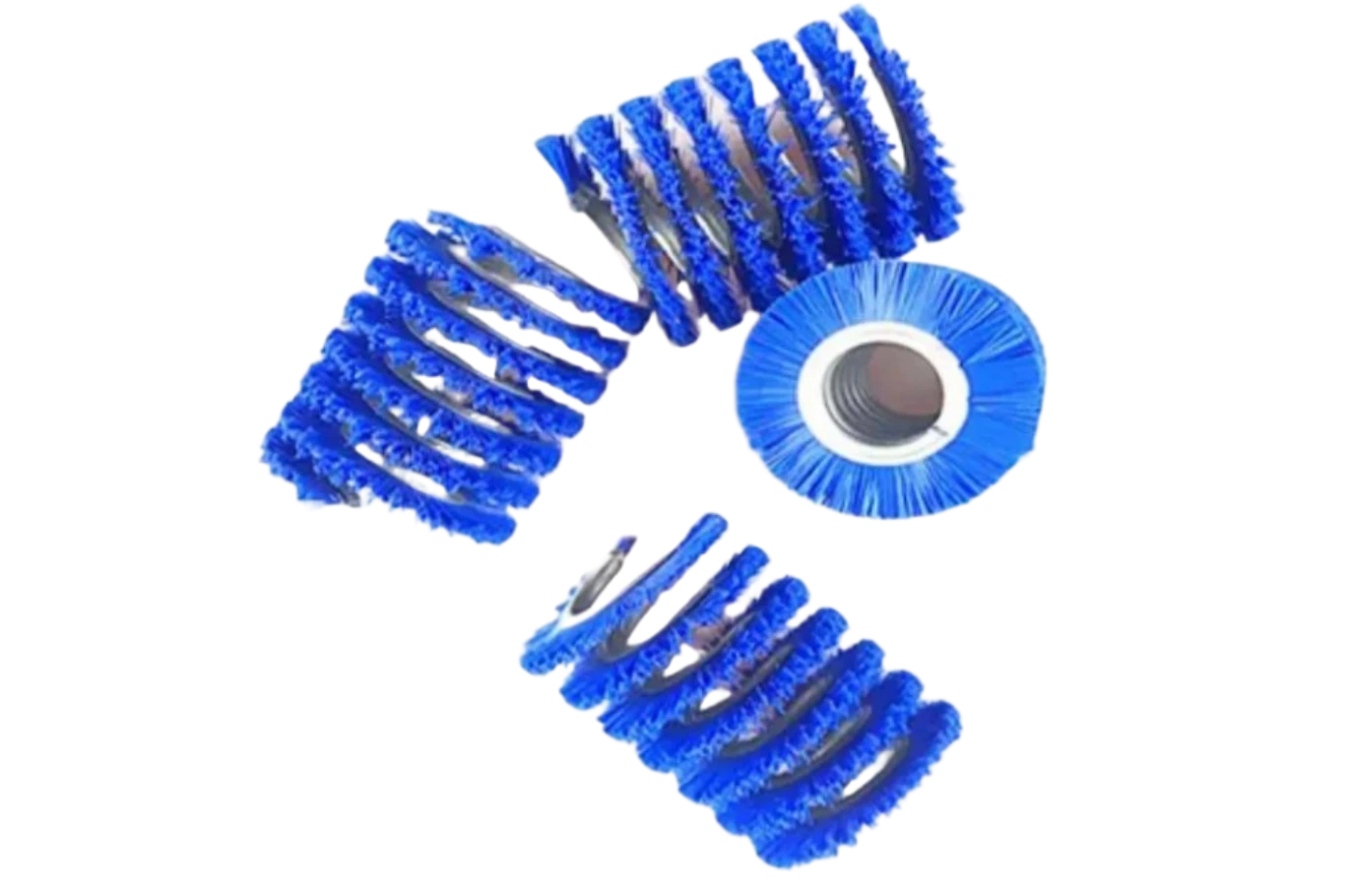
One of the most critical and often misinterpreted specifications is winding direction. Coil brushes come in two main types.
Outside Wound Coil Brushes
An outside coil brush has filaments that extend out from the core, making it suitable for cleaning the outside of cylindrical objects like bottles, pipes, and rollers.
Inside Wound Coil Brushes
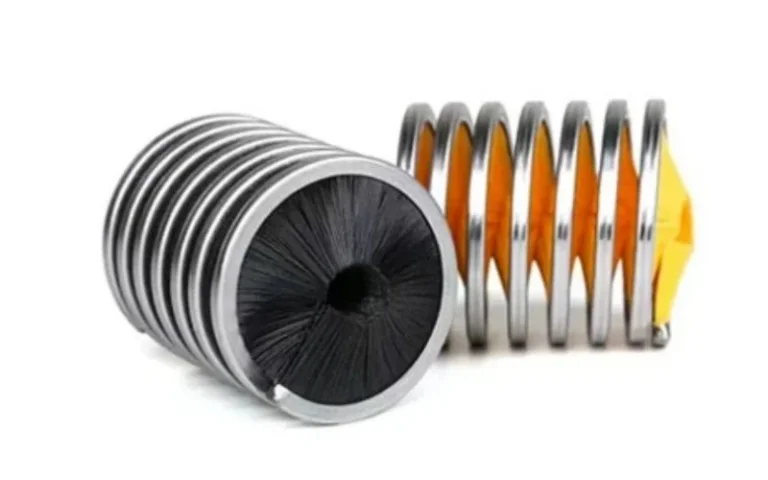
An outside wound brush has filament direction facing outward. Typically, it is used to clean the exterior surface of bottles, packages, or conveyors. An inside wound brush has filaments facing inward. This one is usually applied to internal bore cleaning in tube manufacturing or the automotive industry. An inside coil brush has filaments facing inward. This is the best configuration for internal deburring and residue removal. For a technical comparison side by side, check out the inside vs. outside winding article for detailed structural differences.
Step 3: Choose Filament Specifications
Filament choice has a direct impact on brushing aggression, lifespan, and surface compatibility. Buyers should consider:
- Diameter: Thicker filaments (0.30 mm+) are for more aggressive tasks; thinner ones (0.15 mm) suit delicate surfaces.
- Length: Longer trim gives flexibility; shorter trim gives stiffness.
- Grade: Standard nylon 6 works for general use. Nylon 6.12 is better for heat and humidity.
- Abrasive-filled options: Silicon carbide or aluminum oxide filaments add cutting action for deburring.
Step 4: Match Brush Geometry to Equipment
This is about making sure the brush works with your equipment. Most custom specs cover:
- Overall length
- Outer diameter (OD) and inner diameter (ID)
- Coil pitch (spacing between turns)
- Backing material (steel, stainless steel, or plastic)
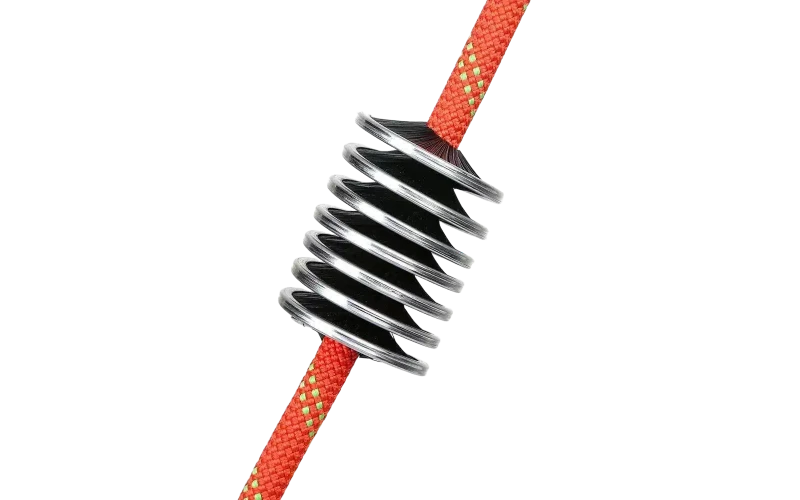
Experienced manufacturers in custom coil brush production can advise on tolerances to prevent vibration or early wear. For a refresher on why these brushes outperform alternatives, check out the overview of key advantages of nylon coil brushes.
Step 5: Evaluate Supplier Capability
Not every brush manufacturer can deliver tight tolerances on custom orders. Buyers should verify the following:
- In-house tufting and winding equipment
- Material traceability and certifications
- Prototype and sampling lead times
- Experience with like industries
A good supplier will cut production risk and reduce time-to-market, especially for OEM projects with tight deadlines.
Closing Thoughts
Picking the right nylon coil brushes means getting application needs in line with the proper winding, filament, and geometry. When people go through the purchasing steps in an organized way—application first, specifications second, supplier third—they get a brush that works well and fits right into the production line.
FAQs
Q1: What is the typical service life of a custom nylon coil brush?
In general, the service life depends mainly on the grade of the filament, the load, and the environment; however, properly specified brushes can be expected to last somewhere between 6 and 18 months under continuous industrial use.
Q2: Can wet or food-contact applications be handled with nylon coil brushes?
Yes. Nylon is resistant to most moisture and many chemicals; the food-grade types meet FDA standards for direct contact in processing lines.
Q3: What is the minimum order quantity for a custom coil brush design?
MOQs vary by manufacturer, but most will accept small pilot runs for prototyping before scaling to full production orders.