
Introduction
Different industries have very different requirements for cleaning surfaces. There are some applications where surfaces must be cleaned gently so they are not damaged. Other applications need the ability to scrub very aggressively when trying to remove very stubborn contaminants. A tufted cylinder brush will work well at either of these extremes effectively.
By understanding the features associated with tufted cylinder brush technology, manufacturers can choose the correct tool for each cleaning need. Tufted cylinder brushes are highly durable and versatile types of brushes, which provide the user with the ability to have exact control over the type of filament that is used, the density of the filament and the pattern of the filament within the brush.
This article identifies five primary usages of tufted cylinder brushes so that you can see the quality that they can produce through specific applications. Each application has its own requirements and the appropriate brush configuration is necessary in order to produce good or great results.
Advantages of Tufted Cylindrical Brushes for Surface Cleaning
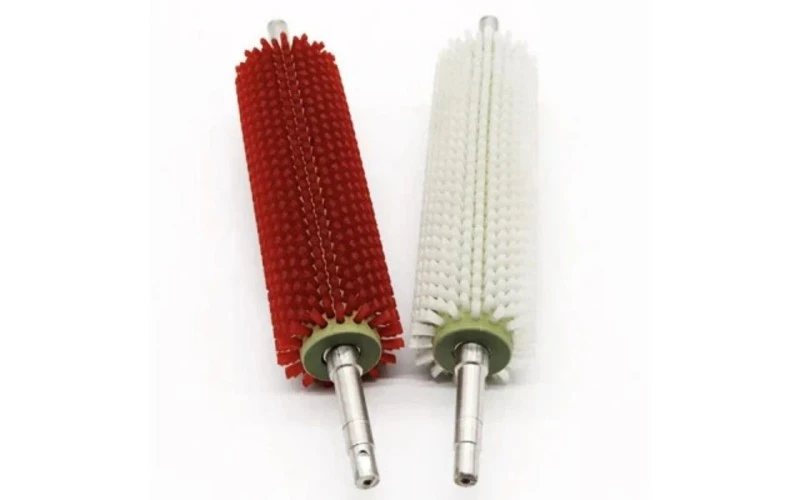
There are multiple reasons tufted cylinder brushes are advantageous for surface cleaning:
- Customized filament materials may be selected based on the type of surface being cleaned
- Density of tuft can be controlled to ensure required cleaning level
- The same pressure will be applied across the entire width of the brush as it operates
- The tufted cylinder brush will hold up under constant use
- Brushes can be replaced quickly therefore minimizing time that the brush is not available for use
The properties of tufted brushes are best suited to be used in automated cleaning systems. They have consistent performance over long production runs. It is crucial to select the right brush for your process to get the best clean possible with no harm to the surface.
5 Primary Surface Cleaning Applications
1. Produce and Vegetable Cleaning
Vegetable cleaning brush systems designed for use in cleaning vegetables are used by many food processing plants to remove soils, debris, and surface contaminants from fresh produce. These types of cleaning applications require that the materials used in the brushes are food safe and perform gently.
Key Requirements:
- Soft polypropylene or nylon filaments
- Medium to high tuft density for thorough coverage
- Chemical resistance for wash-down environments
- FDA-compliant materials
A good cleaning method for cleaning vegetables without damaging fragile fruits and vegetables (for example, carrots, potatoes and root vegetables) as they are passed through brushes that rotate to clean the produce, using bristles that flex to fit the shape of the produce while removing soil from the produce.
Correctly choosing the type of brush to use to wash vegetables depends upon how much cleaning power you need to get the produce clean (also called cleaning power) without damaging the produce (also called product protection). Brushes that are too stiff will cause the produce to become damaged (or bruise), while brushes that are too soft will provide ineffective cleaning results.
2. Washing Glassware and Getting Surfaces Ready for Use
Brushes used for cleaning glass are exposed to perhaps the most strenuous cleaning environments. Glass surfaces will show all imperfections – you can easily see scratches, streaks and any residual material left behind from manufacturing.
Ultra-soft filaments are used in tufted cylinder brushes for cleaning glass. These types of brushes will remove all types of dirt, oil, and any manufacturing residue without causing scratches on the surface. They are commonly used in automatic glass washing lines to clean:
- Automotive windshields
- Architectural glass panels
- Solar panel glass
- Display screens
Knowing the specifications for the glass washing brush can help you avoid damage to your surface. The filaments must be made of a material that is softer than the glass. Soft synthetic filaments such as nylon perform well. Specialty applications are typically suited to natural fibers.
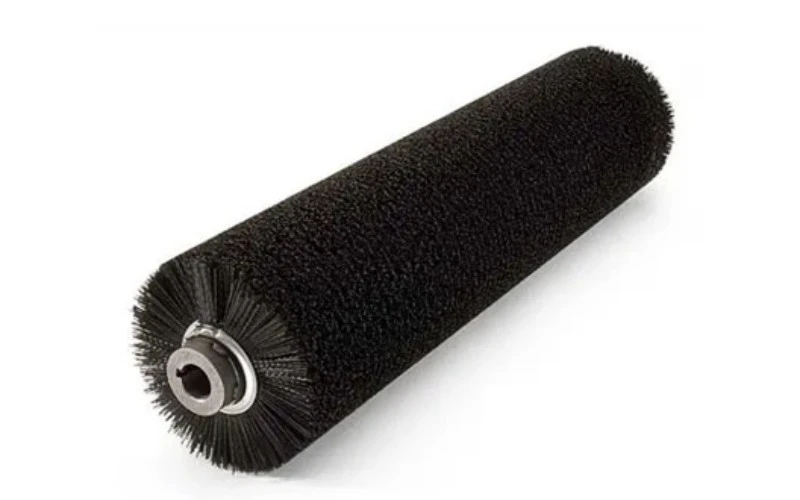
By using water to flush out removed contaminants, the flow of water through the brushing process prevents contaminants from being dragged along the glass surface.
3. Conveyor Systems Maintenance
Facilities that manufacture and process goods rely heavily on the cleanliness of a conveyor system. Belt surfaces collect product residue, dust and debris. This accumulation of contaminants causes equipment wear and can affect the quality of finished products.
During operation, buildup from a conveyor belt will be removed by a continuous conveyor belt cleaning brush. This brush is either mounted on or under the belt, and as the belt moves forward, the rotating cleaning brush scrubs the surface clean.
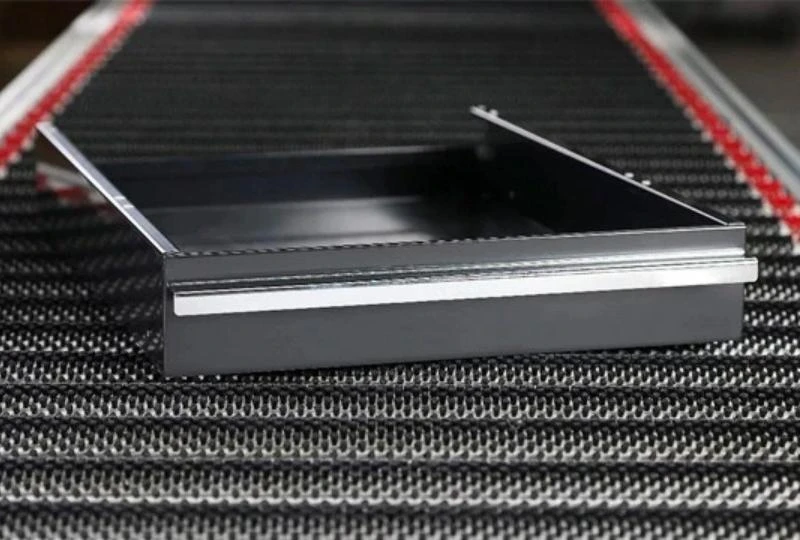
Some of the Benefits of Utilizing a Conveyor Belt Cleaning Brush in Your Application are:
- Prevention of cross-contamination between products
- Decreased wear on the belt and an extended service life for the belt
- Consistent product quality
- Reduced manual labour for cleaning
Each type of belt materials will require a different brush configuration; for example, food-grade belts will require soft filaments that are safe for use in the food industry, while industrial belts handling abrasives will need stiffer brushes. Identifying the proper conveyor belt cleaning brush specifications that will work for your particular type of conveyor belt will optimize the cleaning performance of those brushes.
4. Textile Processing Operations
There are many different kinds of brushes that are used to process textiles in the textile industry. The purpose of a textile processing brush is:
- To raise the nap of a fabric to make it soft
- To remove lint and loose threads from the fabric
- To clean the surface of the fabric before dyeing it
- To finish the fabric for a specific texture
Textile processing brushes must be able to process delicate materials without causing harm. For instance, cotton and wool are natural fibres and require gentle brushing. Synthetic materials will allow for a more aggressive approach to brushing.
The speed at which the brush turns and how stiff the filament is will affect the texture of the final product. Slower speeds with softer filaments result in softer textures; faster speeds with stiffer filaments result in sharper or more pronounced textures.
When manufacturers choose various brushes for the textile processing industry, the following variables must be taken into account: type of fabric (e.g., denim), finish desired (i.e., how the fabric will feel), and the speed of production. All three of these factors will affect the choice of the brush.
5. Solar Panel Cleaning
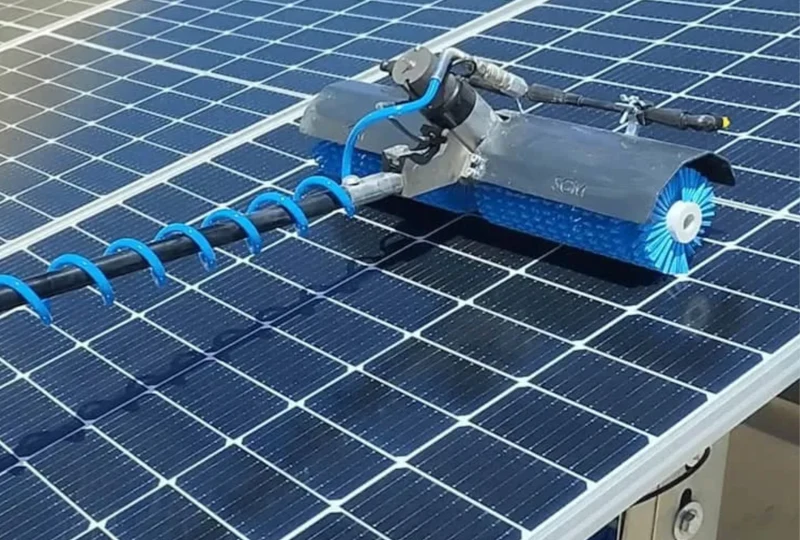
Cleaning solar panels on a regular basis is necessary to ensure efficiency. Dust, pollen, and other contaminants from nature will reduce the amount of energy generated by the solar panels. Manual cleaning of solar panels is labor-intensive and cannot be done on a large scale.
The use of an automated solar panel cleaning brush system for cleaning solar panels solves the issue of having to manually clean solar panels. An automated brush cleaning system consists of a series of soft nylon bristles that will not scratch photovoltaic panels but will gently rotate across the surface of the panel, while using water to remove loose debris from the panel.
Critical Requirements:
- Extremely soft filament material (softer than glass)
- High tuft density for entire surface coverage
- Low rotational speed to avoid damage during use
- Made of corrosion-resistant core materials
The versatility of tufted cylinder brushes can be shown with their use in washing solar panels. The basic construction/setup has been adapted for this unique application by utilizing appropriate materials for each use.
Comparison of Use and Application
| Application | Filament Type | Tuft Density | Primary Purpose | Speed Range |
| Vegetable Cleaning | PP / Soft Nylon | Medium-High | Remove dirt & debris | 200-500 RPM |
| Glass Washing | Ultra-Soft Nylon | High | Clean & not scratch | 100-400 RPM |
| Conveyor Belt Maintenance | Nylon & PP | Medium | Remove built-up product | 300-800 RPM |
| Textile Processing | Natural & Synthetic | Variable | Raise nap & remove lint | 400-1200 RPM |
| Solar Panel Cleaning | Soft Nylon | High | Remove dust and pollen | 100-300 RPM |
This article is intended as a guideline only. Actual specifications depend on user’s specific equipment needs and physical conditions for appropriate use.
How to Choose the Correct Brush Type
Many critical considerations must be evaluated when selecting the correct tufted cylinder brush for surface cleaning applications. There are a number of factors that affect the final decision.
- Surface material: Hard surfaces work with harder filaments while softer surfaces operate best with softer materials.
- Type of contamination: Brushes designed for loose dust will not work on dirty, crusty surfaces.
- Cleaning environment: When deciding on a filament material, consider if the cleaning will occur in a wet or dry environment.
- Production speed: Faster operations may require brush configurations that are different from normal.
When choosing tufted cylinder brush specifications, refer to guides created by manufacturers for assistance. Prior to committing to production quantities, actual operating conditions should be verified through the testing of samples for performance.
Conclusion
Across all five of these applications for surface cleaning with a tufted cylinder brush, their capabilities to create a consistent level of cleanliness will be evident as each type can provide an effective way to create a clean working environment for any application; from gentle food products such as produce or meat to hard commercial surfaces like a large vertical/independent conveyor (whose primary purpose is moving large volumes of items), proper use of brushes will ensure a clean work area. It is possible that this message will not be clear; therefore, I recommend you take a moment now to look up what appropriate specifications (i.e., size/dimensions) are required by each type of surface you want to build for your particular application in order to select the most appropriate brush that will provide you with the Cleanliness you are seeking as well as have the best and longest life possible.
Frequently Asked Questions
Are tufted cylinder brushes capable of being customized for specific cleaning surfaces?
To meet the exact specifications and requirements for special jobs, manufacturers provide different combinations of filament materials, core sizes, tuft patterns, and densities.
What is the expected delivery timeframe for larger quantities of specialized brushes?
Standard configurations typically ship in approximately 2 to 4 weeks, while custom brushes can take 4 to 8 weeks due to the time involved with sourcing materials; tooling needs; and order size/type.
How often should surface cleaning brushes be replaced in continuous production environments?
The application intensity determines the length of replacement intervals; typically the lifespan of an industrial cleaning brush is 3 – 12 months. In order to determine when to replace your brush, you should regularly inspect its filaments for wear and measure its effective cleaning capability.