
A versatile metal cylinder brush can be found in nearly all manufacturing environments, from heavy steel production to precision furniture manufacturing and everywhere in between. However, observation shows that most purchasing departments and process engineers face a common challenge: a lack of knowledge regarding what type of tooling works best for which process, and the significance of those variations.
These tools offer immense flexibility, which is both advantageous and confusing at the same time. An aggressive oxide-removing setup acts completely differently than expected if misused; for example, it could completely ruin a delicate piece of hardwood. In contrast, a finishing tool created to work on fine wood surfaces would do very little damage to corroded metal, rendering it useless for heavy-duty tasks. It is important to remember that the specific industrial task defines the tool; therefore, the application must dictate the procurement choices, not vice versa.
The most common and commercially valuable uses of metal cylinder brushes can be illustrated by examples drawn from three general categories relating to typical demand sizes and production lines. Each use has unique characteristics; therefore, the sections below will discuss them in detail regarding how they differ and the key specifications to consider. For a more comprehensive understanding of the available options and manufacturing processes, learning what metal cylinder brushes are is an excellent starting point.
Application 1: Removing Rust and Oxidization Residue
Importance of Removal
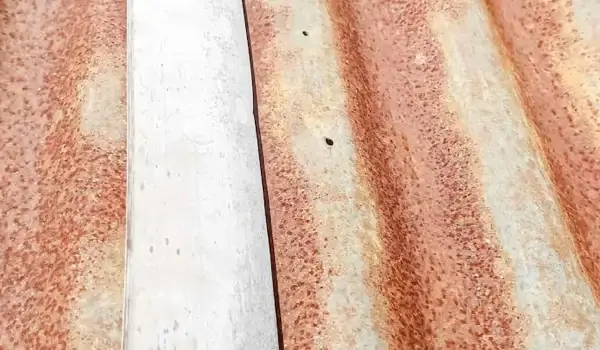
Prior to coating, painting, welding, or otherwise processing steel and aluminum, all rust, mill scale, and surface oxides must be completely removed. Any leftover oxidation will result in poor adhesion to the substrate, severe corrosion under the final coating, or rejected parts that fail quality control. For high-throughput steel processing, integrating a dedicated rust removal brush into an automated process line is much less costly and provides far more consistent results than manual grinding or chemical treatment methods.
How the Brush Works
Typically, tools designed for this rigorous application use high-density wire filaments made from carbon steel or stainless steel. When rotating against the target surface, the tool is applied at an exact, controlled speed and pressure to mechanically remove the oxide layers without damaging the structural base metal.
Key specifications for this application:
- Wire diameter: 0.3–0.8 mm, depending on oxide thickness and base metal hardness.
- Filament material: High-carbon steel wire for standard steel; stainless steel wire for aluminum or corrosion-sensitive environments.
- Brush density: High fill density for consistent, aggressive coverage across the full working width.
- Operating speed: Typically 800–1500 RPM, depending on the overall diameter.
This is arguably the most demanding application for industrial rotary tools. Wire fatigue, heat buildup, and abrasive debris all contribute to rapid wear. Operators who meticulously track filament condition and adjust infeed pressure based on the surface consistently achieve longer tooling life.
Application 2: Furniture Surface Polishing
Why It Matters
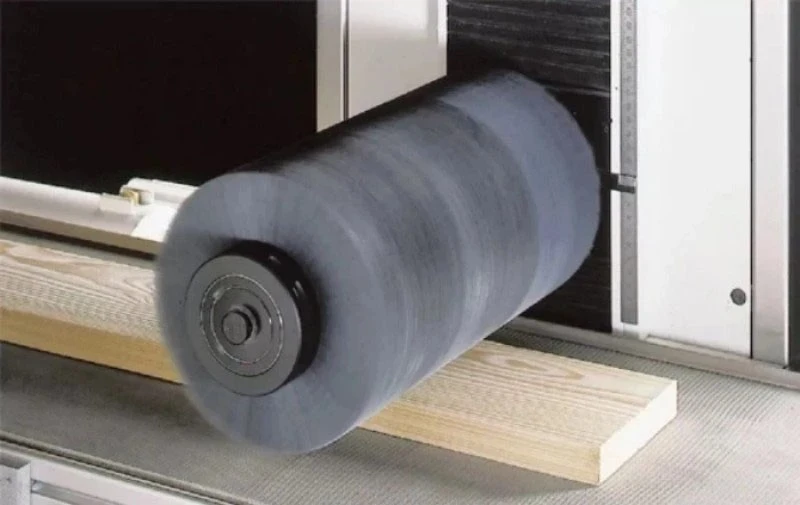
The surface finish achieved in the furniture industry has a significant impact on the final commercial value of the piece. To successfully polish between finish coats, fill microscopic surface imperfections, and create a uniform sheen over large flat panels, the operator must apply a consistent and repeatable amount of force. This level of precision is physically impossible when sanding by hand at modern production speeds.
An automated sanding line equipped with a properly mounted furniture polishing brush will reliably provide the strict uniformity required. The brushing process successfully removes micro-imperfections, levels out any raised grain resulting from the staining process, and prepares the surface for final lacquer application without leaving behind swirls or uneven patches.
How the Brush Works
Soft to medium-stiff bristle filaments are traditionally used for cleaning and polishing delicate furniture surfaces. Facilities often utilize Tampico, sisal, or fine abrasive nylon as the primary filament material. The purpose here is to establish controlled surface contact without aggressive material removal. Filament density is kept moderate to allow flexibility and avoid overheating the finished veneer. For a deeper look at how these specific tools are specified in production, exploring what furniture polishing brushes actually are covers the necessary details.
Typical specifications include:
- Filament material: Tampico, sisal, or abrasive nylon (grit 320–600).
- Core type: Wood or lightweight tube core for essential vibration dampening.
- Operating speed: 600–1200 RPM.
- Infeed pressure: Light—just enough contact to polish without cutting into the wood.
Application 3: Wood Surface Polishing and Texturing
Why It Matters
Wood polishing heavily overlaps with furniture polishing but extends well beyond finished consumer goods. Flooring manufacturers, architectural panel producers, and decorative woodworking operations all rely on these rotary tools for surface preparation, grain enhancement, and final smoothing.
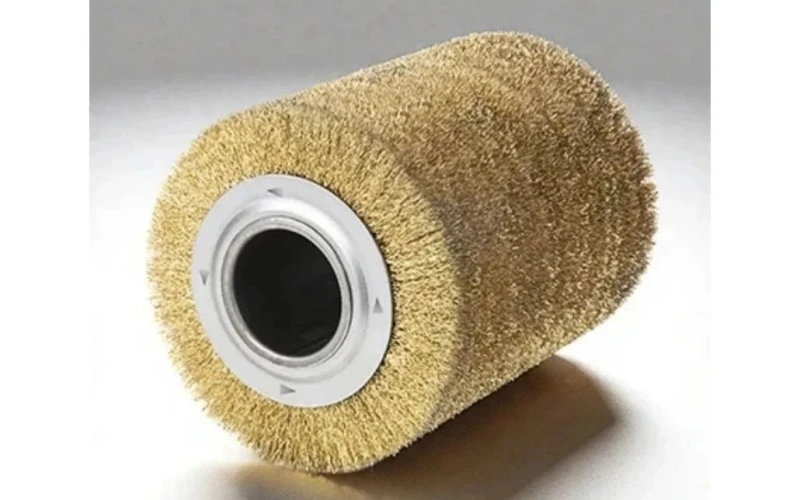
A specialized wood polishing brush is frequently used for wire-brushing effects on reclaimed timber, distressing new wood to create a vintage, aged appearance, and thoroughly cleaning sawn surfaces before final grading. These are high-volume, continuous processes where consistency directly affects factory throughput and quality yields.
How the Brush Works
Depending on the specific task, these tools range from soft natural fibers for final smoothing to medium-stiff abrasive nylon for heavy grain texturing. Wire filaments are occasionally used for aggressive distressing effects, but most applications favor non-metallic filaments to completely avoid embedding microscopic metal particles into the timber surface.
- Soft finishing: Tampico or horsehair filaments, light pressure, high speed.
- Grain texturing: Abrasive nylon (grit 80–180), moderate pressure, medium speed.
- Distressing: Crimped steel wire or coarse abrasive nylon, strictly controlled pressure.
Comparing the Three Applications
The following table summarizes the key operational differences across these three main applications, helping B2B buyers and engineers identify the right starting point for specification.
| Parameter | Rust Removal | Furniture Polishing | Wood Polishing |
| Filament material | Steel / stainless wire | Tampico, sisal, fine abrasive nylon | Abrasive nylon, Tampico, occasional wire |
| Filament stiffness | High | Low to medium | Low to medium |
| Typical grit (if abrasive) | N/A (wire) | 320–600 | 80–320 |
| Operating speed | 800–1500 RPM | 600–1200 RPM | 600–1400 RPM |
| Infeed pressure | Medium to high | Light | Light to moderate |
| Surface goal | Strip oxide, clean base metal | Smooth, polish, level finish coats | Smooth, texture, enhance grain |
| Wear rate | High | Low to moderate | Moderate |
Clearly, this analysis shows that treating all metal cylinder brushes as universal tools is an operational mistake. Each distinct application requires a unique combination of filament type, density, rotation speed, and applied pressure for optimal results. Selecting the wrong combination inherently leads to wasted materials, financial loss, and severely damaged workpieces. To avoid these costly errors, learning how to select a metal cylinder brush ensures the correct setup from filament choices to core builds.
FAQs
Can I order custom brushes for non-standard machinery?
Yes. Most manufacturers design custom metal cylinder brushes to match specific production lengths, core sizes, and unique equipment specifications required by your facility.
What is the minimum order quantity (MOQ) for wholesale?
MOQs depend on specification complexity. Standard products typically require 10-50 pieces, whereas highly customized abrasive tools may demand higher initial production volumes.
How do you choose between wire and abrasive nylon?
Wire suits aggressive tasks like heavy scale removal. Conversely, abrasive nylon excels at controlled finishing and polishing where dimensional surface damage must be avoided.