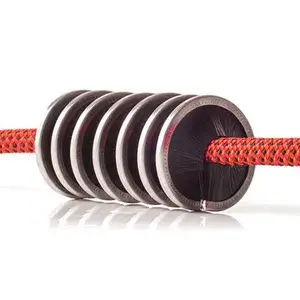
A wire rope cleaning brush cleans up the grease, dirt, and debris that build up on steel cables during normal use. If the wrong brush is used, you may not get all of the dirt off, which can hide corrosion and create a safety hazard. A good wire rope cleaning brush will get between the strands of wire and give you consistent results without harming the surface of the wire.
This article provides maintenance and procurement personnel with an understanding of the important selection criteria for proper wire rope cleaning brush selection, including filament type, brush size, environment, and application.
Why Wire Rope Cleaning Matters
The use of steel wire ropes in cranes, elevators, and offshore platforms is common to support heavy loads. Contaminants trapped between the wires of the rope can cause the wire to corrode faster than it would naturally and hide any fatigue or damage to the wire from inspection personnel. Most industries have regulatory standards that require periodic inspection of ropes, and having a clean rope surface will also make broken wires, pitting, and diameter reduction easier to detect during inspection.
Maintaining ropes also helps prolong their life. By eliminating old oil and dirt, your new lubricant can find its way further into the core of the rope and reduce internal friction between the different layers of the rope. A good quality coil brush made for this application is an excellent investment and can save you money over time by allowing you to extend the intervals between replacing your ropes.
How a Wire Rope Cleaning Brush Works
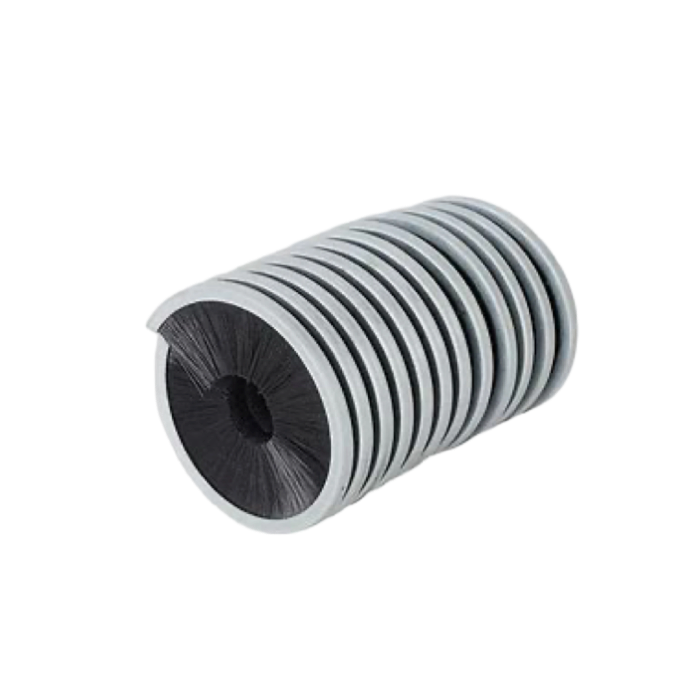
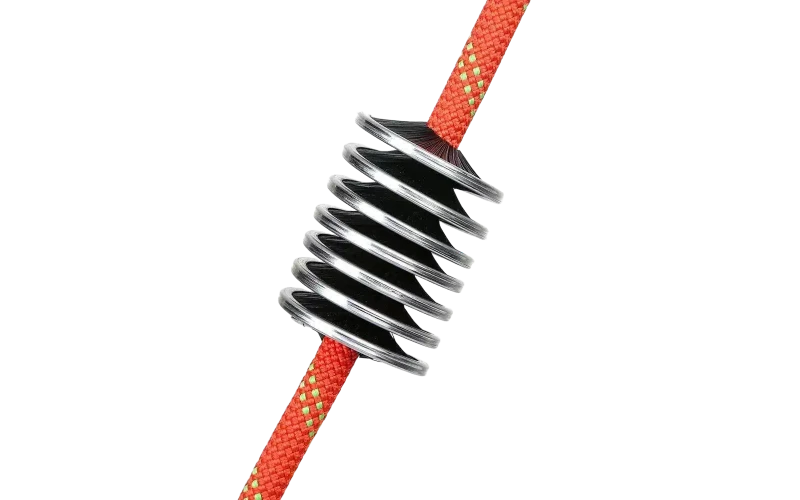
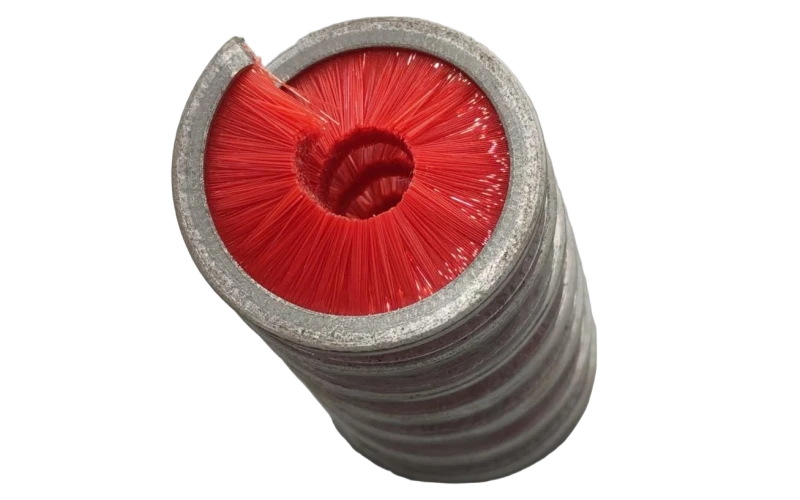
The majority of wire rope cleaning brushes are designed with filaments arranged in a coil-like pattern that spirals around a flexible wire core. This type of brush surrounds the circumference of the rope and can contact every strand from all sides as the rope moves through or the brush passes over it.
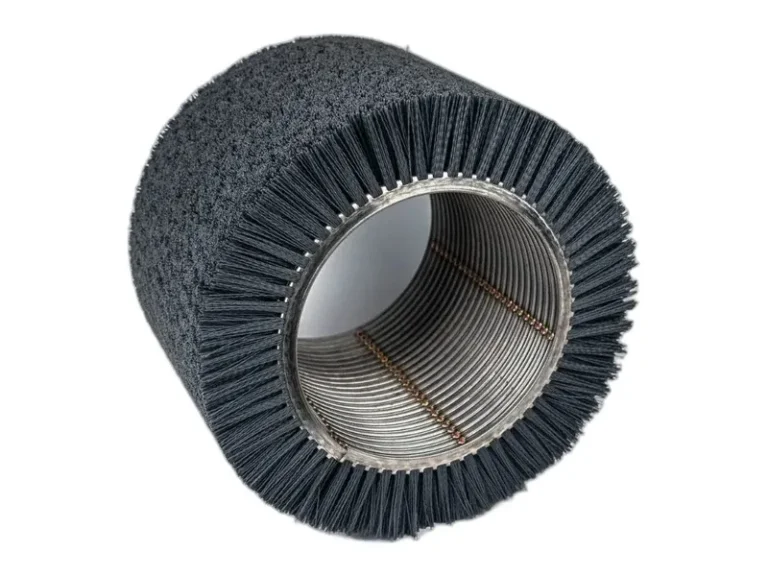
This inside coil brush system self-adjusts to accommodate various diameters of rope from within its operational range. The construction of a coil provides evenly distributed application of force with simple mounting hardware required. For further insight into the operation of this style of brush internally, see our article about what’s inside a coil brush for more detailed information about the mechanics.
The flexible coil conforms to the configuration of the rope by reaching down into the valleys between the outer strands where contaminants tend to accumulate the most.
Key Factors When Selecting the Appropriate Brush
Filament Material
The choice of filament for wire brush applications impacts the aggressiveness of cleaning, how compatible the bristle type is with the surface being cleaned, and whether the filament will be suitable for use on wire rope. The three primary filament types used in wire rope applications are as follows:
- Nylon – excellent for light-duty cleaning, redistributing lubricants, or wiping before inspection without damaging galvanized coatings
- Brass – handles moderate buildup on standard steel ropes and avoids sparking in hazardous environments
- Steel – tackles heavy rust, hardened grease, and thick scale on large-diameter industrial ropes
Brass has been an ongoing choice for operations in explosive environments like oil platforms or chemical plants because it reduces the risk of sparks. The guide for what type of brush to use (nylon coil brush) offers examples of situations where more pliable filaments produce superior results, especially for coated or galvanized wire ropes.
Brush Inner Diameter
In order for the brush to maintain constant filament contact with the rope, there needs to be a close approximation between the rope’s diameter and the brush diameter. A diameter that is too large will skip across contaminants caught between the individual filament strands of the rope. Conversely, using a diameter that is too small will either drag or resist the movement of the brush across the entire length of the rope or will result in premature deformation of the brush.
To ensure proper brush fit, use the following guideline:
- Measure the nominal rope diameter while under working loads
- Select a brush whose inner diameter is between 5–10% smaller than the outside diameter (OD) of the rope
- Verify that the brush has sufficient compressibility capacity to allow it to slide onto the rope during installation
The manner in which the brush has been sized helps to guarantee that there will always be even contact pressure as the filaments wear over time.
Operating Conditions
Environmental conditions substantially reduce the number of materials that can be selected from:
- Temperatures exceeding 120°C will not allow the use of Nylon filaments
- Environments with salt or high humidity will require the use of either stainless steel or brass to provide resistance to corrosion
- Chemical contact with either solvents or cleaning chemicals may result in the deterioration of some polymer materials
Filament types for offshore and marine applications: corrosion resistance is a critical factor when selecting filaments for offshore and marine applications. Steel wire filaments that have stiffer properties are also beneficial in mining operations where dust is extremely abrasive and heavy. Therefore, when you are matching the material of your coil cleaning brush to the working conditions, use the following table to determine what type of filament will provide the best results without causing premature filament failure and maintaining the cleaning schedule.
Filament Material Comparison Table
| Factor | Nylon Coil Brush | Brass Coil Brush | Steel Coil Brush |
|---|---|---|---|
| Aggressiveness | Low | Medium | High |
| Best For | Light Cleaning, Coated Ropes | Moderate Deposits, Hazardous Areas | Heavy Rust, Heavy Scale |
| Risk of Spark | No Risk | Non-Sparking | Unknown (Standard Steel) |
| Maximum Temperature | ~120°C | ~250°C | >300°C |
| Corrosion Resistance | Very High | Moderate | Not Corrosion Resistant (Stainless Steel = Very High) |
| Rope Surface Risk | No Risk | Low Risk | Will Mark Softer Coatings |
As such, it provides a good method for the buyer to align the wire rope cleaning brush specification to the type of contaminant as well as the environment in which the wires are used.
Typical Applications by Industry
Cranes and Lifting Equipment
Whether it’s a tower crane, a mobile crane, or an overhead hoist, wire ropes receive airborne particles of dust combined with used oil from lubricant. Regular inspections of ropes after being cleaned with a wire brush will ensure the rope can deliver an accurate and reliable lift and that service intervals are maximized prior to mandatory replacement.
Mining and Tunneling
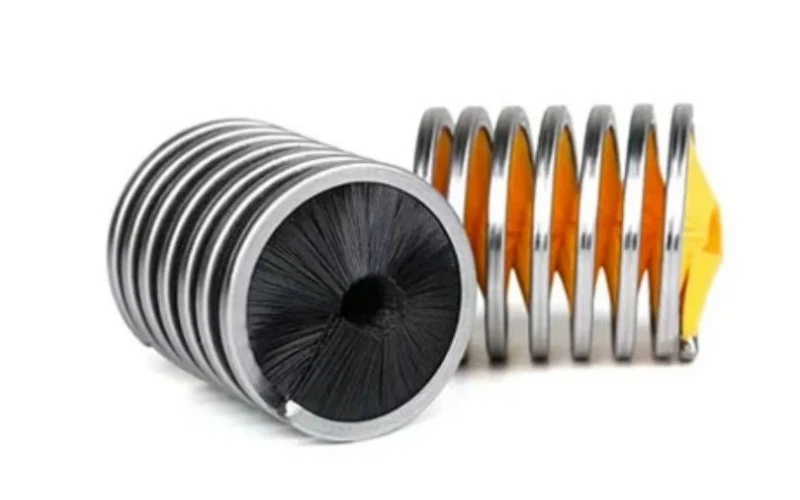
Cleaning brushes for wire ropes in mining shafts are exposed to moisture and wear from rock dust. The embedded particles cause accelerated fatigue on ropes used in high-load and high-cycle applications.
Offshore and Marine
The ropes used for mooring lines and lifting loads on cranes are constantly exposed to saltwater. Brass brushes that do not generate sparks can be used to clean these ropes, which prevents corrosion in the marine environment.
Elevators and Cable Cars
Safety regulations state ropes must be visually checked on a regular basis; however, with the use of a correctly sized coil shredder, you will be able to visually inspect and mag-check (magnetically) your ropes without interfering with the operations of your facility.
Steps To Specify Your Wire Rope Cleaning Brush
If you are a buyer, please use this process prior to ordering your wire rope cleaning brush.
- Rope Diameter And Construction Type
- Contaminant Type: Grease, Rust, Dust, and/or All/Combination of the Above
- Determine filament composition based on use and surrounding conditions
- Use the 5 to 10 percent rule when determining brush ID
- Decide what length of brush you will need – longer brushes will clean more surfaces in one passage
- Check with supplier to confirm whether the brush is suitable for manual pull-through operation or motorized pass-through operation
It is very common for Industrial buyers to order sample lengths prior to purchasing in large quantities if it is their first time cleaning a new configuration of rope.
Why Build Quality Affects Performance
Wires are securely held by the core of a cleaning brush during hundreds of cleaning processes. The wire core will have to be able to hold the filaments in such a way that they do not loosen while getting compressed again and again as the brush rolls on and off the rope. Filaments that come loose may cause contamination, which is not what the brush was designed to do.
Brushes produced using consistent coil tension and uniform filament trim by manufacturers produce brushes with repeatable, reliable cleaning performance. This level of consistency is especially important for automated rope cleaning systems, where the brushes are regularly changed out, which can interrupt production schedules.
Frequently Asked Questions
Can suppliers customize wire rope cleaning brushes for out-of-round diameters?
Yes, most manufacturers provide custom options for inner diameter, filament material, and length of brush. Buyers should provide specific information about the rope diameter and type of contaminant to allow the supplier to make an appropriate recommendation.
How Much is Considered as the Minimum Order Quantity to Purchase in Bulk?
MOQ depends on the supplier and specifications. If you are ordering standard size products, they frequently are available in stock. But most likely, you’re having a custom product made using either different filament or diameter combinations, which normally require you to have to order a minimum of either 50 or 100 units.
How frequently should teams replace wire rope cleaning brushes?
The frequency of wire rope cleaning brush replacements will depend on the size of your wire rope, the severity of contaminants, and how frequently you clean. Most operations will replace brushes when the filaments have decreased to less than 60% of their original trim height.