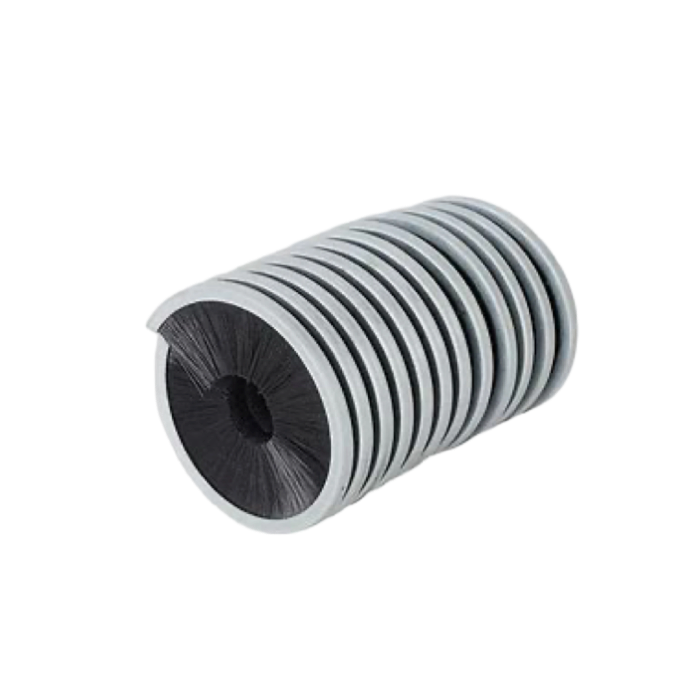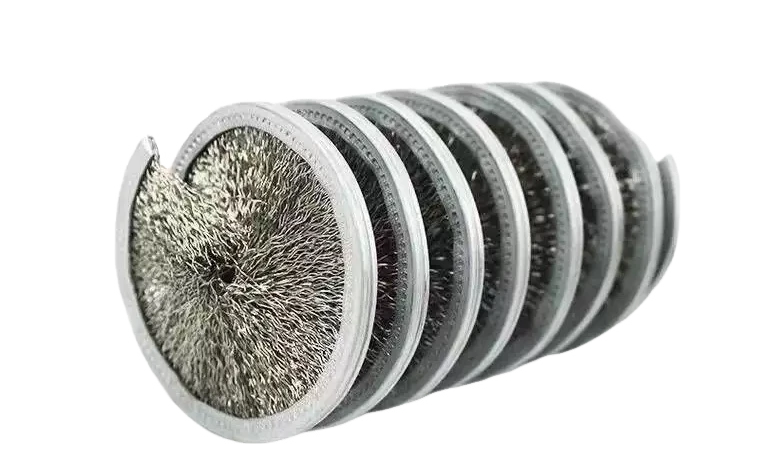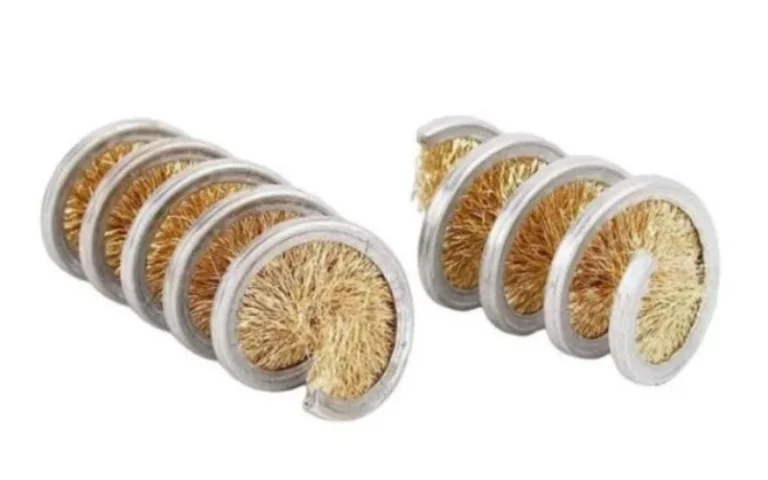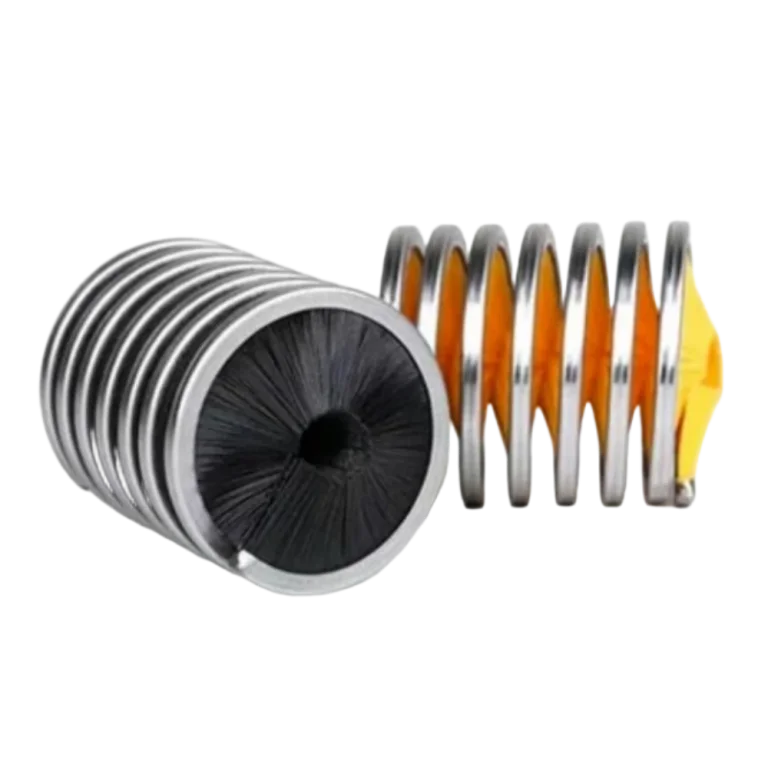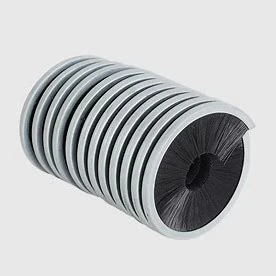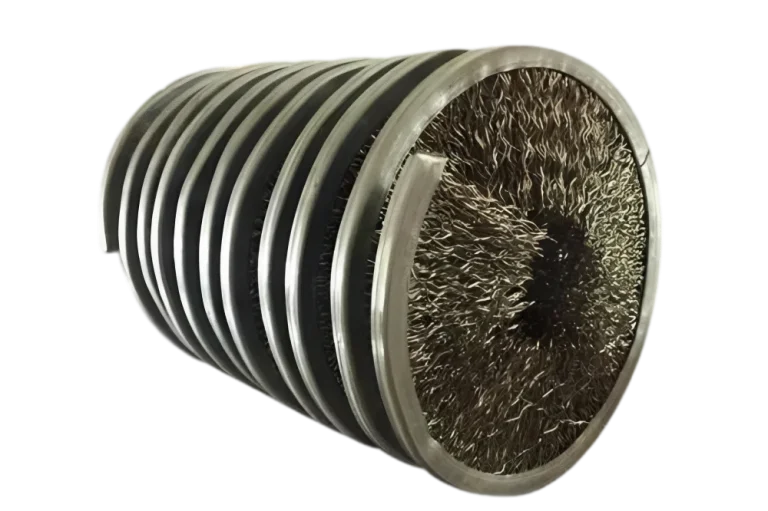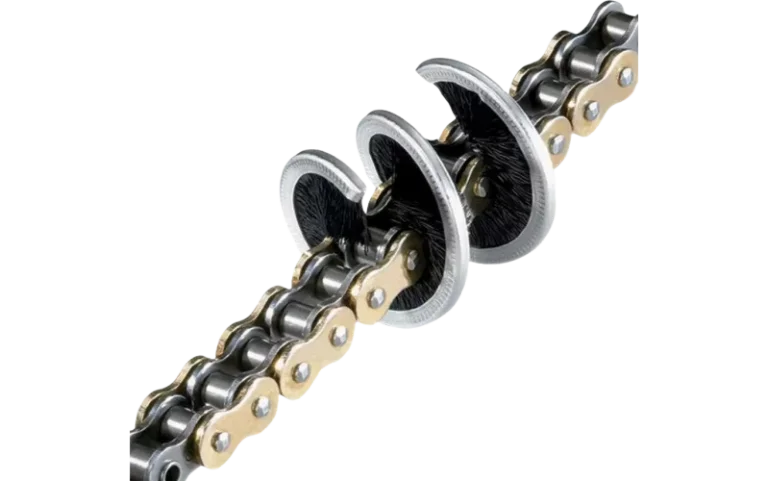
Every industrial operation that involves pipes, tubes, or internal surfaces eventually faces one common challenge — how to clean efficiently without causing damage. The inside coil brush solves this problem better than most conventional tools. Its flexible coil design conforms to various internal geometries, delivering consistent contact and thorough cleaning in a single pass. For manufacturers, maintenance teams, and procurement professionals, understanding the advantages of this brush type can directly improve operational outcomes.
Anyone unfamiliar with the basic concept can start by reading what’s inside a coil brush to build a solid foundation before diving into its benefits.
Why Inside Coil Brush Outperforms Rigid Alternatives
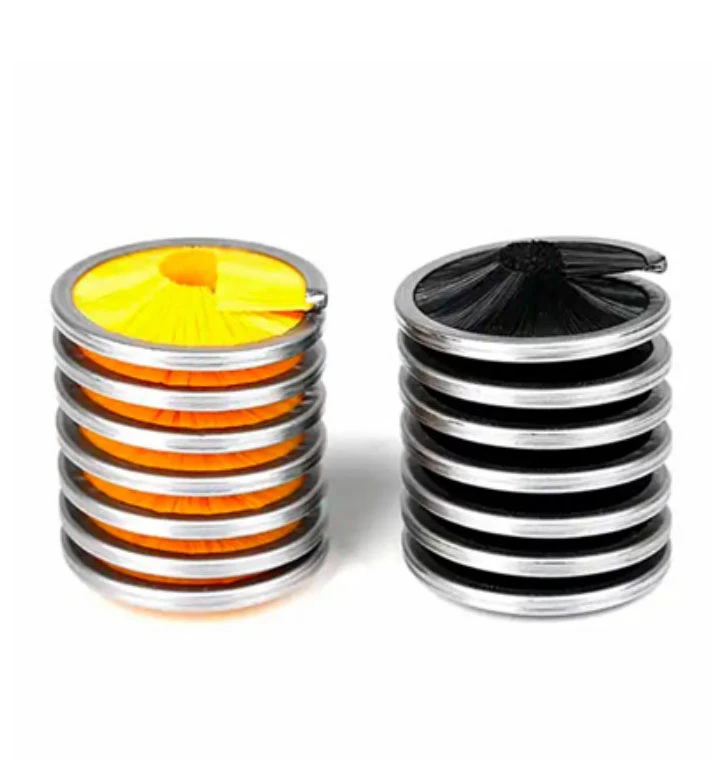
Rigid brushes often do not make good contact with the curved or irregular internal surfaces. They miss the contact point and leave some residue; sometimes, they even scratch delicate substrates. All these problems are solved by the inside coil brush due to its helical spring-like structure, through which it can adapt to the contour of the workpiece. Practically speaking, users who switch from solid tools to coil-type brushes continually cite reduced rework cycles and smoother surface finishes. It’s easy to see how this alone leads to tangible time and cost savings on the shop floor.
Core Benefits in Brief
The table below summarises the main benefits that make this brush type a favourite in all sectors:
| Benefit | Description |
| Flexibility | Adapts to bores, tubes, and non-uniform internal shapes |
| 360° Contact | Bristles that can engage the complete circumference at the same time |
| Durability | Spring-coil structure to resist deformation over repeated use |
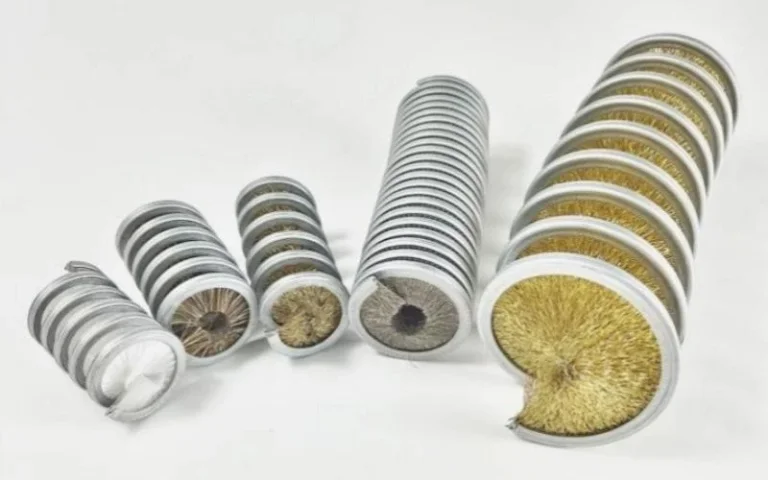
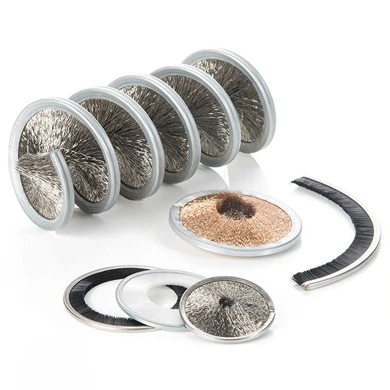
| Material Versatility | Available in nylon, steel, brass, and abrasive filaments |
| Cost Efficiency | Reduces labor time and minimizes the requirement for secondary cleaning |
| Low Surface Damage | Gentle for polished or coated internal surfaces |
These are benefits you don’t have to take our word for — they’re based on real-world feedback from facilities that process metal tubing, hydraulic cylinders, and engine components daily.
Flexibility and Adaptability
Cleaning Curved and Irregular Bores
A standout feature of the coil brush is its flexibility in navigating non-straight paths. While cylindrical brushes require a bore that is perfectly straight, coil brushes can easily flex through bends and even tapered sections while maintaining contact between the bristle tips and the surface. This makes them suitable for applications such as heat exchanger tubes, the interior of hydraulic lines, components of automotive exhaust systems, and pneumatic system passages.
Compatibility with Existing Equipment and Workflows
Most inside coil brushes are equipped with a standard drill chuck, CNC spindle, or manual extension rod. Such compatibility enables a team to integrate the brush into current workflow without the need for new equipment purchase.
Consistent 360-Degree Cleaning Performance
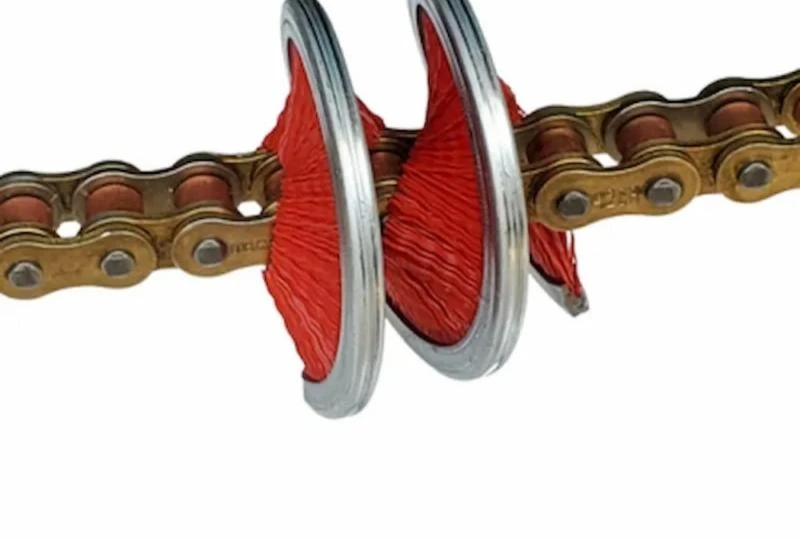
Partial contact is a common failure point with flat or strip brushes. The inside coil brush has a helical filament arrangement to ensure that bristles reach all points along the inner circumference, providing 360-degree contact for more uniform removal of scale, burrs, oxidation, and debris. For operations that also require external or chain-driven cleaning, the 360 chain brush provides a wrap-around surface contact solution for exposed components.
Durability: Reducing the Frequency of Replacements
Filament Options for Different Tasks
The coiled wire core works as a spring inside, in which vibration is absorbed, and resistance to permanent bending is offered. This means that, in comparison with twisted-in-wire brushes, coil brushes retain their shape much longer even when there is rotation at high RPM. The major importance of this durability comes in high-volume production environments where fewer brush changes mean less downtime and lower consumable costs as well as more consistent output quality across shifts.
Selecting the Proper Filament Also Increases Brush Life
Selecting the proper filament also increases the life of the brush. A general guide is as follows:
- Steel wire – best for heavy rust, weld slag, and carbon deposits
- Brass wire – good for softer metals where sparking is a concern
- Nylon filament — best for polished or coated surfaces
- Abrasive nylon — good for deburring and honing at the same time
For more help in matching brush specs to your applications, the how-to on choosing an inside coil brush gives a very usable selection method.
Applications Beyond Standard Pipe Cleaning
Tube and pipe cleaning is certainly the biggest use — but inside coil brush does more than most buyers realize at first.
Wire Rope Maintenance
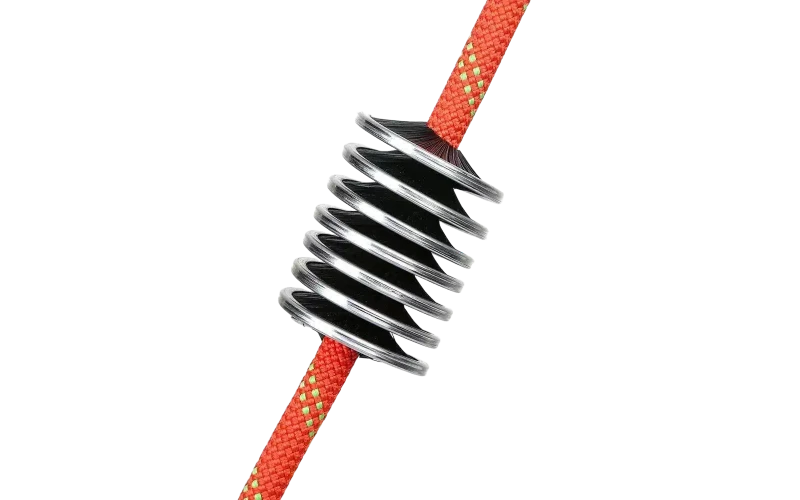
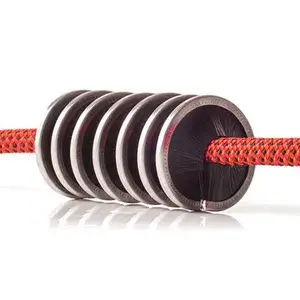
Grease, dirt, and corrosion that collect will shorten the lifespan of the wire rope. Use a special wire rope cleaning brush together with a coil brush for the inside sheave grooves to keep the whole rigging system in good condition.
Surface Preparation Before Coating
To paint or powder-coat the interior of tubes, the surface has to be clean and rough for proper adhesion. A coil brush with abrasive nylon filaments does both in one step, cutting out chemical pre-treatment in many cases.
Deburring After Machining
Cross-drilled holes and intersecting bores typically hold sharp burrs after CNC machining. A coil brush of proper size removes such burrs without affecting hole tolerances — which is very critical in aerospace and medical device manufacturing.
For a more in-depth look at cleaning-specific applications, the Inside Coil Brush for industrial surface cleaning details more real-world scenarios and best practices.
Industrial buyers seldom look at one thing, and the inside coil brush is compared to its two major alternatives on some very important criteria in the table below:
| Criteria | Inside Coil Brush | Twisted Wire Brush | Manual Abrasive Tools |
| Initial Cost | Moderate | Low | Low |
| Lifespan | Long | Short to Medium | Very Short |
| Surface Consistency | High | Medium | Low |
| Labor Time Per Part | Low | Medium | High |
| Risk of Surface Damage | Low | Medium | High |
Typically, purchasing decisions in industrial settings do not revolve around one factor. As seen in the table above, between the inside coil brush and its two major alternatives on some very important criteria, the choice would be obvious. When the inside coil brush is considered against issues of labor, rework, and frequency of replacement in the total cost of ownership equation, then it consistently offers better long-term returns on investment (ROI).
Conclusion
The inside coil brush is flexible, durable, and consistently cleans in a way that rigid alternatives just can’t match, which is why it’s used in industrial maintenance and production lines. It doesn’t matter if you are just doing bore cleaning, maintaining wire rope, or doing surface preparation before coating – this brush type can adapt to the job and deliver repeatable results. Hence, for operations seeking to cut downtime and enhance surface quality, this is one of the most practical investments that can be made.
FAQ
Can inside coil brushes handle high-temperature applications?
Yes. Steel-filament coil brushes do not have any problem with elevated temperatures. For extremely hot environments, stainless steel options do a good job of maintaining performance without deformation.
What is the minimum order quantity for custom sizes?
Most manufacturers offer custom sizes of inside coil brushes with reasonable minimum order quantities. To get the most accurate quote, contact the supplier directly with the dimensions of the bore.
What is the periodicity of replacement of inside coil brushes on the production line?
The periodicity of replacement depends primarily on the hardness of the material and RPM. Generally, operators check for wear of the bristles once a week. The brushes are replaced when the contact pressure decreases visibly.