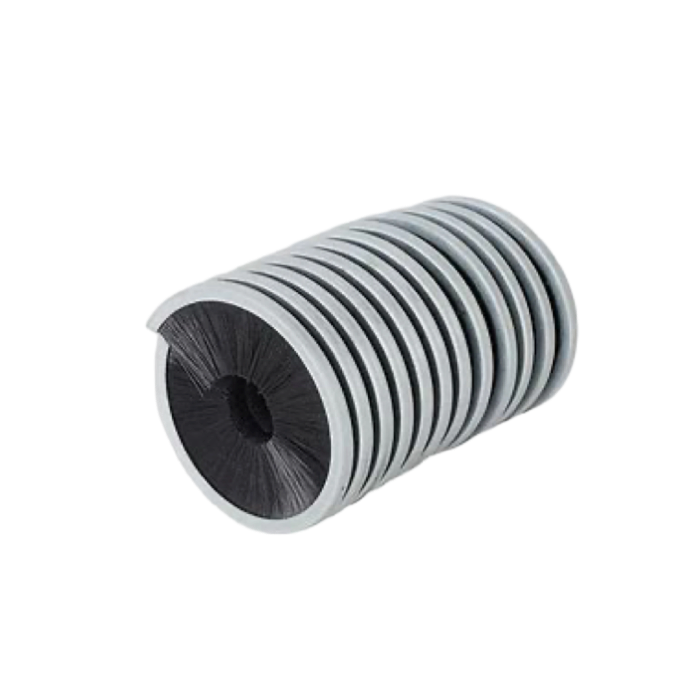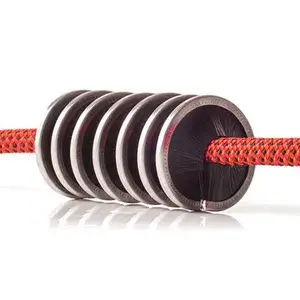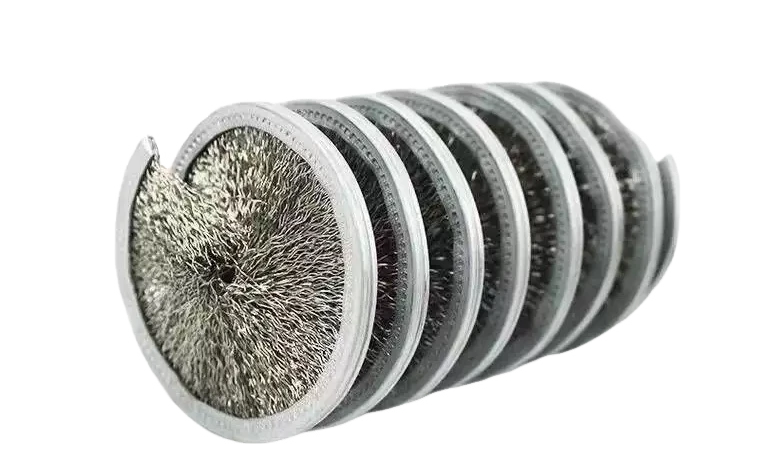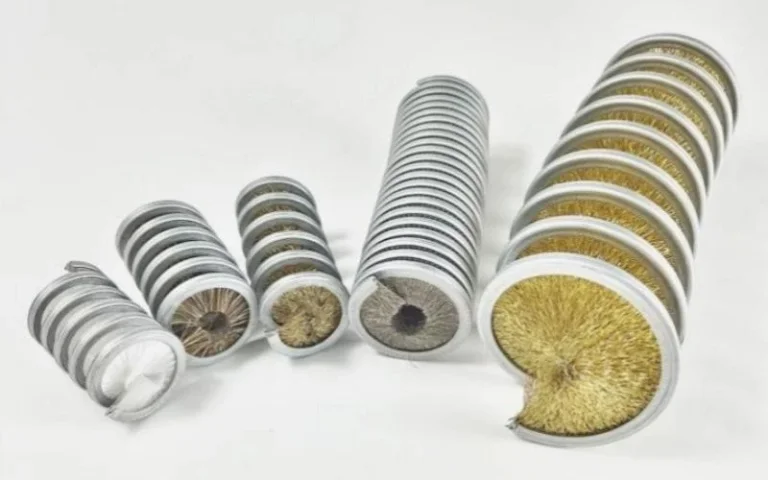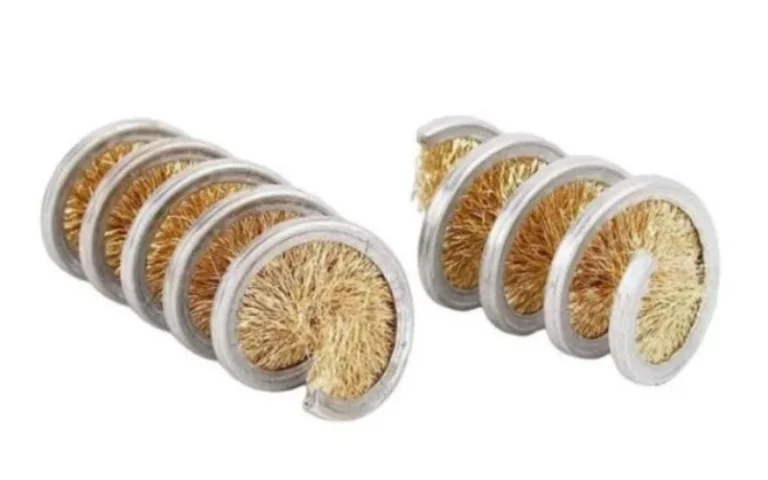
When observing industrial cleaning processes, particularly those involving conveyors, pipelines, or specialized machinery, the coil brush often emerges as a surprisingly versatile and essential component. It’s not just a simple bundle of bristles; it’s a precisely engineered tool whose effectiveness hinges entirely on its internal configuration. Understanding what’s inside the coil brush reveals why these tools are crucial for everything from removing stubborn residue to providing thorough surface preparation.
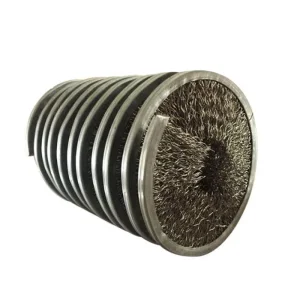
The market often distinguishes between two primary forms: the inside coil brush and the outside coil brush. While both utilize the same fundamental spiraled construction, the orientation of the filaments dictates their application. Let’s peel back the layers of this workhorse tool.
The Core Structure: Understanding the Coil Brush Foundation
At its heart, every coil brush is built around a central support, usually a wire core or mandrel, around which the brush material is tightly wound in a spiral fashion. This spiraled design is what gives the brush its flexibility and its continuous cleaning profile.
Types of Coil Construction
The way the bristles are attached to the core determines the brush’s performance profile. Generally, manufacturers employ a few key methods to lock the filaments in place:
- Staple-Set: While more common in strip brushes, some specialized coil designs use staples to anchor tufts of material into a central core.
- Hedgehog Style (Wire Core): This involves winding the filament around a central wire rope or mandrel. This is the most typical construction for many heavy-duty cleaning applications.
Core Material Selection and Its Impact
The choice of core material—be it stainless steel, galvanized steel, or even specialized plastics—is critical, as it directly influences the brush’s rigidity and resistance to corrosion, especially when dealing with harsh chemicals or high-moisture environments.
Diving Deep: Anatomy of the Inside Coil Brush
The inside coil brush, sometimes referred to as an internal cleaning brush or pipe brush, is designed specifically for accessing the interior surfaces of tubes, pipes, or drilled holes. Its design priority is achieving 360-degree contact within a confined space.
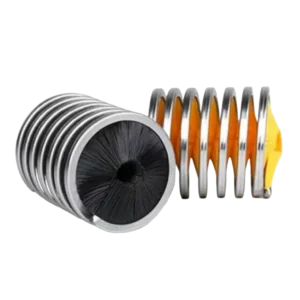
Key Components of an Inside Coil Brush
When inspecting an inside coil brush, several features are immediately apparent:
Filament Material: This is perhaps the most vital element. Different applications demand different materials.
- Nylon (Polyamide): Offers good flexibility and resistance to abrasion. This is often the default for general cleaning.
- Stainless Steel: Used for heavy-duty scrubbing, scale removal, or when dealing with high temperatures.
- Brass/Phosphor Bronze: Softer metals suitable for cleaning sensitive surfaces where sparking or excessive scratching must be avoided.
- Abrasive Nylon: Nylon infused with abrasive grit (like silicon carbide) for light polishing or surface texturing during the cleaning cycle.
Mandrel/Core: For an inside coil brush, the core must be narrow enough to pass through the opening of the pipe or tube being cleaned. The tension applied during winding ensures the bristles push outwards, maintaining consistent pressure against the inner wall. This outward tension is what makes it so effective as a wire rope cleaning brush substitute in some linear applications.
End Caps/Shank: To integrate the brush into a machine (like a drill press attachment or an automated cleaning rig), a specific shank or end cap must be affixed. This piece ensures the brush spins true and transmits torque effectively.
Application Focus: Where the Inside Coil Brush Excels
The primary utility of the inside coil brush is thorough internal scrubbing. Consider its use in:
- Cleaning heat exchangers before inspection.
- Deburring drilled holes in manufacturing.
- Cleaning the interior of specialized chemical feed lines.
The Counterpart: Anatomy of the Outside Coil Brush
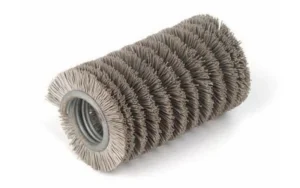
In contrast to its counterpart, the outside coil brush is designed to clean the exterior surfaces of cylindrical objects. Think of conveyor systems, rotating shafts, or round bar stock being fed through a machining center.
Configuration Differences
While the materials might overlap with the inside coil brush, the configuration is markedly different:
- Bristle Orientation: In an outside coil brush, the bristles radiate outwards from the core. The entire exterior surface of the coil is the active cleaning area.
- Mounting Flexibility: These brushes are often mounted stationary, with the object passing through the brush, or they might be mounted on a motorized spindle that rotates around the stationary object.
Filament Width, Density, and High-Speed Applications
The effective width and density of the filaments determine how much surface area is cleaned with each pass. Many high-speed applications use these as alternatives to complex belt-sanding setups, especially when paired with a robust 360 chain brush system in high-volume environments.
Comparing the Two Configurations
To clarify the distinct roles these two coil types play, a comparative view is helpful.
Material Science: What Really Dictates Performance
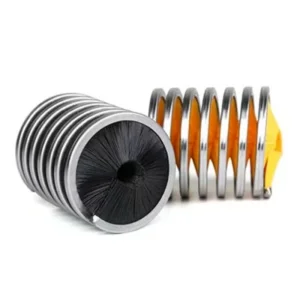
Beyond the shape, the stuff inside the brush—the filaments—determines everything from lifespan to cleaning aggression. Observational data shows that selecting the wrong filament material can lead to premature wear or, worse, damage to the substrate being cleaned.
Filament Characteristics Table
When considering a replacement for a worn wire rope cleaning brush, one might often opt for a denser inside coil brush made of Nylon 6.12, as it offers better fatigue resistance under constant flexing.
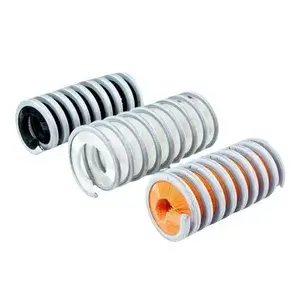
Integration into Automated Systems: The 360 Chain Brush Context
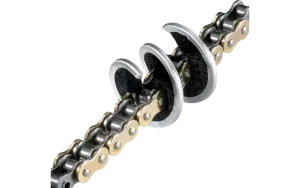
In modern manufacturing, brushes are rarely hand-operated. They are integrated. This integration is where the concept of a 360 chain brush often overlaps with the discussion of coil geometry.
While a true 360 chain brush often refers to a brush integrated into a conveyor chain assembly designed for continuous, full-wrap cleaning (often used in metal finishing lines), the principle of 360-degree contact is shared with the inside coil brush. Both aim to apply force evenly around a cylinder.
For high-throughput operations, the longevity of the filaments within the coil becomes a significant cost factor. A brush that requires replacement every 100 hours versus one lasting 1000 hours translates directly to maintenance downtime savings. The internal construction must resist “unwinding” or “flattening” under prolonged stress.
Considerations for Specification: Ordering the Right Brush
When specifying a new coil brush, whether it is for internal or external use, manufacturers need more data than just the dimensions. The physical characteristics inside are just as important as the outer measurements.
Here are the key parameters manufacturers often request:
- Bristle Density/Pitch: How closely spaced are the windings? Tighter spacing means more cleaning contact points per revolution.
- Trim Length: How far the actual bristle tip extends beyond the core/mandrel. This directly impacts the reach and flexing ability, particularly for an inside coil brush navigating tight bends.
- Filament Diameter: Thicker filaments provide stiffness for heavy scrubbing; thinner filaments are better for gentler polishing.
A common mistake, it seems, is ordering an outside coil brush with insufficient trim length for the object it needs to clean, leading to only partial surface contact and ineffective cleaning.
Conclusion: The Hidden Complexity of the Coil
The coil brush, whether configured as an inside coil brush or an outside coil brush, is a prime example of how simple appearance can hide significant engineering complexity. Its effectiveness relies entirely on the materials chosen for the filaments, the integrity of the core, and the precision of the winding tension. These factors determine whether it acts as a delicate polisher or a heavy-duty scale remover. When next encountering one of these tools, one should appreciate the careful balance achieved between the core wire and the carefully selected bristles that make up its cleaning profile.
FAQ
Q1: Can an inside coil brush be used with power tools or automated cleaning systems?
Yes. Inside coil brushes can be mounted on drills, flexible shafts, or automated cleaning rigs with the correct shank or end cap. Verify the brush’s maximum rated RPM and core rigidity before power-assisted use, as excessive speed may cause bristle loss or mandrel deformation.
Q2: How do I choose between an inside and outside coil brush for my application?
Choose based on where cleaning is needed. Use an inside coil brush for internal surfaces such as pipes, tubes, or drilled holes. Use an outside coil brush for external surfaces such as shafts, rods, or conveyor components. If both internal and external cleaning are required, two separate brushes are typically needed.
Q3: What signs indicate it is time to replace a coil brush?
Replace when bristles are bent, broken, or missing, when trim length has visibly shortened, or when cleaning effectiveness declines. A worn core, uneven bristle pressure, or noticeable vibration during rotation also signals replacement. In precision or food-grade applications, do not wait for visible substrate damage before retiring the brush.