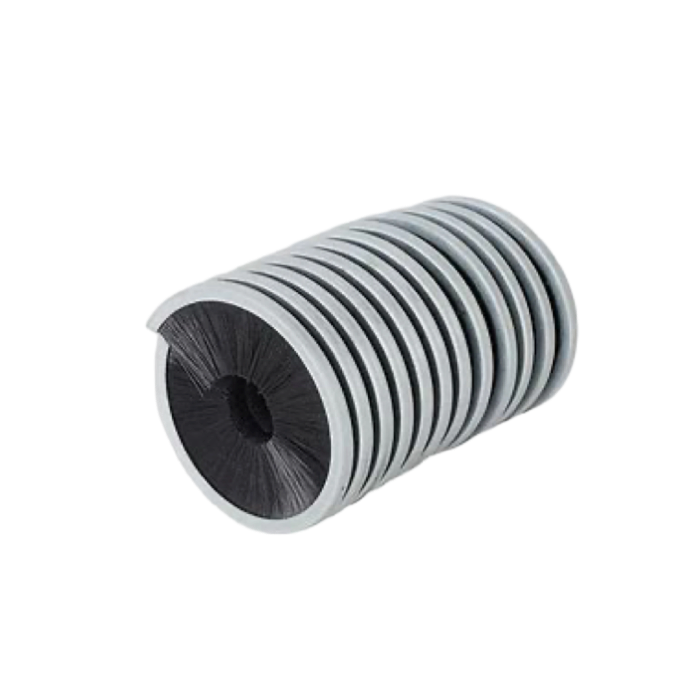
Cleaning the interior surfaces of industrial equipment often gets neglected as a maintenance task. Over time, the buildup of residues within tubes, cylinders, and bores can cause efficiency to decline, increase contamination risk, and lead to early failure of the equipment. For these issues, the inside coil brush has proven to be an effective solution.
A coil brush differs from traditional tufted brushes by having a continuous spiral of tightly wound filament around a centre wire core rather than using tufts of bristles attached to the core via glue or rivets. This provides the coil brush flexibility, enabling it to conform to curved or irregular surfaces that rigid brushes cannot reach. A coil brush is therefore a useful and economical tool for working in areas with tight tolerances and limited access to cavities.
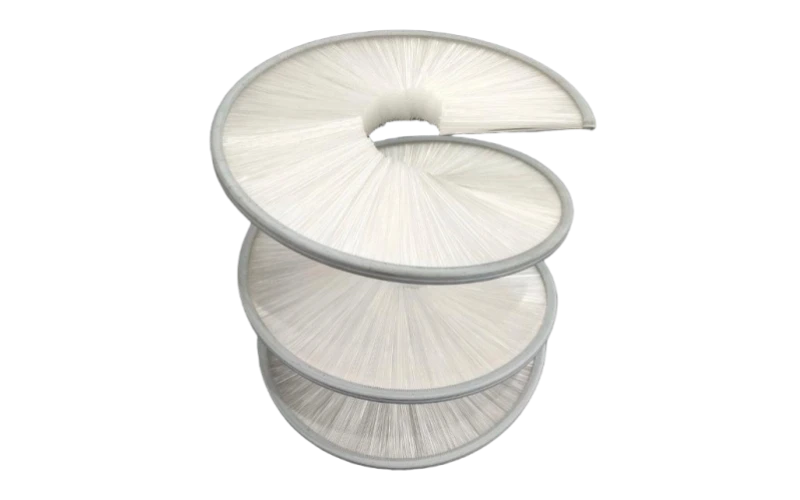
How the Inside Coil Brush Works
It’s very easy to understand how it works. When the brush turns or travels down a hole, the coiled wire continuously touches the inside of that hole at every angle around the edge. Because of the way that the brush maintains contact, the pressure will help to get rid of scale/hydroscopic oxides, debris, and any leftover material. The result will give a uniform ground finish that does not grind out or scratch out the base material.
Self-Adjusting Contact for Consistent Results
The reason for this design’s efficiency is its ability to adjust itself. The coil’s compression allows it to fit snugly into tighter areas while still maintaining a connection to other coils. With this knowledge, anyone can understand how coil brushes are constructed and how they work regardless of their previous experience. For a deeper technical breakdown, refer to what is inside the coil brush.
Filament Choices
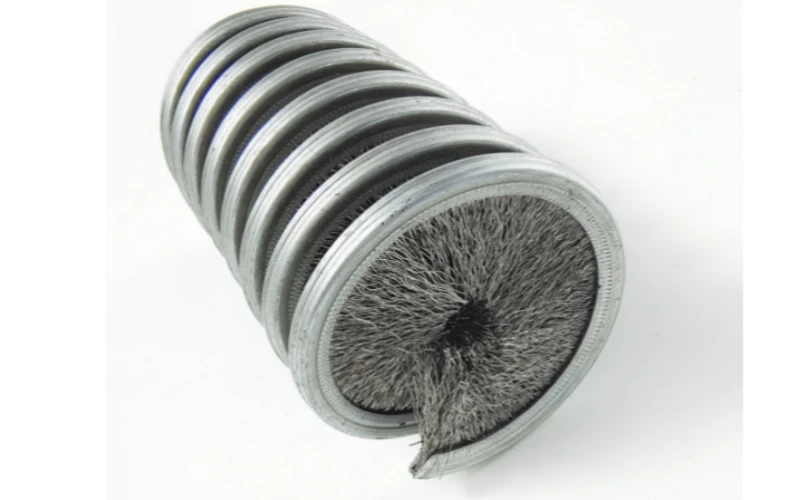
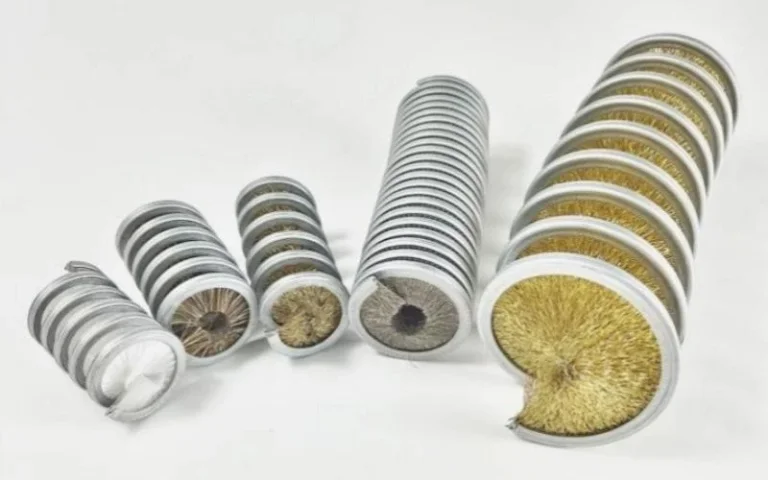
The filament type determines the material that can be cleaned with this brush, and how aggressively it will clean. Common filament types include:
- Nylon – used to clean off burrs and dust on soft metals.
- Abrasive Nylon – used to remove oxides and coatings from steel and aluminum.
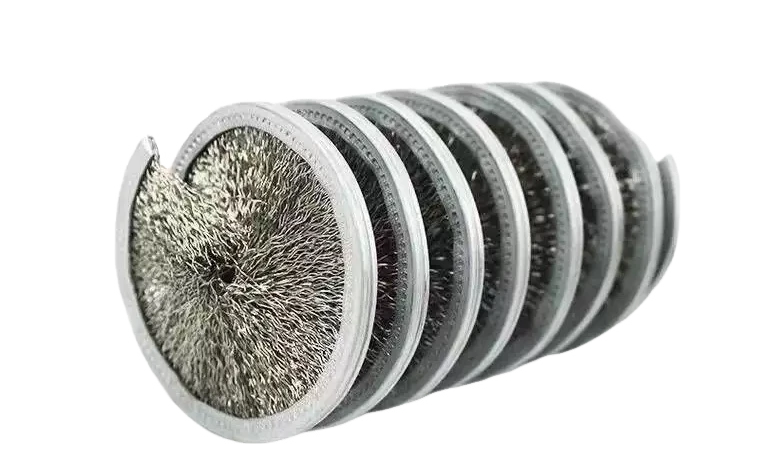
- Steel Wire – used for cleaning heavy scale and rust from carbon steel piping.
- Brass Wire – used for cleaning in an explosion-proof environment where the material is not combustible or emits sparks.
- Stainless Steel Wire – used for cleaning food and pharmaceutical equipment, where corrosion resistance is required.
Selecting the right filament for your application is one of the most critical aspects of your specifications. If you choose a filament that is not compatible with your project, you risk damaging your finished product or being unable to completely clean it during the coil brush process.
Common Industries and Uses of Inside Coil Brushes
The inside coil brush will work in a multitude of industrial environments. Its flexible and consistent performance allows it to clean and prepare internal surfaces of products across all manufacturing segments.
Tube & Pipe Cleaning with an Inside Coil Brush
As time goes by, heat exchangers, boiler tubes, and hydraulic cylinders all develop an interior accumulation of deposits. Scheduled maintenance that uses a bore‑diameter brush is the most effective way to clean deposits from your pipe’s interior and restore flow rates and heat transfer rates.
Boring Finishing / Deburring
In many cases, bores that have been machine finished also have burrs or sharp edges. An inside coil brush manufactured with an abrasive nylon filament will provide a smooth finish without altering the diameter of the bore, a requirement for both the automotive and aerospace industries.
Wire Rope and Chain Maintenance
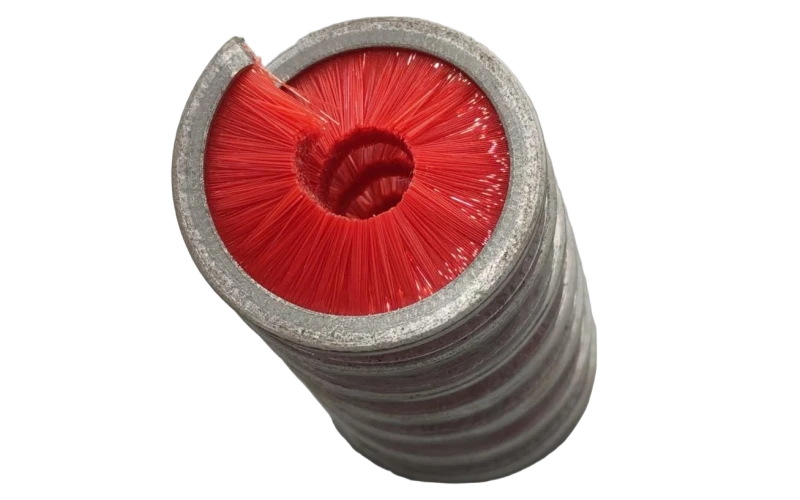
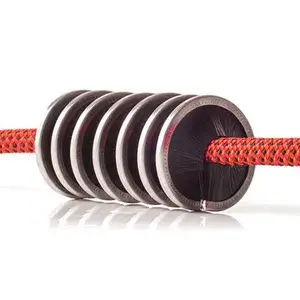
Cleaning wire rope surfaces is not restricted to only removing contaminants in static bores. The use of a wire rope cleaning brush can also use the same coil principle to remove grease and corroded material from stranded cables prior to re‑lubrication. The coils wrap around the profile of the rope, allowing access to the areas between the individual strands where a flat brush cannot reach.
Chain cleaning is another example of an application using this method. The article 360 chain brush describes how a coil‑style brush, which has been adapted for chain profiles, can deliver three sides of contact with a chain to be effective in removing packed grease from either motorcycles or industrial drive chains.
When selecting a brush type, most applications will determine which brush type to use. The following table compares an inside coil brush to two common types for internal cleaning purposes:
| Feature | Inside Coil Brush | Twisted Wire Brush | Cylinder Tube Brush |
| Conformity to Internal Surface | Very Good | Good | Moderate |
| Flexibility in Curved Bores | Very High | Moderate | Very Low |
| Consistency of 360° Contact | Yes | Partial | Yes |
| Suitable Bore Diameter Range | 5mm – Over 200mm | 3–50mm | 10–300mm |
| Filament Density | Continuous Spiral | Lots of Tufts | Very Dense |
| Best Application | Irregularly shaped bores, long tubes | Very small precision holes, small diameter tubes | Straight bores (longer than 4 feet) |
For applications that require flexibility and consistently contact the tube wall across different-sized or shaped tubes, using an inside coil brush is the best option. Twisted wire brushes work better for very small diameter holes, while cylinder tube brushes are great for large diameter straight tube or casing-shaped bore use.
How to Choose the Correct Specification
Choosing the correct specification means reducing time spent and wasted materials by following these steps during the selection process:
- Accurately measure the internal diameter of your tube or bore.
- Determine what kind of debris must be removed from the tube/bore (i.e., dust, oxide, grease, and coatings).
- Select the filament type based upon substrate hardness and aggressiveness of cleaning required.
- Specify the outer diameter of the brush to be 5%–20% larger than the internal diameter of the tube/bore for proper interference fit.
- Establish the needed brush length according to bore depth and stroke travel.
For further elaboration on each step, refer to the guide on how to choose an inside coil brush, which covers specifications, tolerances, and tips for successfully sizing your coil brush.
Maintenance & Replacement
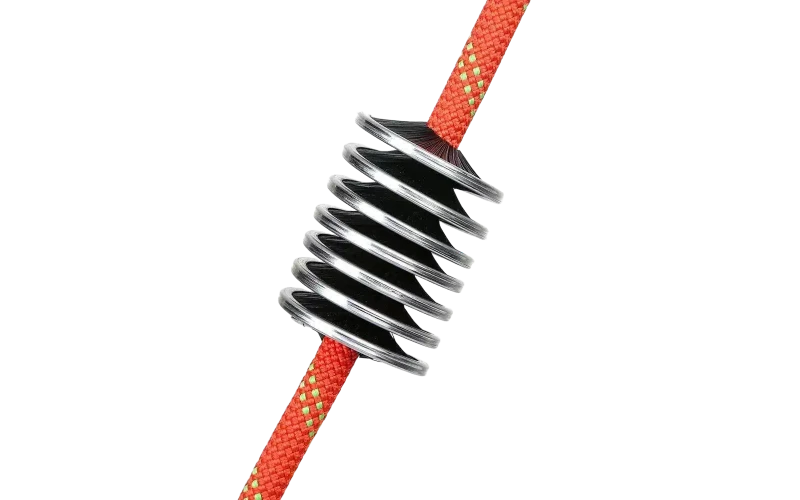
Coil brushes are a consumable tool. The filaments will become worn during usage, thus decreasing their ability to clean efficiently when filament tips become worn down. Some obvious signs that indicate a coil brush requires replacing are:
- Visible reduction in filament length, or signs of tip healing/curling
- Reduced resistance when passing through the bore
- Inconsistent cleaning results across the surface
- Filament breakage or shedding into the workpiece
The majority of industrial end‑users have a set replacement cycle based on the number of cycles run or an inspection schedule instead of relying solely on visible failure, because this will help to prevent contamination and provide the ability to maintain uniformity in surface finishes.
Last Thoughts
The inside coil brush serves a definite industrial market by providing a simple design, with non‑contaminating continuous filament contact and natural flexibility/versatility in meeting all types of bore sizes/materials, thus providing excellent surface preparation for tube descaling, bore deburring and coating applications with minimum complexity.
FAQ
Can I order an inside coil brush in a non-standard bore size?
The majority of manufacturers will provide you with a custom diameter, filament type, and length to fit your specific bore’s (OEM or maintenance) dimensions or cleaning requirements.
How many wholesale inside coil brushes are usually available?
MOQ varies by manufacturer, but most suppliers start from 100–500 units for standard orders. Custom designs may require different minimums. However, we provide sample testing with no MOQ, allowing customers to evaluate performance before mass production and ensure the right product selection.
Can I clean my food-grade equipment with an inside coil brush?
Yes, as long as they are constructed out of stainless steel or FDA‑compliant nylon filaments. Make sure to verify that the materials used in the brush meet specification requirements and that they meet the proper hygiene standards.