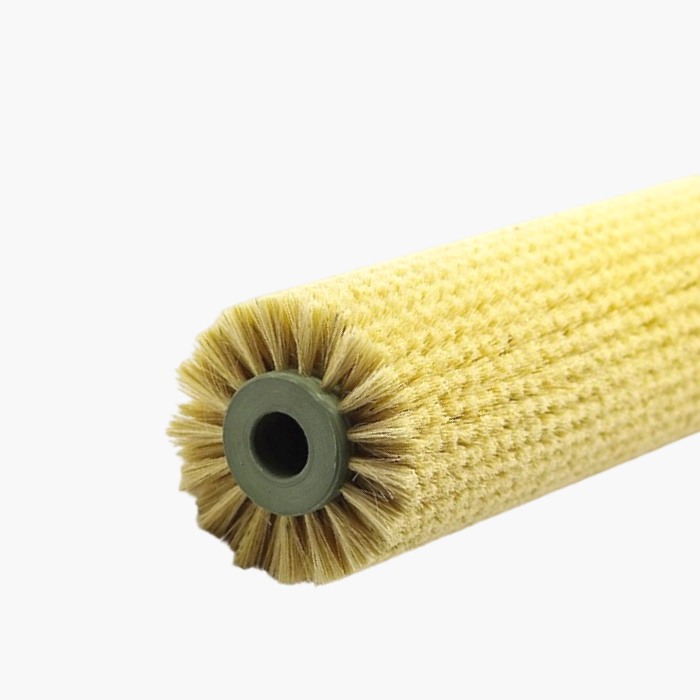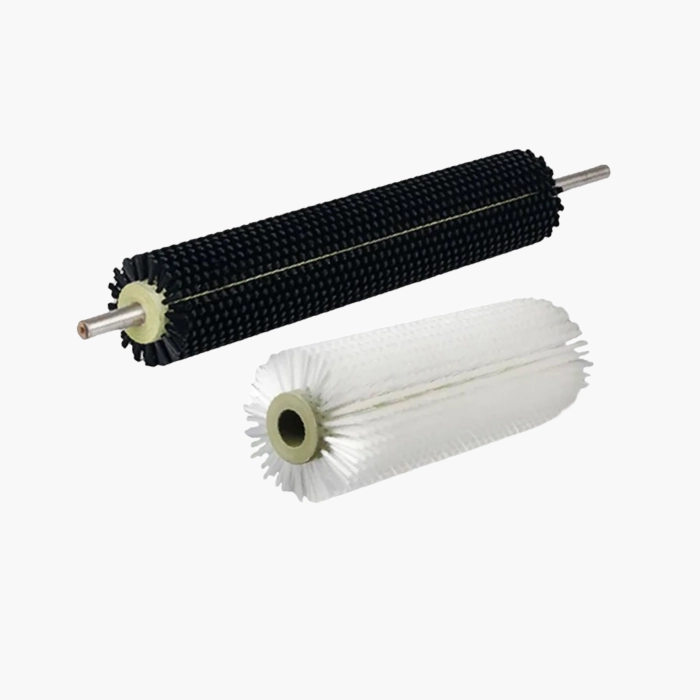
Selecting the right textile processing brush involves three major factors: fabric type, processing stage, and machine set-up. Any mismatch of these three areas will result in damage to the fabric, inconsistent treatment of the surface of the fabric, and excessive wear of the brushes; all of these will contribute to higher overall costs of production, as well as slower throughput.
This guide provides an outline of the process for selecting brushes based on the application for each textile line. With this information, production engineers and purchasing groups will be able to select the proper brush to best suit each operation without needing to go through a process of trial and error.
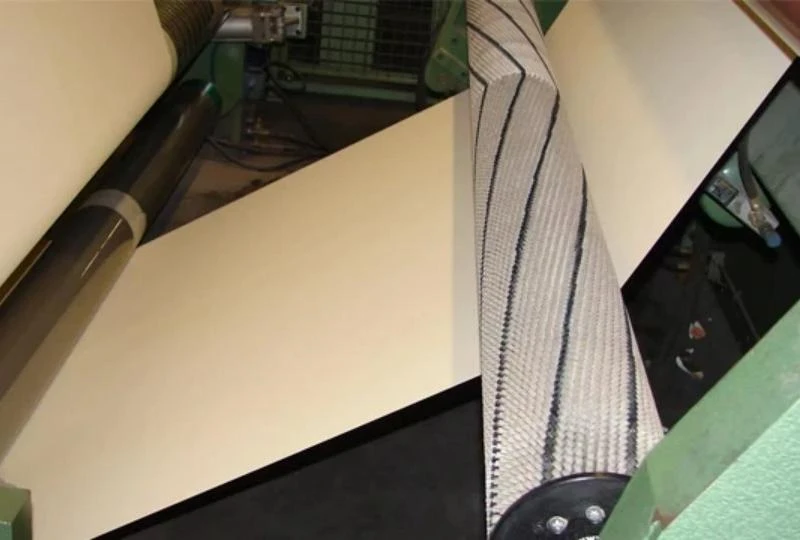
How Selection of Brush Will Affect the Quality of the Fabric
For textile manufacturing, it’s crucial that there’s consistent and repeatable contact between brushes and the fabric surface. A brush that is effective at napping heavyweight denim will completely ruin lightweight silk by shredding it to pieces during a finishing pass, and a soft filament brush that is designed to remove lint won’t be stiff enough for raising or sueding.
Textile Process Engineers with a lot of experience have found that many types of surface defects such as pilling, stripes & inconsistent nap height originate from incorrectly specified brushes opposed to true machine failure. Therefore, there is no reason to guess about brush specification during textile processing. By understanding how a processing brush behaves through the different phases of production, you will save valuable time and money when setting up your production line.
Key Variables When Selecting a Textile Processing Brush
Textile Weight and Fabric Type
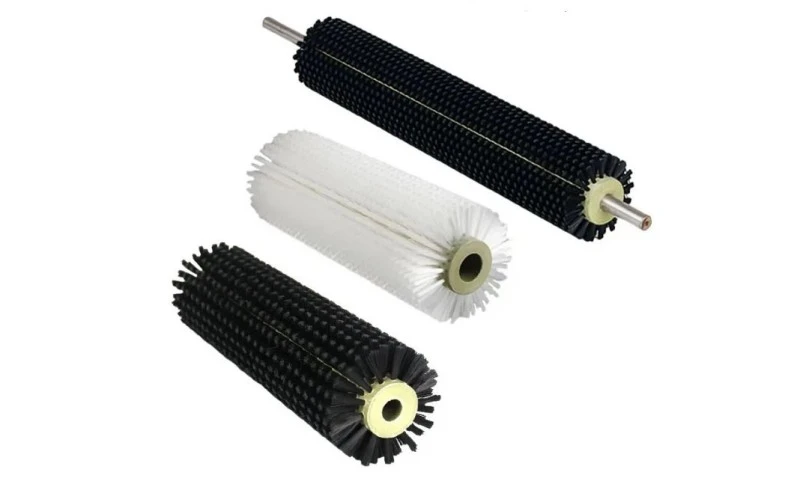
The weight of the fabric, along with the fiber composition, will indicate the maximum contact pressure that can be safely used with the brush.
- Lightweight Fabrics (chiffon, silk, fine knits) require soft, fine-diameter bristles with minimal contact pressure.
- Medium Weight Fabrics (cotton, polyester) will tolerate a medium stiffness nylon or natural fiber brush.
- Heavyweight Fabrics (denim, canvas, wool) will require stiffer bristles to properly nap, raise, or clean the fabric effectively.
Processing Stage
In textile finishing, each stage requires a different type of brush characteristics:
- To clean and remove dust from an item, we will use soft nylon or soft natural fiber brushes to sweep out any loose particles without snagging any of the threads.
- To create a raised texture or napped effect, we will utilize solid metal or abrasive-type filaments to raise the fibers.
- To finish or polish the surface of the material so that it has an even, soft feel, we will utilize fine, flexible filaments.
- To remove lint that has built up on the transport belts between each run, we will use aggressive-type filaments.
The process of textile processing usually involves varying degrees of filament specification during each phase of the production process. This is due to the fact that the amount of pressure exerted on the brush will vary depending on the machine speed, roller configuration, and the machine the brush is installed on.
Brush Specifications and Matching Machine Specifications
It is essential that the brush specifications (brush diameter, core length, and bore size) match the machine specifications exactly to achieve the best possible result. If a brush is run at the wrong RPM, it will not provide uniform contact pressure, resulting in visible banding (streaking) when the fabric is finished. Most textile lines are designed to operate at high speeds; therefore, brush core materials must be able to withstand continuous rotational stress without deflection.
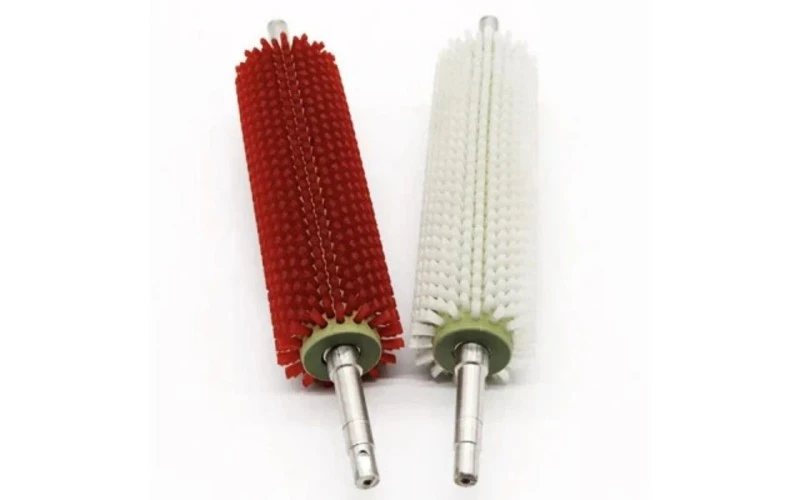
The Differences between Textile Brush Roller Filament Materials
The following table lists common filament materials and compares the properties of each filament so buyers may determine which material will satisfy their specific application requirements.
| Filament Material | Stiffness | Best Application | Fabric Compatibility | Durability |
|---|---|---|---|---|
| Nylon (PA6/PA66) | Medium | Cleaning, removing lint from fabric, spreading paper materials | Can be used with fabrics of any weight | High |
| Polypropylene (PP) | Medium-Low | Light cleaning, removing dust from fabric | Only suitable for lightweight and light to medium-weighted fabrics | Moderate |
| Sisal | High | Raising fabric fibers, napping, conducting heavy cleaning | Only suitable for heavy-weighted fabrics | Moderate |
| Tampico | Medium | Polishing and finishing textiles | Can be used with both medium- and heavy-weighted fabrics | Moderate |
| Animal Hair | Low | Final finishing of textiles; delicate part contact with fabrics | Only suitable for lightweight and delicate fabrics | Moderate to Low |
| Abrasive Nylon | High | Sueding, surface texturing | Heavy fabrics | High |
Nylon is the most versatile material in overall textile processing; natural fibers such as Sisal are used only on heavy-duty processes.
Matching Type of Brush to Application
Matching Type of Brush to Application
Not all types of textile projects will be done using the same configuration of brushes. The proper selection will not damage your fabric and will extend the lifetime of your brush.
Nylon Cylinder Brushes for General Textile Cleaning
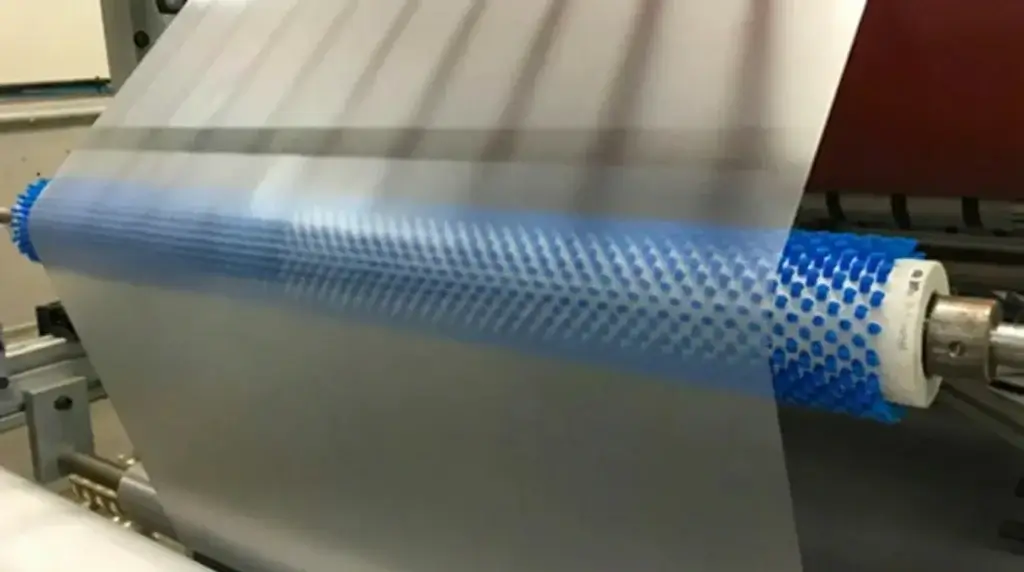
A cylinder cleaning brush is used to perform all the most typical textile work, i.e., removing dust, lint, and loose fibre from the surface of the fabric and conveyor belts. Most of these can do so using nylon material, which provides both flexibility and durability, making them suitable for their application on high-speed production lines. Applications for nylon cylinder brushes can include cleaning textiles as well as spreading paper and LED maintenance.
Tufted Cylinder Brushes for Napped and Heavy Lint Surfaces
Tufted cylinder brushes combine filament groups to generate elevated contact pressure, concentrating on particular points and providing the right amount of surface contact for surface cleaning on raised, napped, and heavy lint-removed substrates. The design characteristics of tufted cylinder brushes demonstrate that they perform exceptionally well with uniform coverage when used on surfaces alone is inadequate in achieving the desired result.
Sisal Cylinder Brushes for Heavy Natural Fabrics
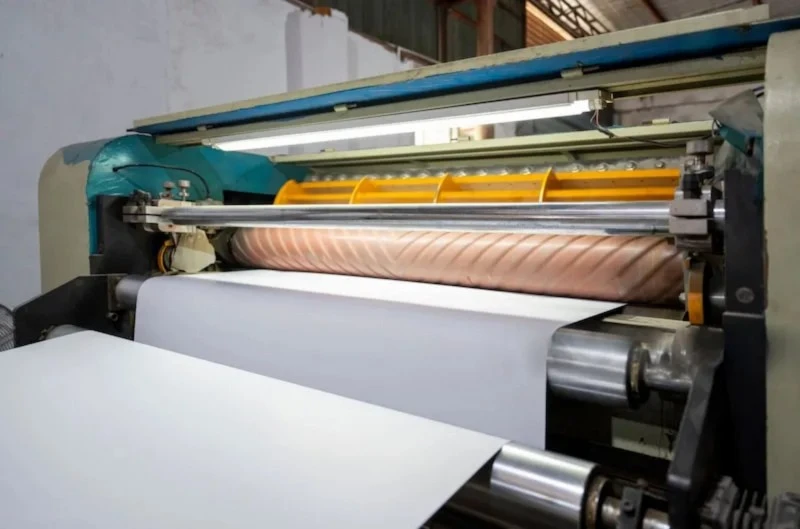
A sisal cylinder brush can provide the right amount of stiffness required to effectively open the fibers and help remove embedded debris when processing heavy, natural fabric materials (jute, hemp, or raw wool). It also does not generate static electricity as synthetic filament brushes do, which could potentially damage some fibers. Engineers should have an understanding of what a sisal cylinder brush offers when specifying the particular tool to be used for these heavy materials.
Mechanical Specifications That Affect Brush Performance
Mechanical specifications, in addition to filament type, influence how well a brush will perform when used on a textile line. One of these specifications is filament density; increasing the filament density results in more uniform contact with the fabric being brushed, but will also lead to increased load on the drive motor.
- Trim Length: Longer trim provides flexibility on uneven surfaces, while shorter trim allows for more control.
- Core Materials: Steel cores are good for high-speed lines, while aluminum reduces weight, making machines lighter.
- Bore Size: Custom bore size will give you a direct fit to the shaft, reducing vibration and runout.
Most manufacturers provide full custom configuration of textile processing brushes, allowing the buyer to specify their equipment’s exact dimensions without the need for adapters or modifications.
Bulk Procurement Practical Guidelines
When selecting suppliers to purchase brushes in large quantities, production managers should consider the following criteria:
- Ability to offer custom bore size and trim length that matches existing machinery
- Filament quality consistency throughout all production
- Dependability of lead times on repeated orders
- Technical assistance concerning the selection of brush material and review of specifications
Writing a clear set of specifications prior to placing an order eliminates any confusion between suppliers and ensures that each brush supplied is comparable to its replacement brush.
Frequently Asked Questions
Q1: Are they available in custom shapes to work with specific machine shafts?
Yes, many manufacturers will provide bore sizes, roller diameters, and trim length based on the requirements of your particular application. Some do not require any special tools or modifications to fit properly on your machine.
Q2: What is the usual minimum order quantity (MOQ) for wholesale textile brush orders?
The MOQ will depend upon your supplier’s requirements and the level of customization you are requesting; however, most industrial brush manufacturers will accept standard orders of 10-50 units.
Q3: Which filament material works best for high-speed textile cleaning lines?
The best filament material for high-speed cleaning of textile lines is nylon (PA6 or PA66) because of its great flexibility, durability, and chemical resistance.